REVIEW · KATHMANDU
Gokyo Lakes, Gokyo Ri Trekking Package – 10 Days
Book on Viator →Operated by Breeze Adventure Pvt Ltd · Bookable on Viator
A steep climb and a jaw-drop sunrise is the recipe here. This trek steers you away from the busiest Everest Base Camp route and into a more intimate Everest region, with blue-green Gokyo Lakes and the Gokyo Ri viewpoint (5,357m) as the big payoff. I also like the way the itinerary is paced around acclimatization, so you’re not just grinding uphill with no plan.
One key consideration: the trek is weather-dependent, and the early, steep push to Gokyo Ri comes whether you feel ready or not. You’ll also want to budget for small in-guest-house extras like shower and charging fees, since those aren’t included.
In This Review
- Key Points to Know Before You Go
- Lukla First, Then the Everest Region Reality Check
- Phakding to Namche Bazaar: Suspension Bridges and Your First Big Altitude Hint
- Namche Acclimatization: Khumjung, the Museum, and the Everest Viewpoint
- The Fork Toward Gokyo: Mong La Danda, Ama Dablam, and a Real Wildlife Chance
- Dole to Machhermo: Crossing the Tree Line into Quiet Country
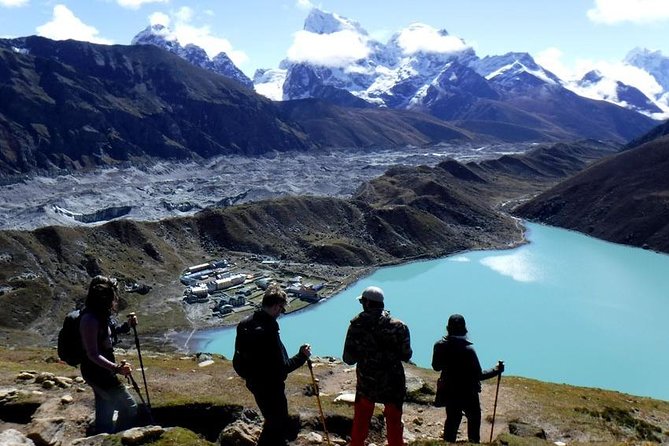
- Gokyo Lakes and Ngozumpa Glacier: Blue Water With a Climate Reality
- Gokyo Ri Sunrise: The Steep 600-Meter Climb and the 8,000-Meter Lineup
- Downhill Back to Namche: Suspension Bridges and the Return to Civilization-ish
- Namche to Lukla: Final Views, Six Suspension Bridges, and Saying Bye to the Peaks
- Manthali Transfer and the Kathmandu Finish
- Price and What You’re Really Paying For at $1,686.67
- How the Team Shows Up: Reliable, Fun, and Actually Responsive
- Weather, Fitness, and the One-Day Decisions You Can’t Avoid
- Should You Book This Gokyo Lakes and Gokyo Ri Trek?
- FAQ
- How long is the Gokyo Lakes, Gokyo Ri Trekking Package?
- What is the highest point on this trek?
- What’s included in the price?
- What’s not included?
- Is pickup offered?
- Is there a limit on group size and a fitness expectation?
- What happens if the trip can’t run due to weather or minimum travelers?
Key Points to Know Before You Go
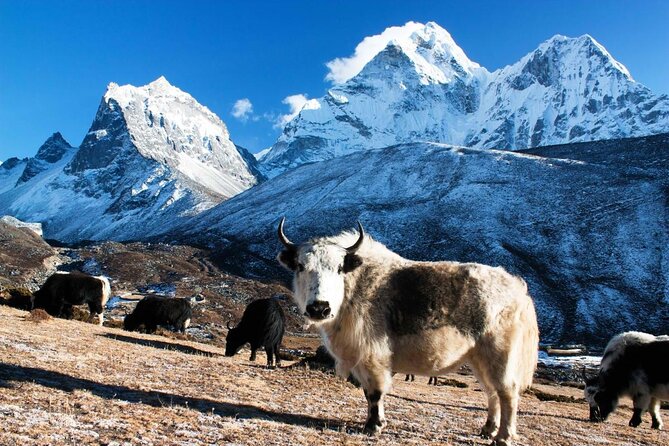
- Gokyo Lakes over Everest crowds: the route favors quieter valleys and still delivers serious peak views.
- Gokyo Ri sunrise is the headline: a steep climb timed for pre-sunrise color on the 8,000-meter peaks.
- Acclimatization built into the days: Namche includes a museum and Khumjung hike so your body has a chance to adjust.
- Musk deer odds on the trail: you get a realistic chance of spotting them on the stretch between Phortse Thanga and Dole.
- Ngozumpa Glacier is a front-row seat: it’s the longest glacier in Nepal, and the tour frames its rapid melting.
- Small-group support: the package caps the group at 15 travelers, which usually helps coordination and pacing.
Lukla First, Then the Everest Region Reality Check
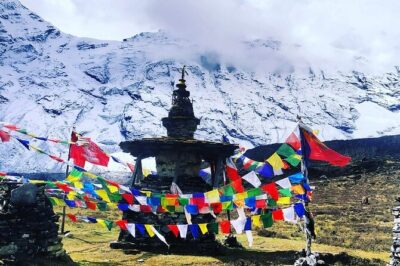
The trip starts with a classic Nepal move: a flight from Kathmandu to Lukla early in the day. From the plane you get those famous mountain views, then you step off into Sherpa villages with mani stones and prayer wheels lining the way.
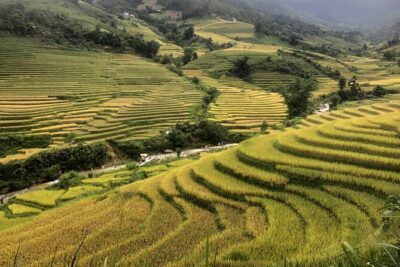
Day 1 is also your first taste of how the trek will feel: short sights, cool Himalayan air, and plenty of time to get mentally ready. You reach Phakding via the route that passes agricultural fields and Sherpa homes, which makes the first day feel more grounded than touristy.
You can also read our reviews of more tours and experiences in Kathmandu.
Phakding to Namche Bazaar: Suspension Bridges and Your First Big Altitude Hint
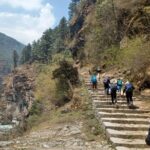
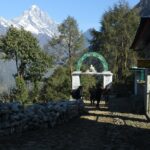
On day 2, you trek toward Namche Bazaar while crossing several suspension bridges along the Dudh Koshi River. You’ll pass smaller Sherpa villages and eventually reach Monjo, where you enter Sagarmatha National Park officially.
Lunch at Jorsalle and the pine-forest sections help break up the climb, so you’re not staring at elevation charts all day. The big moment is crossing the highest suspension bridge of the Everest region, which is one of those segments that turns a long day into a memorable one.
This is also a practical day for learning pacing. If you go out too fast, you’ll pay for it later, especially because day 3 is your acclimatization day.
Namche Acclimatization: Khumjung, the Museum, and the Everest Viewpoint
Day 3 is built to help your body adjust, not to score miles. You start with breakfast in Namche and then take a short hike up to the Sagarmatha National Park Museum and Khumjung Village.
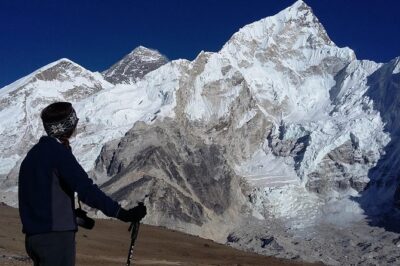
This is one of the more culturally rewarding blocks of the itinerary. You’ll see the monastery where there’s a famous yeti scalp story, and you’ll have time at the Everest Viewpoint. From the museum area, views include Everest, Lhotse, Nuptse, Ama Dablam, and more peaks, which is a solid “welcome to the big leagues” moment.
A bonus stop here is the Everest hotel for tea. The point isn’t luxury; it’s that you get a quick reset in a place that sits right in the middle of the scenery.
The Fork Toward Gokyo: Mong La Danda, Ama Dablam, and a Real Wildlife Chance
After breakfast on day 4, you climb up to Namche Bazaar’s upper vantage, then continue toward Kyanjuma. A key detail for this route is the junction that splits travelers heading to Gokyo Lakes versus those going toward Everest Base Camp.
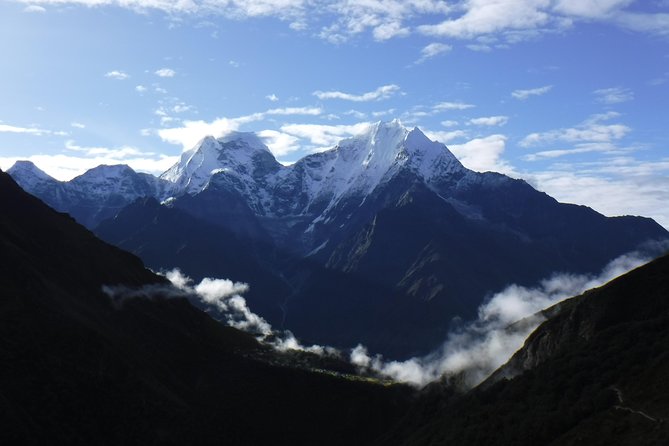
You’ll take the Gokyo trail through Mong La Danda. This section includes amazing views of Ama Dablam and Thamserku, and it’s also tied to a human story: the trail to this area was built by Pasang Sherpa using donations from trekkers. That matters because it turns the hike from just scenery into a small example of how local support shapes access.
From there, you descend to Phortse Thanga for lunch, and then climb again toward Dole. Between Phortse Thanga and Dole is your best chance for musk deer, so keep your eyes open and don’t rush every bend like you’re on a treadmill.
Dole to Machhermo: Crossing the Tree Line into Quiet Country
Day 5 takes you from Dole to Machhermo in about four hours on a gradual uphill path. You also get occasional sightlines, including the chance to see Mt. Cho Oyu after only about 15 minutes from Dole.
Along the way, there are small villages like Lafarma and Luza where you can rest. By the time you reach Machhermo, you’re above the tree line, and that changes everything—less cover, more sky, more direct exposure to wind.
Machhermo is quiet and near a river. That “quiet” is the point of the Gokyo Lakes route, and it’s one of the reasons many trekkers feel the views here can outshine the more crowded Everest Base Camp plan.
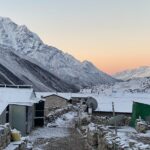
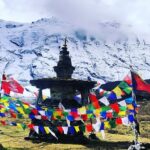
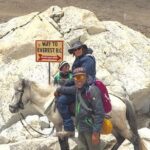
Gokyo Lakes and Ngozumpa Glacier: Blue Water With a Climate Reality
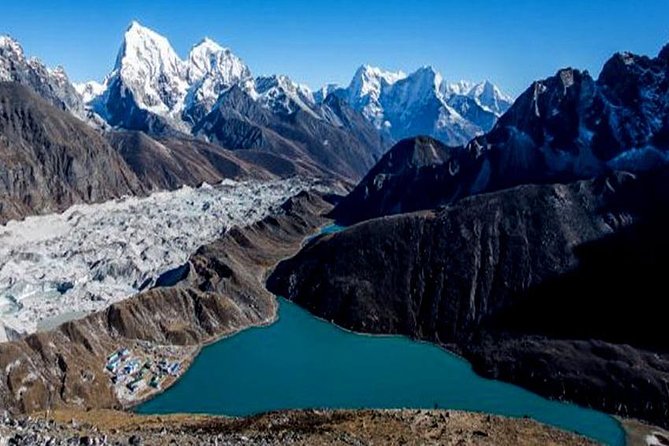
Day 6 is a highlight day, and it’s structured like one. After a tea stop in a village en route, you hike to the first lake about an hour later, then continue to the second lake after another hour.
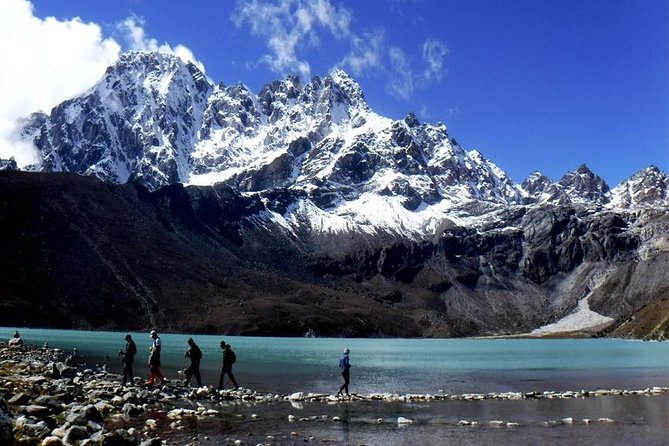
You reach the third lake about an hour after that. The lakes are described as mesmerizing with a blue-green hue, and you also get special views of Mt. Cho Oyu from the area around the third lake.
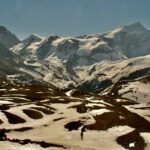
Then comes the glacier work. You have lunch at the lakes and walk up to the Ngozumpa Glacier, described as the longest glacier in Nepal and also one melting rapidly because of climate change. Even if you don’t know the science, the way this is framed makes the experience feel more urgent, not just pretty.
Finally, you move on to Gokyo Village for the night. It’s a good setup for what’s coming next, because the sunrise climb to Gokyo Ri starts early.
Gokyo Ri Sunrise: The Steep 600-Meter Climb and the 8,000-Meter Lineup
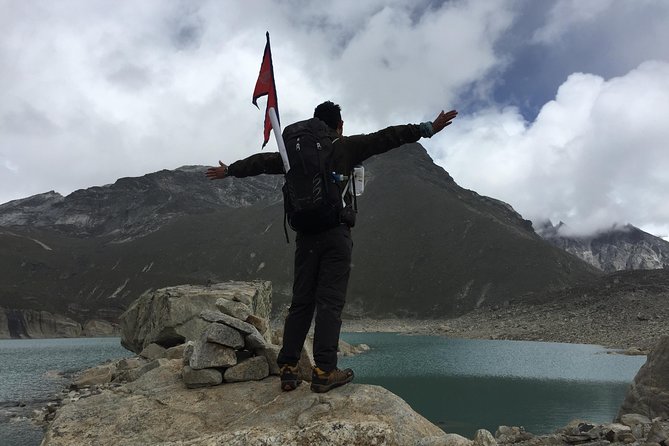
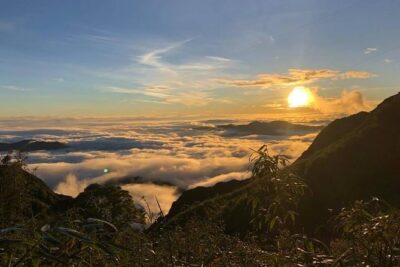
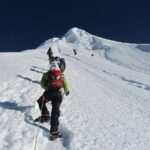
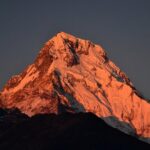
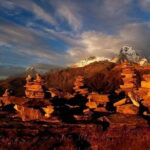
Day 7 starts early with the goal of reaching Gokyo Ri before sunrise. You’re looking at a steep 600-meter climb, and the payoff is timed for the best lighting on the peaks.
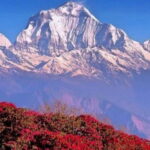
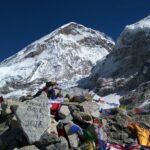
At the viewpoint you get a rare “stack” of major mountains in one glance: Everest, Cho Oyu, Lhotse, and Makalu are all in view from up high. It’s the kind of scene that makes your legs feel like they were worth it, even if you grumble a little on the way up.
After sunrise viewing, you head back to Gokyo village for breakfast. Then you trek to Machhermo for lunch and an overnight stay, which keeps the day from turning into a total endurance contest.
This is also where I’d plan your mental strategy: slow steps, steady breathing, and no hero pace. If you burn out here, you’ll feel it on the descent later.
Downhill Back to Namche: Suspension Bridges and the Return to Civilization-ish
Day 8 is a downhill day with a short climb. You head down toward Namche Bazaar, passing through Dole and taking a mostly downhill route with only about a 40-minute climb from Phortse Thanga to Mong La Danda.
Then you continue down through Kyanjuma and stop in Namche Bazaar for the night. This is a good time to slow down, explore, and handle small logistics like souvenirs and final purchases before you leave the Everest region.
The practical side: downhill can still wear out your knees. It’s easy to think “down is easy,” but loose footing and long steps still fatigue you.
Namche to Lukla: Final Views, Six Suspension Bridges, and Saying Bye to the Peaks
Day 9 brings your final descent toward Lukla. After breakfast with mountain views, you trek down for about half an hour while enjoying the last look at Everest, then you cross six suspension bridges and pass multiple Sherpa villages.
You’ll cross the highest bridge again on this return route, then walk another three hours to Phakding for lunch. The itinerary also notes arriving in Lukla after about 2.5 hours of trekking along the Sherpa settlement trail, so expect a full day of walking even if the scenery keeps shifting.
Your last night in the Himalaya is in Lukla, which feels like the end of a chapter. It’s also a good night to check your gear and make sure nothing important got left behind earlier.
Manthali Transfer and the Kathmandu Finish
Day 10 switches gears from trekking to transportation. You eat breakfast and then walk to Tenzing-Hillary airport to fly to Manthali in the morning, followed by a drive back to Kathmandu that takes about five hours.
This road transfer is part of the travel texture of Nepal: local villages along the way and more ordinary life after days of high-altitude stillness. You spend most of the day driving, so keep your energy for the final day rather than trying to do extra sightseeing too early.
Price and What You’re Really Paying For at $1,686.67
At $1,686.67 per person for a 10-day package, the value is mostly in logistics and support, not in flashy add-ons. Your included basics cover transportation to and from Tribhuvan Airport, a first aid kit, and service charge plus government taxes.
Meals are also part of the price: breakfast is included for 10 days, lunch for 10 days, and dinner for 9 days, plus a post-trek celebration dinner in Kathmandu. That’s meaningful on a trek where buying food can get inconsistent in remote villages.
What’s not included is where you’ll likely see extra spending: international airfare, personal expenses, shopping, and specific guest-house costs for showers and electronic charging. Alcoholic drinks plus tea and coffee are also not included, along with other small treats like chocolates.
So the honest math is this: you’re paying to have the trek run smoothly, while you still control the optional extras.
How the Team Shows Up: Reliable, Fun, and Actually Responsive
The strongest praise in the reviews isn’t about scenery (though there’s plenty). It’s about how the company handles the details and keeps people comfortable while moving through tough terrain.
I like that the office contact, Kishwor, is described as quick to reply to questions and professional in the planning. That kind of responsiveness matters in Nepal, where timing and small changes happen.
Guides also get high marks. People specifically mention Lhakpa as wonderful, reliable, and fun, with a sense of real care. Others mention Sarki Sherpa and Pemba for the guide team, and Sushant plus Prem for professional service and a smooth experience.
Even the behind-the-scenes side gets credit: pick-up and drop-off coordination around the airport, plus an itinerary that runs without drama. With a trek like this, that’s not a “nice-to-have.” It’s part of whether you feel safe and whether your time is respected.
Weather, Fitness, and the One-Day Decisions You Can’t Avoid
This trek requires good weather. That’s not a throwaway line; high-altitude travel changes fast, and conditions affect visibility and safety.
The package also flags a moderate physical fitness level. That doesn’t mean easy. It means the route is realistic if you hike regularly and can handle long days with altitude. The itinerary also includes the steep Gokyo Ri climb timed for sunrise, which is the day that tests both fitness and grit.
If you’re the type who needs to sleep in and wants a leisurely pace every morning, you might find the early start tough. If you’re okay with working a little, then the payoff is the view and the quieter route into the Everest region.
Should You Book This Gokyo Lakes and Gokyo Ri Trek?
I’d book this if you want serious Everest-area scenery but prefer fewer crowds than the classic Everest Base Camp vibe. The blend of Gokyo Lakes, the Ngozumpa Glacier walk, and a sunrise push to Gokyo Ri (5,357m) is a strong set of reasons to choose this route over a lot of other “Everest region” options.
You should also book it if you care about how the trip runs, not just where you end up. The repeated praise for reliable coordination—especially named support from Kishwor and guide teams like Lhakpa, Sarki Sherpa, and Pemba—signals that you’re not signing up for guesswork.
Skip it (or think hard) if you dislike early starts or you’re worried about steep climbs and changing weather. This package is built for people who can handle effort on purpose.
FAQ
How long is the Gokyo Lakes, Gokyo Ri Trekking Package?
It runs for about 10 days.
What is the highest point on this trek?
The highlight is Gokyo Ri (Peak) at 5,357 meters (17,575 feet).
What’s included in the price?
The package includes transportation to and from Tribhuvan Airport, a first aid kit, service charge and government taxes, and a post-trek celebration dinner in Kathmandu. Breakfast is included for 10 days, lunch for 10 days, and dinner for 9 days.
What’s not included?
International airfare, personal expenses and shopping, shower and electronic charging fees at guest houses during the trek, and alcohol plus chocolates, tea, and coffee are not included.
Is pickup offered?
Yes, pickup is offered.
Is there a limit on group size and a fitness expectation?
The maximum group size is 15 travelers, and the trip notes that you should have a moderate physical fitness level.
What happens if the trip can’t run due to weather or minimum travelers?
The experience requires good weather. If it’s canceled due to poor weather, you’ll be offered a different date or a full refund. If it’s canceled because the minimum number of travelers isn’t met, you’ll be offered a different date/experience or a full refund.