A plane hop to Everest starts it all. I love how this trek mixes Sherpa culture with real mountain effort, and I also like that guides such as Mr. Pratap are described as calm, patient, and supportive as altitude rises. The main drawback to plan for is simple: Lukla weather can delay flights, and the trip doesn’t cover evacuation or major flight changes for you.
You’ll hike in Sagarmatha National Park, a UNESCO World Heritage site, with short village days that still build stamina. The payoff is a sunrise climb to Kalapatthar (around 5,555m), with views of Mount Everest, the Khumbu Glacier, and the Khumbu Icefall, then a long descent for recovery.
This is a good fit if you have moderate physical fitness and you want an organized trek with a licensed guide. Just don’t assume you’ll be carried: there’s no included porter, so your packing plan matters.
In This Review
- Key points to know before you go
- From Kathmandu to Lukla: your flight day sets the tempo
- Phakding to Namche Bazaar: stepping into Sagarmatha National Park
- Everest View Hotel and Khumjung Gompa: where the culture is not an add-on
- Tengboche to Dingboche via Pangboche: temples, villages, and bigger air
- Nangkartshang Peak acclimatization: the smartest 2 hours you’ll walk
- Lobuche, Gorekshep, and the Everest Base Camp helipad: your main goal day
- Kalapatthar sunrise and the descent to Pheriche: the views cost effort
- The return trek to Namche, then Lukla and Kathmandu: finish strong
- Price and Logistics: what $1,940 covers, and what you must still budget
- Guide and Sherpa support plus camp comfort: the human side of the trek
- Should you book this Everest Base Camp trek?
- FAQ
- How long is the Everest Base Camp trek?
- Where does the trek start and end?
- Are flights to and from Lukla included?
- What is the luggage weight limit for the flights?
- Is Sagarmatha National Park and TIMS paperwork included?
- What meals are included during the trek?
- What accommodation will I have on the trek?
- Will altitude health checks be available?
- Can I request vegetarian or gluten-free food?
Key points to know before you go
- Lukla flights are built in, with a clear weight limit (10 kg main bag, 5 kg hand per person).
- Altitude support is part of the package, including a first-aid kit with an oximeter to measure oxygen and pulse.
- Permits and TIMS are handled for you, so you don’t have to chase paperwork on arrival.
- Meals and hot drinks are included on trek days, plus cookies and fresh fruit snacks.
- Warm trekking gear can be provided if you need it, including down jackets and a sleeping bag.
- Guide structure keeps you safe, with a government-licensed English-speaking guide and a Sherpa assistance guide if your group is larger than 6.
From Kathmandu to Lukla: your flight day sets the tempo
Your trip starts with air travel from Kathmandu to Lukla, billed as a short scenic flight and the gateway into the Everest region. You’re also covered for the return flight from Lukla back to Kathmandu, so you’re not stuck planning the logistics while tired and altitude-slow.
This is where you should manage expectations. Lukla is famous for changing weather, and even with a well-run plan, delays happen; one guide on past departures has handled grounded days by adjusting the hiking schedule and layering in acclimatization hikes when possible. Still, if your flight is canceled, keep in mind that charter flights or helicopter options are not included—so your own travel insurance (and evacuation coverage) is not optional.
A practical detail that affects how you pack: the flight weight limits are 10 kg for main baggage and 5 kg for hand baggage per person. If you routinely travel with heavy cameras, bulky snacks, or extra shoes, I’d rethink that now so you don’t scramble at the airport.
You can also read our reviews of more tours and experiences in Kathmandu.
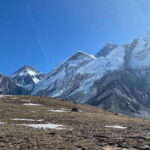
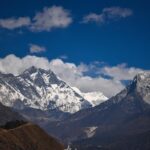
Phakding to Namche Bazaar: stepping into Sagarmatha National Park
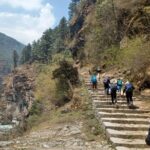
After landing in Lukla, you trek on to Phakding, then continue toward Namche Bazaar through Sagarmatha National Park. The early days are designed to get you moving without overwhelming you, with a typical first trekking stretch around 4 hours, followed by a longer walk toward Namche (about 6 hours on the route).
Namche Bazaar is a key moment because it’s where the trek starts to feel less like hiking and more like living in the Khumbu rhythm. You’ll be at village altitude, surrounded by Sherpa communities, with the UNESCO park setting acting like a constant backdrop.
One thing I like about this routing is that it doesn’t try to jump straight to high altitudes. It gives you time to settle in, and it sets you up for later acclimatization. The drawback: these days still mean steady uphill walking, so take the effort seriously even if the sightseeing is friendly.
Everest View Hotel and Khumjung Gompa: where the culture is not an add-on
Instead of treating culture as a side quest, this trek includes a day trip that hits Everest View Hotel, Khumjung Village, and Khumjung Gompa (around 5 hours total). You’re combining mountain views with a human-scale look at Sherpa life and religious sites.
This matters because Everest isn’t only a summit story. It’s a living region where community, spirituality, and daily work coexist with the hiking trail. When you have structured time for Khumjung Gompa and the village stop, you’re more likely to notice the details instead of rushing past them.
A possible consideration: this day is still time on your feet, just organized differently than a pure trekking day. If you’re sensitive to fatigue early on, pace your walking inside the day trip and keep hydrated.
Tengboche to Dingboche via Pangboche: temples, villages, and bigger air
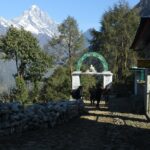
From Namche, you head onward toward Tyangboche (often spelled Tengboche), then continue through Pangboche Village on the way to Dingboche. The route places a strong emphasis on viewpoints, including an amazing view day when you reach the Tengboche area.
These are classic “Khumbu village to village” walking days, typically around 5 to 6 hours. That kind of day is a sweet spot: long enough to feel like you’re earning altitude, but not so long that you’re shattered before the acclimatization block.
Why I think this segment works: it breaks your trek into understandable chunks. You climb, you settle in a village, you move again. The drawback is that the air thins, and even when the elevation climb doesn’t look dramatic on paper, your body will notice it. You’ll feel it most on the harder slopes and late in the day.
Nangkartshang Peak acclimatization: the smartest 2 hours you’ll walk
On the acclimatization day at Dingboche, you hike up toward Nangkartshang Peak (around 5,615m). This climb is short on duration (about 2 hours), but the purpose is clear: help your body adapt before the higher push.
I like this structure because it’s active, not passive. Instead of an entire rest day with “nothing to do,” you get a guided acclimatization hike that helps you learn how your breathing and pacing feel at higher altitude.
There’s also practical support built into the trek: the first-aid kit includes an oximeter to measure oxygen and pulse. That doesn’t replace good pacing or hydration, but it’s reassuring when altitude starts messing with your sense of effort.
Possible drawback: even a short acclimatization hike can feel harder than expected. Keep the pace comfortable and don’t turn it into a speed event just because the time looks small.
Lobuche, Gorekshep, and the Everest Base Camp helipad: your main goal day
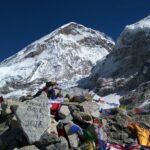
As you move toward Lobuche via Thulkla (about 5 hours), the trek starts bending toward the “close to Everest” feel: more exposure, more focus, and less margin for wasted energy. Then you reach the Gorekshep area and continue to Everest Base Camp and the Everest Base Camp helipad area, with Kalapatthar included in this big-day mix (about 5 hours on the schedule).
This is the day you’ll remember when people ask if the trek was worth it. Everest Base Camp is a powerful place, not only for the name, but because you finally get to stand in the zone where the expedition world meets the real high-altitude environment.
The tradeoff is that the day stacks multiple highlights into one push. You may not get long breaks, and you’ll likely feel the altitude in your legs more than you expected. My advice: treat this day like a mission, not a marathon. Walk steady, keep your energy for the key moments, and accept that “quick photos” take less time than you think.
Kalapatthar sunrise and the descent to Pheriche: the views cost effort
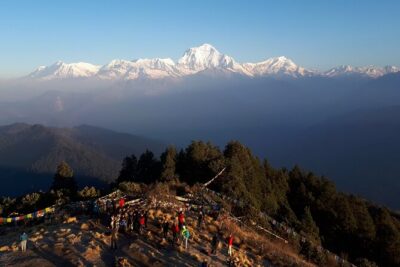
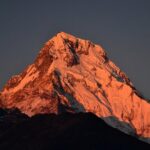
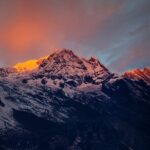
One of the strongest reasons people choose this trek is the sunrise climb to Kalapatthar. You’ll head up for about 2 hours to catch the morning view, with sights listed to include Mount Everest, the Khumbu Glacier, and the Khumbu Icefall. Then you descend all the way to Pheriche, for a longer day overall (about 7 hours).
This segment is usually where the trek turns emotional. You’re up early, the air is thin, and the climb can feel steeper than expected because you’re moving when you’d rather be sleeping. But the reward is specific: a timed viewpoint that’s designed for maximum visibility and maximum payoff.
Here’s what I’d plan around: sunrise climbs can make timing feel tight, so don’t wait until the last minute to get ready. Bring layers you can manage fast, and keep snacks simple so you’re not rummaging while the light changes.
When you finish and start descending to Pheriche, you finally get the benefit of gravity. Still, keep moving carefully—going down for hours can be just as tiring for your knees and feet.
The return trek to Namche, then Lukla and Kathmandu: finish strong
After the sunrise day, the trek turns into a retrace and recovery rhythm. You walk from Pheriche back to Namche Bazaar (about 7 hours), then continue onward to Lukla (about 7 hours). Finally, you fly Lukla back to Kathmandu in about 30 minutes.
I like return routes like this because they let you experience the region twice—outbound when you’re focused on acclimatization and inbound when you’re more settled. You’ll also recognize trail sections you were unsure about earlier, which makes the navigation mentally easier.
The downside is fatigue. By the time you’re walking back toward Lukla, you’re dealing with long hours and the lingering effects of altitude days. That’s also when people start rushing because the finish line is close.
My practical advice: keep your pacing calm on the last hiking days. If you need to stop more often for hydration or short breaks, do it. The goal is to arrive feeling accomplished, not wrecked.
Price and Logistics: what $1,940 covers, and what you must still budget
At $1,940 per person for a 12-day Everest Base Camp trek, the value comes from the parts that usually cost you real effort to arrange: internal flights, permits, guide staffing, and the day-to-day trek support. You’re not just paying for walking. You’re paying for a full system that includes Sagarmatha National Park trekking permits and TIMS, airport pickup and drop-off, and the guide team’s insurance and equipment.
Included highlights that matter on the ground:
- Flights included: KTM to Lukla and Lukla to KTM, with the stated weight limits.
- Meals on trek days: breakfast, lunch, dinner, plus tea and coffee in a cup each meal.
- Gear support if needed: down jackets, a sleeping bag, and a duffle bag for trekking.
- Accommodation: twin-bed private accommodation with shared toilet.
- Health gear: first-aid kit with an oximeter for oxygen and pulse checks.
- Trekking essentials: a trekking map for the group, and snacks like cookies and fresh fruit.
What you should expect to pay for separately:
- Mineral water and personal items like phone calls.
- Hot shower and laundry.
- Tips for the guide and porter (porters are not included here).
- International airfare, visa fee, and airport departure tax.
- Travel insurance and evacuation coverage.
- If flights cancel, charter helicopter or plane costs aren’t covered.
This is also where I’d be careful with the “no porter included” detail. If you’re planning to carry your own load the whole way, pack like a minimalist. If that sounds stressful, consider arranging porter support separately so you can focus on pacing and safety.
Guide and Sherpa support plus camp comfort: the human side of the trek
This package is staffed with a government-licensed English-speaking local guide, plus a Sherpa assistance guide if your group size is more than 6. That structure matters because Everest trekking is a long chain of small decisions: pace, hydration, route timing, and altitude awareness.
What I really like in the support approach is the combination of calm guidance and practical monitoring. In past experiences linked to this trek, guides have been praised for patient communication early on and for staying on top of oxygen monitoring using the provided oximeter. Others have been praised for flexibility when weather disrupts Lukla flight plans.
Comfort is handled in a straightforward way. You get private accommodation with twin-bed sharing and a shared toilet, plus warm gear support if you need it. What you won’t get (as part of the inclusions): hot showers.
If you’re vegetarian or need gluten-free meals, the trek notes that vegetarian options are available and gluten-free foods can be arranged if you request it at booking. That small planning step can make a big difference when you’re tired and hungry.
Should you book this Everest Base Camp trek?
Book it if you want a guided Everest Base Camp trek that takes care of the heavy logistics: Lukla flights, permits, meals, basic gear support, and altitude monitoring tools. It’s also a good choice if you prefer a private group feel and want a team that keeps the plan moving even when weather makes things messy.
Think twice if you’re not ready to travel with the weight limits, carry your own load without a porter included, or you don’t already have evacuation-ready travel insurance. The trek is rewarding, but it asks you to show up prepared for altitude and for Lukla’s weather reality.
If you match that mindset, you’ll likely leave with what you came for: big Everest views, a strong cultural thread through Sherpa villages and gompas, and a trek that feels organized enough to let you focus on the mountains.
FAQ
How long is the Everest Base Camp trek?
The trek runs for 12 days approximately.
Where does the trek start and end?
It starts in Kathmandu, and it ends back in Kathmandu after flying from Lukla.
Are flights to and from Lukla included?
Yes. Air ticket KTM to Lukla and Lukla to KTM are included.
What is the luggage weight limit for the flights?
The weight limit is 10 kg for main baggage and 5 kg for hand baggage per person.
Is Sagarmatha National Park and TIMS paperwork included?
Yes. Necessary paperwork and trekking permits for Sagarmatha National Park are included, along with a TIMS card.
What meals are included during the trek?
Three times meals (breakfast, lunch, dinner) are included during the trek, along with tea and coffee in a cup each meal. Supplementary snacks like cookies and fresh fruits are also included.
What accommodation will I have on the trek?
You’ll have private accommodation with twin-bed sharing and a shared toilet.
Will altitude health checks be available?
Yes. The first aid medical kit includes an oximeter to measure oxygen and pulse in high altitude.
Can I request vegetarian or gluten-free food?
Yes. Vegetarian option is available if you advise at booking, and gluten-free foods are listed as available.