REVIEW · GOREME
Trekking in Cappadocia (4 days)
Book on Viator →Operated by Overland Travel Trekking · Bookable on Viator
Cappadocia looks unreal until you walk it. This private 4-day trekking tour is a practical way to see real valley life in Göreme and beyond, from Red and Rose Valley to Ihlara Valley, with a guide and a comfortable, air-conditioned transfer between days. I like that you get hassle-free pickup and a guide who helps you navigate on foot, and I also like that meals are included so your day stays simple. One consideration: you’ll be walking moderate distances most days, so you’ll want decent stamina and shoes that are ready for rocky, uneven ground.
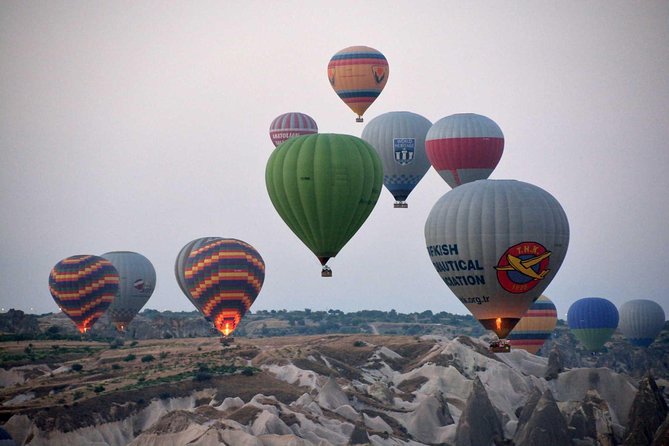
Because it’s private, you’re not stuck moving at someone else’s pace. You can keep the hiking steady, ask questions as you go, and focus on the scenery, cave dwellings, and canyon-style views without the chaos of a big group. The tour can also include time for hot air balloon watching, and a balloon ride can be arranged for an extra price if you want the full Cappadocia cliché—in the best way.
In This Review
- Key things I’d mark on your planning checklist
- Why Göreme is the smart base for 4 days on foot
- Price and logistics: what $2,775.46 per person really covers
- Your day-by-day trekking plan, explained like a local friend
- Day 1: Red & Rose Valley to Pasabag via Cavuşin (about 15 km)
- Day 2: Zemi and Pancarlık (about 19 km)
- Day 3: Pigeon Valley and White Valley (about 14 km)
- Day 4: Ihlara Valley (about 16 km)
- Hot air balloon watching and optional ride
- Food and energy: why included meals are a big deal
- Comfort between hikes: the air-conditioned vehicle advantage
- Who this trekking tour is best for (and who should skip it)
- What I’d watch for before you book
- Should you book this Cappadocia trekking tour?
Key things I’d mark on your planning checklist
- Private group trekking across multiple valleys, with a guide to keep the route feeling doable
- Daily walking distances that range from about 14–19 km, so you should train a little before you go
- Included meals (breakfast, lunch, dinner) that make long valley days easier to manage
- Air-conditioned vehicle transfers between hikes, not just a long slog with no breaks
- Hot air balloon watching, with an optional ride on request for extra cost
Why Göreme is the smart base for 4 days on foot
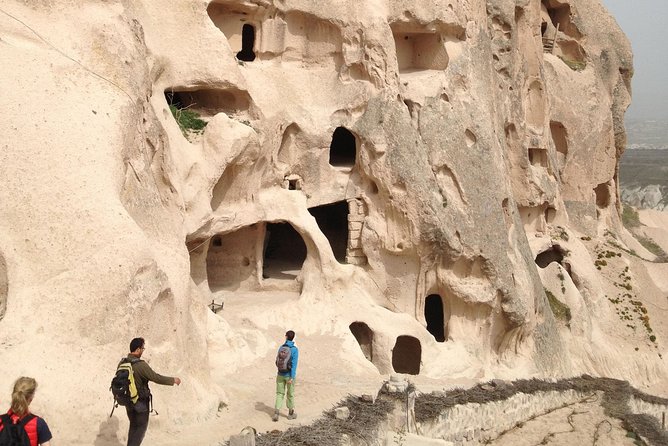
Göreme is where many first-time visitors start, and for hiking, that matters. You’re close to the valley trails, and you can organize your days around what the land will give you—sun angle, valley light, and the kind of footing you want. This tour is built around that idea: you spend your time walking the terrain and caves, while transfers handle the “getting from A to B” part.
What also helps is that you’re not carrying the whole trip on your own. You get pickup offered and you move in an air-conditioned vehicle, which sounds small until you’re doing it after a long morning hike. Turkey’s summer heat can be sneaky. Even in shoulder seasons, the valley temperatures and wind can change quickly. Having comfort waiting for you after your walking time keeps you from turning “one more viewpoint” into “why am I doing this?”
Finally, the tone of the trek is practical. The itinerary is laid out as multi-valley days—so you don’t spend hours transferring and you don’t spend each day repeating the same trail. You get a better feel for how Cappadocia works: rock formations, cave dwellings, and that winding “valleys connect to valleys” system.
You can also read our reviews of more tours and experiences in Goreme.
Price and logistics: what $2,775.46 per person really covers
Let’s talk value, because this price is not small. The upside is what’s included: air-conditioned vehicle, all fees and taxes, and meals (breakfast, lunch, dinner). That’s a big chunk of day-to-day costs on a trekking trip, and it reduces the awkward budget math where you start subtracting meals or transportation at the last minute.
The main item not included is hotel accommodation. So the real all-in number depends on your lodging choice (or whether you ask the provider to organize one). The tour does say hotel accommodation can be organized on request, and one experience mentions a boutique cave hotel choice such as Alba Cave Hotel. That’s useful because cave hotels in the area vary a lot—some are charming, some are just convenient, and some are both. If you’re trying to keep your planning simple, asking for help may be worth it.
Another logistics note that affects your day: you’ll be using a mobile ticket, and confirmation happens within 48 hours (subject to availability). That’s helpful if you’re booking close to departure, but it also means you should avoid waiting until the last minute to sort out anything else—like your flight timing and your shoe choice.
Also, the experience is private. That can be a major value boost if you’re a couple, a small group of friends, or a family that wants flexibility. Even when the per-person price is higher, private means you can slow down, ask more questions, or take a short detour if the views are doing something special.
Your day-by-day trekking plan, explained like a local friend
This trek is about “walking between worlds.” You’ll go through valleys with different vibes—some are open and long-lined, some feel more sheltered, and some bring you down toward river-carved terrain. Expect hidden valleys, cave dwellings, and a mix of canyon-style scenery and river views as the days progress.
Day 1: Red & Rose Valley to Pasabag via Cavuşin (about 15 km)
Day 1 starts with a classic pairing: the Red and Rose Valley area, then on to Pasabag, with a route passing Cavuşin. This is a strong first day because it gives you visual variety right away. The valleys feel like a natural gallery—rock shapes, changing colors, and that Cappadocia look that never really stops looking like Cappadocia.
Why it works: Red and Rose Valley hikes help you understand the rock “language” of the region—soft layers, carved shapes, and the way the terrain guides you. Then bringing in Pasabag early is smart because you get a clear reference point for what the famous fairy-chimney area is all about. If you’re the type who likes to connect viewpoints to context, day 1 will satisfy you quickly.
A drawback to plan for: day 1 is close to the longer end of the trip distances. If you’re coming in from travel that morning, pace yourself for the first 2–3 hours. Your legs will thank you later.
Day 2: Zemi and Pancarlık (about 19 km)
Day 2 is the “big walking day” on the schedule at 19 km, and it’s built around Zemi and Pancarlık. This is where you start to feel how much “valley travel” is really about movement—long enough to earn your views, but broken up by guide-led stops and changing terrain.
Zemi and Pancarlık are popular for a reason: the terrain tends to feel more “lived in” than the fastest-hit tourist stretches. You’ll likely notice how cave dwellings and old paths shape daily movement through the rock. That’s also the day where having a guide matters most. A good guide helps you read the land so you don’t feel like you’re just following tracks.
Based on experiences shared about guides such as Tolga and Fatih, the storytelling part can be strong—history and meaning attached to what you’re seeing. That turns “another valley” into something you remember as more than scenery.
If there’s a consideration here, it’s simple: bring water planning seriously. With long distances, you want to avoid starting the hike under-hydrated.
Day 3: Pigeon Valley and White Valley (about 14 km)
Day 3 shifts to Pigeon Valley and White Valley for about 14 km. This looks shorter on paper than day 2, but don’t assume it’s “easy.” Pigeon Valley hikes can feel intense because of the terrain character and the way you pause for views. White Valley often brings different rock tone and a more open feel, which can refresh your eyes after the first two days.
This is the day I’d aim to be curious, not just efficient. If you like to spot cave traces, rock churches, or areas where settlements grew, day 3 is when your attention usually sharpens. You’re also at a point where your body’s rhythm is set—so you can start enjoying the walk instead of just managing it.
If you’re someone who likes “photo stops but not standing around,” this day’s length tends to work well. You get meaningful walking time without turning the schedule into all-afternoon delays.
Day 4: Ihlara Valley (about 16 km)
Day 4 is the payoff day for river-carved scenery: Ihlara Valley at about 16 km. Ihlara is famous for the canyon-like feel, plus caves and a trail that feels like it’s built into the earth. If your previous days were about learning the terrain and rock forms, day 4 is about experiencing the land’s longer story—how water shaped the valley over time.
This day also matters because you’ll likely feel the cumulative hiking in your body. That doesn’t mean you’ll suffer, but it does mean you should listen to your pace. The guide can help you keep the walking steady and adjust breaks to your group.
One nice element: the tour description also mentions trekking to watch hot air balloons, and that’s often tied to early starts. Even if you aren’t doing a balloon ride, day 4’s overall scenery pairs well with balloon “memory moments”—the shapes you see from above are often easier to connect to what you’ve walked once you’ve done a few valleys first.
Hot air balloon watching and optional ride
Cappadocia and balloons are basically the same story told two ways. This tour notes balloon watching as part of the trek and says a balloon ride can be organized on request with an extra price.
My advice: if balloons are on your bucket list, don’t treat it like a maybe. Request it early so it can be coordinated with weather and timing. If you’re flexible, you can also enjoy the balloon shapes from the ground and still get the full “wow” factor—without adding another early morning commitment.
Also, balloon weather is real. If conditions aren’t right, your day can shift. The tour’s terms also say the experience requires good weather, and if it’s canceled due to poor weather, you’ll be offered a different date or a full refund. That’s one of those practical details that matters more than it sounds, because Cappadocia is weather-sensitive.
Food and energy: why included meals are a big deal
This is not a “bring your own snacks and figure it out” type of trek. You get breakfast, lunch, and dinner included. That’s a major quality-of-life upgrade, especially on multi-day valley walking where food timing can make or break your energy.
On long hiking days, lunch needs to be more than a quick bite. It should be something that helps you keep going, not just something you can stuff in your pocket. Dinner also matters because it’s your recovery plan. After 14–19 km days, you want a real meal—not another decision.
If you’re trying to keep the trip simple, this setup helps you stay focused on the walk instead of constantly calculating calories, costs, and where you’ll eat.
Comfort between hikes: the air-conditioned vehicle advantage
The tour includes an air-conditioned vehicle. That might not sound exciting, but it is one of the most practical parts of a trekking trip. Valleys can be windy, and heat can build fast. After you’ve spent hours on uneven ground, comfort matters.
It also affects your group dynamics. When transfers are comfortable, you’re less likely to turn the trip into a cranky, dehydrated contest of who can tolerate discomfort the longest.
One more detail: the tour offers pickup, and you’re described as near public transportation. That means you’re not stranded if you need a backup plan, but it also suggests you shouldn’t overthink it—you’re meant to be picked up and moved efficiently.
Who this trekking tour is best for (and who should skip it)
This is best for you if you want a private trekking experience, you enjoy walking through multiple valleys, and you like having a guide to keep the route smooth and the story clear. It also fits well if you’re planning a first serious Cappadocia trekking trip and you don’t want to piece together transportation and meal plans.
It’s not ideal if you’re hoping for a casual stroll. The schedule includes daily distances around 14–19 km, and you’re advised to have moderate physical fitness. If your idea of fitness is walking from a hotel to a restaurant, you’ll likely feel it by day 2.
If you’re traveling with limited hiking experience but you train a bit beforehand, you might still be okay. Just be honest about your shoes, your hydration habits, and how you handle uneven ground.
What I’d watch for before you book
A few practical points can make or break your experience:
- Weather matters: the tour notes good-weather requirements, and poor conditions can trigger date changes or a full refund offer.
- Shoes and pace: you’ll be on valley trails with rocky footing. Plan for traction.
- Hotel is separate: accommodation isn’t included, but you can request help organizing it. If you care about cave hotels, mention that.
- Optional balloon ride: if you want it, request it early so you can align it with the trek.
And because this is private, your group’s preferences matter. If you want more history stops, ask for that. If you want fewer stops and faster walking, your guide can usually adjust. That flexibility is a real reason private trekking costs what it costs.
Should you book this Cappadocia trekking tour?
If you want a well-paced, multi-valley hiking experience without spending your days on logistics, I think this tour is a strong choice. It gives you a full 4-day structure with guide-led walking, comfortable air-conditioned transfers, and meals included—the three things that make trekking enjoyable instead of stressful.
Book it if you’re comfortable with moderate fitness and you can handle 14–19 km walking days. I’d also book it if you care about seeing more than the headline spots, since the route ties together valleys like Red and Rose, Pasabag, Pigeon and White, and finally Ihlara.
Skip or reconsider if you want a lighter, shorter trek, or if you don’t want to plan around weather and balloon timing. In Cappadocia, the land runs the schedule. If you’re okay with that, this tour feels built for people who want to walk the real terrain—then recover like a civilized human afterward.