REVIEW · POKHARA
Pokhara: 4-Day Beautiful Ghorepani Poon Hill & Ghandruk Trek
Book on GetYourGuide →Operated by Welcome Nepal Treks P.Ltd · Bookable on GetYourGuide
Sunrise at Poon Hill is a must. On this 4-day hike from Pokhara, you get Poon Hill sunrise plus real village life along the Annapurna trail, not just a viewpoint stop. I especially like the way the route mixes steady climbing with big mountain payoffs, and I also like walking through places like Ulleri’s Magar village where the scenery has people in it. One drawback to plan for: mountain weather can cut the views, so be ready for clouds and shifting conditions.
The best part, though, is how the trek runs day to day with an English-speaking guide. Guides such as Padam and Tonka/Tanka are known for adapting pace, answering questions, and making sure you’re eating and drinking enough to keep moving. Still, this is not a stroll. It’s a true “earned views” trek, so if you’re new to hiking, take it slow and let your guide do the time-and-energy math.
In This Review
- Key highlights you’ll notice right away
- Price and value: what $200 per person really covers
- The route’s shape: short days with real climbing
- Day 1: Pokhara pickup, Birethanti starts, and Ulleri village nights
- Day 2: stone steps, Annapurna and Fishtail views, then Ghorepani
- Day 3: Poon Hill sunrise, then rhododendron trails to Tadapani
- Day 4: Ghandruk’s thatch-and-slate village streets and Annapurna South views
- Guides, pace, and small comforts that change everything
- Teahouses and meals: plan for buying your food
- Views and weather: why flexibility is part of the bargain
- Packing for a short trek that still asks a lot from your body
- Who should book this trek—and who should skip it
- Should you book this Ghorepani Poon Hill and Ghandruk trek from Pokhara?
- FAQ
- FAQ
- How long is the Pokhara to Ghorepani Poon Hill & Ghandruk trek?
- Where does the trek start from?
- What does the trek include each night?
- Are meals included during the trek?
- Is a guide included, and what language do they speak?
- Are permits and taxes included?
- Do I need a porter service?
- What travel documents do I need?
- Who is the trek not suitable for?
Key highlights you’ll notice right away
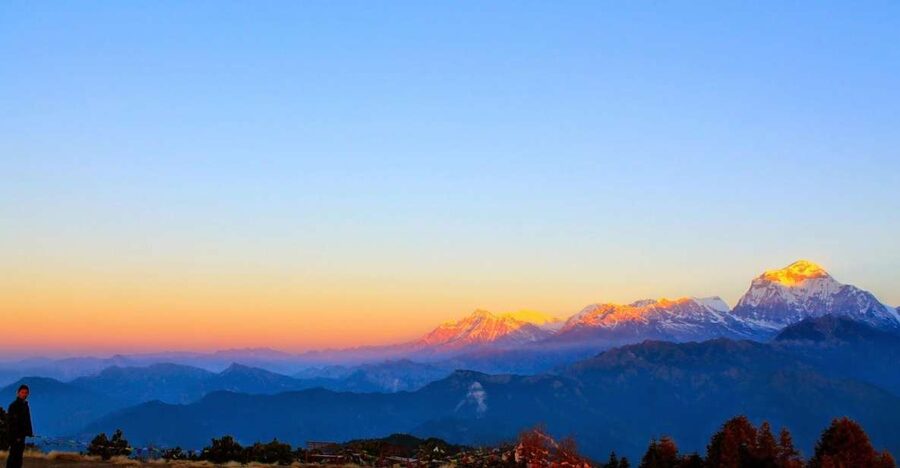
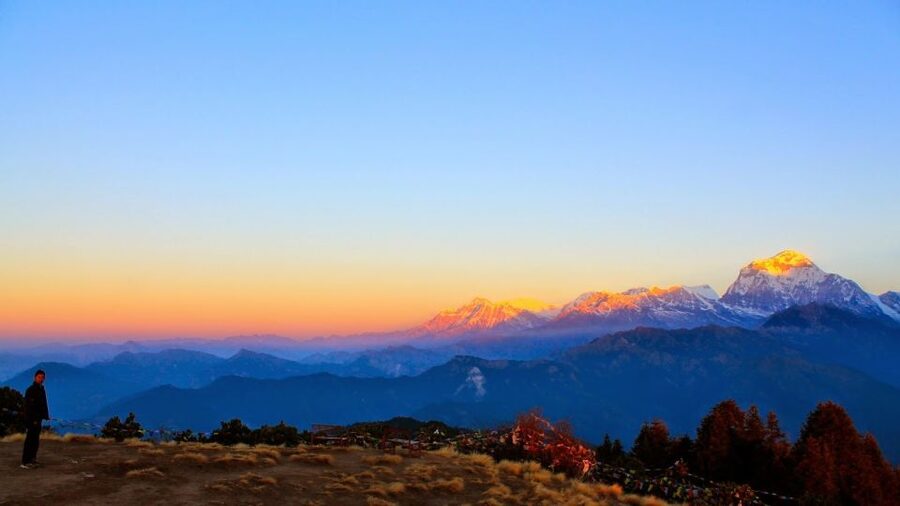
- Poon Hill sunrise over roughly 15 peaks with a serious wow factor
- Village days in Ulleri and Ghandruk, with daily-life trekking along the Annapurna route
- Stone steps and alpine forest climbs that feel classic (and a little tough)
- Rhododendron forest walking on the way from Ghorepani toward Tadapani
- Big-valley and Himalayan viewpoints timed into morning and midday breaks
- Teahouse lodge stays with warm-water comfort that makes nightfall easier
Price and value: what $200 per person really covers
At $200 per person for 4 days, this trek is priced like a “guided mountain plan” instead of a do-it-yourself hike. What’s included matters: hotel pickup and drop-off, all ground transportation, a guide, permits and taxes, and 3 nights in trekking accommodation are all part of the package.
You also get a first-aid kit and water purification tabs. That’s not glamorous, but it’s practical when you’re walking every day and relying on tea-house stops for essentials.
Meals during the trek are not included, so you should plan on buying breakfast, lunch, and dinner along the way. If you prefer traveling with minimal logistics and you’re okay handling your own food budgeting, the value is strong. If you want meals fully packaged, you’ll need to adjust expectations or pair this with a different plan.
You can also read our reviews of more tours and experiences in Pokhara.
The route’s shape: short days with real climbing
This trek is short by Himalayan standards, but it still climbs. You’ll spend hours walking uphill, then you’ll descend again, which keeps the days interesting and never feels like one long grind.
A useful way to think about it: you’re not just hiking “from A to B.” You’re moving through small settlements and teahouse communities, so you’re constantly switching between effort, breaks, and viewpoints.
The timing also helps. Most days include a clear moment where the trail turns into a view—Ulleri early on, Ghorepani later, Poon Hill sunrise on day three, and Ghandruk on day four.
Day 1: Pokhara pickup, Birethanti starts, and Ulleri village nights
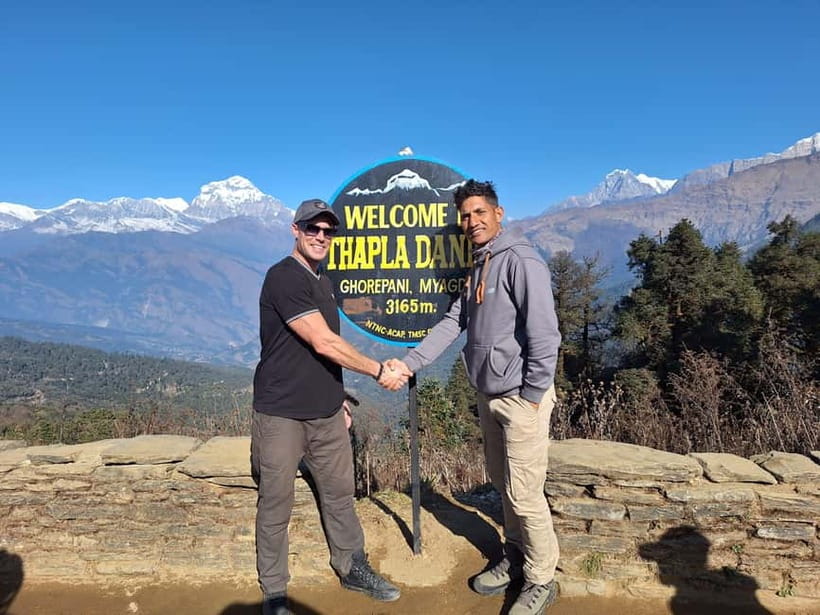
Your trek begins with pickup from your Pokhara hotel. Then you drive about an hour to Birethanti, where the hiking starts. From there, it’s uphill through teahouses and sweeping views as you work your way toward Ulleri, reaching the Magar village after about two hours of ascent.
I like day one for two reasons. First, it’s a gentle “get your legs working” start. Second, you’re not dropped into the high drama right away—you ease into the rhythm of the Annapurna trail and start meeting the places that make the walk feel human.
Practical note: this first climb sets your pace. If you rush it, you’ll feel it later. Let your guide steer the tempo, and treat the early village stop as a reset, not an end point.
Day 2: stone steps, Annapurna and Fishtail views, then Ghorepani
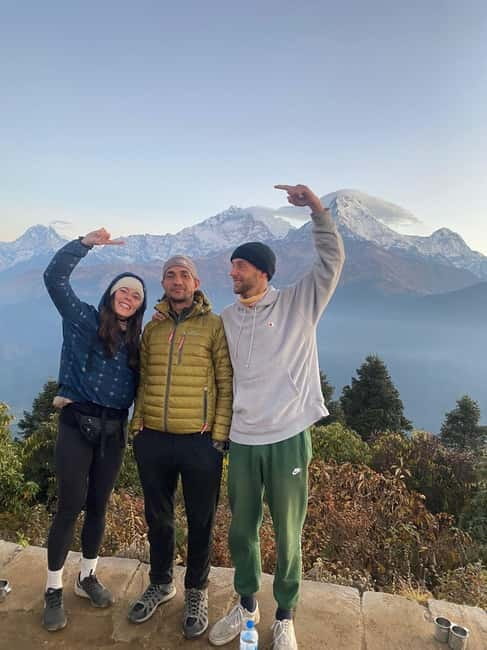
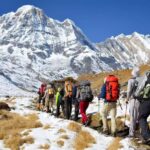
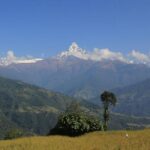
Day two is the “workout day,” in a good way. You start with around two hours of stone steps, and the trail keeps turning upward. As you ascend into an alpine forest, you get panoramic views including Annapurna and Mt. Fishtail.
You’ll stop at teahouses along the route. That matters more than it sounds, because it breaks up the effort and gives you a chance to drink, stretch, and adjust layers before the final push into Ghorepani. You reach Ghorepani after about six hours of trekking.
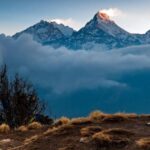
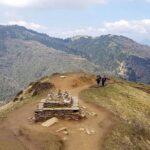
One standout moment is the viewpoint feel at Ghorepani. You’ll get views described as looking into the world’s deepest valley, which is the kind of sight that makes the steps feel worth it—especially if the light is right.
Day 3: Poon Hill sunrise, then rhododendron trails to Tadapani
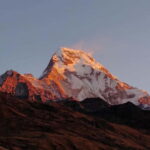
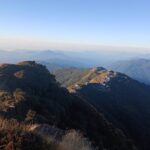
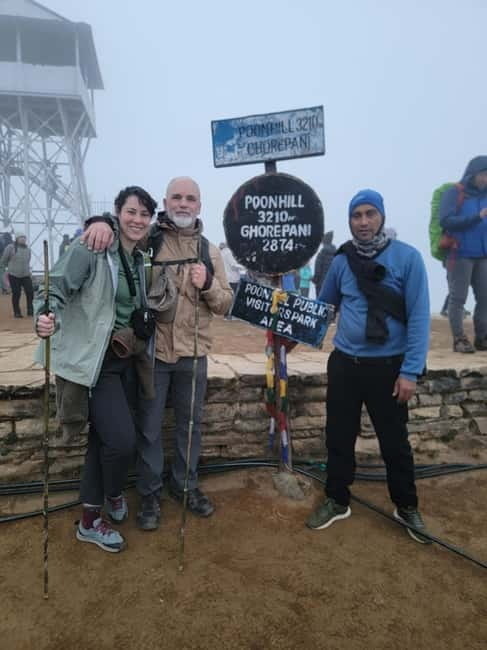
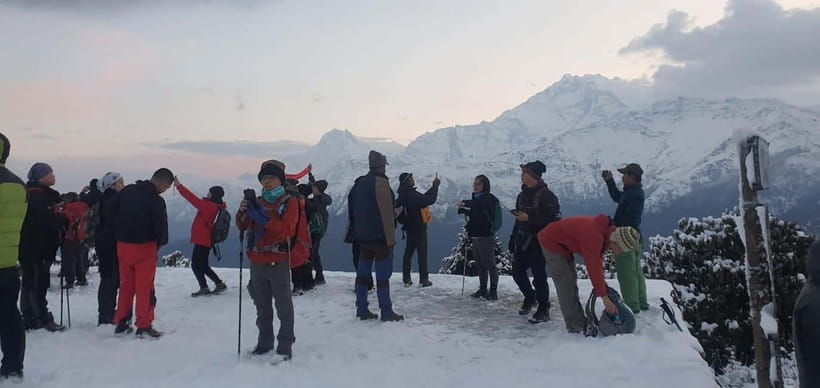
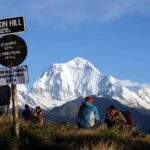
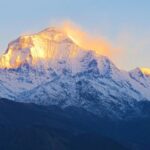
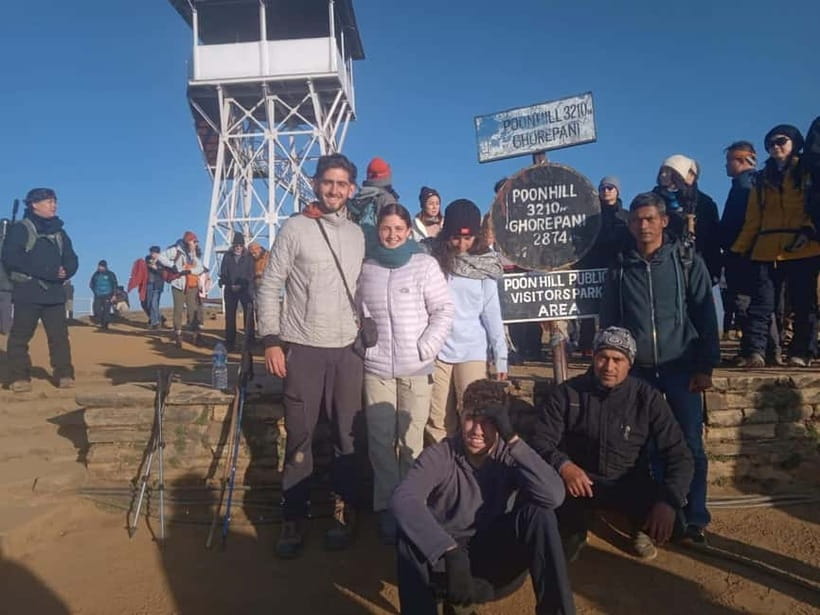
This is the day you plan around the early morning. You wake up to watch sunrise from Poon Hill, where the sun rises over roughly 15 mountain peaks. Even if clouds show up some days, this is the core payoff: mountain silhouettes shifting as the day warms up.
After sunrise, the route takes you back down toward Ghorepani. Then you continue on the trail that cuts through a rhododendron forest, crosses mountain ridges, and heads to Tadapani for the night.
I like this day because it’s not just “peak viewing.” You also get forest walking and ridge transitions, which change the feel of the trek from rocky climbs into something more textured and varied.
If you care about photos, this is where the timing and patience matter. Don’t treat sunrise like a single click. Let your guide confirm when the sky is behaving and give yourself a little time for framing.
Day 4: Ghandruk’s thatch-and-slate village streets and Annapurna South views
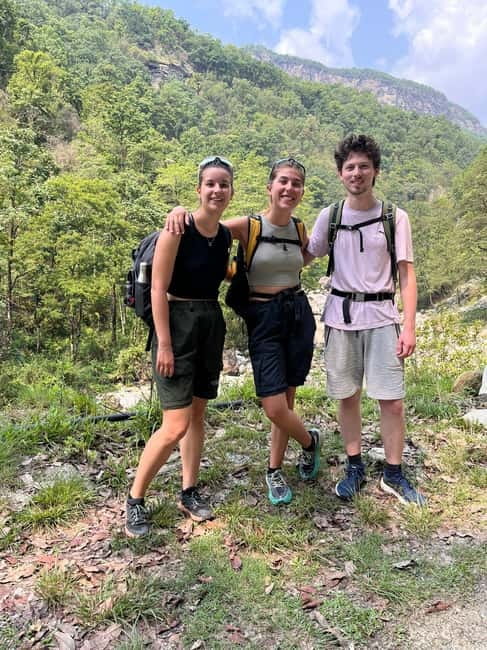
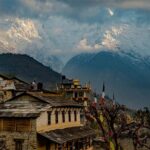
On day four, the pace turns more social and village-focused. You’ll do a short descent to Ghandruk, a village known for thatch-and-slate roof houses and farming terraces.
This is the part of the trek that feels like you’re walking through an actual community, not just a trail corridor. You’ll have time to wander the streets, slow down, and notice how life fits into the mountain edges.
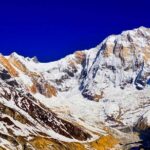
Lunch happens at a viewpoint where you can see Annapurna South and Huinchuli. Then you continue for about an hour more before catching the ride back to Pokhara, where you’ll be dropped at your hotel.
The clean ending helps. You finish with a descent into town life instead of ending in another long uphill push.
Guides, pace, and small comforts that change everything
For a trek like this, the guide isn’t just “someone who knows the route.” The guide sets the energy level for the whole trip. In past experiences on this route, English-speaking guides such as Padam and Tonka/Tanka have been praised for adapting pace to fit the group and for keeping people comfortable enough to enjoy the views.
There’s also a practical side to good guiding. One example: a guide emphasized making sure there was enough to eat and drink, and another helped with photo timing without rushing you off the viewpoint.
And yes, accommodation quality matters. Teahouse lodges here are described as having good food and warm water, which sounds small until you’re tired and your body wants a reset.
This trek does not include porter service, but if your group arranges extra help through other means, having that extra weight-handling can make the longer walking days feel much more manageable.
Teahouses and meals: plan for buying your food
Your trek includes accommodation and nights at teahouse lodges, but meals during the trek are not included. That means you’ll be choosing meals at stops along the way for breakfast, lunch, and dinner.
This setup has two big advantages. One, you can adjust your appetite day to day. Two, you’re not stuck with a fixed menu when the weather changes your energy.
A small planning trick: think of the day in blocks. You’ll likely want a snack option before the next steep stretch and something warm afterward. If you’re the type who hates decision-making while tired, ask your guide to help you choose what makes sense at each stop.
Views and weather: why flexibility is part of the bargain
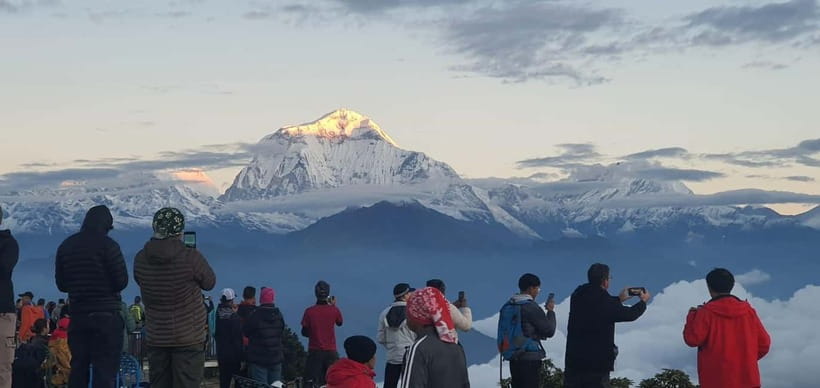
This is a mountain trek. Views are a gift, not a guarantee. One experienced hiker noted that weather reduced views, even though they still caught sporadic Himalayan moments. That matches how Poon Hill and Annapurna-area trails usually behave: clouds can roll in, and the sky can clear in bursts.
So here’s how I’d set expectations. Treat the sunrise and viewpoints as scheduled opportunities, not promises. If you get clear skies, it’s extraordinary. If you don’t, your trek still works because the route includes villages, forests, ridges, and day-to-day walking through the Annapurna trekking culture.
Packing for a short trek that still asks a lot from your body
Bring the essentials listed for the trip, because this walk involves long days, sun exposure, and village-to-village transitions.
Key items you should not skip:
- Passport or ID card (and the required scanned passport copy plus passport-sized photo)
- Comfortable trekking shoes and socks you trust
- Sun hat, sunglasses, and sunscreen
- A jacket for changing conditions and a daypack for layers
- Mosquito repellent and personal hygiene items
- Toilet paper and a plan for basic cleanliness
Also pack for day-to-day comfort: change of clothes, a towel, and toiletries. The lodges are there to rest your body, not to replace good packing decisions.
Who should book this trek—and who should skip it
This route is a great fit if you want:
- A 4-day Annapurna-style experience without committing to a longer trek
- The iconic Poon Hill sunrise moment
- Rural village walking with teahouse nights
- Several short hikes across different trail types, including steps, forest, and ridges
It’s less ideal if you:
- Need an easy, low-effort walk
- Have mobility constraints that make steps hard
- Are pregnant or have heart problems (the trip is specifically not suitable for these conditions)
If you’re new to trekking, the guide support and the short duration can make it a confidence-builder—as long as you keep your pace sensible.
Should you book this Ghorepani Poon Hill and Ghandruk trek from Pokhara?
Book it if you want maximum mountain emotion in a compact time window. The combination of Poon Hill sunrise, village days in Ulleri and Ghandruk, and teahouse nights creates a trek that feels both iconic and personal.
Skip it if you only care about perfect weather-dependent views. This trek can deliver stunning panoramas, but it’s also a mountain trail where you have to accept some uncertainty. If you’re okay with that trade, you’ll get more than photos—you’ll get days that feel like real walking through Nepal’s trekking world.
If you want flexibility, you can choose a plan that supports reserve now & pay later, and the trek offers free cancellation up to 24 hours in advance.
FAQ
FAQ
How long is the Pokhara to Ghorepani Poon Hill & Ghandruk trek?
It’s 4 days total, including trekking days and the ride back to Pokhara on the final day.
Where does the trek start from?
You’re picked up in Pokhara and driven to Birethanti, which is where the hiking starts.
What does the trek include each night?
You get 3 nights accommodation during the trekking in teahouse lodges.
Are meals included during the trek?
No. Meals and drinks are not included during the trekking, so you’ll buy breakfast, lunch, and dinner along the way.
Is a guide included, and what language do they speak?
Yes, a live tour guide is included, and the guide speaks English.
Are permits and taxes included?
Yes. All permits and taxes are included.
Do I need a porter service?
No. Porter service is not included in this activity.
What travel documents do I need?
You need your passport or ID card. You also must bring a scanned copy of your passport and a passport-sized photo.
Who is the trek not suitable for?
It’s not suitable for pregnant women or people with heart problems.