REVIEW · PRAIA
Santiago: Calabaceira Valley Trek & Visit to Cidade Velha
Book on GetYourGuide →Operated by Bu Country Tours · Bookable on GetYourGuide
Calabaceira Valley to Cidade Velha is a smart mix of nature and real old Cape Verde. You’ll walk through lush green vegetation with a local guide, then shift gears into UNESCO sights like the former slave market and the Nossa Senhora do Rosário church. It’s the kind of tour that helps you understand how daily life, agriculture, and the island’s darker past all sit in the same place.
Two things I especially like: the chance to spot wildlife up close while still on a mostly straightforward trail, and the way the Cidade Velha stops feel organized rather than rushed. I’ve seen guides like Mario and Ivana bring the history to life with practical, place-based explanations, and that matters when you’re moving through multiple sites in a short window. One consideration: the hike is labeled easy, but it’s a one-way route with uneven footing at points, so if you don’t enjoy steep, bumpy descents, take the difficulty seriously.
You’re also not stuck guessing about pacing or comfort. You get pickup in Praia, a set tour guide, and choices between a shared group or a private tour—plus a required plan for what to bring. In my view, this is good value for a half-day that actually connects the island’s landscape, farming, and heritage instead of treating them like separate add-ons.
In This Review
- Key takeaways before you go
- From Praia to Calabaceira: a simple half-day with clear structure
- Calabaceira Valley on foot: vegetation, Darwin’s baobabs, and wildlife
- Rum distillery stop: farmland scents, sugar cane, and local agriculture
- Cidade Velha UNESCO: convents, churches, and the sea-facing rhythm of old streets
- Lunch on the seafront (what to know)
- The former slave market and São Filipe Fortress: seeing the past with context
- Fortress entrance fee
- Price and logistics: where the $82 really goes
- Shared group vs private tour
- What to bring
- Who should book this Santiago combo, and who should skip it
- Should you book this Calabaceira & Cidade Velha tour?
- FAQ
- How long is the Santiago Calabaceira Valley trek and Cidade Velha visit?
- How much of the tour is walking?
- Is the trek difficult?
- What is the trail distance in Calabaceira Valley?
- What entrance fees should I budget for?
- Is lunch included?
- Do you pick me up and drop me off in Praia?
- What languages are tour guides available in?
- Can I book a private tour instead of a shared group?
- Is this tour suitable for people with mobility impairments?
Key takeaways before you go
- Calabaceira Valley wildlife moments: guides point out birds and animals along the walk, including sightings like king fishers and monkeys.
- A rum distillery stop in active farmland: you’ll see local crops (sugar cane, mango, cassava, banana) and how rum fits the landscape.
- UNESCO Cidade Velha highlights: São Francisco Convent, Banana Street, and Nossa Senhora do Rosário church.
- Former slave market visit: a direct look at Cidade Velha’s painful history, not just postcards.
- São Filipe Fortress viewpoint: you’ll learn how the town defended itself against pirates and get a broad view over the old town.
- Easy on paper, careful on footing: medium-tilt trail with narrow spots early on, and mobility-impaired travelers should skip it.
From Praia to Calabaceira: a simple half-day with clear structure
This tour runs about 4 hours total, with hotel pickup and drop-off in Praia. The day is built in two phases: first, a guided trek out in the Calabaceira Valley; then a focused walk-and-see tour through Cidade Velha, the first European-built city in sub-Saharan Africa.
The walking time is listed at roughly 2 hours, and the trail itself is about 5 km (one way). That “one way” detail matters: you’re not looping back the way you came, so the path can feel like it has a flow to it—up, then down, then onward. It’s also described as easy overall, but with medium tilt and a narrow section early on, so good shoes aren’t optional.
This is the kind of outing I like when your time in Santiago is limited. You get nature, you get a working agriculture stop, and then you get the UNESCO core sites without needing to arrange separate transport.
You can also read our reviews of more tours and experiences in Praia.
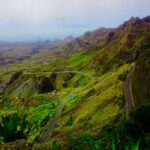

Calabaceira Valley on foot: vegetation, Darwin’s baobabs, and wildlife

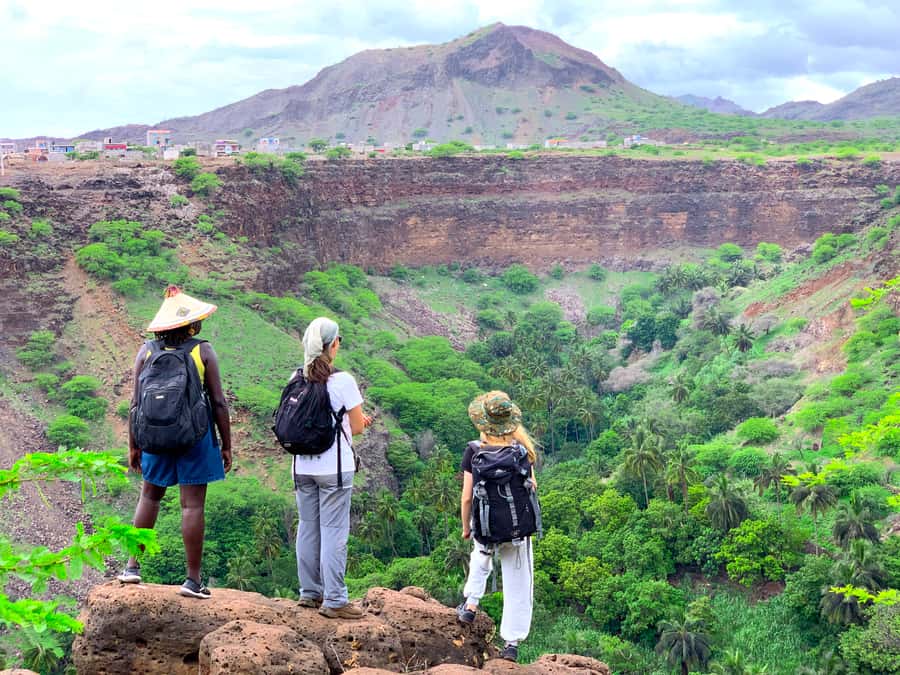
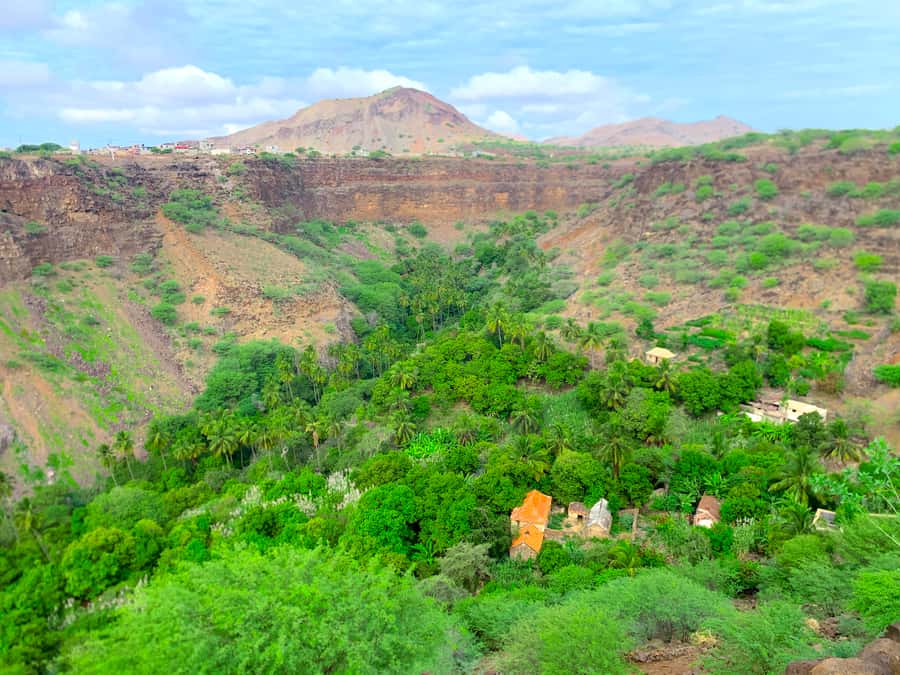
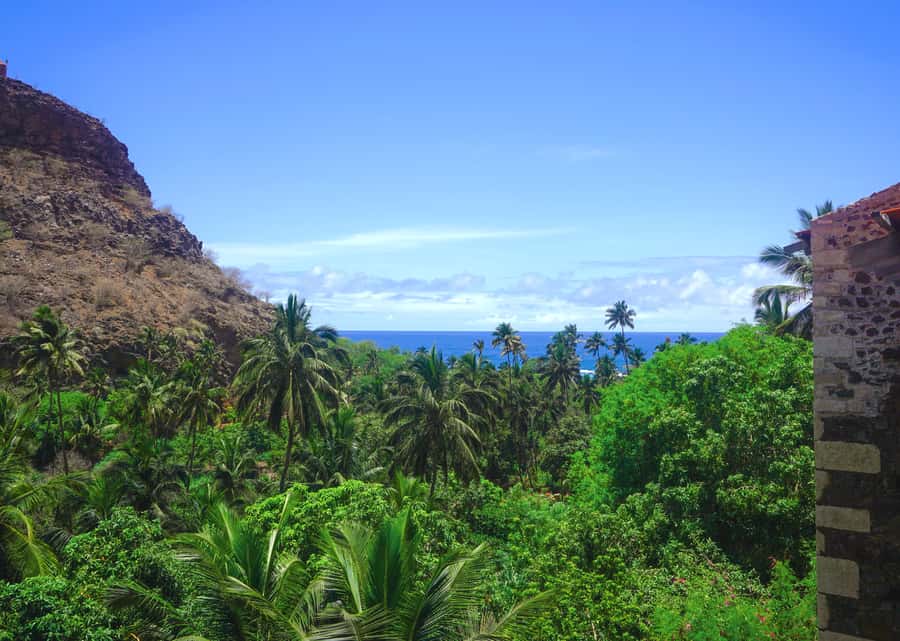
Your trek starts from the top of the Calabaceira Valley and heads down into a pocket of dense greenery where the island’s dry reputation doesn’t really prepare you. The trail is described as accessible for any hiker, and the guide helps keep it moving at a pace that matches the group.
What you’re really paying for here isn’t just “a walk.” It’s the feeling of dropping into a cooler, wetter pocket of vegetation and learning why it matters. The valley is known for baobab trees linked to Charles Darwin’s observations, and it also served as an escape route for enslaved people during slavery. That combination makes the scenery more than pretty greenery—it becomes readable.
If you’re into animals, this is also a good place to slow down. One review notes wildlife sightings like king fishers and many monkeys, and that’s exactly what a good local guide does: they don’t just walk ahead; they help you look.
Practical note: even though difficulty is labeled easy, the trail includes elevation changes (max around 200 m, min around 14 m, plus a lot of vertical movement listed across gain/loss). That can translate to a few sections that feel steep in practice. I’d plan for at least a little strain on your knees or calves, especially during the descent.
Rum distillery stop: farmland scents, sugar cane, and local agriculture

One of the best surprises on this itinerary is the stop at a local rum distillery right in the middle of the scenery. It’s not a “museum-style” stop where you’re mostly looking at bottles. Instead, you get a connection between nature and what people grow.
You’ll meet local farmers and see their fields, with crops like sugar cane, mango trees, cassava, and banana. That matters because rum on Santiago isn’t just a product—it’s part of the farming calendar and local knowledge. Even if you’re not a big spirits person, you’ll probably come away understanding how the island’s agriculture supports livelihoods.
This stop is also a useful break from walking. You’ll get a different pace and a more conversational moment with the guide. Guides like Katia have been praised for explaining the places with clarity, and that style tends to work well during a stop like this, where you’re moving between plants, techniques, and everyday life.
Cidade Velha UNESCO: convents, churches, and the sea-facing rhythm of old streets
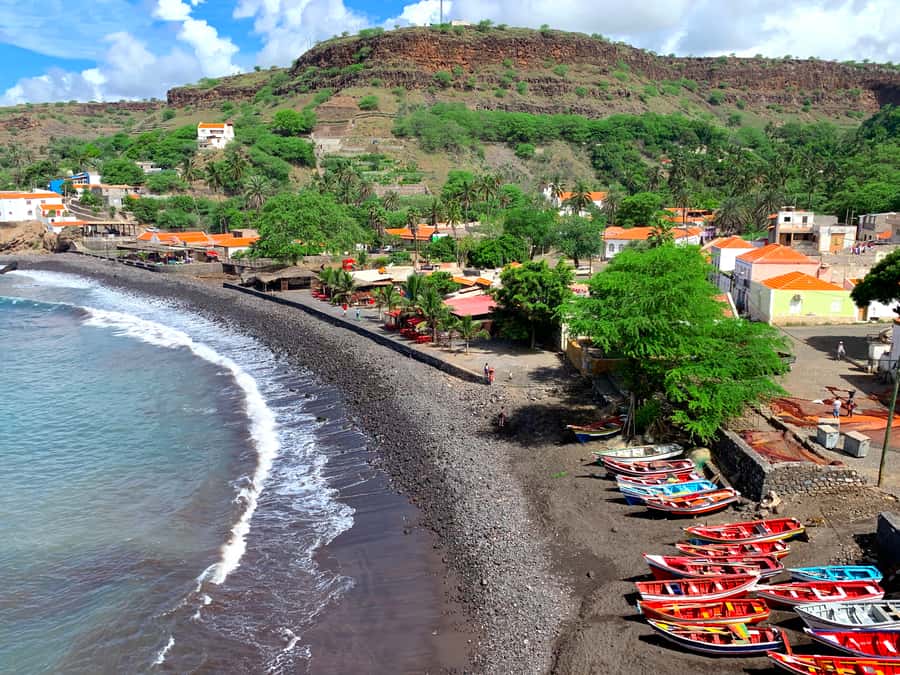
After the valley trek, the tour shifts to Cidade Velha, a UNESCO World Heritage Site and a major historical anchor on Santiago. This portion is structured as a series of walkable highlights, so it feels like you’re stepping into a living town rather than passing through an exhibit.
You’ll visit the São Francisco Convent, Banana Street, and the Nossa Senhora do Rosário church. Each stop has a different “angle” on the city:
- The convent area helps you understand the island’s early European religious footprint.
- Banana Street gives you a sense of local street life and how the town functions at ground level.
- The church adds architectural and cultural weight, so the city’s European-era presence isn’t just dates and buildings.
One thing I like about this set is that it doesn’t treat Cidade Velha as only one story. It gives you multiple lenses—religion, streets, and then later, the harsher parts of the past.
Lunch on the seafront (what to know)
Lunch is not included, but the tour includes a break for lunch at a typical restaurant right on the seafront. That’s a big practical plus. You can recharge without losing time trying to find food on your own.
If you’re budget-minded, set expectations now: you’ll pay for lunch separately. But you’re already saving money on transport and guiding, so the trade-off makes sense for most people.
The former slave market and São Filipe Fortress: seeing the past with context
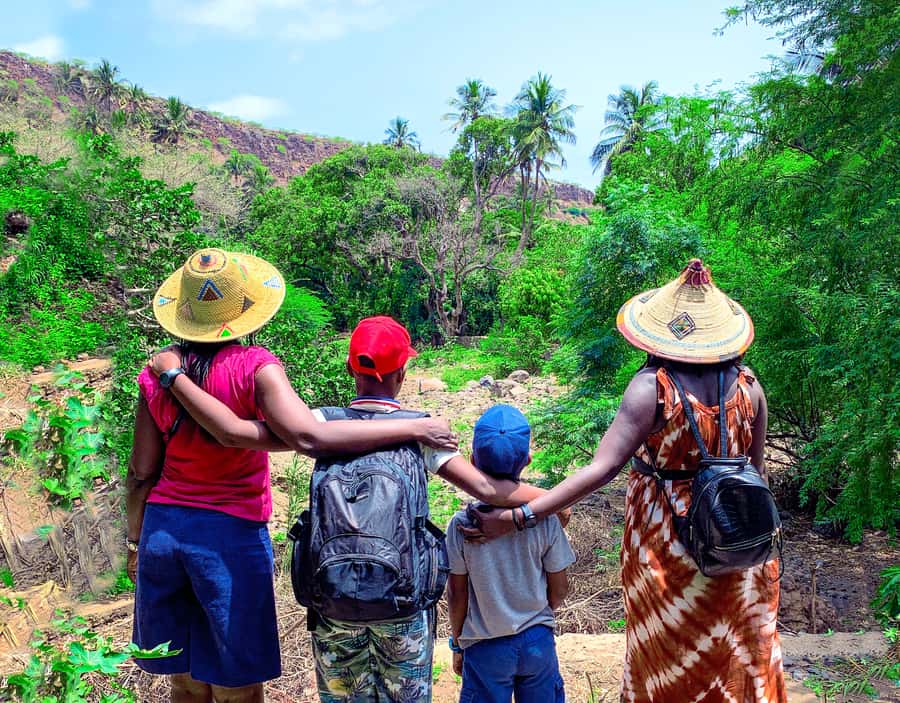
Cidade Velha doesn’t shy away from the darkest chapters. After lunch, you’ll go to the former slave market and also see the ruins of the Sé Catedral and the Royal Fortress of São Filipe.
The former slave market stop is the emotional core of the day. You’re learning what happened here, not just admiring old walls. In a town where many sights are close together, having a guide explain the meaning of each location helps you keep the stories straight instead of getting lost in a blur of stone.
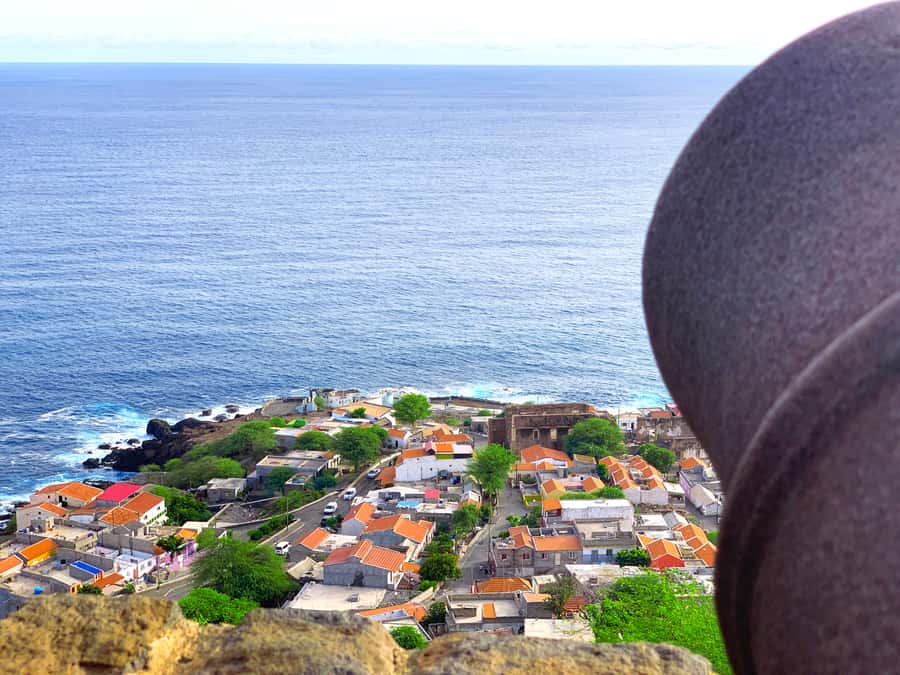
Then comes the fortress. You’ll learn about the system of defense used against pirates, and from the top you’ll get a wide view across the old town. This is one of those moments where the city’s layout starts to make sense: why certain structures were built where they were, and how people tried to protect themselves in a dangerous maritime world.
Fortress entrance fee
Plan for a small extra payment here. The São Filipe Fortress entrance fee is €5, and it’s not included in the tour price. The tour also explicitly advises bringing €5 for this, so don’t show up empty-handed.
Price and logistics: where the $82 really goes

The listed price is $82 per person, for about 4 hours including pickup and drop-off in Praia, transportation, a guide, and liability insurance. Entrance fee(s) and lunch are extra, with the key one being the €5 fortress fee.
To judge value, I look at what you’re getting that you’d otherwise have to arrange: transport across Santiago to Calabaceira and back, plus a guided explanation through multiple sites in Cidade Velha. If you tried to DIY this, you’d likely spend more time coordinating rides and still miss the interpretive layer that makes Cidade Velha connect as a single story.
Timing tip: the tour is built to fit a half-day. Still, one review flagged that the actual time can stretch if the group pace and terrain slow things down. So if you’re booking another activity the same day, give yourself breathing room rather than stacking back-to-back plans.
Shared group vs private tour
You can choose between a shared group and a private tour. Shared is typically a budget-friendly way to go, while private gives you more control—helpful if you want a slower pace or clearer questions without group pressure.
The shared option is also subject to a minimum number of participants. If that minimum isn’t met, the operator may suggest another date, charge extra for a private run, or cancel and offer a full refund. I’d check your preference when booking so you don’t get surprised if you’re traveling off-peak.
What to bring
This tour is practical about gear. I’d follow their advice: hiking pants, decent footwear, a hat, sunscreen, and water. Also bring €5 for the fortress. Even in “easy” conditions, narrow and uneven sections can make sloppy shoes feel very annoying very fast.
Who should book this Santiago combo, and who should skip it
I’d recommend this trek if you want a short, well-connected introduction to Santiago that covers:
- Nature (Calabaceira Valley) with wildlife-spotting potential
- Farming reality through a rum distillery and local crops
- UNESCO history in Cidade Velha with meaningful stops
It’s especially appealing if you like guides who can explain what you’re seeing in plain language. Reviews praise guides such as Mario, Ivana, Katia, and Soraya and Riccardo for being friendly and prepared with answers, and that’s exactly what you want on a schedule like this.
I’d skip it if you have mobility impairments, since the tour is not suitable for that. And if you’re older or have knee issues, think carefully. The trail is labeled easy, but it’s still a one-way walk with elevation change and narrow sections early on.
Should you book this Calabaceira & Cidade Velha tour?
Yes, if you want one guided outing that links green valley life to UNESCO Cidade Velha without you having to organize transport or sequence the sights yourself. The value is strong for what’s included: pickup, transportation, a live guide, and a set of major sites that would be harder to piece together efficiently.
Don’t book it on autopilot if you expect a fully flat, stroll-in-the-park hike. Wear the right shoes, carry water, and be realistic about uneven ground. And remember the €5 fortress entrance plus lunch are extra.
If you’re traveling in a tight window and want the island to make sense—geography, farming, and the full story of Cidade Velha—this is a smart choice.
FAQ

How long is the Santiago Calabaceira Valley trek and Cidade Velha visit?
The total tour time is about 4 hours.
How much of the tour is walking?
You can expect around 2 hours of walking during the trek.
Is the trek difficult?
The trek is rated as easy, but it still includes uneven sections and a one-way route with elevation changes.
What is the trail distance in Calabaceira Valley?
The trail is about 5 km (approximately).
What entrance fees should I budget for?
You’ll need to budget €5 for the São Filipe Fortress entrance.
Is lunch included?
Lunch is not included, but there is a break for lunch at a typical seafront restaurant.
Do you pick me up and drop me off in Praia?
Yes. Pickup and drop-off at your hotel in Praia are included, along with transportation.
What languages are tour guides available in?
The live guide is available in English, French, Portuguese, and Spanish.
Can I book a private tour instead of a shared group?
Yes. You can choose between a shared group or a private tour.
Is this tour suitable for people with mobility impairments?
No. The tour is not suitable for people with mobility impairments.