REVIEW · KATHMANDU
Everest Base Camp Trekking 16 Days
Book on Viator →Operated by Vyas Treks & Expedition · Bookable on Viator
Everest Base Camp is the bucket list, but the real prize is the journey there. This 16-day trek links UNESCO Kathmandu sights to the Khumbu region, then sends you up to Kala Patthar and Everest Base Camp on the classic route through Namche, Tengboche, and Lobuche.
I especially like how the plan builds in acclimatization stops like Namche and Dingboche, so you’re not just climbing at random. And I like that it puts you close to Sherpa culture along the way—monasteries, stupa viewpoints, prayer flags, and small village life in the Khumbu. One possible drawback: this trek is weather-dependent, especially around the mountain flights and the late-day view windows.
In This Review
- Key highlights you’ll actually feel
- Why This 16-Day Everest Base Camp Route Feels Like the Classic Khumbu Route
- Kathmandu Setup: Durbar Square, Pashupatinath, Swayambhunath, and Bouddhanath
- The Lukla Flight: Your Quick Entrance to the Everest Region
- Phakding and Namche: Pine Forests, River Crossings, and Sherpa Center Life
- Tengboche and the Rhododendron Ascent: Monastery Views with a Purpose
- Dingboche Acclimatization Days: Fields, Stone Walls, and View Hikes
- To Lobuche and Everest Base Camp: Prayer Flags, Memorials, and Thin-Air Steps
- Kala Patthar: Early Start, -10 to -14°C, and a Full 360° Moment
- The Return via Pheriche, Phakding, and Lukla: Sore Legs, Short Flights, Real Relief
- Price and Logistics: What $800 Covers, What to Confirm, and How Support Can Help
- Who This Trek Fits Best (and Who Should Rethink It)
- Should You Book This Everest Base Camp Trek?
- FAQ
- How long is the Everest Base Camp trekking experience?
- Where does the trek start and end?
- Does the tour include a flight to Lukla?
- What kind of fitness level do I need?
- Is pickup included in Kathmandu?
- Is the trek private or shared?
- What happens if weather is poor?
- What is the cancellation policy?
Key highlights you’ll actually feel
- Kathmandu UNESCO day: Durbar Square plus major Hindu and Buddhist sites before you ever see Everest.
- The Lukla start: a short scenic flight that turns into real hiking quickly.
- Acclimatization that makes sense: Namche and Dingboche give you structured recovery and viewpoint day hikes.
- Iconic monasteries: Tengboche and Pangboche add meaning (and shelter) along the ascent.
- Prayer flags and real mountaineering memorials: from Scott Fischer and Babu Chiri Sherpa stones to memorials near base camp routes.
- Kala Patthar conditions: very early departure with reported temps around -10 to -14°C and possible strong winds.
Why This 16-Day Everest Base Camp Route Feels Like the Classic Khumbu Route
This trek is “classic” for a reason. You don’t just rush uphill toward Everest. You travel through a sequence of places that each teach you something: Kathmandu’s spiritual roots first, then the Sherpa heartland, then the high-alpine zone where the air thins and every landmark matters.
What I like about this specific pacing is the balance between walking days and altitude planning. You’ll climb out of the lower valleys, spend time in Namche and Dingboche for acclimatization, then move to Lobuche and Gorak Shep before Everest Base Camp. That structure matters because Everest-region hiking is not a “push harder every day” game.
If you want the best chance at the views people dream about, you need the weather to cooperate. And you need to be mentally ready for cold mornings and a few stretches where the trail feels exposed and the pace slows just because your lungs demand it.
You can also read our reviews of more tours and experiences in Kathmandu.
Kathmandu Setup: Durbar Square, Pashupatinath, Swayambhunath, and Bouddhanath
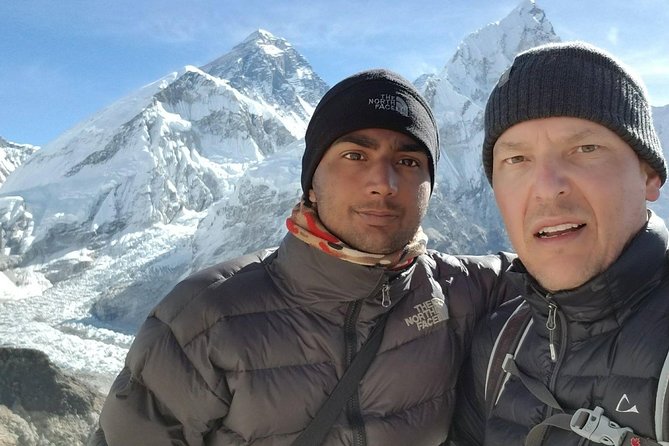
Day 1 and Day 2 are a smart decompression into Nepal. You land at Tribhuvan International Airport, get picked up, and settle into a hotel. There’s also a welcome dinner with authentic Nepalese food—useful after travel because it gets you fed early and helps you start learning local flavors without guesswork.
Then you jump into a guided Kathmandu day focused on UNESCO World Heritage sites. You’ll cover Kathmandu Durbar Square, Pashupatinath, Swayambhunath (Monkey Temple), and Bouddhanath. That mix gives you both sides of the spiritual map: Hindu temples, Buddhist stupas, and the everyday devotional energy between them.
Practical value here: this Kathmandu portion also sets you up for the trek physically and logistically. There’s an equipment check with your climbing leader and time to meet your fellow participants. That part sounds routine, but it helps prevent last-minute chaos. When you’re days away from any real shopping, having the right layers and gear matters.
One note to keep in mind: admission tickets for the Kathmandu sights are not included in the tour description you have. So budget a little for those UNESCO visits.
The Lukla Flight: Your Quick Entrance to the Everest Region
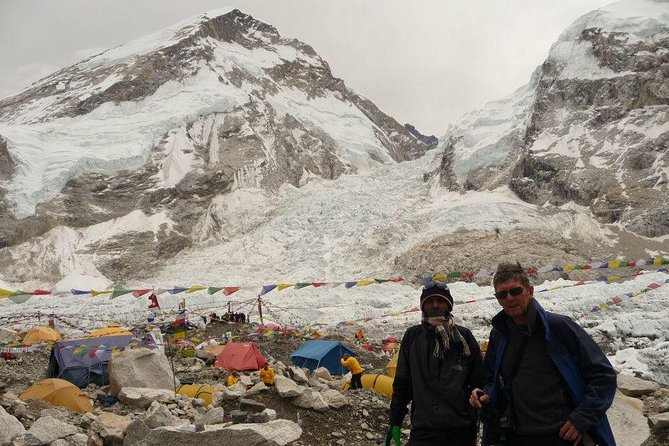
The real switch flips when you fly from Kathmandu to Lukla—about 40 minutes, landing at a hillside airport surrounded by dramatic peaks. You’ll arrive around 9,186 ft, meet your crew, and then start trekking immediately.
This matters more than it sounds. Many mountain treks burn a lot of time on road travel. Lukla makes the hike begin fast and keeps the whole schedule tighter. Also, those first views around Cheplung—where you can get a glimpse of sacred Mt. Khumbila—help you understand you’re not just “walking in mountains.” You’re walking inside a cultural and religious geography.
When you land at Lukla, it’s also a good time to notice the rhythm of the route: the trail is both scenic and practical, and it’s shaped by rivers, bridges, and villages that shepherders and Sherpas have depended on for generations.
Phakding and Namche: Pine Forests, River Crossings, and Sherpa Center Life
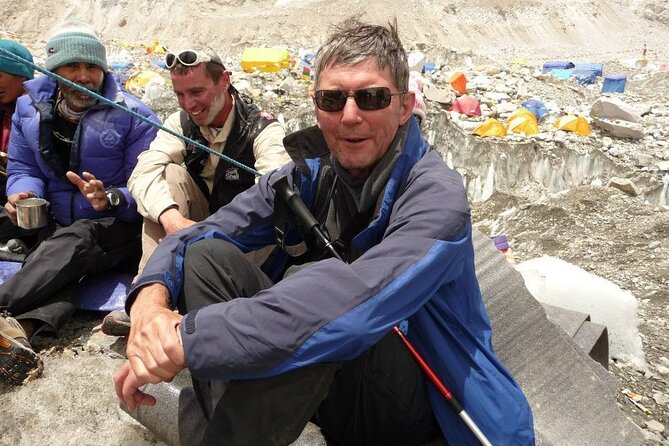
After Lukla, the early walking days are about finding your legs and learning the trail’s patterns.
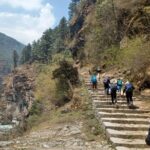
You’ll reach Phakding by following paths through a pine forest and then navigating the valley of Benkar. River crossings are part of daily reality here: you cross the Dudh Koshi River, pass Chumoa, and reach Monjo, the entrance area to Everest National Park. There’s also a suspension bridge and more walking alongside both Dudh Koshi and Bhote Koshi.
Then the route pushes you upward to Namche Bazaar, the main hub of the Khumbu region. This is where the trekking turns from “scenery” into “community.” Namche has government offices, ATMs, internet cafes, and shops, so it’s practical. It’s also colorful and social.
In Namche, you have the day to acclimatize and still enjoy the place. The plan gives you choices like hiking toward Sagarmatha National Park rewards—often with a sunrise view—and a possible day hike to Khumjung village (reported at 12,401 ft). Khumjung is tied to Sherpa settlement life and sites like the Hillary School area.
I like that this part doesn’t force you into one single activity. If you feel good, you go higher for views. If you feel tight or tired, you can keep it lighter and still have a meaningful day.
Tengboche and the Rhododendron Ascent: Monastery Views with a Purpose
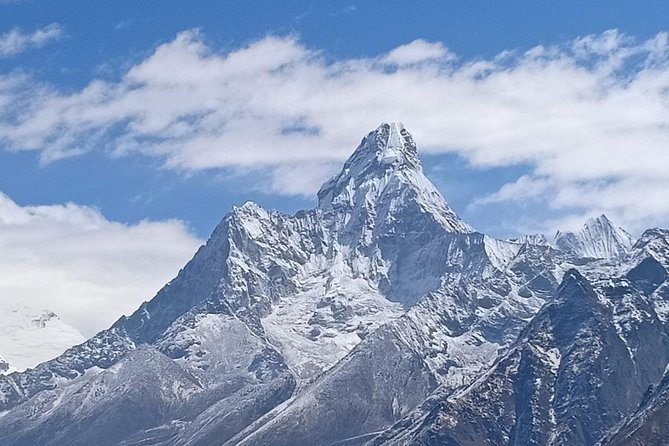
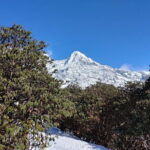
From Namche, you work toward Tengboche. This segment includes both a descent toward the Dudh Koshi River and an ascent through rhododendron forests—one of those classic Himalayan textures that changes the feel of the trek.
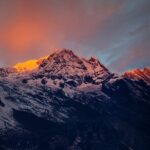
Tengboche is famous for its monastery, and the tour includes a visit to Tengboche Gompa, described as the largest monastery in the region. The real draw is what you see from there: views of Everest and surrounding giants like Ama Dablam and Lhotse.
Value you can feel here: monasteries in this region aren’t just photo stops. They’re checkpoints of altitude and mood. They offer a pause, sometimes shelter, and an easy way to connect the landscape to the people who live with it every day.
If you’re sensitive to cold or weather swings, Tengboche is also a reminder to keep layering even when the afternoons seem mild. Mountains can change fast.
Dingboche Acclimatization Days: Fields, Stone Walls, and View Hikes
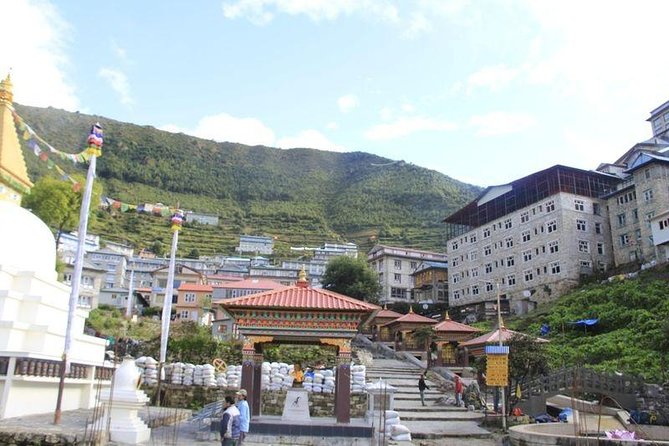
Your climb continues into the Dingboche area through forests of birch, conifers, and rhododendrons, plus a route that dips down to Devuche, crosses the Imja River, then moves on toward Pangboche and its monastery area. From upper sections, the Himalaya views can feel cleaner because you’re higher and closer.
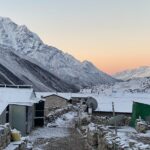
Dingboche itself gives you a strong sense of daily survival at altitude. The villages are described with fields enclosed by stone walls protecting crops from cold winds and grazing animals. You’ll also get a dedicated acclimatization day in Dingboche, with options for day hikes such as Nagarjun Hill or Chukkhung Valley.
This is where the trek becomes smart. You’re not only climbing; you’re practicing the altitude game. Go high enough to feel the benefit, but don’t overdo it. That’s the point of acclimatization days: arrive tired, then recover carefully so you can continue.
And if you’re the type who likes learning in small moments, Dingboche is a good place to pay attention to how the community manages cold and wind.
To Lobuche and Everest Base Camp: Prayer Flags, Memorials, and Thin-Air Steps
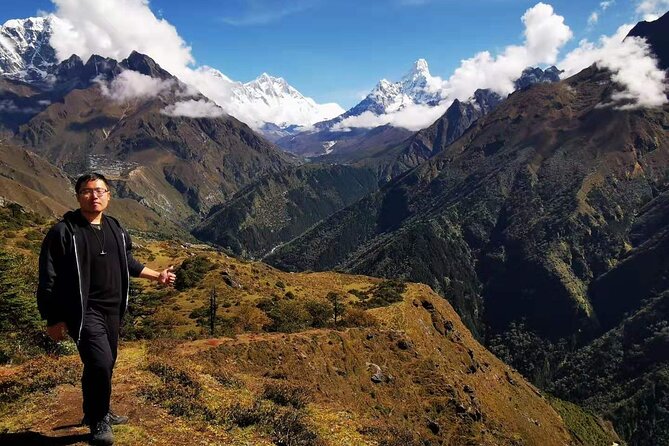
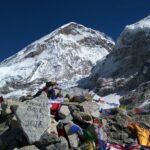
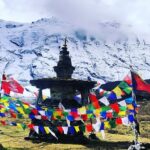
As you head toward Lobuche, you’ll walk through higher terrain that shifts from village life into high-alpine feel. The day includes a gradual climb to Duglha, then a steeper route to Chupki Lhara, where you’ll see stones with prayer flags used as memorials to Scott Fischer and Babu Chiri Sherpa.
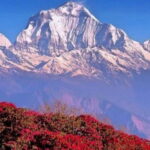
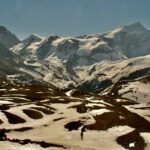
From there, you follow the Khumbu Glacier moraine and you’re facing huge peaks like Khumbutse, Lingtren, Pumori, and Mahalangur Himal. The trail eases off as you walk through the valley to Lobuche.
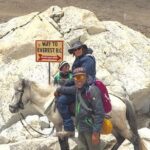
The next move is the push to Everest Base Camp. You’ll go via Gorak Shep and then continue onward. There are memorials near the route associated with Indian army mountaineers, and you’ll reach the base camp area through rocky dunes, moraine, and streams.
Two things to know about this part:
- Thin air makes everything harder, including walking that would feel easy at sea level.
- The route from this area can feel confusing, so following your Sherpa lead matters. The description specifically notes the path can be misleading.
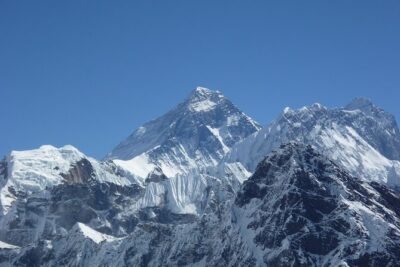
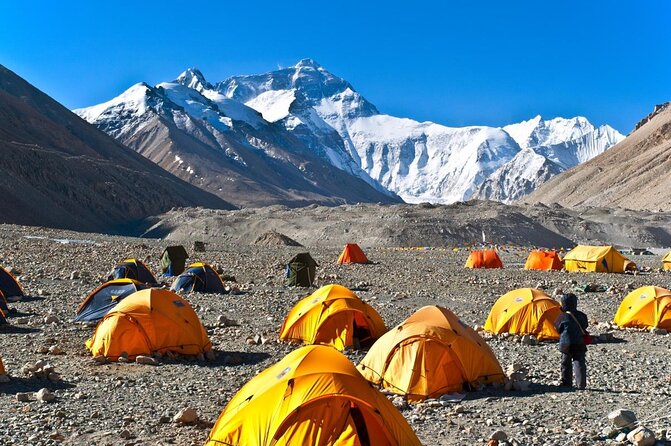
When you finally arrive, the base camp view is striking because the tents stand out against the gray surroundings. You’ll also likely see surrounding giants like Nuptse, Khumbuste, and Pumori.
This is the day most people remember. But it’s also the day that punishes shortcuts. Stick with the group and don’t race. Your body needs the slow pace.
Kala Patthar: Early Start, -10 to -14°C, and a Full 360° Moment
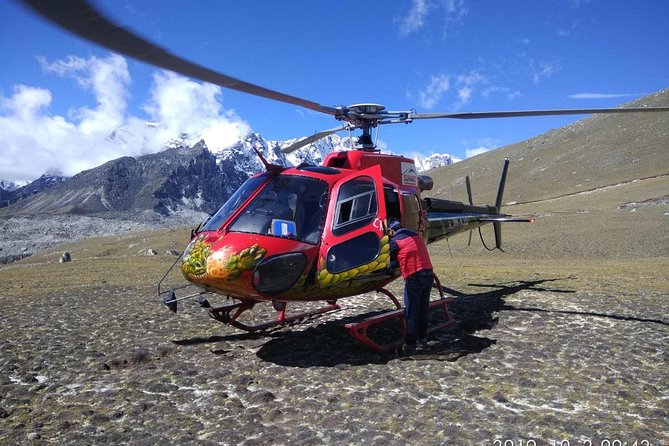
The Kala Patthar day is the view chase. You leave pre-dawn in darkness and cold, with reported temperatures around -10 to -14°C, plus the possibility of chilly winds.
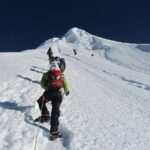
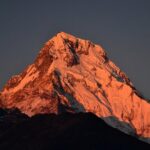
The early morning push has a payoff. As you climb, peaks like Lingtren, Khumbutse, and Changtse tower to the east while Everest starts revealing itself. The big moment is at Kala Patthar: you get close, up-close, 360-degree panorama views of Mount Everest.
Practical reality: this isn’t a casual photo stop. You’ll be standing in cold air, likely for a bit longer than you expect, because everyone wants their own moment. Dress for cold that actually bites. Keep your hands ready for camera handling, and plan on patience while the light changes.
Then you return back down to Pheriche for rest.
The Return via Pheriche, Phakding, and Lukla: Sore Legs, Short Flights, Real Relief
After reaching your high point, the trek turns into an intelligent descent. On the way to Pheriche, you trek down through rhododendron and juniper trees, cross the Dudh Koshi gorge, and follow descending sections through pine forests. You might see wildlife like pheasants and mountain goats, depending on conditions.
You’ll also pass winding trails and reach Sansa, where there are views of peaks like Ama Dablam and Thamserku. Then you work back toward Namche.
The final trekking days bring you from Namche back toward Phakding, mixing open plains and pine forests with Sherpa villages, prayer stones, and prayer flags. Then the route continues down toward Lukla.
The Lukla arrival comes with the final stretch: you descend steeply and you have to walk carefully on rocky terrain. The shaky-leg feeling is real because your body now has to manage gravity more than altitude.
Then you catch the early morning flight back to Kathmandu. In Kathmandu, there’s time to rest or do souvenir shopping around Thamel.
Price and Logistics: What $800 Covers, What to Confirm, and How Support Can Help
At $800 per person for a 16-day Everest Base Camp trek, the core value is the coordination of everything that makes these routes work: guides, an organized schedule, and support so you aren’t piecing together the trek yourself.
From real-world notes tied to this operator, the guide experience can make a huge difference. Names that came up include Shiva (helpful and kind), Keshab (looking after the group and keeping things running), and Rajesh (with a “perfect” guide experience). There’s also mention of an office contact Dibson, who was credited for communication and assistance.
That said, I’d take one caution seriously. One account described a trek ending 2 days early, with promised places not fully seen, and a refund issue that never quite landed. In another account, COVID and lockdown disruption were cited when service felt less supportive after payment. These aren’t small details when you’re spending weeks in the mountains.
So here’s my practical advice before you book:
- Ask what happens if flights change or if weather forces adjustments.
- Confirm in writing who decides schedule changes.
- Ask how refunds or compensations are handled if the program shortens.
Also: admission tickets for Kathmandu sights aren’t included in the itinerary info you provided, even though you do get a guided day. So plan for some extra costs up front.
One more note: the trek is described for moderate physical fitness. That’s encouraging, but Everest-region hiking is still physically demanding. You’ll need to be comfortable walking 5–6 hours on mountain trails and handling cold mornings.
Who This Trek Fits Best (and Who Should Rethink It)
This trek is a strong fit if you:
- Want the classic Everest Base Camp route with Namche, Tengboche, Lobuche, and Kala Patthar.
- Prefer a plan that includes acclimatization days rather than constant “up all day” effort.
- Like guided cultural context as much as the high peaks.
You might rethink it if you:
- Hate cold starts and long days in thin air (Kala Patthar is reported at -10 to -14°C).
- Are extremely sensitive to schedule changes. Weather and flight operations can force adjustments, and past accounts show that refund satisfaction can vary when disruptions happen.
If you’re traveling solo, you may still be placed in a group format. One solo traveler did the trek and praised the guide setup. If that’s you, you’ll still get the benefit of having people around you and a Sherpa-led route when the trail gets tricky.
Should You Book This Everest Base Camp Trek?
I’d book this trek if you want a classic, well-paced Everest Base Camp experience and you value both the culture and the altitude planning. The Kathmandu UNESCO start, the Lukla gateway, and the structured acclimatization days make sense on paper—and that’s the kind of structure that helps you actually enjoy the mountains when you’re tired.
But don’t be casual about expectations. Ask detailed questions about what happens if weather changes the plan, especially around flights and the time buffer near the top. A great guide can turn this into a life memory. A messy change-handling process can turn it into frustration.
If you’re clear about those points upfront, this itinerary’s core strengths—classic route, cultural stops, and view days like Kala Patthar—are exactly what makes Everest feel real.
FAQ
How long is the Everest Base Camp trekking experience?
It’s listed as about 16 days.
Where does the trek start and end?
It starts in Kathmandu, Nepal. You fly to Lukla to begin trekking, and you fly back to Kathmandu near the end for the finish.
Does the tour include a flight to Lukla?
Yes. The plan includes a short scenic flight from Kathmandu to Lukla, and an early morning flight back to Kathmandu later in the trek.
What kind of fitness level do I need?
The description asks for moderate physical fitness.
Is pickup included in Kathmandu?
Pickup is offered after you arrive in Kathmandu.
Is the trek private or shared?
It’s described as private in the sense that only your group will participate.
What happens if weather is poor?
The experience requires good weather. If it’s canceled due to poor weather, you’ll be offered a different date or a full refund.
What is the cancellation policy?
You can cancel up to 24 hours in advance for a full refund. If you cancel less than 24 hours before the experience start time, the amount paid isn’t refunded.