Annapurna Base Camp starts gentle, then keeps climbing. I like the Poon Hill sunrise hike for those early, dramatic views, and I like how the trip is paced with real support from guide Damu and porters such as Bahta, not just a stopwatch. The catch is simple: lunch, dinner, snacks, and bottled water are not included, so you’ll need to plan a daily budget beyond the trek fee.
You’ll spend the first days getting your bearings in Kathmandu, then ride an air-conditioned vehicle down to Pokhara before starting the trek. After your final descent, you get a rest day back in Kathmandu, which I really appreciate on a route that climbs up to 4,130m. The whole thing is set up as a private experience, meaning only your group participates, so the plan tends to feel more tailored and less rushed.
In This Review
- Key highlights to know before you go
- Kathmandu to Pokhara: setting up your Annapurna Base Camp week
- Hille and Ghorepani: the early days that shape your altitude comfort
- Tadapani to Sinuwa: a steady climb toward the higher pass country
- Deurali to Annapurna Base Camp: the push to 4,130m
- Bamboo to Jhinu-Danda via Chomrong: a calmer return with a real reward
- The drive days: returning through Nayapul, Pokhara, and Kathmandu
- Price and logistics: what $769.24 covers (and what you’ll pay for anyway)
- Guide support that changes the feel of the trek (Damu and porter help)
- Weather and altitude: the parts you can’t fully control
- Who this Annapurna Base Camp trek is best for
- Should you book this Annapurna Base Camp trek
- FAQ
- How many days is the Annapurna Base Camp trek?
- Where does the tour start and where does it end?
- Is this a private tour?
- What is included in the price?
- What is not included?
- Are service animals allowed?
- Is there free cancellation?
Key highlights to know before you go
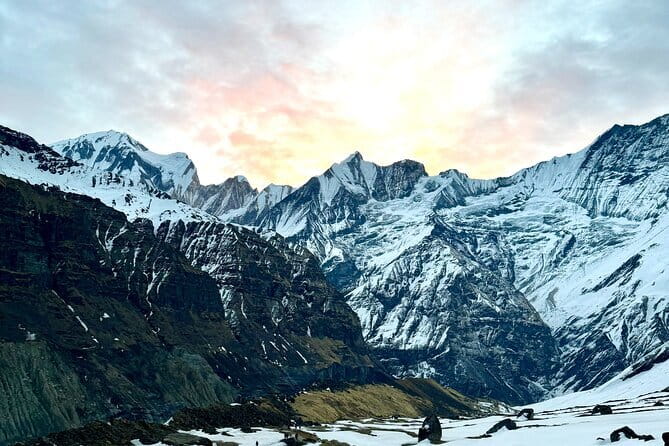
- Poon Hill early-morning rhythm: Hike at dawn, see the peaks, then continue on without losing momentum
- Real step-by-step altitude management: Days are structured to help you adjust as you gain elevation
- Annapurna Base Camp at 4,130m: One full push day to reach the goal, then a calmer return route
- Comfort on the edges: Air-conditioned transfers bookend the trek, plus a rest day in Kathmandu
- Guided pacing with Damu: Planning support and on-trail help that keeps the day-to-day practical
- Hot-springs stop at Jhinu-Danda: A nice reward day after steeper trekking sections
Kathmandu to Pokhara: setting up your Annapurna Base Camp week
Day 1 is a straightforward arrival in Kathmandu at about 1,350m. This is the part where you should keep your schedule light, drink water, and avoid turning the first day into a sprint. Kathmandu can be busy and loud, so treat Day 1 as “get your bearings” time rather than sightseeing marathon time.
Day 2 is the long-but-sane transfer: a 220 km drive to Pokhara, roughly 6 hours, dropping you to about 860m. The fact that an air-conditioned vehicle is included matters more than you’d think. On a trek that later goes from hot and dry to cold mountain air, arriving rested helps you start trekking with less stress.
Pokhara also functions like a reset button. Even if you don’t spend much time here, you’re shifting environments: from city pace to trail pace. That transition is part of why this trek works well for many first-timers, as long as you respect the altitude later.
You can also read our reviews of more tours and experiences in Kathmandu.
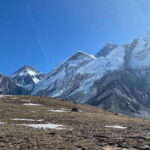
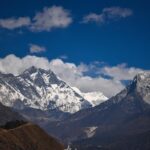
Hille and Ghorepani: the early days that shape your altitude comfort
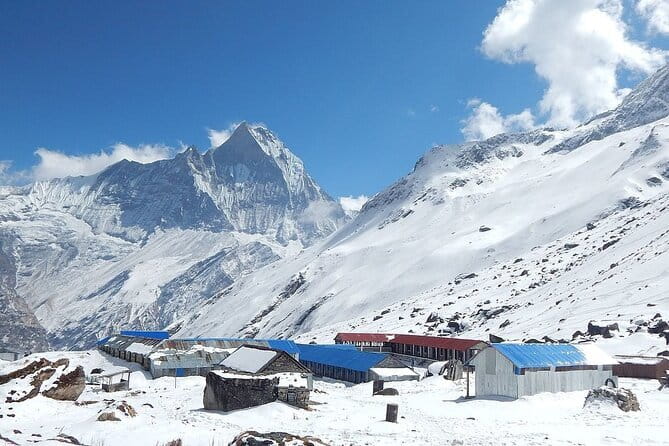
Day 3 starts the trek from near Nayapul and heads to Hille (about 1,496m). This is the “wake up your legs” day. It’s not about grinding distance. It’s about learning how you’ll breathe on the trail and how your body reacts while climbing slowly.
Day 4 takes you to Ghorepani (around 2,840m) over about 7 hours. This day is longer, and it’s where your pace becomes the main factor. On routes like this, the best strategy is usually the simple one: keep walking steady and avoid the urge to match fast-moving groups. You’ll feel the difference later when you’re higher.
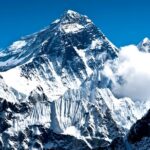
Then Day 5 is the payoff hike. You go to Poon Hill in the morning (for sunrise views) and then continue to Tadapani (about 2,520m). Poon Hill is the kind of mountain moment you remember even years later, because the view is the whole point. Sunrise also forces a routine: you’ll start early, you’ll climb in cooler air, and then you’ll keep moving rather than getting stuck in one place waiting all day.
Tadapani to Sinuwa: a steady climb toward the higher pass country
Day 6 is a trek to Sinuwa (about 2,340m) over roughly 5 hours. Notice the pattern: you gain and lose a bit as you go. That matters. It helps your body cope while still keeping the overall plan moving upward toward higher terrain.
This is also where you should watch your energy. In the early days, it’s easy to feel strong and think you’re invincible. But this route reaches 3,230m on Day 7 and 4,130m on Day 8, so the smart move is to stay consistent now.
Day 6 also gives you a chance to settle into your daily rhythm: breakfast, pack check, steady walking, and early dinner. Many first-time trekkers underestimate how much comfort comes from consistency rather than speed.
Deurali to Annapurna Base Camp: the push to 4,130m
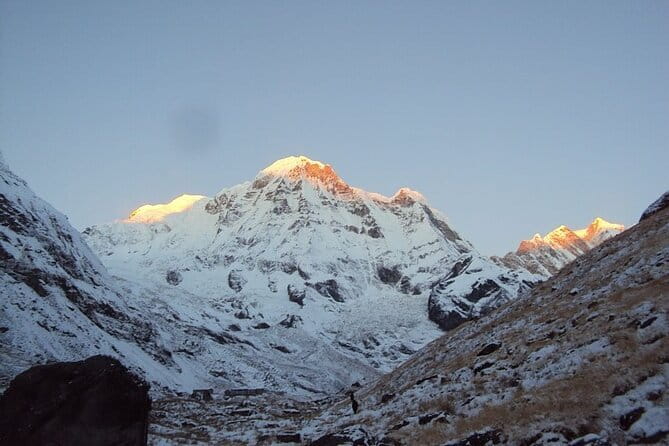
Day 7 takes you to Deurali (about 3,230m) in around 7 hours. This is a serious jump in altitude, and it’s not the day to treat like a casual stroll. If you’ve ever felt “fine” at sea level but suddenly annoyed by stairs, this day can feel similar—only higher and colder.
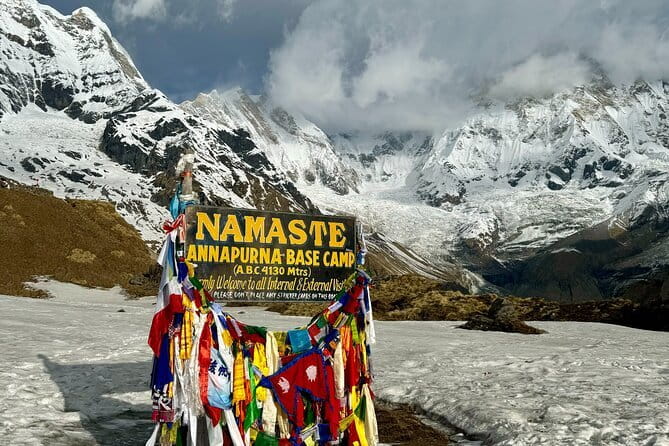
Day 8 is the big milestone: trekking to Annapurna Base Camp at about 4,130m (around 4 hours). Four hours can sound short for such a high altitude. In reality, the time can feel manageable because the route is focused and you’re already acclimatized from the previous days. Still, don’t assume it will feel easy. At 4,130m, even a calm pace takes effort.
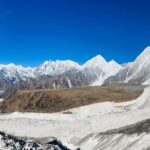
When you reach Base Camp, you’re not just arriving at a dot on a map. You’re stepping into the heart of the Annapurna region’s dramatic mountain environment. This is the moment most people sign up for, and the days leading into it matter because they set you up to enjoy it rather than merely survive it.
Afterward, Day 9 shifts you down to Bamboo (about 2,050m) over about 6 hours. That descent is part of the value of this itinerary: you get the summit goal, then you recover by moving lower.
Bamboo to Jhinu-Danda via Chomrong: a calmer return with a real reward
Day 9 is a descent to Bamboo (about 2,050m). It can feel deceptively simple after Base Camp, but your legs still need care. Downhill trekking taxes knees and ankles, so slow and steady wins again.
Day 10 takes you to Jhinu-Danda (about 1,700m) via Chomrong, around 6 hours. This is where the trek turns into a “finish strong” mood. Chomrong is known for big views and it’s a key point on the route, but the bigger reason this day works is that the long-distance energy starts to shift from climbing to winding down.
Jhinu-Danda is the reward stop: it’s famous for hot springs. The tour schedule includes this transition specifically, so you get more than just a place to sleep. You get a chance to soak and reset—one of those practical comforts that makes the whole trek feel worth it.
The drive days: returning through Nayapul, Pokhara, and Kathmandu
Day 11 brings you back to Nayapul and then to Pokhara by drive, with a longer travel day around 8 hours total. By now, you’ve already done the hard part: the altitude work. The drive helps you finish without another full trekking day.
Day 12 is the reverse ride back to Kathmandu. You’ll feel the cumulative effect of days walking, eating simple meals, and sleeping in mountain lodges, so this transfer is also your “take a breath” day.
Day 13 is a rest day in Kathmandu. That’s a real quality-of-life inclusion. When you’ve been waking up early to trek, a planned rest day helps you recover before final departure on Day 14.
Price and logistics: what $769.24 covers (and what you’ll pay for anyway)
At $769.24 per person, this package is built around transfers and baseline trekking services rather than a full-board holiday. Here’s what’s included: breakfast, an air-conditioned vehicle, and all fees and taxes. That’s a solid foundation because it removes a chunk of “surprise costs” before you even start hiking.
What’s not included is where most trekking budgets get shaped: lunch, dinner, snacks, bottled water, and coffee/tea. Alcoholic beverages are also not included. Practically, that means you should carry some cash or plan card options on the trail, and you should budget daily for food and drinks.
Bottled water not being included is important. Some trekkers bring purification tools; others buy water as needed. Either way, plan ahead so you’re not guessing at higher elevations where options can feel more limited.
Guide support that changes the feel of the trek (Damu and porter help)
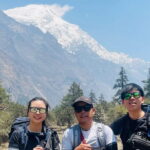
One of the biggest advantages of this trek is the human support layer. Damu is repeatedly named as the guide connected with these itineraries, and porters like Bahta show up as part of the team. Having a guide matters for logistics, but it matters more for pacing and decision-making when weather or conditions aren’t ideal.
A good guide also helps you ask better questions before you’re standing in cold wind. People mention responsiveness during planning and the ability to accommodate personal needs, which is exactly what you want when you’re trying to balance altitude with a realistic hiking day.
If you’re a first-time trekker, this kind of support can turn “I hope I can do it” into “I can follow a plan and adjust when needed.” If you’re an experienced hiker, you still benefit from a team that knows how the days fit together and where to focus effort.
Weather and altitude: the parts you can’t fully control
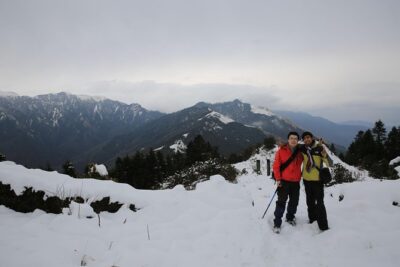
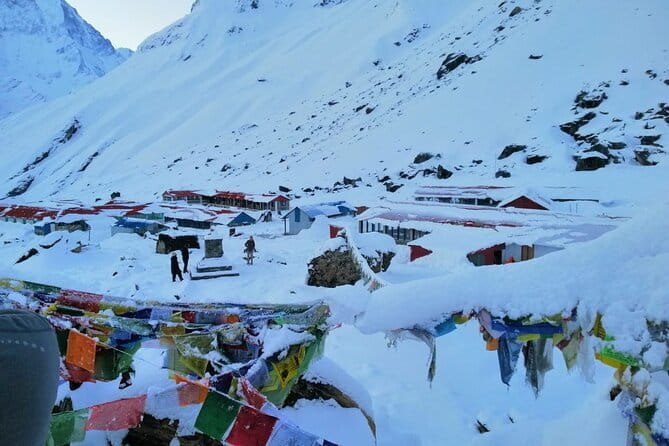
Even with a well-built route, the Annapurna region can throw surprises at you. Some past trekkers describe unexpected bad weather, including a canceled helicopter attempt, and others mention snow during their trek plans. None of that is “bad,” but it is a reminder that you should pack for colder conditions than you expect.
At altitude, cold can sneak up fast once the sun goes down. You’ll likely want layers you can add or remove easily and a plan for wet weather. If clouds roll in, visibility can fade, and that can make the trekking feel more effort than scenery. That’s normal. The best response is sticking to your pacing and treating the day as a workday, not a sightseeing cruise.
Who this Annapurna Base Camp trek is best for
This trek is a great match if you want a famous route with a clear end goal, and you don’t want to manage every moving part alone. The tour is private (only your group participates), which usually suits couples, small families, or friends who want flexibility.
You should have moderate physical fitness. The schedule includes multiple full trekking days and altitude gains up to 4,130m, so this is not a casual walk. But it also isn’t built like a brutal endurance test. The itinerary’s back-and-forth elevation pattern gives your body time to adjust.
If you like early starts and big peak views, Poon Hill is going to land hard. If you like comfort moments after hard days, Jhinu-Danda’s hot springs can feel like the perfect finishing touch.
Should you book this Annapurna Base Camp trek
I’d book this if you want a guided, private Annapurna Base Camp trek with a sensible structure: city warm-up, transfer days, sunrise peak views, a focused push to Base Camp, then a rewarding descent and hot-springs reset. The included breakfast and the air-conditioned transport bracket the tougher trekking days in a helpful way.
Before you say yes, check your budget for the missing pieces: lunch, dinner, snacks, bottled water, and coffee/tea. Also be honest about conditions. If you’re the type who hates surprises, remember that snow and weather disruptions are part of mountain trekking somewhere on the calendar.
If you’re comfortable hiking at altitude and you want a team behind you—Damu and porters like Bahta included—this itinerary is a strong, practical way to earn the Annapurna Base Camp moment.
FAQ
How many days is the Annapurna Base Camp trek?
The trek is about 14 days in total, including travel days and a rest day in Kathmandu.
Where does the tour start and where does it end?
It starts in Kathmandu, Nepal. The activity ends back at the meeting point in Kathmandu.
Is this a private tour?
Yes. It’s listed as a private tour/activity, and only your group participates.
What is included in the price?
Breakfast is included, along with an air-conditioned vehicle and all fees and taxes.
What is not included?
Lunch, dinner, snacks, bottled water, coffee and/or tea, and alcoholic beverages are not included.
Are service animals allowed?
Yes, service animals are allowed.
Is there free cancellation?
Yes. You can cancel up to 24 hours in advance for a full refund. If you cancel less than 24 hours before the start time, the amount paid is not refunded.