REVIEW · KATHMANDU
From Kathmandu: 5-Day Gosaikunda Lake Trek
Book on GetYourGuide →Operated by Cordial Trek Pvt. Ltd. · Bookable on GetYourGuide
Kathmandu to a 4,380m lake in five days is a fun speed-run. This short trek gets you deep into Langtang National Park without needing weeks off, and you finish with that big, central Himalayan feel. I especially like that the hike is paced across mountain guest houses, so you’re not constantly scrambling for logistics, and you’ll have an English-speaking guide who can explain what you’re seeing on the way. In particular, guides like Raj and Terens are highlighted for staying communicative and giving real info during the trek.
The second thing I like: the payoff is specific. You’re walking to the sacred glacial lake of Gosaikunda (and you also visit other nearby kunda lakes), with the Langtang range often in the background when skies are clear. One thing to consider: the route climbs fast enough that you’ll want to respect the pace and take it seriously if you’re not used to altitude and steep trails.
In This Review
- Key highlights you’ll feel on the trail
- A short trek with big altitude energy from Kathmandu
- Getting to Dhunche: the drive that sets the mood
- Day 1 to 2: Deurali to Laurebina, where steep becomes real
- Day 3: the Gosaikunda lake day at 4,380m
- Day 4: descending through rhododendron, pine, and bamboo
- Day 5: the Kathmandu return drive and what it feels like
- Guides, permits, and small-group logistics (the stuff that makes it feel easy)
- Price and value: what $190 covers, and what you should watch for
- What to bring (and what not to) for Gosaikunda comfort and respect
- Who this trek is best for
- Should you book the 5-Day Gosaikunda Lake Trek?
- FAQ
- What is the highest altitude on the trek?
- How long is the Kathmandu to Gosaikunda trek?
- What does transportation include?
- What meals are included?
- What’s included for trekking gear?
- Do I need permits for this trek?
- What languages are available for the live guide?
- What group size should I expect?
Key highlights you’ll feel on the trail
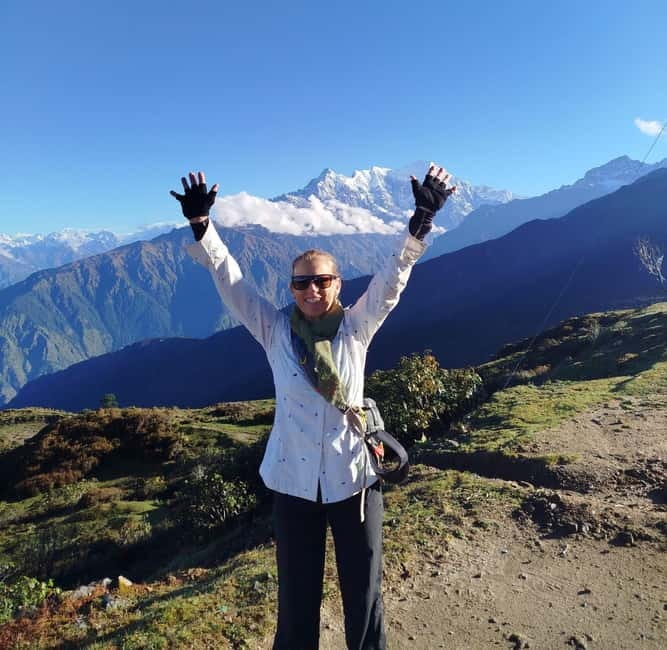
- Gosaikunda (4,380m) plus side lakes: You’re not just ticking a summit box; you’re exploring the lake cluster in Langtang National Park.
- Langtang National Park walking: Expect a real mix of natural scenery, including stretches through forested areas.
- Central Himalayas views: When weather cooperates, you get impressive sightlines toward the Langtang region.
- Short trek from Kathmandu: Five days is enough time for a meaningful trek without turning it into a long vacation project.
- Small group format: Limited to 14 participants, which keeps things organized on busy trail days.
- Practical guidance: Past trekkers praised guides like Raj and Terens for information and solid support.
A short trek with big altitude energy from Kathmandu
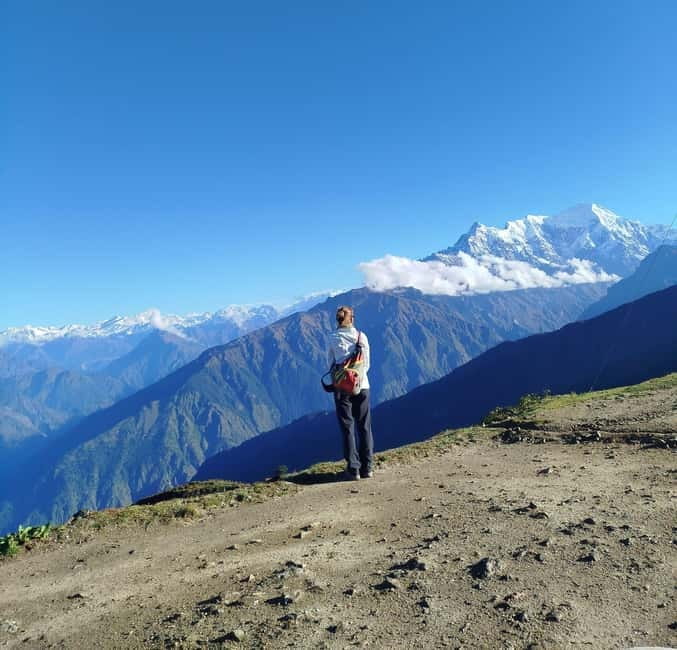
This is the kind of trek that fits a tight schedule but still delivers a real mountain story. The full trip is five days, but it’s not just a long walk. You’re also doing a major drive from Kathmandu into the hills and then hiking over multiple days with a high point at Gosaikunda (4,380m).
You’ll be traveling through a landscape that changes fast: lush green hills and terraced fields near the route, then steeper, colder alpine terrain as you climb. That rhythm matters because it makes the trek feel like you’re moving through zones, not just working up one slope forever.
If you’re the type who loves clear planning, this one helps. You have an experienced, licensed guide, a small group, permits taken care of, and trekking gear support. It’s a good match if you want the outdoors without the DIY stress.
You can also read our reviews of more tours and experiences in Kathmandu.



Getting to Dhunche: the drive that sets the mood
Day 1 starts with pickup from your hotel in Kathmandu. You’ll then transfer to a bus stop and ride toward Dhunche, which is the designated starting point of the trek. The drive can take about 5–6 hours, and the scenery along the way is part of the appeal.
This ride gives you your first taste of what’s coming. You should see lush green hills and terraced fields, plus snow-capped mountain views, including mentions of Manaslu, Ganesh, and Langtang in the route description. That early mountain backdrop is great for two reasons: it helps you gauge the terrain you’re about to walk, and it makes Day 1 feel like more than just transit.
Once you reach Dhunche, you walk toward Deurali (2,790m) for about two hours. That’s a smart early effort: long enough to get your legs going, not so long that you’re wrecked before the trek starts in earnest. You’ll sleep at a mountain guest house in Deurali.
Practical note: this is not a sprint start. Your first day is about finding your rhythm, not hitting some pace benchmark.
Day 1 to 2: Deurali to Laurebina, where steep becomes real
On Day 2, you begin with breakfast and a short guide briefing about what’s ahead. Then the trek works its way toward Laurebina (3,910m) via Chandanbari.
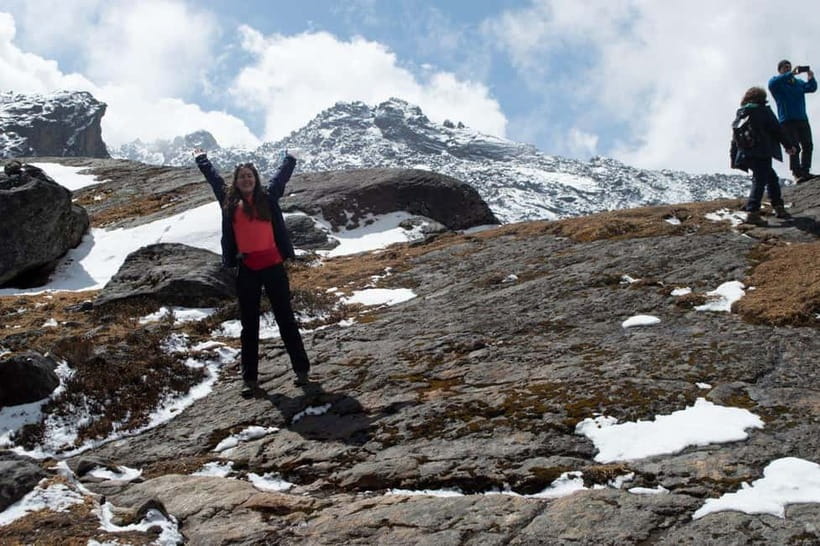
Here’s the key detail: the ascent is described as steep, and the path to Laurebina is a climb that you’ll feel in your breathing. You’re gaining a lot of altitude across the day, which is exactly why this route is best when you take it steady. Small, consistent steps beat big bursts.
Laurebina is your next overnight at a guest house. It’s a useful stop because it sets you up for the high day on Day 3. If you’re someone who gets anxious about altitude, this is where you can help yourself: eat well at breakfast, drink enough, and use the guest-house downtime to slow your body down.
Day 3: the Gosaikunda lake day at 4,380m
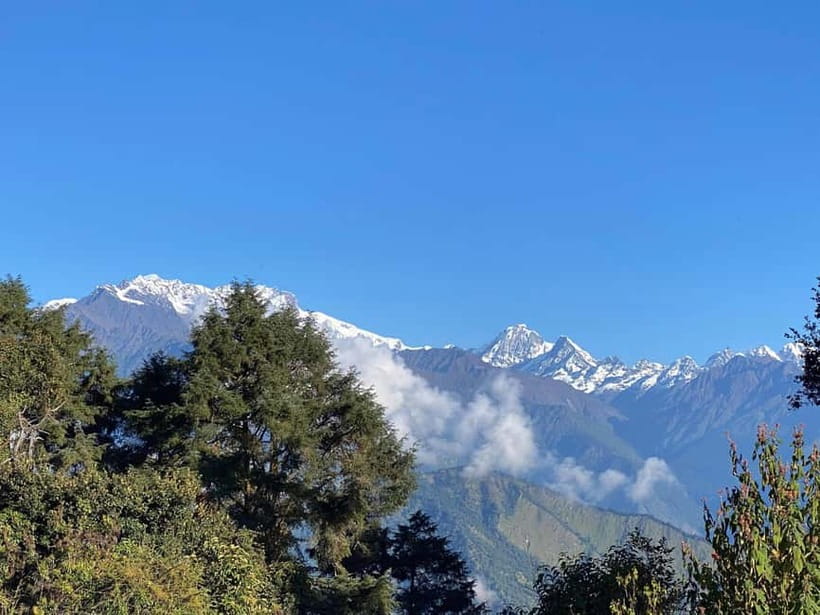
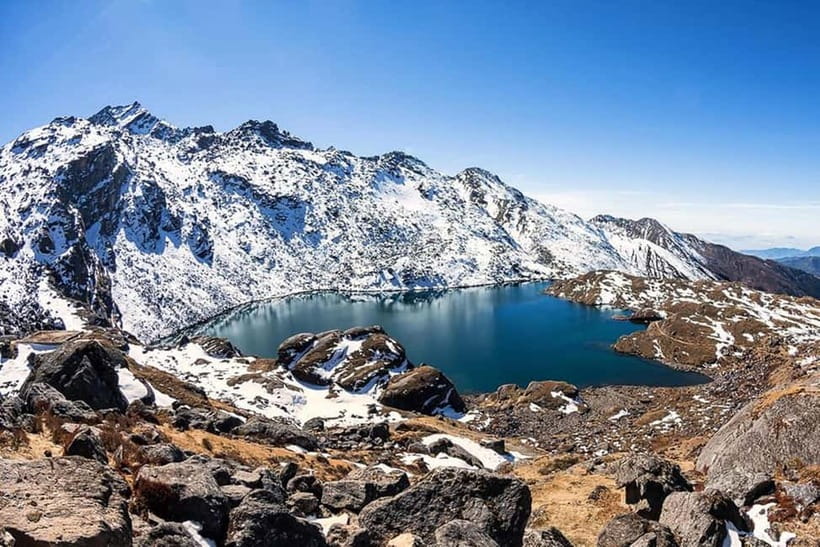
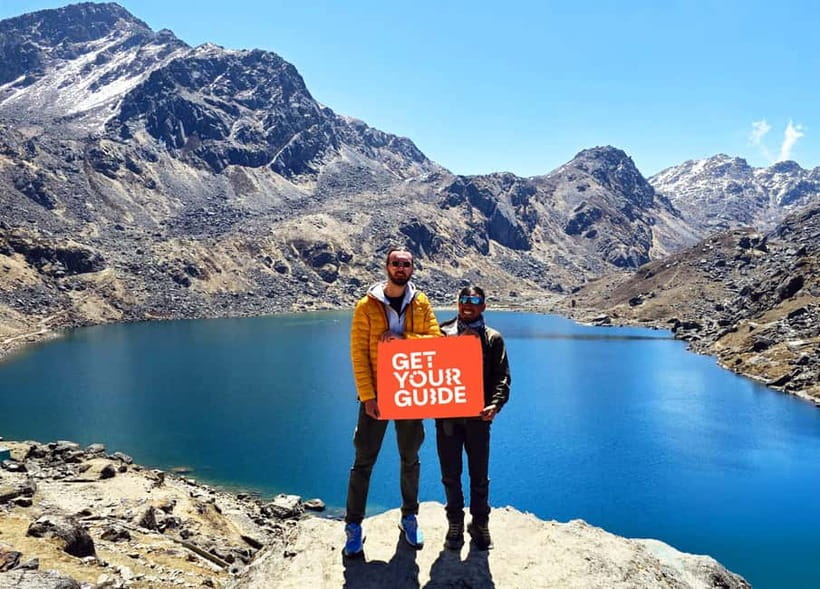
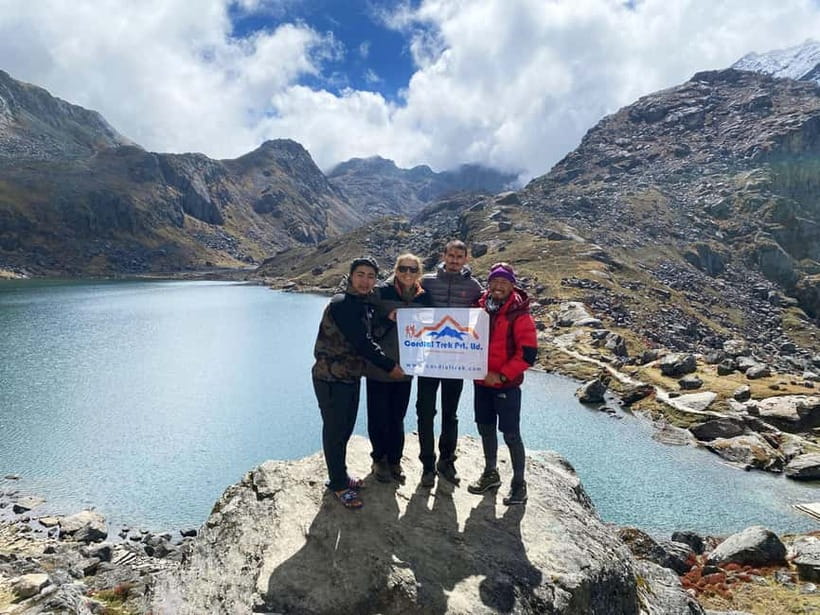
Day 3 is the main event. After breakfast and your guide’s day briefing, you trek from Laurebina toward Gosaikunda inside Langtang National Park. The lake sits at 4,380m, and it’s described as a sacred glacial lake.
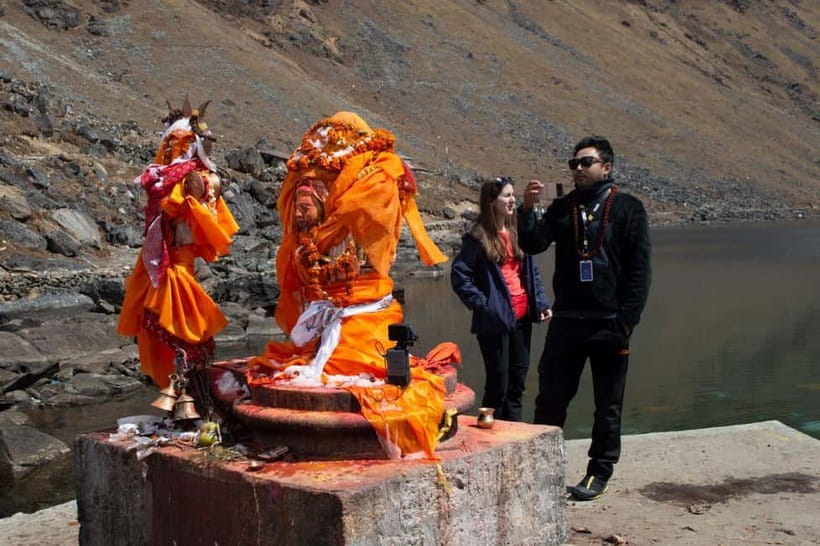
What makes this day special is that it’s not just one destination. You explore the lake and also spend time around other nearby lakes in the region, including:
- Bhairav Kunda
- Chandra Kunda
- Saraswati Kunda
Those extra stops matter because they turn the day into a real visit, not a quick photo stop. You’ll have more chances to pause, take in views, and adjust to altitude as your body warms up on the trail.
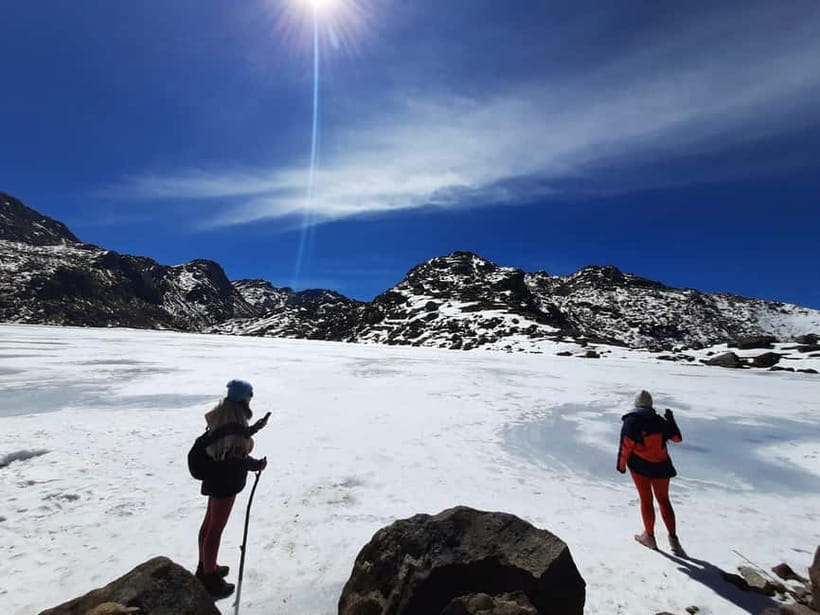
There’s also a useful natural context. The information you’ll get from your guide connects the lake to the wider water system: the lake melts to feed the Trishuli river, while it remains frozen during winter. That kind of explanation makes the landscape feel connected, not random.
And yes, this is where the views are often the star. You should enjoy a majestic view of the Langtang range in the background when weather conditions are clear. The itinerary specifically notes that the trek is offered throughout the year, but it’s best enjoyed when the skies are predominantly clear. Translation: pack for changing conditions, but keep your expectations realistic if clouds roll in.
In the afternoon, you hike back to Laurebina for your night halt. This gives you a satisfying loop without needing a multi-day grind.
Day 4: descending through rhododendron, pine, and bamboo
Day 4 shifts from climbing to letting your legs recover. You trek down gradually from the higher altitude back toward Dhunche, stopping overnight there.
The trail description is packed with terrain variety. You’ll descend through rhododendrons, pine and bamboo forests, then pass another dense forest and cross a river before reaching Dhunche. That mix is more than scenery credit. Forest sections can help you with comfort by breaking up wind exposure and giving your eyes a rest from open alpine slopes.
Descent days can still be hard. Your quads may complain, especially after a big high day. If you tend to go too fast downhill, this is the day to slow down a bit. A controlled descent keeps your knees happy and your energy intact for the final travel day.
You’ll end in Dhunche for the night, again at a mountain guest house.




Day 5: the Kathmandu return drive and what it feels like
On Day 5, you’ll have breakfast and then start your scenic drive back to Kathmandu. After arriving at the bus station, you’ll be transferred back to your hotel.
The most underrated part of the return day is that it gives you time to reset. Your body has been working for days, so the drive is a gentle landing. You’ll also get a last look at the region you walked through—often with more clarity than you had on the way up, because the major altitude effort is done.
It’s a full circle: mountains first by road, mountains by foot, then mountains again as the landscape unfolds back toward the city.
Guides, permits, and small-group logistics (the stuff that makes it feel easy)
This trek is set up to be smooth, and it’s not accidental. You get:
- an experienced and licensed trek guide
- necessary trek permits and TIMS card
- full board meals for the inclusive option
- hotel pickup and drop
- transport by bus (KTM–Dhunche–KTM)
- a small group capped at 14 participants
- sleeping bag and trekking poles available to borrow
The permit piece matters. In Nepal, permits aren’t just paperwork; they’re part of how access is managed. Having them handled helps you focus on the walk.
The guide part matters even more than you’d think. In the feedback you have, Raj is praised for being informative and communicating about plans ahead. Terens is also mentioned for competent support. That kind of steady guidance makes a short trek feel less chaotic, especially when you’re dealing with steep sections and a high lake day.
Language support is also practical. Your guide can be English, Icelandic, or Hindi. If you’re traveling solo, that matters for getting clear explanations about the trail, weather, and what to expect.
Price and value: what $190 covers, and what you should watch for
At $190 per person, this trek is priced like a structured guided package. For that rate, you’re getting more than a guide. You’re also getting bus transport, guest house accommodations for four nights, meals (if you choose the full-board inclusive option), permits and TIMS, and loaner trekking gear like a sleeping bag and trekking poles.
So the value comes from reducing your friction:
- Less planning for permits.
- Less worry about where to sleep each night.
- Less gear stress if you don’t own trekking poles yet.
What’s not included is also important. Personal expenses are on you, and travel insurance is recommended. If you don’t pick the inclusive meal option, meals are not included (the listing notes a budget option where meals aren’t part of the package).
You can also add a porter if you want, but you can’t assume that’s included. If you tend to carry extra items or want a lighter pack, consider adding it during checkout rather than waiting until you’re already on the trail.
What to bring (and what not to) for Gosaikunda comfort and respect
The trip is straightforward about essentials. You’ll want:
- Passport
- Camera
- Cash
You’re also borrowing a sleeping bag and trekking poles, so you don’t need to travel with those items. Still, you should bring your own basics: personal water bottle, layers, and whatever you need for comfort.
Not allowed:
- alcohol and drugs
- baby carriages
- bare feet
That last one is easy to overlook when you’re traveling on foot. Just keep footwear on when it counts. Your feet will thank you.
Because this is an altitude trek with a high lake day, plan to dress in layers that work when you’re climbing and when you’re standing still to take photos.
Who this trek is best for
I’d put this trek in the “short but real” category. You’ll enjoy it most if:
- you want a high-impact experience without a long multi-week commitment
- you’re comfortable with steep hiking and altitude
- you like being in a small group with clear organization
- you want guided context about the landscape and the national park environment
It’s not suitable if you’re under 10 years old, have mobility impairments, or weigh over 309 lbs (140 kg). If any of those apply, you’ll want to choose a different itinerary that fits better.
Should you book the 5-Day Gosaikunda Lake Trek?
Book this trek if you want a focused, well-supported mountain trip from Kathmandu that delivers a memorable destination at 4,380m. The combination of guided explanation, permits handled, guest house stops, and loaner trekking gear makes it feel less like a hassle and more like a clear plan with a big view at the end.
Skip it or switch to a more gradual option if altitude is a major concern for you or if steep days feel like a stretch. Also, if your goal is purely comfort, remember this is a hiking-focused itinerary with a real high day.
If you go in with patience, the trade-off is great: five days, a sacred lake visit, and the kind of Himalayan scenery that sticks with you after your legs recover.
FAQ
What is the highest altitude on the trek?
The maximum altitude is 4,380m at Gosaikunda Lake.
How long is the Kathmandu to Gosaikunda trek?
It runs for 5 days total.
What does transportation include?
Transportation is by bus from Kathmandu to Dhunche and back to Kathmandu (KTM–Dhunche–KTM), plus hotel pickup and drop.
What meals are included?
For the full board inclusive option, meals include 4 breakfasts, 5 lunches, and 4 dinners. For the budget option, meals are not included.
What’s included for trekking gear?
The trek includes necessary equipment, including borrowing a sleeping bag and trekking poles.
Do I need permits for this trek?
Yes. The tour includes necessary trek permits and the TIMS card.
What languages are available for the live guide?
The live tour guide can speak English, Icelandic, or Hindi.
What group size should I expect?
This is a small group limited to 14 participants.