Two days to summit Naag Tibba. What makes this trek appealing is how safe it feels with an expert trek leader, while the trip stays practical with camping gear and meals handled for you.
The main trade-off: you’ll still need to think about private transportation and your own costs for Mussoorie (stay and food during/after transit).
In This Review
- Quick takeaways on Naag Tibba with Yeti Outdoors
- Pantwari start and base-camp night: the gentle on-ramp
- Nag Tibba summit day: early start, big payoff, and a clear turnaround
- Camping gear and meals: why this package feels easier than it sounds
- Guides and the safety factor: Manish, Ashish, Rishabh, and the human details
- Timing, fitness, and what to pack for a smooth 2 days
- Price and value: $53.93 is the headline, but the inclusions are the real story
- What you’ll actually experience on the trail
- Private trek feel: just your group, less noise, more control
- Is Naag Tibba worth booking? My take
- FAQ
- How long is the Naag Tibba trek?
- Where do I meet for the trek?
- Is pickup available?
- What meals and camping items are included?
- Do I need permits or technical trekking equipment?
- Is this a private tour?
- What isn’t included in the price?
Quick takeaways on Naag Tibba with Yeti Outdoors
- Expert leader + support crew: you’re not hiking this solo, with qualified leadership and guides/cooks/helpers/porters/mules included
- Camping is fully planned: tents and common/technical equipment are part of the package
- Meals keep you moving: breakfast, dinner, and lunch (2) are included so you don’t carry a full load
- Pantwari to a base camp start: day 1 eases in with a gradual 3-hour walk, then you camp by the mountain
- Early summit day: you start morning, reach Nag Tibba, and get back to camp by lunch
- Private by design: only your group participates
Pantwari start and base-camp night: the gentle on-ramp
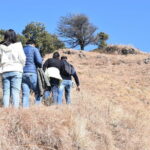
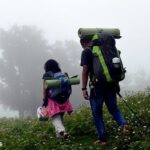
This trek begins in the Himalayan village of Pantwari. Day 1 is designed as a settling-in hike: you walk gradually for around 3 hours to reach the mountain’s base, then you camp right there.
I like this approach because it lowers the stress level. Instead of jumping straight into a brutal climb, you get time to find your rhythm, learn the pace of the group, and get used to trail footing before the summit push.
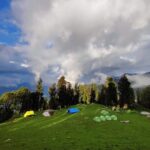
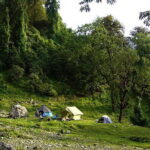
In the evening, camp is set and you have free time to explore the forest area around the site. That matters more than it sounds. Nightfall in the hills can feel magical, but you’ll appreciate having a real base camp set up rather than scrambling for logistics at the end of a long day.
You can also read our reviews of more tours and experiences in Rishikesh.
Nag Tibba summit day: early start, big payoff, and a clear turnaround
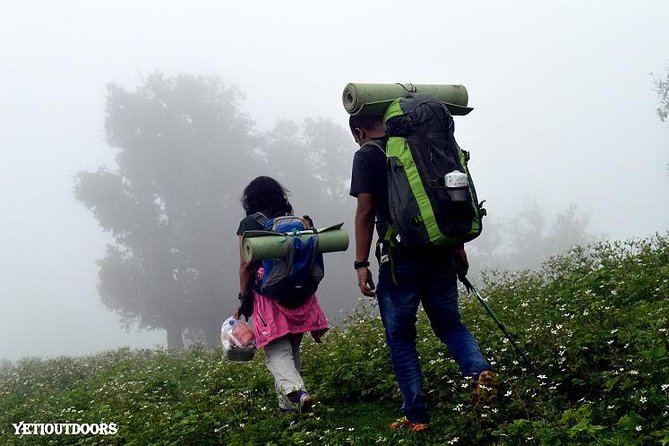
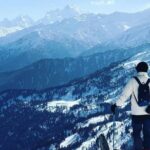
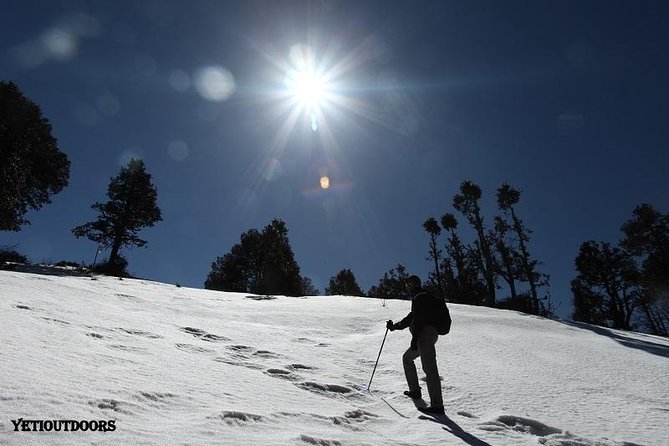
Day 2 is the headline: you set off early in the morning to reach the top of Naag Tibba. After admiring the summit views, the plan is to hike back to the camp by lunch.
Then comes the part that makes this trek fit into a broader itinerary. After lunch you move back toward Pantwari and start your journey onward to Mussoorie, where you’ll reach your next stop after transit.
One practical note: the schedule depends on weather and daylight, and this is a trek that’s built around getting you to the summit. That’s great when conditions cooperate, but it also means you should be flexible with the idea that the mountain calls the timing.
Camping gear and meals: why this package feels easier than it sounds
A lot of trekking deals look good on paper, then you realize you still have to carry or source half your trip. Here, the core comfort pieces are included: tents, camping gear, and the technical and common equipment you’d normally have to arrange yourself.
Meals are also part of the plan, not an add-on. You’ll have breakfast and dinner, plus lunch (2) across the two days. For you, that means one less worry: you can focus on hiking instead of shopping, packing, or figuring out where to eat at the right time.
Also included: permits. That’s one of those behind-the-scenes items that can slow down solo planning fast, especially when you’re trying to do everything yourself without a local contact.
Even with meals covered, you should still treat this like a hiking trip, not a sightseeing outing. Bring your own personal snacks if you know you’ll want them, but don’t assume you need to carry the entire food situation.
Guides and the safety factor: Manish, Ashish, Rishabh, and the human details
This trek is led by an expert trek leader qualified in basic/advanced mountaineering courses. That qualification matters because trekking in the Himalayas isn’t just about distance. It’s route choices, timing, and managing risk when the trail changes with weather and season.
The experience also runs with a proper team: guides, cooks, helpers, and porters/mules. You feel it in the rhythm of camp. People aren’t disappearing to “figure it out.” Tasks get done, equipment shows up when it should, and you spend less energy waiting around.
From the experiences shared in the details you provided, the guide is often named Manish, sometimes with assistants like Ashish or Rishabh. One person also notes Manish’s naturalist side, sharing information on flora and fauna along the way. That’s a real bonus if you enjoy learning what you’re walking through, not just collecting summit photos.
Timing, fitness, and what to pack for a smooth 2 days
The trek is listed as about 2 days, but the day structure is what you should plan around. Day 1 is roughly a 3-hour gradual walk to base camp. Day 2 starts early for the summit and returns by lunch.
So your fitness goal is simple: you need to be able to hike uphill for extended stretches while staying steady on a mountain trail. If you’re new to trekking, this kind of guided format is often a good way to build confidence because you’re not making route decisions alone.
What to pack depends on the season, but the “included” parts reduce your load. Since tents, camping gear, and technical equipment are covered, you can pack more like a day hiker plus a few essentials.
Plan on:
- layers for a cold morning on summit day
- footwear you trust on uneven ground
- a small day pack for personal items
I’d also keep a little wiggle room in your schedule the day you’re doing the Mussoorie transit, since the trek ending timing affects your next leg.

Price and value: $53.93 is the headline, but the inclusions are the real story
At $53.93 per person, this trek is priced in a way that can feel surprisingly light—especially because the package covers the expensive parts people often forget to budget for. You’re not just paying for a guide. You’re getting permits, camping equipment (including tents), meals, and the support team.
That’s where the value comes from: your costs are concentrated into one package rather than scattered across transport, rentals, food sourcing, and last-minute problem solving.
The flip side is what’s not included:
- private transportation
- insurance
- stay and food in Mussoorie
- food during transit
So the way you judge value is simple. If you’re already paying for getting to the meeting point and you have a plan for Mussoorie meals/stay, this looks like a strong deal for what’s included. If you were hoping everything from door-to-door plus Mussoorie costs would be covered, then you’ll need to budget extra.
What you’ll actually experience on the trail
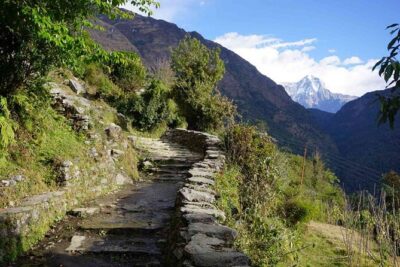
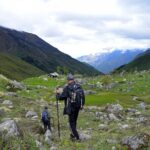
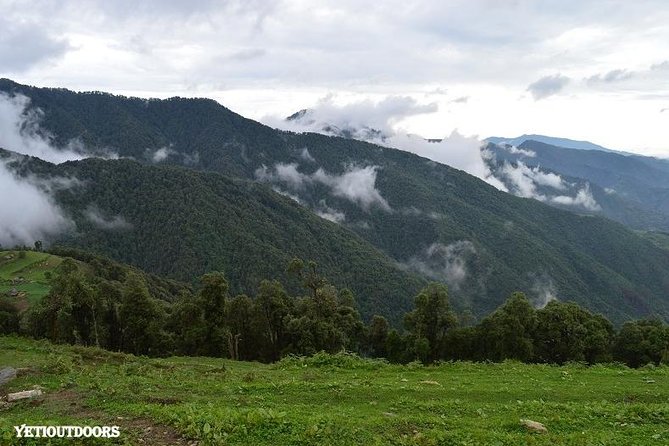
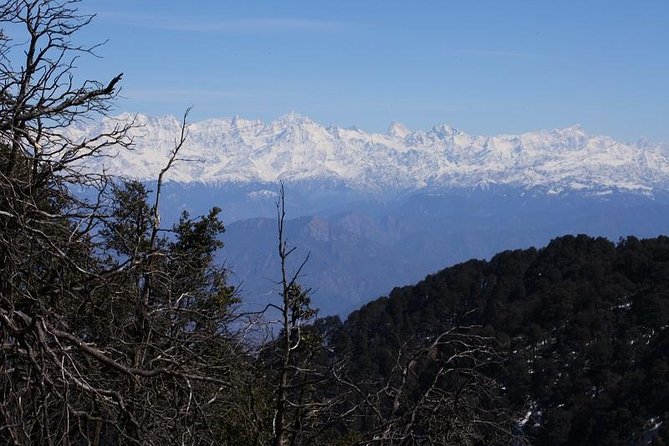
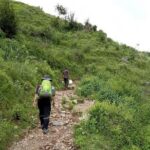
This isn’t a trek of roadside views. You’ll be moving through village life and forest hiking around Pantwari. The trail environment you’ll likely notice includes oak and rhododendron forests, with open meadows and views of snow-capped peaks from higher points.
That mix matters. Forest sections give you shade and cooler breathing. Meadows can feel more open and airy, with better sightlines when the weather is clear. Then the summit payoff brings the whole trip together.
And because you have camp time on day 1, you get more than just a quick hike-and-go routine. You spend a night in the mountain setting with equipment set up for you, not scrambling for a place to sleep.
Private trek feel: just your group, less noise, more control
The tour is private, meaning only your group participates. In a short two-day trek, that can be a big deal. You get fewer stops forced by strangers’ pace, and you can ask questions without feeling like you’re competing for attention.
It also means the guide can keep timing aligned with your group’s hiking rhythm. That matters when the schedule hinges on getting to the summit early on day 2.
Even if you’re traveling solo, private doesn’t automatically mean lonely. You still have the team, the safety net, and a planned flow from camp to summit to transit.
Is Naag Tibba worth booking? My take
If you want a guided, camping-included summit trek with meals handled and a real team behind you, this is a sensible pick. The price-to-inclusions ratio is strong, especially because it covers tents and equipment plus expert leadership.
I’d book this if:
- you want to hike near Rishikesh without self-planning camping logistics
- you like the idea of a slower day 1 and an early summit day 2
- you want a private experience with expert guidance
I’d think twice if:
- you need fully included transport plus Mussoorie lodging and meals
- you don’t want to deal with weather-dependent mountain timing (the trek requires good weather)
FAQ
How long is the Naag Tibba trek?
It’s listed as approximately 2 days.
Where do I meet for the trek?
The activity starts at Yeti Outdoors and ends back at the same meeting point. The hike itself starts from the Himalayan village of Pantwari.
Is pickup available?
Pickup is offered.
What meals and camping items are included?
Breakfast and dinner are included, and lunch is included for both days. The package also includes use of camping equipment and tents.
Do I need permits or technical trekking equipment?
Permits are included, and you also get the technical and common trekking equipment as part of the camping setup.
Is this a private tour?
Yes. Only your group participates.
What isn’t included in the price?
Private transportation, any insurance, and stay and food in Mussoorie are not included, and food during transit isn’t included.
Should you book? If you want a well-supported, safety-first Naag Tibba summit trip with camping gear and meals already taken care of, it’s a good match—just budget for your transport and Mussoorie costs on your own.