REVIEW · RISHIKESH
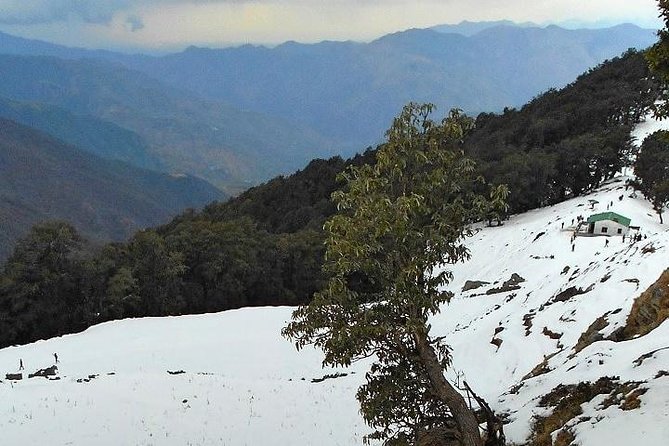
Nag Tibba Snow Trek
Book on Viator →Operated by TrailHikers · Bookable on Viator
Two days. One snow summit. No big commitment.
The Nag Tibba Snow Trek is a smart way to taste the Himalayas near Rishikesh without signing up for a week-long grind. I love how the hike is guide-led with a clear plan (so you’re not guessing your way uphill), and I also like that your core comfort stuff is handled—camping gear and meals are part of the package. The one thing to consider is that this is a real winter-style outdoor trek: cold weather and a moderate fitness level matter, and timing can shift with conditions.
On Day 1, you roll into Pantwari by about 10:30 am, start hiking around 11:00 am, and finish the day at camp by mid-afternoon. You’ll eat packed lunch on the trail, then settle into camp with tea/snacks, a bonfire, and dinner around 8:00 pm, all in a small-group setup (max 25 trekkers).
Day 2 is the classic early start: wake around 5:30–6:00 am, summit push begins 6:30 am, and you’re back at camp by about 12:30 pm for lunch before descending to Pantwari by 4:00 pm. It’s not hard to see why people call this a great weekend trek—just don’t underestimate the cold mornings and the fact that mountain schedules are always a little tentative.
In This Review
- Key things I’d bet on before you go
- Why Nag Tibba works as a quick Himalayan overnight
- Price and logistics: what about $54 actually buys
- Day 1: Pantwari arrival, trail start at 11:00, and the camp by mid-afternoon
- Night at camp: tents, sleeping bags, and the real value of comfort
- Day 2: the 6:30 am summit push to Nag Tibba, then down by 4:00 pm
- Guides, cooking team, and permits: the small systems that make it feel easy
- What to pack (and what you can leave at home)
- Difficulty and timing: moderate fitness, plus weather reality
- Should you book the Nag Tibba Snow Trek?
- FAQ
- How long is the Nag Tibba Snow Trek?
- Where does the trek start and where do I end up?
- Is pickup included?
- What are the key times on Day 1?
- What are the key times on Day 2?
- What camping gear is provided?
- Are meals included?
- Are trekking permits included?
- What should I bring or budget for separately?
- What if the weather isn’t good?
Key things I’d bet on before you go
- Overnight gear is provided: tents, sleeping bags, and mats—so you don’t have to buy kit for one trek.
- Summit timing is built in: start at 6:30 am and aim for the top by 9:30 am, then return for lunch.
- Meals keep you moving: breakfast, packed lunch, lunch again, plus dinner and early-morning tea/snacks.
- Transfers from Dehradun/Mussoorie to Pantwari are included: reduces the biggest hassle in this region.
- Guides and local support matter: people specifically noted care from team members like Raman Sharma (often referenced as Raman sir), plus onsite attention from Suman Singh, and local support like Ganesh bhaiya.
Why Nag Tibba works as a quick Himalayan overnight
This trek is designed for people who want the mountains fast. Nag Tibba (often written Nag Tibba Snow Trek) is a popular option because you get that snowy summit feel without committing to a long, multi-day route.
You’re still hiking in real mountain conditions. But the structure is tidy: Day 1 builds you into the experience, Day 2 goes for the summit early, and then you’re back down by afternoon. That rhythm is what makes it a good match for a weekend or short trip around Rishikesh.
If you’re new to trekking, this format is also easier to wrap your head around. You’ll know when you’re hiking, when you eat, when camp happens, and when you descend. And if you’re not new, it’s still a satisfying “get up there, get the view, go home” plan.
You can also read our reviews of more tours and experiences in Rishikesh.
Price and logistics: what about $54 actually buys
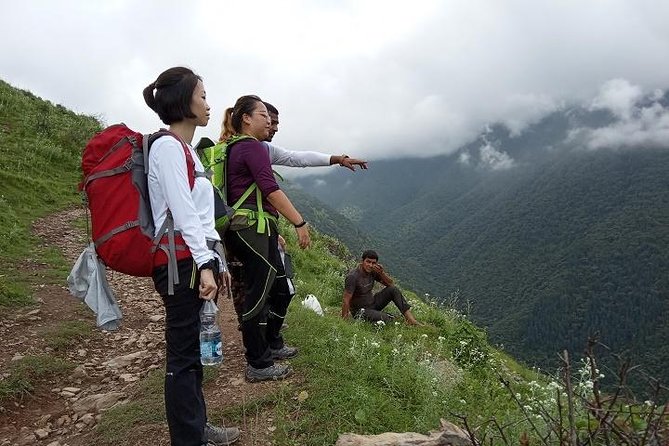
At $54 for roughly 2 days, the value comes from bundling the expensive-to-organize parts.
Here’s what you’re getting that you’d otherwise have to figure out yourself:
- Round-trip transfers from Dehradun / Mussoorie to Pantwari (and back)
- Camping equipment (tents, sleeping bags, mats, etc.)
- Forest trekking / camping permits
- Meals included (breakfast, lunch on Day 1, lunch on Day 2, dinner, plus tea/snacks)
- Pickup is offered, and you get a mobile ticket
What’s not included (and can change your total cost):
- Personal trekking gear like jackets, poles, and hiking shoes
- Backpack offloading charges if you need them: Rs 250–300 per backpack per day
- Any personal food or medicines costs
- Any hotel or lodge stay (since this is a trek, not a room package)
So the real question is simple: do you already own decent cold-weather trekking gear? If yes, this price is a strong deal. If no, your budget needs to include gear or a rental option somewhere else.
Also note the group size: max 25 trekkers. That’s big enough for a lively group, but small enough that the trek doesn’t feel like a moving bus.
Day 1: Pantwari arrival, trail start at 11:00, and the camp by mid-afternoon
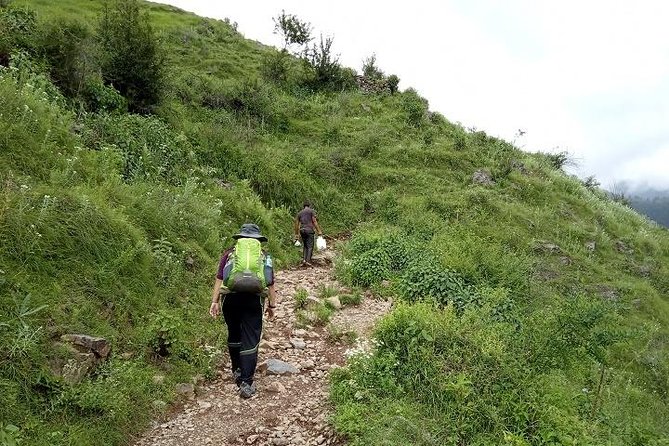
Day 1 has a clear “arrive, hike, camp” arc.
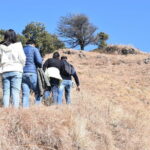
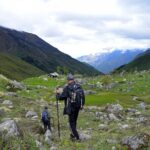
You’ll reach Pantwari by around 10:30 am, with breakfast arranged en route or as preferred. Then you start the trail at about 11:00 am. This matters because it gives you daylight for the climb and a reasonable buffer to finish hiking before camp time.
Between 12:00 and 12:30 pm, you eat packed lunch on the trail, which is one of those small details that keeps the schedule smooth. Instead of stopping too often, you get fuel at the planned time and keep moving toward camp.
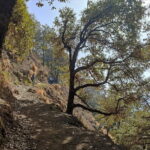
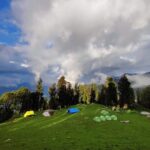
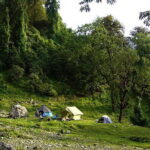
By about 3:30–4:00 pm, you arrive at Campsite 1, listed as Kathian or Nag Tibba base. Then the tone shifts. It’s not just “walk and done”—it’s settle in.
Your camp evening includes:
- Evening tea/snacks
- Bonfire
- Dinner at 8:00 pm
One practical thing: mountain timing is always tentative. Even if the plan says one hour, the pace depends on stamina and weather. Plan to go with the flow, not your watch.
Night at camp: tents, sleeping bags, and the real value of comfort
If you want to enjoy a cold-weather trek, sleep matters. And this package handles a big chunk of that stress by providing sleeping bags and mats, plus the tents.
From past trekkers’ experiences, the camp setup tends to feel organized, and people highlighted warm sleeping bags and a comfortable tent stay. That doesn’t remove the cold—it just makes it survivable and, honestly, more enjoyable.
Expect the night to be the hardest part if you run cold. Your “wins” here are:
- you don’t have to carry heavy camping kit
- you have a warm sleep system provided
- you get a social evening with tea/snacks and a bonfire
A small but important tip: keep your warmth routine simple. Wear your layers consistently. Don’t wait until you’re already shivering to fix it. The goal is to save your energy for the summit morning.
Also, the schedule on Day 2 is early. That means you should treat bedtime like part of the trek, not an afterthought.
Day 2: the 6:30 am summit push to Nag Tibba, then down by 4:00 pm
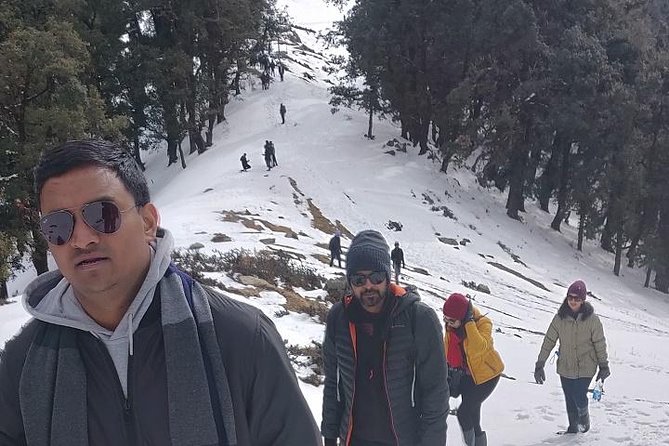
Day 2 is about momentum.
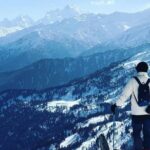
You wake around 5:30 / 6:00 am, then have tea/snacks and breakfast around 6:00 am. The summit hike starts at about 6:30 am. The plan aims for the Nag Tibba summit by around 9:30 am, which gives you a few hours to enjoy the top before the day tightens up.
After reaching the summit, you head back to the campsite and aim to arrive around 12:30 pm, then lunch is served. After lunch, you start the descent around 1:30 pm and return to Pantwari by about 4:00 pm.
Then the drive back kicks in at around 4:30 pm:
- arrive Mussoorie by about 6:30 pm
- or Dehradun by 8:00–8:30 pm
This is where the “two-day” format shines. You get the summit effort plus a structured descent, and you’re not stuck hiking until dark. That’s the kind of planning that protects your energy and sanity.
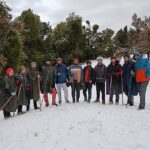
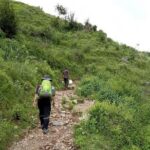
One extra note drawn from how people describe the climb: the experience can feel challenging at first, and motivation from the guide team makes a visible difference. Names that came up in care and leadership include Raman Sharma and local support like Ganesh bhaiya. You also might hear how decisions work on the mountain—you can choose how much to push upward, but getting down safely is always the priority. In other words, you’re not just chasing a peak; you’re managing effort.

Guides, cooking team, and permits: the small systems that make it feel easy
For short treks, you notice everything. If camp food is bland or chaotic, you feel it fast. If the guide communication is messy, you waste energy.
Here, the setup is designed to remove those friction points. Your route includes:
- a guide for the hike
- forest trekking/camping permits
- meals included
- a camp team cooking and coordinating so you’re not stuck managing it all
People specifically praised the guide check-ins (tracking wellbeing) and the camp cooking. One thing that shows up clearly: food quality matters on this trek, not just calories. Dinner and lunches are described as tasty, and cooks/guides are noted as friendly and supportive.
That support also matters for nervous beginners. When you’re cold and climbing steep sections, you don’t need theory—you need steady reassurance and clear pacing.
What to pack (and what you can leave at home)
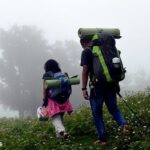
Since the tour doesn’t include your personal trekking gear, this is where you should be prepared. The package includes camp gear like tents and sleeping bags, but you’ll still need to dress and move well.
Plan on bringing:
- a warm jacket/layers (explicitly not included)
- hiking shoes (explicitly not included)
- trekking poles if you use them (also not included)
- personal essentials like medicines, since personal medicine costs aren’t included
For everything else, keep it simple. You’ll already be hiking for a few hours on Day 1 and doing a bigger early push on Day 2, so don’t bring a suitcase’s worth of “just in case.”
Also think about your backpack. If you need backpack offloading, budget Rs 250–300 per backpack per day.
Difficulty and timing: moderate fitness, plus weather reality
The trek asks for moderate physical fitness. That’s not a vague marketing word here—it lines up with the schedule.
You’ll hike around:
- 3–4 hours on Day 1 (from the plan: trail start ~11:00, camp arrival ~3:30–4:00)
- and a more demanding Day 2 summit window (early start, summit by ~9:30, then return and descend)
Altitude isn’t spelled out in the data, so I’ll keep the advice practical: pace yourself on the first climb. Save energy for the summit start and the descent. Cold air and snow (when conditions allow) can make breathing feel harder even if you’re fit.
Weather matters too. The experience requires good weather, and if it’s canceled due to poor conditions, you’ll be offered a different date or a full refund.
Finally, remember the schedule is tentative. The plan times depend on your pace and stamina.
Should you book the Nag Tibba Snow Trek?
I’d book it if you want a real Himalayan adventure but you’re limited on time. This is a strong fit for:
- first-time trekkers who want structure and support
- weekend travelers based around Rishikesh
- people who don’t want to organize permits, camping gear, and transfers on their own
I’d think twice if:
- you hate cold nights and aren’t willing to dress for winter conditions
- you need this to be fully “easy mode” with no physical effort
- you don’t already have basic trekking footwear and warmth gear (since those aren’t included)
If you show up prepared, you’ll get what people clearly value most here: a guided summit hike, solid camp organization, warm sleeping gear, and food that keeps you going.
FAQ
How long is the Nag Tibba Snow Trek?
It runs for about 2 days (timings are approximate and depend on pace and mountain conditions).
Where does the trek start and where do I end up?
You’ll travel from Dehradun or Mussoorie to Pantwari for the trek start, and the trip ends back at the meeting point. You’ll drive back after Day 2 (around 4:30 pm), reaching Mussoorie around 6:30 pm or Dehradun around 8:00–8:30 pm.
Is pickup included?
Yes, pickup is offered, and you’ll receive a mobile ticket.
What are the key times on Day 1?
You aim to reach Pantwari by 10:30 am and start the trail at 11:00 am. You eat packed lunch on the trail around 12:00–12:30 pm and arrive at the campsite around 3:30–4:00 pm.
What are the key times on Day 2?
You wake around 5:30–6:00 am, have tea/snacks and breakfast at about 6:00 am, then start for the summit at 6:30 am. You aim to reach the summit by 9:30 am, return to the campsite around 12:30 pm, and reach Pantwari by about 4:00 pm.
What camping gear is provided?
Camping equipment is included, including tents, sleeping bags, and mats (plus other camping gear).
Are meals included?
Yes. Breakfast, lunch (2), and dinner are included, plus tea/snacks on Day 1 and Day 2 in the morning.
Are trekking permits included?
Yes. Forest trekking / camping permits are included.
What should I bring or budget for separately?
You’ll need personal trekking gear like jackets, poles, and hiking shoes (not included). If you need backpack offloading, it’s Rs 250–300 per backpack per day. Personal costs for food/medicines and any hotel/lodge stay are also not included.
What if the weather isn’t good?
The experience requires good weather. If it’s canceled due to poor weather, you’ll be offered a different date or a full refund.