One long hike turns into two nights of sky-watching. Jindhagada Peak, also called Seethamma Konda, sits at about 5,545 feet and rises above the Araku–Paderu hills where Kondh communities have lived for centuries. This trek mixes slow, guided walking with camping, cave exploration, and the kind of night moments that only happen when you’re far enough from city lights.
What I really liked is the human scale of the experience, from the friendly Ecohikes crew to the guides who keep things smooth. Names that kept showing up for me in how the trek runs are Ravi and Naveen, and that matters because you want calm leadership when the day is long and the weather can change.
One consideration: the experience depends on good weather, and stargazing/night photography is only a bonus if the sky is clear. If clouds roll in, you’ll still get the mountain and the culture parts, but you may lose some of the night-sky payoff.
In This Review
- Key Things That Make Jindhagada Special
- From Visakhapatnam to Olubidda: What Your Long Day Really Is
- Coffee Paderu Plantation: A Calm Stop Before the Climb
- Caves and “Builders” on the Mountain: Exploring Beyond the Viewpoint
- Trekking Pace and Trail Leadership: Slow, Guided, and Actually Manageable
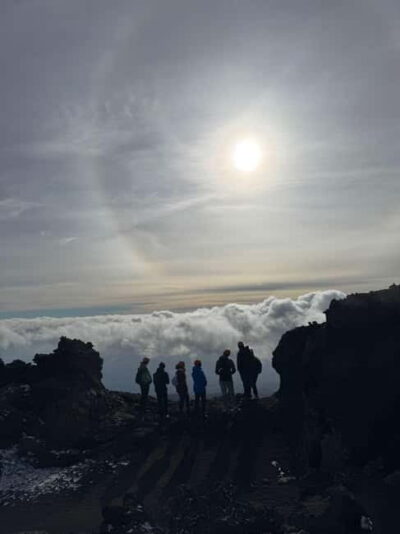
- The Overnight Camping Part: Sunrise, Sunset, and Stargazing If Clear
- Kondh Tribal Culture and Day-2 Lunch: The Meal Is Part of the Show
- Price and Value: Why $335.65 Can Make Sense
- Who This Trek Is Best For (And Who Should Think Twice)
- Booking Notes: How Weather and Timing Affect Your Outcome
- Should You Book the Jindhagada Trek?
- FAQ
- Where does the Jindhagada Trek start and end?
- How long is the trek?
- What is the trek location and peak name?
- Is pickup included?
- What’s included in the price?
- Are snacks included?
- Is it a private tour?
- Do I need good weather for the trek?
- Who provides guidance and safety support?
Key Things That Make Jindhagada Special
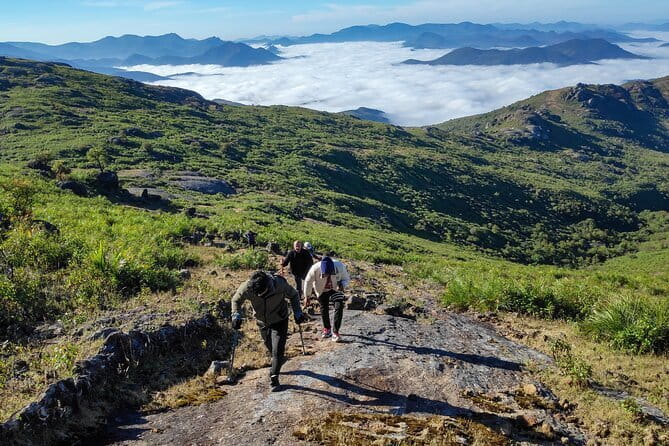
- Seethamma Konda at ~5,545 feet: a true Andhra Pradesh high point and a big-view payoff
- Coffee Paderu plantation visit: a scenic, hands-on stop that breaks up the hike day
- Cave + mountain exploration: you’re not just climbing—you’re exploring Eastern Ghats terrain
- Overnight camping at a viewpoint: sunrise and sunset moments, plus optional night photography
- Kondh tribal culture and meal: you’ll eat food prepared by Kondh community members
- Safety and support on the trail: guided by an outdoor guide and a wilderness first responder
From Visakhapatnam to Olubidda: What Your Long Day Really Is
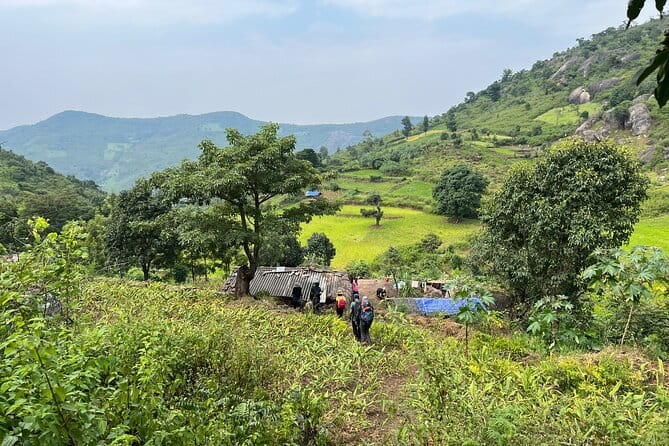
This trek is based out of Visakhapatnam, with the start point listed as Rushikonda. You get pickup offered, and the tour returns you to the same meeting area at the end. On paper, it’s “1 day 12 hours (approx.),” but in practice it feels like a long, organized mountain day that includes an overnight camp.
The drive portion is part of the value. The route takes you from the city out toward the hill country near Araku and Paderu, and that transition is the point: you’re not just doing a workout, you’re changing environments. You’ll travel to Olubidda village and back, so the trek doesn’t feel like a random hike cut loose from everything around it.
If you like trips where the schedule is clear but the pace is relaxed, this one fits. The trek includes slow paced trekking, which is ideal if you want the mountain views and cave stops more than you want to race to the top. Also, it’s described as a private tour/activity, so you’re in your own group rather than mixing into a crowd.
Coffee Paderu Plantation: A Calm Stop Before the Climb
Early on, you’ll visit a coffee Paderu plantation. This is one of those “small detours” that can make the difference between a trek that feels like nonstop strain and one that feels like an actual day out in the countryside.
Why I’d place this stop near the top of your enjoyment list: it gives you a human, agricultural view of the region you’re hiking through. Instead of only seeing hills and stone, you also get context about how people live and grow crops here. It’s also a good moment to reset mentally—water, a short look around, and then you’re back into trekking.
One practical tip: treat plantation stops as your chance to adjust clothing. You’ll be moving again soon, and getting comfortable early makes the rest of the day easier.
Caves and “Builders” on the Mountain: Exploring Beyond the Viewpoint
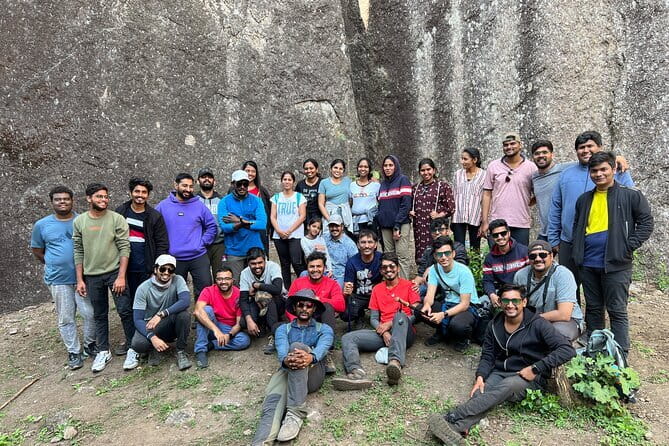
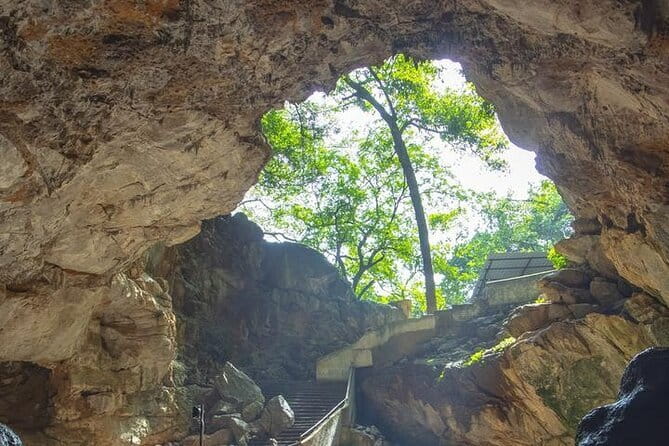
After the plantation, the route includes exploring a cave and builders on the mountain. The wording here is unusual, but the meaning is clear: you’re going beyond just a trail line. You’ll spend time at natural features up in the Eastern Ghats terrain.
This matters because it changes what you remember. A lot of peak hikes blur together into “up, up, up.” With cave and rocky-area exploration included, you get variety—different textures, different light, and different photo angles. You’ll also get a better sense of the mountain as a place, not just a destination.
There’s also a guided element: the trek is set up with guidance on trekking in Eastern Ghats and support from a qualified outdoor guide. So if you’re not used to navigating rough terrain, you’re not left guessing.
Trekking Pace and Trail Leadership: Slow, Guided, and Actually Manageable
The hike portion is specifically described as a slow paced trekking experience, and that’s a big deal for value. Slow pacing usually means:
- fewer moments where you’re arriving exhausted before the best views
- more time to enjoy stops like the cave area
- less stress for people in a mixed group
In the way Ecohikes runs this trek, leadership shows up at the key fatigue points. Several accounts highlight the team stepping in with food, water, and essentials once people reach the peak area—when your legs are shaking and you’re tired but still trying to take in the view.
If you’re the type who likes being active without feeling like you’re always fighting for breath, this format is your friend. And because the trek includes a wilderness first responder, you can also feel better about safety decisions in the field, especially when weather could affect trail conditions.
The Overnight Camping Part: Sunrise, Sunset, and Stargazing If Clear
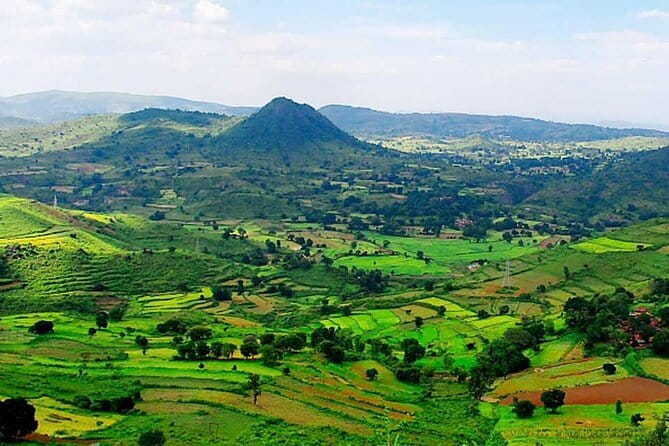
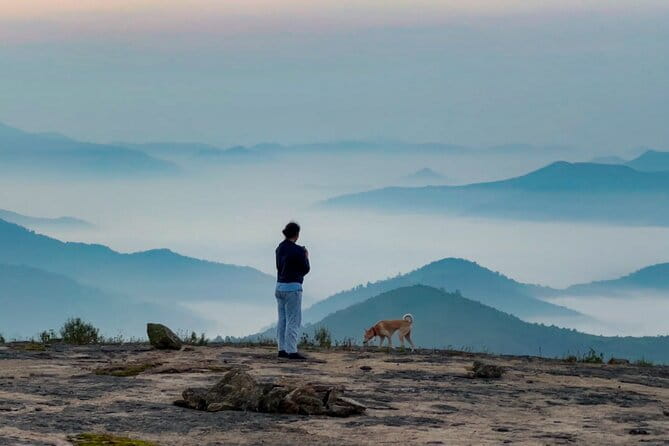
The heart of the experience is the camping at a beautiful view point on the peak. This is where Jindhagada moves from a day hike into something more memorable.
You’ll have time for:
- scenic views from the camp viewpoint
- sunrise and sunset moments (often the peak time for photos)
- stargazing and night photography, if it’s not cloudy
That “if it’s not cloudy” line is important. You can plan for night sky time, but you shouldn’t count on it the way you’d count on sunrise. If clouds show up, you’ll still have the atmosphere of a camp night in the hills—just fewer stars in the frame.
Also, camping adds a different kind of satisfaction. You’re not just passing through. You’re staying long enough for the mountain to change colors, and you get that slow shift from daylight exploration to night-time stillness.
A nice detail from the experience descriptions and stories: people have talked about moments like a meteor shower alongside sunrise/sunset. That’s not guaranteed, but it hints at the kind of sky-time this trek can create.
Kondh Tribal Culture and Day-2 Lunch: The Meal Is Part of the Show
One of the most meaningful pieces of this trek is the insight into Kondh tribal culture. The plan includes food prepared by the Kondh community, served for day 2 lunch in the trek flow.
That’s valuable for two reasons:
- You get a meal that’s tied to the place, not just a generic packed lunch.
- You come away with a clearer sense of who lives in these hills and what food looks like in local life.
This is also where the trek feels more human and less like a checklist. You’re walking through the Eastern Ghats, but then you stop and eat with context. For many people, that’s the difference between seeing a mountain and actually understanding it a little.
There’s also an option to take a dip in fresh water streams and a pool during the experience. If you’re curious, this can be a refreshing reset after trekking. If you’re not into it, you can skip it without losing the main parts.
Price and Value: Why $335.65 Can Make Sense
At $335.65 per person, you’re paying for more than transport and a viewpoint. The included items are lunch, dinner, and breakfast. There’s also pickup offered, plus guided leadership that includes wilderness first responder support and trekking guidance in the Eastern Ghats.
Here’s how I’d think about value:
- Meals are taken care of (and that’s usually where trekking costs quietly add up).
- You’re not only hiking; you’re doing plantation + cave + camping viewpoint + cultural meal.
- You’re getting safety support and qualified guidance, which matters on remote terrain.
For individual hikers, people often describe the cost as reasonable—especially because the experience is structured and includes key comforts like food and essential help at the peak. For families, you might want to check group sizing and availability before committing, because a private tour can still mean different cost/value depending on how many people are joining.
Who This Trek Is Best For (And Who Should Think Twice)

This trek is a strong fit if you want:
- an overnight camping experience rather than only a short day hike
- a guided experience with a team that feels friendly and present
- stargazing/sunrise/sunset as a main goal
- cultural connection through Kondh food and insight
- a slow, manageable pace with exploration stops like a cave
It may be less ideal if:
- you need guaranteed stargazing (clouds can limit night photography)
- you’re expecting a quick in-and-out trek with minimal time on the move (this is about 12 hours, give or take)
- you want only urban-style comfort and schedules with fewer variables (weather can affect how the trek feels and runs)
Booking Notes: How Weather and Timing Affect Your Outcome
This experience requires good weather. If it gets canceled due to poor conditions, you’ll be offered a different date or a full refund. That’s good news, because it means the operator isn’t trying to force a subpar experience.
You’ll also get confirmation at booking, and tickets are handled digitally with a mobile ticket. The tour ends back at the start area, so you’re not stuck figuring out last-mile logistics on your own.
For timing, plan like someone going on a real excursion: you’ll be traveling from Rushikonda, spending the day on terrain, and still being active past daylight.
Should You Book the Jindhagada Trek?
I’d book it if you want a mountain day that turns into a proper night out—one with camp viewpoint time, a real chance at sunrise and sunset, and local depth through Kondh culture and food. The Ecohikes team vibe is a clear theme, and the practical support at the peak—food, water, and essentials—makes the experience feel cared for rather than just “here’s the trail, good luck.”
Skip it (or at least reconsider) if stargazing is your only priority and you’d be upset if clouds show up. Also, if long outdoor days throw you off, remember this is still a full trek schedule stretched to about 12 hours.
If you’re looking for an authentic Eastern Ghats trek near Visakhapatnam—with safety support, guided exploration, and a culture-and-food component that doesn’t feel tacked on—this is a good bet.
FAQ
Where does the Jindhagada Trek start and end?
The trek starts at Rushikonda, Visakhapatnam, Andhra Pradesh, India, and it ends back at the meeting point.
How long is the trek?
The duration is listed as about 1 day (approximately 12 hours).
What is the trek location and peak name?
It’s in the Visakhapatnam area, and the trek is to Jindhagada Peak / Seethamma Konda, described as the highest peak of Andhra Pradesh at about 5,545 feet.
Is pickup included?
Yes. Pickup is offered.
What’s included in the price?
The included meals are lunch, dinner, and breakfast.
Are snacks included?
No. Snacks are not included, and the listing specifies only the items mentioned under inclusion are provided.
Is it a private tour?
Yes. It’s described as a private tour/activity, meaning only your group will participate.
Do I need good weather for the trek?
Yes. The experience requires good weather. If it’s canceled due to poor weather, you’ll be offered a different date or a full refund.
Who provides guidance and safety support?
The trek includes a qualified outdoor guide and wilderness first responder support during the experience.