REVIEW · MU CANG CHAI
Half Day Private Trekking Mu Cang Chai_Morning or Afternoon
Book on Viator →Operated by Indigenous Adventure · Bookable on Viator
Mu Cang Chai rewards the early hours. In just half a day, you get into Hmong village life and the rice-terrace viewpoints that make this area famous. What I like most is that the pace is built for real conversation, not just photo stops, with small groups capped at six.
Two things I genuinely like: first, you trek with a Hmong guide (English-speaking) who can explain what you’re seeing in daily terms, from farming work to home life. One recent guide mentioned in feedback, Yien, is from La Pán Tẩn and guided people through the Mâm Xôi terraces and a Hmong mountain village. Second, the tour includes lunch at an indigenous homestay, so the day connects back to local people instead of ending at a roadside viewpoint.
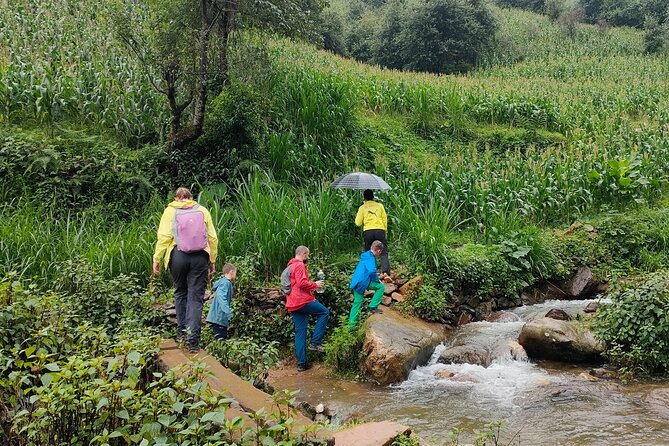
One consideration: you’ll be out on uneven mountain paths for about 4 to 5 hours, and the program works best in good weather. If rain makes walking uncomfortable or the route unsafe, they may change dates (or the plan) rather than push through.
In This Review
- Key things to know before you go
- A private half-day trek that doesn’t feel rushed
- Getting from La Pán Tẩn to Mu Cang Chai with less hassle
- Your Hmong guide: what you’ll actually learn on the trail
- Route choice: Mâm Xôi (Raspberry Hill) vs. La Pán Tẩn viewpoints
- Stop in Mu Cang Chai: villages, terrace valleys, and everyday work
- Lunch at an indigenous homestay: why it’s the real payoff
- What “private” and “small group” changes for your day
- Price and value: is $60 worth it?
- Weather and pacing: what to prepare for
- Who this tour fits best (and who should skip it)
- Should you book this Mu Cang Chai private trek?
- FAQ
- FAQ
- How long is the Mu Cang Chai private trekking tour?
- What does the $60 per person price include?
- Is this tour private?
- How big are the groups?
- Do I get pickup and transport?
- Where is the meeting point?
- What route options are available?
- Is lunch included, and where do you eat?
- What level of physical fitness do I need?
- What happens if the weather is bad?
- Is there a cancellation fee?
Key things to know before you go
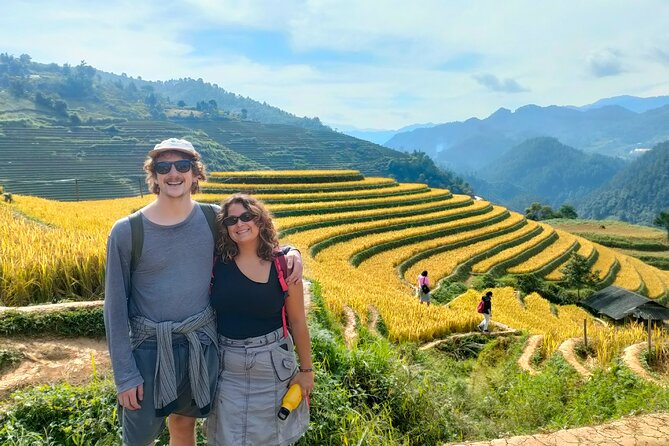
- Max group size of six means you’re not lost in a crowd
- Hmong guide experience gives context for villages, rice fields, and daily routines
- Two route options: Mâm Xôi (Raspberry Hill) or a La Pán Tẩn viewpoint route
- Homestay lunch included rather than a quick roadside meal
- Pick-up from the La Pán Tẩn area with hassle-free 2-way transfers
- Moderate fitness needed for trekking through terrace valleys and village paths
A private half-day trek that doesn’t feel rushed
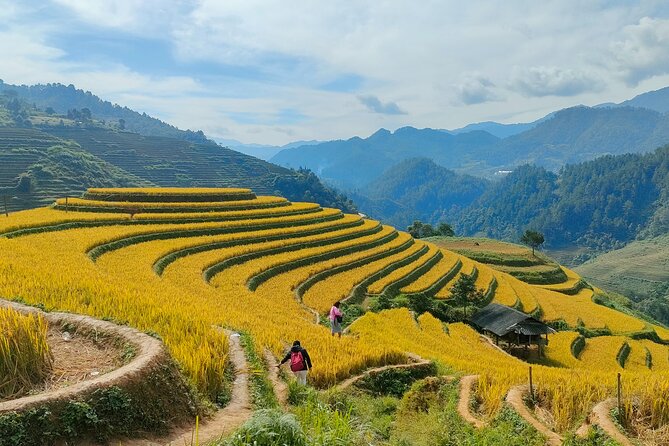
This is a private trekking experience in northern Vietnam’s Mu Cang Chai region, designed as a half day. Think roughly 4 to 5 hours total, with either a morning or afternoon option. The idea is simple: get you from your starting point into the terrace valleys and villages, then bring you back without the day turning into a full travel project.
The big value is that it’s private. Only your group participates, so you can ask questions freely and keep the pace comfortable. It also means the guide can adjust a little when the group needs a slower moment to rest, check views, or take a closer look at how farming is done.
You can also read our reviews of more tours and experiences in Mu Cang Chai.
Getting from La Pán Tẩn to Mu Cang Chai with less hassle
Most people lose time to transport, waiting, and last-minute confusion. Here, you get 2-way transfers from the La Pán Tẩn area, where many homestays and hotels are located. That matters because it keeps the trek as the main event instead of the trek being the last part of a complicated day.
You’ll start at Mu Cang Chai Center homestay & Tours in La Pán Tẩn, Mù Cang Chải District, Yên Bái. The activity ends back at the meeting point, so you don’t have to figure out how to get yourself back after lunch and walking.
There’s also mobile ticketing, and confirmation comes at booking time. If you like knowing the plan ahead of time, this kind of setup reduces stress when you’re in a place where schedules can feel informal.
Your Hmong guide: what you’ll actually learn on the trail
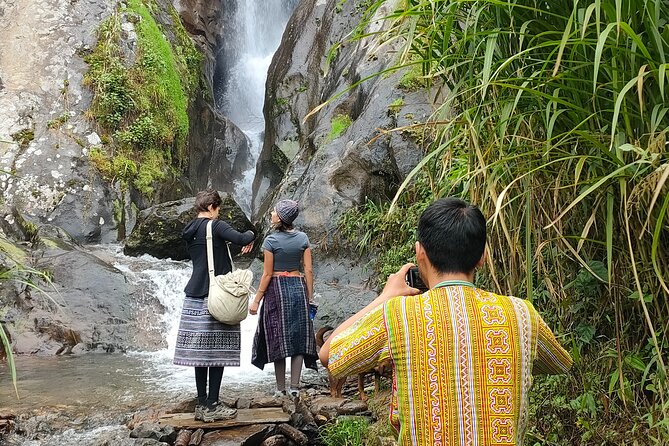
The heart of this experience is the Hmong guide. Not just someone who points where to walk, but someone who can connect the scenery to people’s routines. In the rice terrace valleys of Mu Cang Chai, what looks like “just scenery” turns into something you can read: fields worked by hand, families sewing clothes, buffalo tended nearby, and homes adapted to life in remote mountain areas.
You’ll pass traditional Hmong villages where locals are working at home or in the rice fields. The guide can explain customs and everyday life in ways that are hard to get from a viewpoint-only stop.
One name that came up in feedback is Yien, described as born and raised in La Pán Tẩn. That kind of local background shows in the way the route feels less like a checklist and more like a guided walk through lived-in places.
A practical tip: bring your curiosity. This isn’t a museum. Ask small questions as you go, like what a task is for, what’s planted when, or how families manage mountain weather. A guide who’s from the area can usually answer without turning it into a lecture.
Route choice: Mâm Xôi (Raspberry Hill) vs. La Pán Tẩn viewpoints
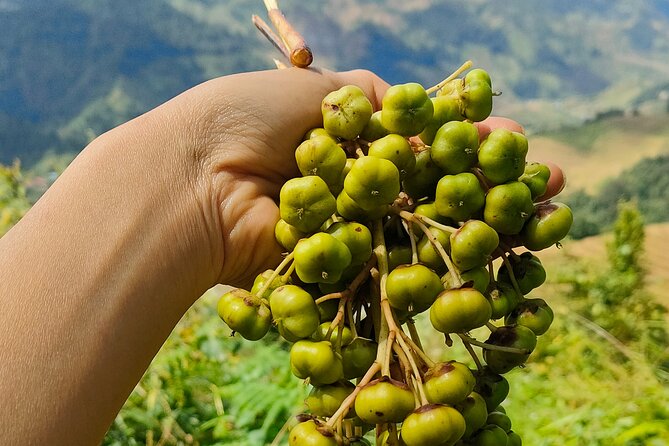
You’ll have a choice of routes, and it’s worth thinking about what kind of photos and walking you want.
One option includes Đồi Mâm Xôi (Raspberry Hill). If you want the most well-known viewpoint experience, this is the route to choose. The terraces there are the kind that make you stop often, because even short stretches can reveal new angles.
The second route goes via a more route-based experience that includes the La Pán Tẩn viewpoint. This one tends to feel more village-and-valley focused, since you’re also traveling through areas where daily life is visible along the trek.
Either way, you’re walking through rice terrace valleys and traditional hamlets. The routes aren’t just “which hill.” They change what you notice: terraces, village activity, and the particular lookout rhythm during the walk.
Stop in Mu Cang Chai: villages, terrace valleys, and everyday work
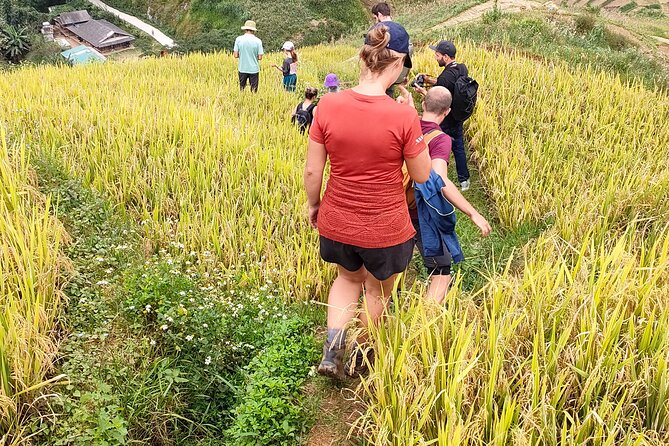
Your trek is built around Mu Cang Chai’s rice terrace areas and village pathways. Expect to see people working in the fields or at home—sewing clothes, tending buffalo, and doing the small, repeated tasks that keep mountain life running.
These details matter. They turn a viewpoint trek into a cultural walk. You’ll understand how the terrace system supports farming and why the villages are placed where they are—on land that’s reachable, workable, and tied to the mountain’s seasonal rhythms.
You’ll also stop at one of the famous viewpoints along the way, depending on the route you choose. The viewpoint stops are timed so you can enjoy the view without feeling like you’re sprinting between platforms. This is also where your guide’s context helps: instead of just seeing rows of terraces, you learn what each area represents to the people who work it.
Lunch at an indigenous homestay: why it’s the real payoff
Lunch is included, and it’s part of what makes this tour feel like more than just walking. You’ll eat at an indigenous homestay after the morning trek (or as part of the half-day flow, depending on the time slot).
Why this matters: you get a sit-down meal with the tour’s cultural theme still intact. It’s not a quick pass-through. The homestay setting gives you a chance to observe hospitality and daily rhythms—how people feed guests, how they structure their home spaces, and how the meal connects to the local environment.
The tour includes bottled water, and entry tickets are covered. Beverages beyond that aren’t included, so if you want something specific, plan on purchasing it separately.
If you’re the type who enjoys learning through shared daily life—rather than only through scenery—this lunch stop is often the moment people remember most.
What “private” and “small group” changes for your day
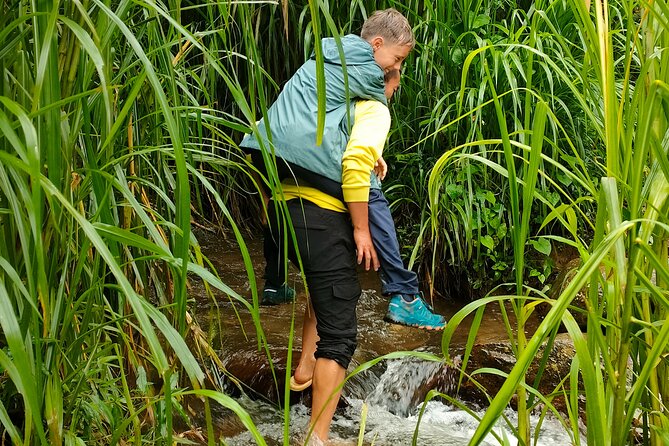
Small groups capped at six isn’t just a comfort perk. It changes how the trek works.
With fewer people:
- you get more back-and-forth with the guide
- the guide can notice if someone is tired or needs a breather
- photo stops don’t become bottlenecks
- village conversations feel more personal and less performative
Because the experience is private, you’re not waiting for a big mixed group to catch up. Your walk becomes more fluid, and the guide can keep tailoring explanations to your interests.
For solo travelers or couples, this is especially strong value. You get guide attention that feels closer to a personal tour than a standard group hike.
Price and value: is $60 worth it?
At $60 per person, this is priced like a mid-range trekking tour—yet the inclusions are what make it feel fair.
You’re getting:
- a private experience for your group
- an English-speaking Hmong guide
- entry tickets
- lunch at a homestay
- bottled water
- 2-way transfers from the La Pán Tẩn area
The hidden value is that you don’t have to arrange transport, admission details, and lunch separately. In rural areas, those pieces can easily add up in time and money, especially when you’re moving between homestays, trailheads, and viewpoints.
Also, the time is efficient. About 4 to 5 hours means you’re not giving up an entire day to get a meaningful Mu Cang Chai experience.
Weather and pacing: what to prepare for
This trekking experience works best with good weather. It’s stated clearly that the program depends on conditions. If weather forces a change, you’ll be offered a different date or a full refund.
In practice, plan for:
- moderate fitness (the trail is in mountainous terrain)
- uneven ground typical of terrace paths and village routes
- the chance of rain, which can make paths slick
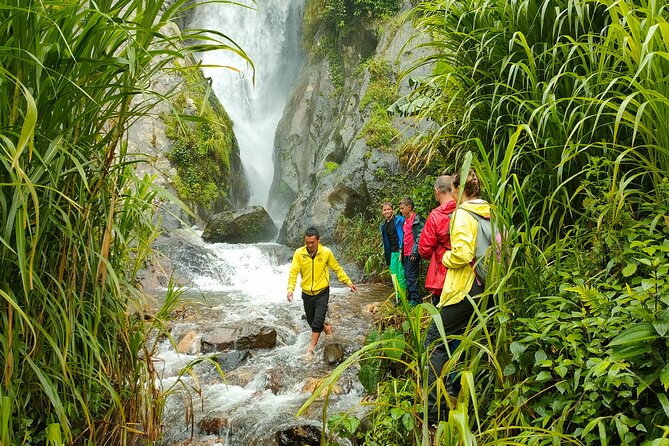
One piece of feedback noted heavy rain but still turned into a memorable experience. That’s a good sign that the guide can read conditions and keep the day workable. Still, pack for rain and wear shoes that grip well—your knees and ankles will thank you.
Who this tour fits best (and who should skip it)
This tour is a great match if you want:
- cultural context, not just sightseeing
- a guided walk with an indigenous perspective
- an efficient half-day plan with lunch included
- a small group experience with real conversation
It’s also a good fit for travelers staying around La Pán Tẩn who don’t want to coordinate transport and then scramble for lunch.
It may not be ideal if you:
- want a mostly flat walk (this is a trekking experience)
- hate uncertainty around weather
- need long downtime and minimal walking
If you can handle a moderate hike for several hours and you’re okay with mountain conditions, you’ll likely love how personal the route feels.
Should you book this Mu Cang Chai private trek?
I think you should book it if you care about seeing Mu Cang Chai through local eyes. The Hmong guide, capped group size, and homestay lunch combine into a day that feels human-sized. You also get real value for $60 because key parts—guide time, lunch, transfers, and entry—are already handled.
Skip it if you’re only after viewpoints and you don’t want to walk, or if you’re traveling during a period when rain would seriously ruin your comfort. In that case, it may be smarter to pick a day with more stable weather.
FAQ
FAQ
How long is the Mu Cang Chai private trekking tour?
It lasts about 4 to 5 hours.
What does the $60 per person price include?
Lunch, bottled water, and entry tickets are included. Beverages are not included.
Is this tour private?
Yes. It’s a private tour/activity, and only your group will participate.
How big are the groups?
Numbers are capped at six to keep guide interaction high.
Do I get pickup and transport?
Yes, pickup is offered. There are hassle-free 2-way transfers from La Pán Tẩn area homestays and hotels.
Where is the meeting point?
The start is at Mu Cang Chai Center homestay & Tours in La Pán Tẩn, Mù Cang Chải District, Yên Bái, Vietnam.
What route options are available?
You’ll have a choice of routes, one via Đồi Mâm Xôi (Raspberry Hill) and the second via a La Pán Tẩn viewpoint route.
Is lunch included, and where do you eat?
Lunch is included, and it’s eaten at an indigenous homestay.
What level of physical fitness do I need?
A moderate physical fitness level is recommended.
What happens if the weather is bad?
The experience requires good weather. If it’s canceled due to poor weather, you’ll be offered a different date or a full refund.
Is there a cancellation fee?
You can cancel up to 24 hours in advance for a full refund. If you cancel less than 24 hours before the start time, you won’t get a refund.