REVIEW · KATHMANDU
Annapurna Circuit Trek
Book on Viator →Operated by Nepal High Trek & Expedition Pvt. Ltd · Bookable on Viator
A hike at 5,416 meters changes you. This Annapurna Circuit Trek is built as a shorter classic route through Lamjung, Manang, and over Thorang La, with a plan meant to reduce risk and walking strain. You’ll get real mountain days plus cultural moments like prayer flags near the pass and a visit to Muktinath.
What I like most is the balance of logistics and time. You start with Kathmandu support and then you’re moved by road to key trailheads like Besisahar, Chame, and onward to the Manang area, which helps the trek fit into a condensed schedule. I also love that meals and core comfort are handled: three meals a day on trek, tea-house stays on a twin-sharing basis, and even trekking gear like a sleeping bag and down jacket included.
One thing to consider: even with a shorter itinerary, altitude is still the main issue, not the clock. If you’re tempted to shortcut even more with a jeep to Manang, the guidance here is clear that the altitude sickness risk becomes very high.
In This Review
- Key highlights worth your attention
- Annapurna Circuit, Condensed: What This 12-Day Plan Gets Right
- Kathmandu Arrival and the Long-But-Useful Way to Besisahar and Chame
- Manang Valley Days: Pine Forest Walks, Pisang Views, and Rest-Day Wisdom
- Yak Kharka to Thorong Phedi: Building to the Pass
- Thorang La at 5,416 m and the Descent to Muktinath
- Pokhara and the Return to Kathmandu: Why the Trek Ends With a Reset
- Price and Value: What $975 Covers (and What It Doesn’t)
- What You’ll Feel on the Trail: Fitness Level, Altitude, and Pacing
- Guides and Group Support: Why Names Like Shanta and Buddhi Tamang Matter
- Practical Tips So You Don’t Lose Time or Comfort
- Should You Book This Annapurna Circuit Trek?
- FAQ
- Where does the trip start?
- How long is the trek?
- What parts of the route are driven versus trekked?
- What is the highest point on this itinerary?
- Is a rest day included for acclimatization?
- What meals are included?
- What trekking gear is provided?
- Are permits included?
- What is not included in the price?
- Is travel by jeep allowed all the way to Manang?
Key highlights worth your attention
- Condensed Annapurna Circuit timing that’s designed to be gentler than the standard 10–17 day route
- Acclimatization in Manang with an optional Gangapurna Lake hike on the rest day
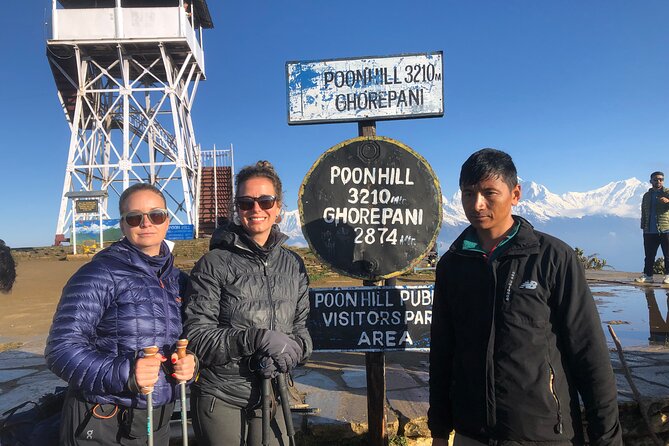
- Thorang La crossing at 5,416 m with prayer-flag views and an early start setup
- Tea-house trekking comfort: included meals, daily tea, and twin-sharing beds
- A guide-led experience with government-licensed leadership and a track record of named guides like Shanta and Buddhi Tamang
- Road-to-trailhead strategy: jeep travel is limited (not beyond Chame) to manage risk
Annapurna Circuit, Condensed: What This 12-Day Plan Gets Right
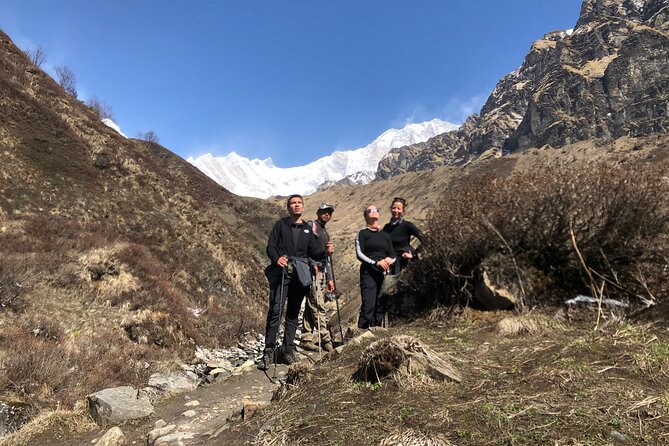
The Annapurna Circuit is the kind of trek people talk about for years, mainly because it strings together villages, valleys, and big mountain names in one loop. The classic version can take 10–17 days, but this itinerary is planned as a shorter, 10-day-style approach that still keeps the most dramatic highlights, especially the Thorang La crossing.
The key reason this plan works for time is simple: a hilly road improvement between Besisahar and Manang has made it easier to move closer to the mountains without adding extra trekking days. For you, that means fewer “wasted” travel days with zero views and fewer days that feel like you’re just transferring gear and repeating schedules.
That said, short doesn’t mean easy. You’re still on the Annapurna Circuit, which means altitude and long days are part of the deal. If you want a trek that feels like a nature stroll, this is probably not your match.
You can also read our reviews of more tours and experiences in Kathmandu.
Kathmandu Arrival and the Long-But-Useful Way to Besisahar and Chame
Day 1 is straightforward: you land in Kathmandu, get an airport-to-hotel transfer, then meet your guides and join a group briefing. That briefing matters more than it sounds because you’ll be walking soon, and you want your head in the right place early.
On Day 2, you travel by road to Besisahar (Lamjung). It’s described as a drive away from and beyond the Kathmandu Valley into warmer mid-west areas, with snowcapped mountains visible along the way. Translation: you’ll feel the climate shift before you start hiking, which helps your body adapt.
Day 3 continues with a drive to Chame, the headquarters of Manang district. The road is unpaved, and that’s a good heads-up if you’re sensitive to bumpy rides. Chame is also the practical staging point for the trekking portion, so you’ll arrive feeling like the trip is finally turning into a real hike.
Manang Valley Days: Pine Forest Walks, Pisang Views, and Rest-Day Wisdom
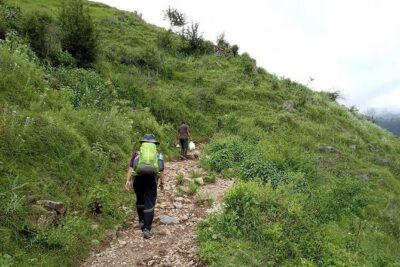
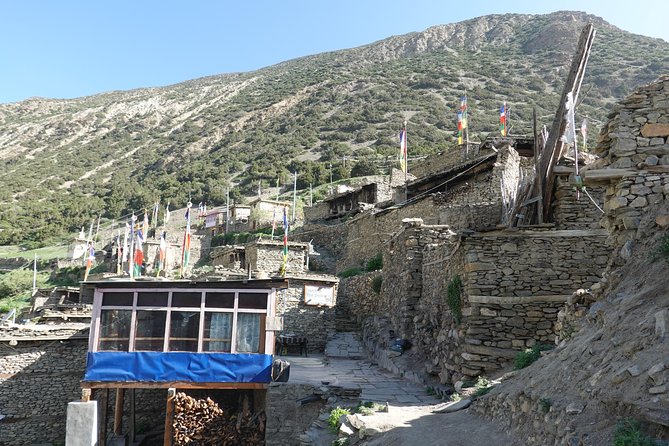
Once you’re in the Manang region, the trek gets more “walkable” in the best way. Day 4 starts with a move closer to the mountains along the Marsyangdi River, passing through alpine forest and reaching Bhratang village. You get the sense that the route is narrowing toward the high country, and the river valley gives you something steady to follow.
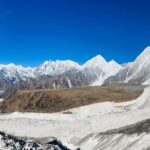
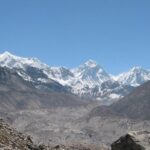
Day 5 brings you to Pisang village in the Manang Valley. This is where the itinerary starts leaning into mountain showtime: you get views of peaks like Annapurna II and III and Gangapurna as altitude gains slowly from here onward. Slow matters. This is the kind of pacing that helps you stay functional when the higher stretches arrive.
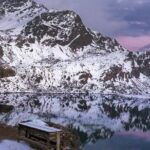
Then comes Day 6, the acclimatization rest day in Manang. The plan explicitly asks you to rest before heading toward the high crossing. You’re also encouraged to hike to Gangapurna Lake, which is called out as extremely beautiful. If you’re the type who feels restless on rest days, this optional hike is a good compromise: movement, but not the full-day push.
Yak Kharka to Thorong Phedi: Building to the Pass
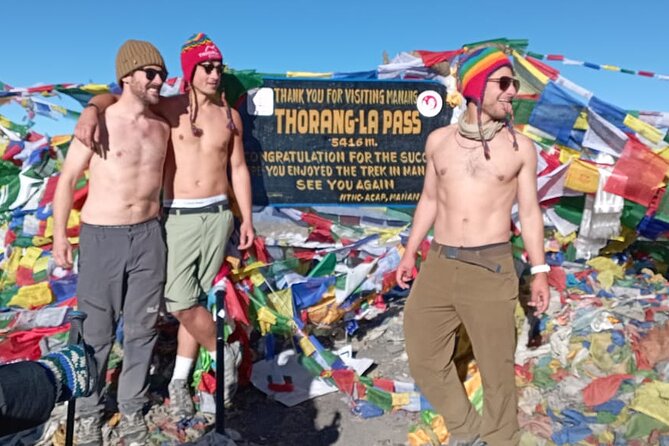
Day 7 moves you to Yak Kharka, described as a high-altitude walk with incredible views of Gangapurna and Annapurna-adjacent scenery. The route crosses small streams and reaches a small settlement, which keeps the day from feeling like one endless climb. The main goal here is to keep your body adapting while still working.
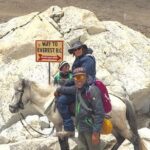
Day 8 is the ramp-up toward the pass. You’ll walk closer to Thorong La by progressing along the Jarjung River, crossing a bridge, and then climbing toward Thorung Phedi for a rest. The final climb is noted as the last-hour push. This is exactly the kind of day where your gear choices matter (layers, gloves if you run cold, and a plan to manage wind).
Even if you’ve hiked before, this section is where you’ll notice the difference between “in shape” and “acclimatized.” Pace is king.
Thorang La at 5,416 m and the Descent to Muktinath
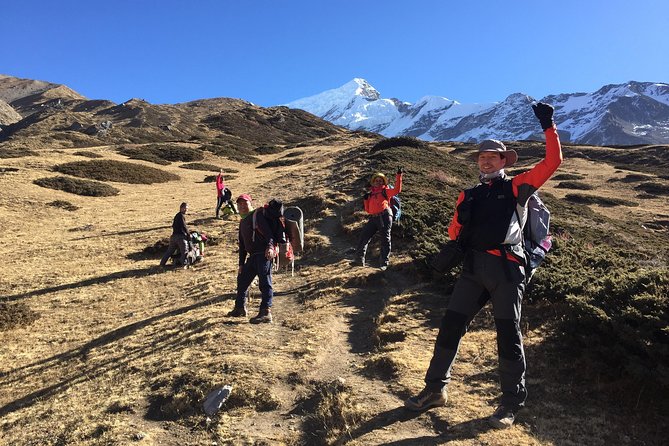
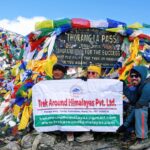
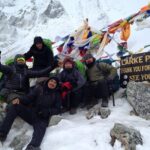
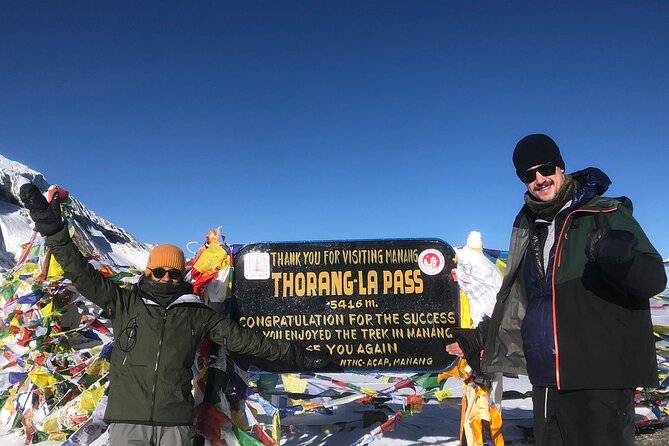
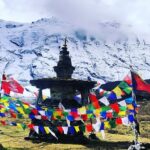
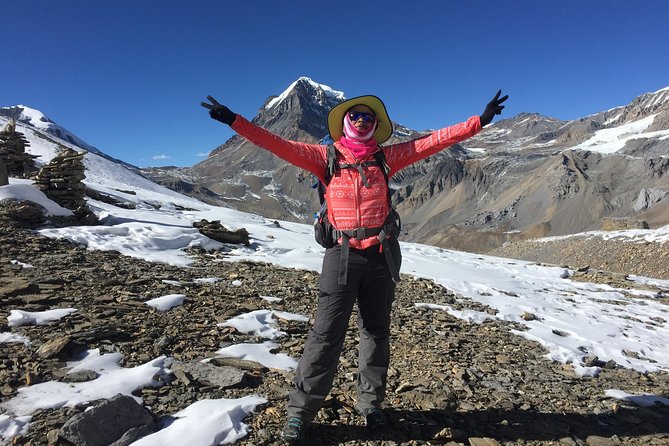
Day 9 is the headline: an early start to reach the highest point, then onward. You climb to Thorang-la at 5,416 meters, marked by Buddhist prayer flags. That detail matters because it helps you read the day visually, especially if weather shifts or the route feels busy.
After the pass, you move toward Muktinath Temple. Muktinath is not described in-depth in the plan, but it’s clearly framed as part of the payoff—crossing the high point and then stepping into a spiritual landmark before the long travel days.
What I’d watch for on this day is energy management. Going early is part of the plan, but your body still decides the pace. If you try to outpace your breath, you’ll pay later on the descent.
Pokhara and the Return to Kathmandu: Why the Trek Ends With a Reset
Day 10 turns into a long scenic drive to Pokhara. It’s described as challenging with the drive plus opportunities to explore views in your spare time. This is a good day to remember that you’re not just “finishing a trek.” You’re also transitioning out of altitude life, and a calmer base city helps.
Day 11 brings overland travel back to Kathmandu, stopping en route to observe farm villages and towns. Again, this isn’t just transit. It gives you a softer landing after Muktinath and the pass crossing, and you arrive by afternoon with the rest of the day free for your own plans.
Day 12 is your departure day from Tribhuvan International Airport, timed to your flight schedule.
Price and Value: What $975 Covers (and What It Doesn’t)
At $975 per person, the big value isn’t just the guiding. It’s how much the essentials are bundled.
Included items:
- Airport pickup and drop-off
- All ground transportation plus bus and jeep drives as part of the route
- Two nights in Kathmandu with breakfast and one night in Pokhara with breakfast
- Three meals a day during the trek (break, lunch, dinner)
- Tea-house stays on a private local tea house basis with twin sharing beds
- A government license holder guide from Kathmandu
- Annapurna Conservation Area Permit
- Trekking gear: sleeping bag, down jacket, and duffle bag
- Seasonal fruits during the trek
- Three cups of tea per day during the trek
Not included:
- Travel insurance
- Extra personal costs like mineral water, beer, Coke, laundry, and dessert
- Tips for trekking crew
Here’s how I think about it for you: if you’ve ever priced Nepal treks, the gear and meals add up fast. Packing light is also a real benefit, because you’re bringing less weight up the mountain. You’ll still want your own basics (like sunscreen and a few personal items), but the heavy climbing setup is taken care of.
What You’ll Feel on the Trail: Fitness Level, Altitude, and Pacing
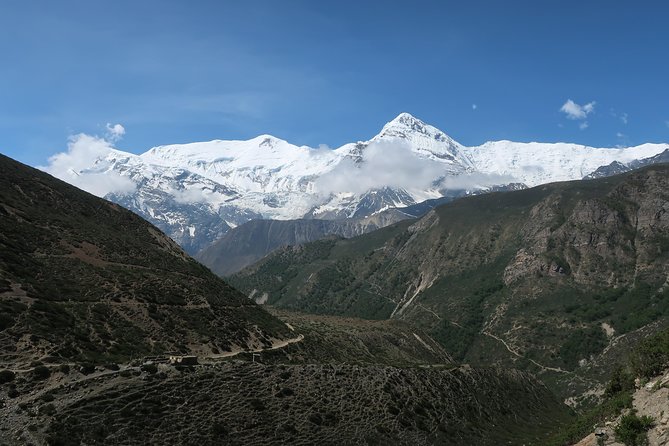
The plan calls for moderate physical fitness. That doesn’t mean “easy.” It means you should be able to handle sustained uphill walking, long trekking days, and a big altitude moment around Thorang La.
Also, altitude management is built into the itinerary logic. There’s an acclimatization rest day in Manang, plus gradual gains through places like Pisang and onward. The plan even warns that using a jeep beyond Chame isn’t appropriate, and taking a jeep up to Manang has a very high altitude sickness risk. That’s a strong signal that they’re protecting your health over pure speed.
If weather matters to you, treat the trip as weather-dependent. The overall experience is designed to run on good conditions, and you should plan to be flexible.
Guides and Group Support: Why Names Like Shanta and Buddhi Tamang Matter
One thing I’m glad to see: this is a guide-led experience backed by government licensing. The people named in past trips include Shanta, Buddhi Tamang, Anjan, Pawan, Veer, Indaco, Suman, and Anos Tamang. That’s not just trivia. It points to a staffing culture where organization and day-to-day care are treated as part of the trek, not an optional extra.
You’ll feel this in the way the days are paced and how you’re moved between segments. You’re not left to figure out transport or permits. The group briefing on Day 1 also helps you start with context instead of guessing at what comes next.
Practical Tips So You Don’t Lose Time or Comfort
This itinerary gives you a lot of structure, so your job is to show up prepared for the small stuff that can ruin big days.
- Bring sunscreen. It’s specifically called out by someone who completed the trek, and it makes sense for high-altitude walking days.
- Dress in layers. You’ve got forest-to-high-country changes, plus a pass day where temperatures can swing.
- Don’t plan to “race” the pace on acclimatization days. Days like Pisang to Yak Kharka are there to help your body adjust.
- If you’re tempted to shorten the trek further with extra vehicle rides, remember the guidance: jeep travel beyond Chame isn’t considered appropriate, and a jeep to Manang raises altitude sickness risk.
Your best win is consistency: hydrate, eat the included meals, take the rest day seriously, and use early starts as a tool, not a challenge.
Should You Book This Annapurna Circuit Trek?
Book it if you want the classic Annapurna Circuit highlights but you’re working with limited time, and you’d rather pay for structure than gamble with logistics. The included gear, meals, tea, permits, and multi-day transport make this feel like a “ready-to-trek” package, not a puzzle.
Skip it if you’re looking for a very low-effort hike. Even on a condensed schedule, Thorang La at 5,416 m is still a serious altitude day, and the trail days are long enough to demand real attention to pacing.
If you want a clear decision rule: if you can walk steadily for long days, manage altitude with the built-in rest and acclimatization, and you value a well-run setup, then this is a strong choice. If altitude risk scares you, treat that as a reason to go slower, not faster, and follow the plan’s guidance about vehicle shortcuts.
FAQ
Where does the trip start?
It meets at Tribhuvan International Airport in Kathmandu, with pickup offered on arrival.
How long is the trek?
The duration is about 12 days (approx.), including driving days and trekking days.
What parts of the route are driven versus trekked?
You’ll drive from Kathmandu to Besisahar, then to Chame, and later to Pokhara. The high part of the experience includes walking from the Manang area through to Thorang La and down toward Muktinath.
What is the highest point on this itinerary?
Thorang-la at 5,416 m is the highest point.
Is a rest day included for acclimatization?
Yes. There is a rest day in Manang before the high-altitude crossing.
What meals are included?
During the trek, you get break, lunch, and dinner. You also get three cups of tea per day during the trek.
What trekking gear is provided?
The package includes a sleeping bag, down jacket, and duffle bag.
Are permits included?
Yes. The Annapurna Conservation Area Permit is included.
What is not included in the price?
Travel insurance, and personal expenses like mineral water, beer, Coke, laundry, and dessert are not included. Tips for trekking crews are also not included.
Is travel by jeep allowed all the way to Manang?
Jeep travel beyond Chame is not appropriate. A four-wheel jeep to reach Manang is possible, but the plan notes the altitude sickness risk is very high if you take a jeep to Manang.