REVIEW · KATHMANDU
Everest Base Camp Trek with Helicopter Return to Lukla – 10 Days
Book on Viator →Operated by Luxury Holidays Nepal Pvt. Ltd. · Bookable on Viator
Everest, then a helicopter back to your feet. This 10-day trek ties together Sherpa villages, Namche, Tengboche, Dingboche, and Everest Base Camp, then adds a helicopter ride from Gorakshep to Lukla so you don’t have to hike the whole way back down. It also includes Kathmandu hotel time and a farewell dinner with Nepali dance.
Two things I like a lot: you get real trekking in standard guesthouses (so it feels like Nepal, not a theme park), and you travel with a licensed English-speaking guide who handles the big moving parts like permits and logistics. You’ll also reach the key viewpoints—especially Kala Patthar—without having to guess your schedule.
One drawback to plan around: the helicopter and flights depend on weather. If the skies don’t cooperate, the timing can shift. Also, meals aren’t included during the trek, so you’ll want to budget for daily food and warm drinks at tea houses.
In This Review
- Key highlights I’d circle on your planning sheet
- The Big Twist: Helicopter Return From Gorakshep to Lukla
- From Tribhuvan Airport to Lukla: Getting to the Trek With Less Stress
- Trekking Through Sherpa Villages and the Dudh Koshi River
- Namche Bazaar and Dingboche: Acclimatization You Can Actually Use
- Tengboche: Monasteries, Mountain Quiet, and Culture Breaks
- Everest Base Camp: The Moment You’ve Been Training For
- Kala Patthar Sunrise and Why It Changes Your Whole Ending
- Helicopter Day: What You Gain When Your Legs Get a Break
- Kathmandu Hotel, Private Transfers, and the Farewell Dinner With Dance
- Price and Value: Is $799 a Smart Deal for What’s Included?
- Guides Like Ram: Support That Keeps the Trip Moving
- Who Should Book This Everest Base Camp With Helicopter Return
- Should you book this 10-day Everest Base Camp trek with helicopter return?
- FAQ
- How long is the Everest Base Camp trek with helicopter return?
- Where is the meeting point in Kathmandu, and when do we start?
- What’s included to get to Lukla and back?
- Is the helicopter ride included, and where does it go?
- What lodging is included during the trek and in Kathmandu?
- Are meals included during the trek?
- Do I need insurance for this trip?
- Do I need a Nepal visa in advance?
- What happens if weather affects the experience?
Key highlights I’d circle on your planning sheet
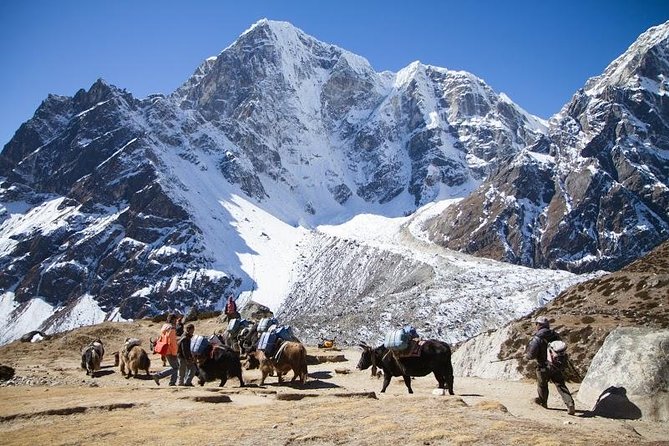
- Helicopter return from Gorakshep to Lukla: fewer trekking days back, more time for sunrise and recovery.
- Licensed English-speaking guide: support for altitude pace, navigation, and day-to-day decisions.
- Permits handled: Sagarmatha National Park, TIMS, and Pasang Lhamu Entry are included.
- Guesthouse trekking at altitude: classic tea-house stops instead of constant hotel hopping.
- Kathmandu cultural send-off: Nepali cuisine plus a cultural show with traditional dance.
- Small group size (max 15): easier to move, eat, and adjust pace with less crowding.
The Big Twist: Helicopter Return From Gorakshep to Lukla
Let’s talk about the headline feature: the helicopter ride that brings you from Gorakshep to Lukla. That one change reshapes the whole experience.
On a classic Everest Base Camp trek, the hike back can feel long—same trails, new fatigue, and a lot of time spent losing elevation. Here, you still earn your Everest views, hike to Kala Patthar, and then you get to save your legs for Kathmandu instead of spending extra days on the way down.
For you, that means two practical wins:
1) You’re more likely to finish feeling human, not just “stopped moving.”
2) You have more flexibility for lingering on the trail viewpoints while the trek is still fresh in your memory.
The one thing to respect is that helicopters are weather-sensitive. Nepal’s mountain weather is not a polite system. So even though the plan is built around the helicopter return, you should mentally accept possible changes if conditions are poor.
You can also read our reviews of more tours and experiences in Kathmandu.
From Tribhuvan Airport to Lukla: Getting to the Trek With Less Stress
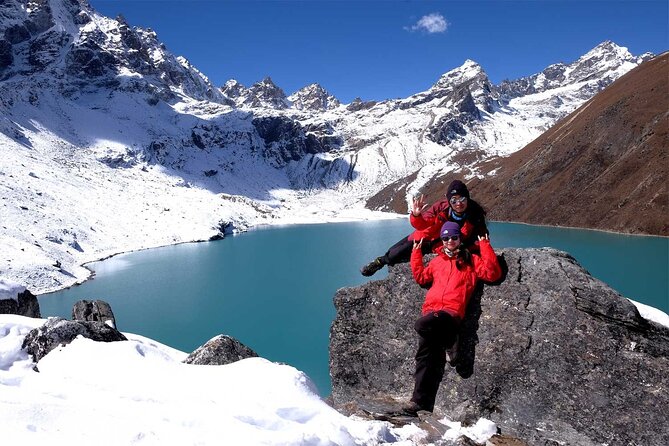
Most Everest routes start with a scramble: flights, timing, and making sure you’re in the right place at the right hour. This one keeps the early pressure low by handling transfers.
Your day begins with pickup and private transfers in Kathmandu, meeting at Tribhuvan Airport at 9:00 am. From there you’ll use domestic flights between Kathmandu/Manthali and Lukla, round-trip.
That matters because Lukla is the gateway where the trip becomes real. When you fly in on schedule, you can focus on acclimating and getting your rhythm rather than spending your first hours hunting down connections.
Also, this tour is designed for organized movement with a small group size (up to 15). Less chaos usually means you spend more time on the trail and less time waiting around.
Trekking Through Sherpa Villages and the Dudh Koshi River
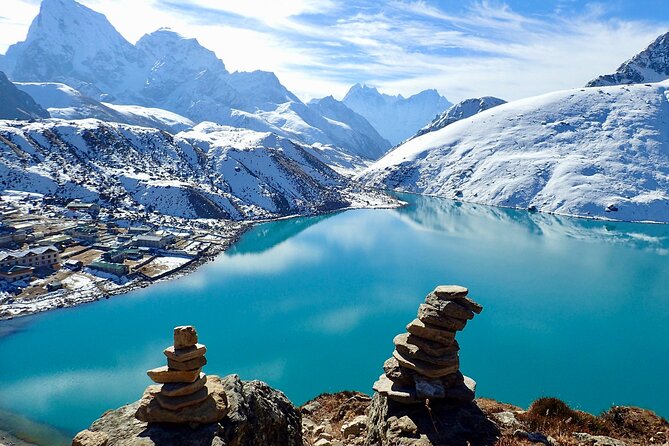
Once you’re on the trekking route, the experience follows a classic Everest Base Camp rhythm: gradual ascent, time in villages, and stops that help you adjust.
The route you’ll follow includes Sherpa villages, stretches of forest, and the Dudh Koshi River corridor. That river section is one of those trekking stretches that keeps you grounded. You’re still climbing, but the valley travel feels steadier and it’s easier to settle into a pace that won’t punish you too early.
What I like about this style of trekking (and what you’ll like too) is how the scenery shifts without requiring heroic effort every single day:
- forested sections that feel cooler and more forgiving
- river-side walking that keeps your brain busy
- village mornings where you’re surrounded by everyday life, not just views
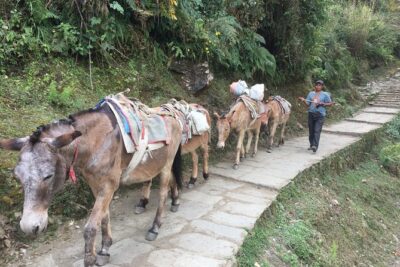
You’ll also stay in standard guesthouses. In practice, that’s what makes this feel authentic: you’re living like a trekking guest—simple rooms, shared spaces, and tea houses where everyone’s swapping notes about weather and altitude.
One practical tip: even when the trekking is “only” moderate effort, altitude changes how you breathe. So your best strategy is to move slowly and trust the acclimatization stops built into the itinerary.
Namche Bazaar and Dingboche: Acclimatization You Can Actually Use
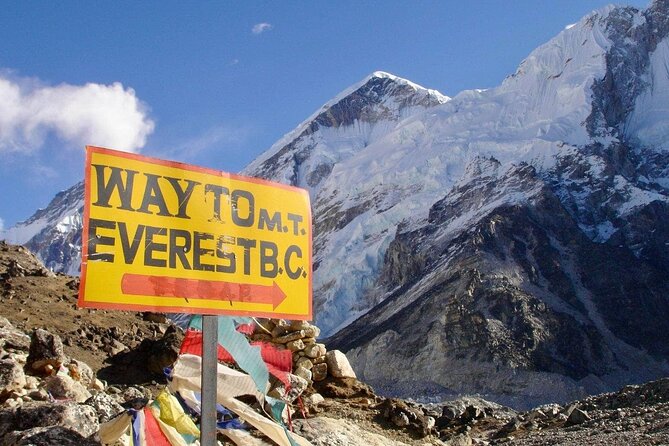
Altitude is the real boss fight on Everest routes. The good news is this plan doesn’t treat acclimatization like an optional hobby.
You’ll make key stops at Namche Bazaar and Dingboche. Namche is a major Sherpa hub—high enough to feel the change, but established enough that you’ll find services, tea houses, and the kind of bustle that reminds you you’re not alone at altitude. It’s also a useful place to take short walks and let your body adjust.
Then you’ll spend time in Dingboche, an area known for building acclimatization. In a good plan, acclimatization isn’t just “arrive, then suffer.” It’s “arrive, breathe, and use the day to reduce your risk.”
For you, this matters because it impacts comfort later. When your body has time to adapt, you’re more likely to enjoy the big moments like reaching Everest Base Camp and handling Kala Patthar at sunrise rather than treating them like a survival checklist.
Tengboche: Monasteries, Mountain Quiet, and Culture Breaks
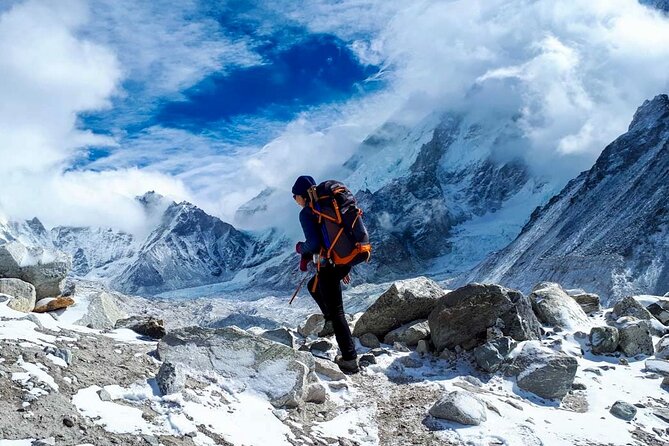
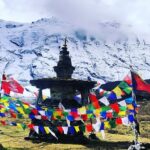
One of the best parts of the Everest region is how spiritual life sits right inside the mountains. Your route includes a stop at Tengboche, where you’ll have a chance to visit monasteries.
This is more than a photo stop. The monastery setting gives you a pause from constant climbing. You get a calmer moment where the day slows down, and you notice details: prayer flags, the way sound travels in the valley, and how the local community organizes daily life around faith.
If you enjoy cultural context—how people live, not just what they worship—Tengboche tends to be a highlight. It’s also a good mental reset before the higher-altitude days.
Everest Base Camp: The Moment You’ve Been Training For
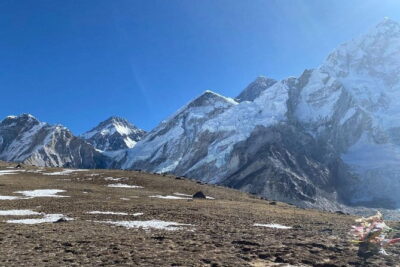
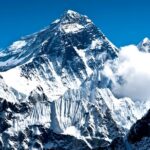
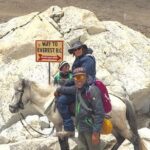
Reaching Everest Base Camp is why most people book this trek. The experience here is about scale. Even with everyone’s expectations set, the feeling still lands differently in person.
You’ll arrive after a sequence of villages and acclimatization stops. That staging matters. By the time you’re at Base Camp, your brain has already been trained by the altitude rhythm to appreciate what’s in front of you.
And because this trek includes guided support, you’re not trying to figure out everything alone at the top. A strong guide helps you pace, handle timing, and make decisions that affect how you feel the rest of the day—especially on a route where conditions can change quickly.
If you’re the type who likes to understand what you’re seeing, you’ll likely appreciate having someone with local knowledge walking you through it. The Everest region is culturally layered, and interpretation adds weight to the scenery.
Kala Patthar Sunrise and Why It Changes Your Whole Ending
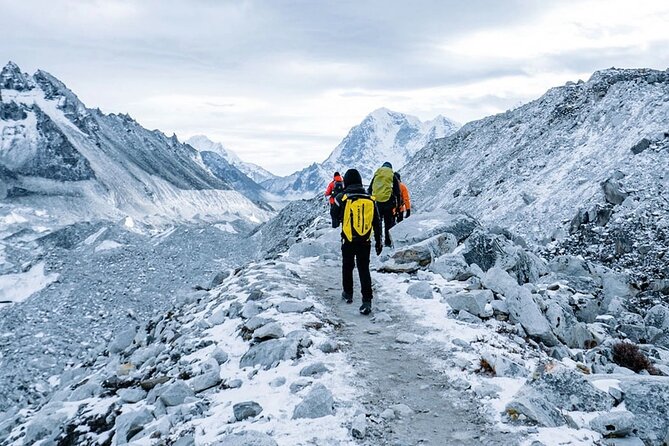
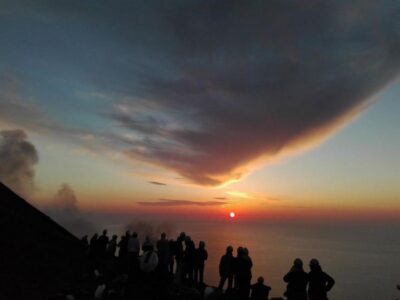
If Base Camp is the peak moment, Kala Patthar is the payoff. This trek includes a hike to Kala Patthar for sunrise—one of those mountain experiences people remember for years.
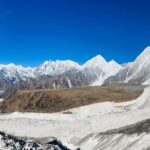
Why sunrise matters: light changes the mountains fast. It’s not only about seeing Everest. It’s about how ridgelines and snowfields turn from silhouettes into detail, and how the whole valley looks different at first light.
Also, Kala Patthar is where you’ll feel the altitude. That’s not a deal-breaker—just a reality check. The tour’s moderate physical fitness level requirement fits here because you’ll still need steady effort, but the plan is structured to reduce chaotic overexertion.
When your helicopter return is scheduled after this, you get a clean arc:
- earn the sunrise moment
- then stop the long descent treadmill
That’s a huge value for your legs and your overall trip mood.
Helicopter Day: What You Gain When Your Legs Get a Break
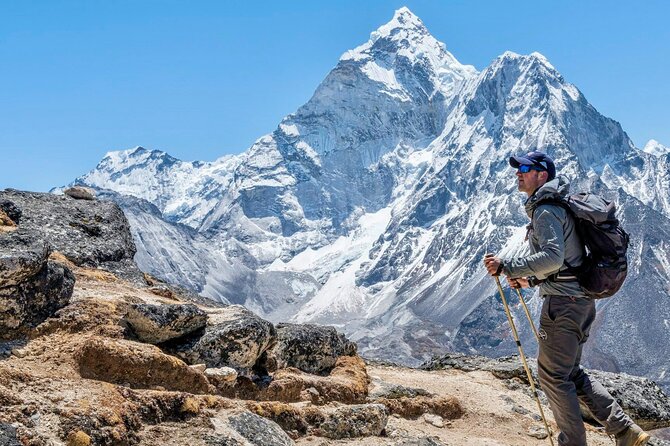
The helicopter ride from Gorakshep to Lukla isn’t just convenience. It’s also a different way of seeing the route you just walked.
The aerial view gives you context—how the valleys connect, where the trails thread through the mountains, and how the terrain changes. If you’re the kind of person who loves maps and spatial understanding, this part can be extra satisfying because it turns effort into perspective.
Just remember: this is still Nepal, and weather has the final vote. But if it runs as planned, it’s one of those days that makes you feel like you beat the system—without cutting corners on the achievement.
Kathmandu Hotel, Private Transfers, and the Farewell Dinner With Dance
After you return, you’ll head back to Kathmandu. You’ll stay in a 3-star hotel with breakfast, which is a comfortable reset after tea-house trekking. Private vehicle transfers keep you from getting stuck in slow logistics once you’re back in the city.
Then you finish with a cultural farewell dinner featuring Nepali cuisine and a cultural show with traditional dance.
This matters more than it sounds. When you’re trekking in high-altitude solitude, you can come back feeling mentally “out there.” A proper dinner and show brings you back to human rhythm—food, music, and a community vibe that reminds you this trek is part of a living culture, not just a climbing route.
Price and Value: Is $799 a Smart Deal for What’s Included?
At $799 per person for roughly 10 days, the price is best evaluated by what you’re not paying extra for—especially in the Everest region where small surprises add up.
What you get included:
- Kathmandu 3-star hotel with breakfast
- domestic flights to/from Lukla (round-trip)
- the helicopter return from Gorakshep to Lukla
- permits (Sagarmatha National Park, TIMS, Pasang Lhamu Entry, plus TIMS)
- licensed English-speaking guide
- trekking lodging in guesthouses
- medical kit and first aid
- duffel bag, sleeping bag, T-shirt, and map
- farewell dinner with cultural show
What you pay extra for:
- international flights to Nepal
- Nepal visa (on arrival)
- meals (lunch & dinner in Kathmandu, and all meals during the trek)
- porter service (optional; recommended one porter for two trekkers)
- insurance (required for medical and high-altitude evacuation)
- personal snacks, beverages, laundry, and tips
So is it “cheap”? Not really. But it can be good value because helicopter rides and domestic flight costs can be the budget killers in this part of the world.
The smartest way to decide is to compare your expected total. If you’re already planning for insurance, meals, and extra services anyway, this package’s included helicopter + flights + permits can make it feel more reasonable.
If you hate uncertainty, understand that helicopter and flights depend on weather. The plan is built for it, but the mountains still run the show.
Guides Like Ram: Support That Keeps the Trip Moving
A standout theme from the kind of experiences this operator is known for is guide quality—especially how guides manage people, not just routes.
Names like Ram and Rupak come up in accounts as guides who:
- respond quickly before the trip (helpful for planning nerves)
- keep spirits up when the trek feels hard
- pay attention to group conditions and pace
- help with Kathmandu logistics after the hike
That last part is a big deal. Kathmandu can feel like a lot when you’re tired. Having someone who helps you get your bearings in the city makes the end of the trip feel smoother.
If you want more than a “follow the trail” experience, choose this route with the assumption that your guide is part of the value, not just a box to tick.
Who Should Book This Everest Base Camp With Helicopter Return
This trek suits you if:
- you want Everest Base Camp and Kala Patthar but you don’t want the full hiking descent
- you’re comfortable with a moderate fitness level for high-altitude hiking
- you want logistics handled (permits, guides, flights, lodging)
- you like the balance of adventure plus real comfort at the edges (3-star hotel, organized transfers, farewell dinner)
It’s probably not the best fit if:
- you’re looking for a strict budget option and can’t handle extra meal costs
- you’d be unhappy if helicopter timing changes due to weather
Should you book this 10-day Everest Base Camp trek with helicopter return?
If you want the Everest region experience with less leg punishment on the backside, I’d say this is a smart way to book. The helicopter return from Gorakshep to Lukla is the big advantage, and the rest of the package is structured to keep you focused on the hiking and the views instead of chasing logistics.
Book it if you’re ready to budget for meals and insurance, and you’re okay with weather being part of the deal. Skip it only if you want a pure, no-conditions trekking schedule or you’re trying to keep costs as low as possible.
If that sounds like you, this trek is the kind of plan that lets you go hard when it counts—and then gives you a cleaner landing back in Kathmandu.
FAQ
How long is the Everest Base Camp trek with helicopter return?
It runs for 10 days approximately.
Where is the meeting point in Kathmandu, and when do we start?
The meeting point is Tribhuvan Airport, Kathmandu, with a start time of 9:00 am.
What’s included to get to Lukla and back?
You get domestic flights between Kathmandu/Manthali and Lukla round-trip, plus private vehicle transfers.
Is the helicopter ride included, and where does it go?
Yes. The helicopter ride is included from Gorakshep to Lukla.
What lodging is included during the trek and in Kathmandu?
During the trek, you stay in standard guesthouses. In Kathmandu, you stay in a 3-star hotel with breakfast.
Are meals included during the trek?
No. Lunch & dinner in Kathmandu are not included, and all meals during the trek are also not included.
Do I need insurance for this trip?
Yes. Your insurance must cover medical needs and high-altitude evacuation.
Do I need a Nepal visa in advance?
No. The tour information says you obtain the Nepal visa on arrival.
What happens if weather affects the experience?
The experience requires good weather. If it’s canceled due to poor weather, you’ll be offered a different date or a full refund.