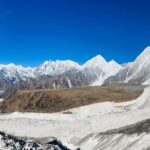
Annapurna Base Camp hits fast, even on a short schedule. You’re moving from Kathmandu to Pokhara, then into the trek days where forests, villages, and ridge views stack up day after day until you’re staring into a giant amphitheater of peaks at base camp. What I like most is the way the plan is built around real pacing choices, with Kapil’s team described as adjusting the trek to your capacity and fixing problems quickly.
Another big win is the logistics that do the heavy lifting for you: transport included, permits handled, and meals and lodging arranged so you’re not juggling details on steep, cold days. The main drawback to consider is that this is still an Annapurna trek—so you’ll need moderate fitness and good flexibility when weather or trail conditions slow things down.
In This Review
- Key highlights I’d plan around
- Why Annapurna Base Camp works as a short private trek
- Thamel to Pokhara: getting your bearings before the trail
- Jhinu to Chhomrung to Sinwa: the trail starts with payoff
- Ghorepani to Deurali: rhododendron mornings and a steep climb
- Reaching Annapurna Base Camp: the sunset moment you should plan for
- Sunrise and the bamboo descent: protecting your knees on the way down
- Pokhara decompression and the Fewa Lake evening
- Kathmandu wrap-up: the ride home and why the schedule matters
- Price and what you’re really paying for at $700
- Who should book this trek (and who should reconsider)
- Should you book this Annapurna Base Camp private short trek?
- FAQ
- What is the start time and meeting point for this trek?
- Does the package include permits for Annapurna Base Camp?
- How do you get between Kathmandu and Pokhara?
- Are meals and lodging included?
- What’s included for the trek itself besides the guide?
- What is not included in the price?
- Do I need a Nepal visa before arriving?
- Can I get a refund if I cancel?
Key highlights I’d plan around
- Private group flexibility: Only your group participates, so your guide can set a pace that matches your body that day.
- Sunset at Annapurna Base Camp: You’re built for evening views, including Machhapuchhre (Fishtail) and multiple Annapurna peaks.
- On-trail culture and scenery: Routes pass through Nepalese villages and forests rather than only high ridgelines.
- Transport that won’t drain you all at once: Kathmandu ↔ Pokhara is by tourist bus, then you transfer by vehicle to and from Jhinu.
- Meals and basic comforts included: Breakfasts, lunches, dinners plus accommodations in Kathmandu and Pokhara on a bed-and-breakfast plan.
Why Annapurna Base Camp works as a short private trek
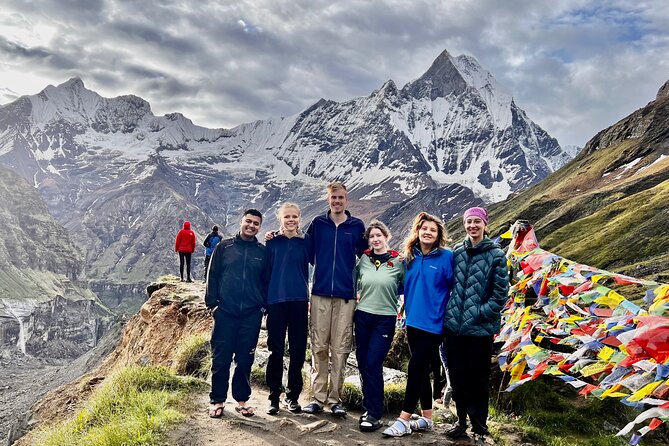
If you want Annapurna without committing to a long expedition-sized hike, this 9-day structure is a smart compromise. The trek routing focuses on classic viewpoints and named stopovers that build toward base camp, and the schedule gives you time for key moments like sunrise and sunset rather than rushing past them.
I also like that it’s private. On group treks, you can get stuck matching the slowest walker or the fastest walker. Here, your guide can steer the plan to what you can handle. That matters because Annapurna is rarely just one kind of day; you’ll have steep climbs, river crossings, and long downhill stretches that affect your knees and energy.
One more reason this trek feels “worth it” is how much is included. At this price point, you’re not paying only for a guide—you’re also paying for permits, arranged accommodations, multiple meals, and the core in-country transport. That doesn’t make the trek easy, but it does make it simpler.
You can also read our reviews of more tours and experiences in Kathmandu.
Thamel to Pokhara: getting your bearings before the trail
You start in Kathmandu, meeting at Thamel (and the experience lists a 7:00 am start time). The meeting point detail matters in Kathmandu, where getting the wrong corner can waste time and energy before you even start.
Day 2 is your big transfer to Pokhara by tourist bus: it’s about 200 km and roughly 9 hours. It’s a long day on wheels, but it’s also the right kind of pre-trek setup. Pokhara is the practical gateway for many Annapurna routes, and you’ll use this time to settle in and prepare your gear without the pressure of hiking that same day.
What you’ll appreciate here is that lodging and breakfasts in Kathmandu and Pokhara are included for multiple nights (Kathmandu: 2 nights, Pokhara: 2 nights on a bed-and-breakfast plan). You get a real chance to recover from travel fatigue and sleep better before the hiking starts.
A small consideration: the itinerary includes a “hotel relax” day in Pokhara later too, so keep your energy for the trek—don’t plan intense sightseeing during the days right before hiking.
Jhinu to Chhomrung to Sinwa: the trail starts with payoff
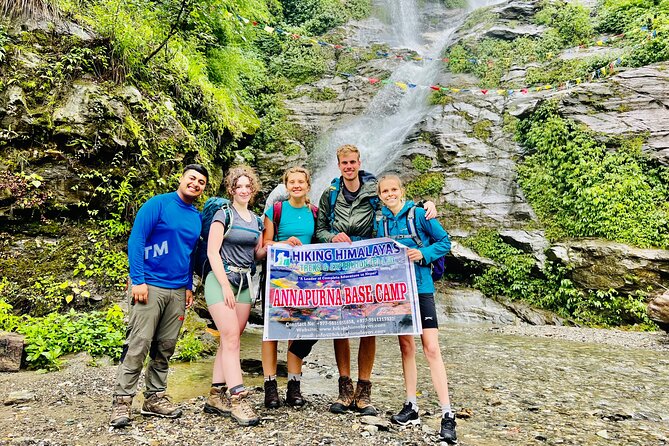
Once you reach the trailhead area (via vehicle transfer toward Jhinu), your trek begins with a first push from Jhinu Danda to Chhomrung (about 1 hour on the plan), then lunch in Chhomrung. This is a good early rhythm: short enough to settle into the effort, long enough to feel like you’ve actually entered trekking mode.
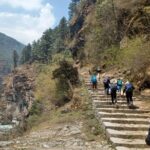
A fun detail here is what the route gives you quickly. After lunch, the trail goes down toward the river, crosses a bridge, and climbs again to Sinwa for the night. That up-and-down sequence is basically the Annapurna lesson in miniature: you’re rarely only “going up.” You’re also learning how to hike efficiently when the trail turns into stairs and switchbacks.
You’ll also get close views of major peaks from this section. The plan specifically calls out Annapurna South and Himchuli visible from Chhomrung. That’s not just eye candy. Early summit views build motivation, and motivation matters on later steep sections.
For your packing mind: start hydrating early. Even if this first day is not the toughest mileage, you’re hiking around changing forest conditions where you can heat up quickly and then cool down after shade.
Ghorepani to Deurali: rhododendron mornings and a steep climb
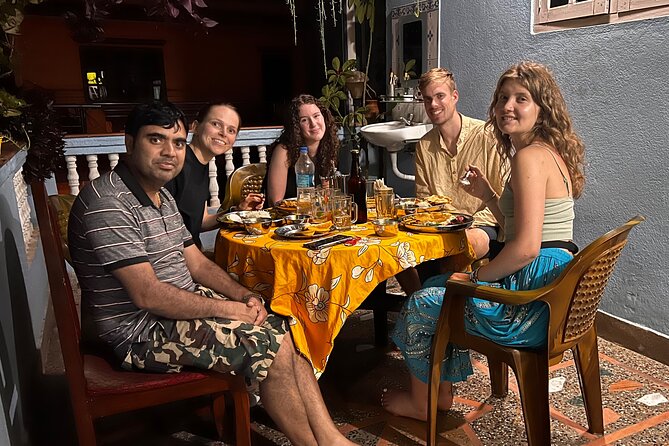
Day 4 starts with an early breakfast (the plan lists 6:00 am), then you begin a steep ascent through bamboo and forest sections, with stops along the way including places named on the route such as Dovan and Himalaya Hotel (where lunch is planned). After lunch, you walk about 2 hours toward Deurali.
The route description matters because it’s not just “walking.” It’s forest travel—rhododendron and bamboo forests—and that changes how the trail feels from day to day. Rhododendron can mean cooler air under trees and a more shaded path; bamboo can feel steppy and rhythmic underfoot. Either way, you’ll notice how quickly your breathing settles into a steady pace if you keep your effort controlled.
This is also where the plan hints at big viewpoint payoffs. It mentions catching views of Fishtail (Machhapuchhre) and surrounding hills. Even partial glimpses this early can make you feel like you’re marching toward something real rather than only hiking for the sake of hiking.
Possible drawback: forest days often mean you don’t see as far ahead as on open ridges. You may need to rely on your guide’s pacing and your own energy management rather than using the view to judge effort.
Reaching Annapurna Base Camp: the sunset moment you should plan for
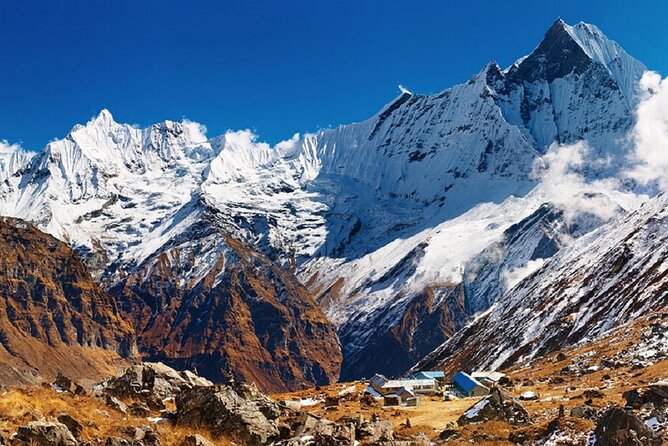
Day 5 is the headline day. You start walking after breakfast and reach MBC in about 3 hours, stop for lunch, then continue to Annapurna Base Camp (ABC) (about 2 more hours on the plan). The total day is listed as long (around 16 hours), so this is not a casual stroll.
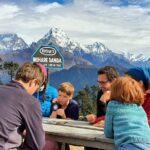
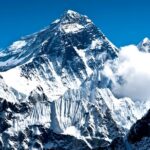
Here’s the key reason this day feels special: you’re not just arriving—you’re arriving with time to experience evening views. The plan specifically sets you up for sunset, and it lists a cluster of peaks you can look for: Annapurna I, Gangapurna, Annapurna South, Himchuli, Annapurna III, Gandarvachuli, and Machhapuchhre (Fishtail). That’s a lot of name recognition, and that helps you understand what you’re actually looking at when the mountains light up.
Also, an overnight at ABC means you get two chances for views: sunset and then the next morning’s early timing. That’s one of the best reasons to choose a trek that includes lodging at the destination rather than treating ABC like a quick drive-by photo stop.
What to watch for: weather at ABC can change fast, and you’ll want to be ready for cold conditions once the sun drops. The plan doesn’t promise perfect skies, but it does structure the timing around the view windows.
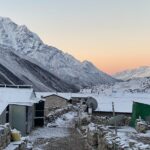
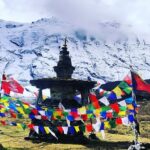
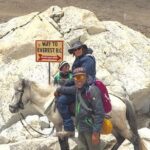
Sunrise and the bamboo descent: protecting your knees on the way down
Day 6 begins early, with sunrise over the Himalayas range, then breakfast, and a descent down through bamboo. The plan lists 5 to 6 hours for the down portion.
This is where you need a different hiking mindset. Going down is often harder on your body than going up, especially if you get tempted to rush. Keep your steps short, use control, and don’t let your quad muscles do all the work. A guide who tracks your pace becomes even more valuable on this day because your fatigue can creep in quietly.
The plan emphasizes bamboo again—so expect a shaded, quieter feel after the high-mountain moment at base camp. Even if you’re tired, sunrise is a worthwhile push. It’s not only scenic; it helps you confirm that the big effort earlier in the trek was worth it.
Pokhara decompression and the Fewa Lake evening
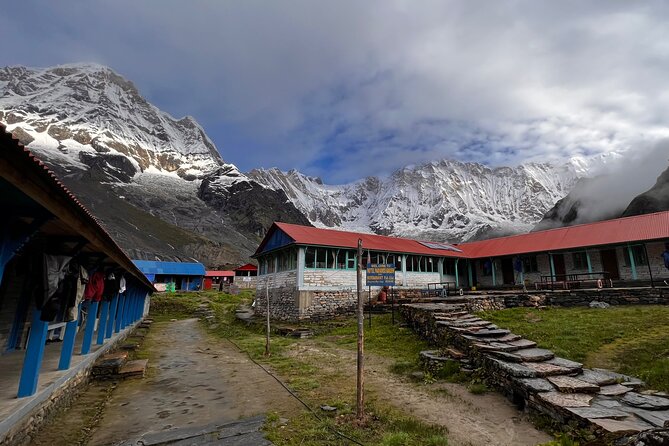
After the descent, Day 7 brings you back toward the Jhinu Danda area and then down by vehicle to Pokhara (the plan mentions about a 2-hour drive). There’s lunch in Jhinu before the transfer, then you arrive in Pokhara, check in, relax, and spend time by Phewa Lake, with a good evening meal.
This is a smart “recovery block.” After days of hiking, you need time that isn’t just sitting in transit. The itinerary gives you a relaxing evening, which helps you sleep better and reduces the post-trek crankiness that can hit after an 800-step-a-day routine.
If you plan any extra walking in Pokhara, keep it gentle. You’ll thank yourself later on the Kathmandu transfer day.
Kathmandu wrap-up: the ride home and why the schedule matters
Day 8 is a travel day back to Kathmandu via tourist bus after a taxi to the bus station. The drive is 6 to 8 hours, with lunch en route, then arrival and hotel time to rest.
Day 9 is listed for your final departure home destination. The plan lists 6 hours for this day, but the important part for you is timing: you should treat this as a buffer day. Don’t schedule tight connections or extra activities right after the trek ends. Even if you feel fine, your legs may not agree.
Also note the meeting point again: you’re ending back at Thamel, which is convenient if you want easy access to food and help with last-minute shopping before you fly.
Price and what you’re really paying for at $700
At $700 per person, the value here is about what’s included versus what most people end up paying anyway on Nepal treks.
What’s covered:
- Permits for the trek
- Professional guide (with guide expenses)
- Two-way transport by tourist bus Kathmandu ↔ Pokhara
- Accommodation: 2 nights in Kathmandu and 2 nights in Pokhara on bed-and-breakfast
- Pokhara ↔ Jhinu transport
- Government taxes and office charges
- Trekking map and trip achievement certificate
- Seasonal fruits during the trek
- Farewell dinner
- A full set of meals (breakfast 9, lunch 7, dinner 6 listed)
What’s not covered:
- Personal expenses like WiFi, hot/cold beverages, bar bills, and hot shower
- Emergency evacuation
- Nepal entry visa (listed as available on arrival for USD 40 for 30 days)
- International airfares
- Tips for trekking staff and drivers
So the real question for you is this: do you want a trek where the big moving parts are handled? This package leans that way. You’ll still do the hard work on the trail, but you’re reducing the chaos around it—permits, transport, lodging, and meals.
One practical caution: because personal expenses and tips aren’t included, you should budget for small daily purchases and gratuities so the “sticker price” doesn’t surprise you later.
Who should book this trek (and who should reconsider)
This trek is a good fit if you want:
- A private hiking experience with pacing flexibility
- A route that includes key sunrise and sunset moments
- A logistics-light plan with guide support and arranged meals
It may not be the best choice if:
- You’re looking for a truly easy hike. The days include long walking time and steep sections, especially around the ABC approach and forest ascents.
- You don’t handle cold well. Sunrise and base camp evenings can turn chilly fast, and you’ll be out in weather changes.
- You can’t take long travel days. The Kathmandu ↔ Pokhara transfer is a full day by bus, and Kathmandu return is another long ride.
Fitness note: the plan asks for moderate physical fitness. That usually means you should be comfortable with steady uphill walking and long downhill days without expecting a stroll.
Should you book this Annapurna Base Camp private short trek?
I’d book it if you want the Annapurna Base Camp goal with fewer logistics headaches and a guide who can adjust your pace. The schedule is designed around the mountain moments that matter—especially the sunset at ABC and the early sunrise window—while still keeping travel days structured enough to avoid total exhaustion.
I’d hesitate if you hate long driving days, don’t want cold evenings, or need very simple hiking with no steep work. Annapurna is never fully predictable, but this plan at least gives you a clear framework and support.
If you do book, come ready with a steady pace mindset. Bring layers for morning and evening, and don’t treat downhill as recovery. Your guide’s job is to help you manage effort—so tell them early how your body feels on each day, not only after you’re already drained.
FAQ
What is the start time and meeting point for this trek?
The start time is 7:00 am, with the meeting point in Thamel, Kathmandu. The activity also lists a ticket redemption point at Tribhuvan International Airport.
Does the package include permits for Annapurna Base Camp?
Yes. The trek includes all required permits for the trek, plus government taxes and office charges.
How do you get between Kathmandu and Pokhara?
Round-trip transportation between Kathmandu and Pokhara is included by tourist bus. The plan lists about 200 km and roughly 9 hours for the Kathmandu-to-Pokhara drive.
Are meals and lodging included?
Yes. The plan includes multiple meals (breakfast 9, lunch 7, dinner 6) and accommodations for 2 nights in Kathmandu and 2 nights in Pokhara on a bed-and-breakfast plan. Trek nights are also covered as part of the package services.
What’s included for the trek itself besides the guide?
You’ll get a trekking map and trip achievement certificate, seasonal fruits during the trek, and a farewell dinner after the trekking.
What is not included in the price?
Personal expenses like WiFi, hot and cold beverages, bar bills, and hot shower are not included. Also not included are emergency evacuation, Nepal entry visa, international airfares, and tips for trekking staff and drivers.
Do I need a Nepal visa before arriving?
The plan says you can obtain a Nepal entry visa on arrival at the airport for USD 40 for 30 days.
Can I get a refund if I cancel?
Yes. You can cancel up to 6 days in advance for a full refund, and you may receive a 50% refund if you cancel 2–6 days before the experience’s start time. Less than 2 days before the start is not refundable.