REVIEW · KATHMANDU
Ghorepani Poon Hill Trek
Book on Viator →Operated by Everest Glacier Trek Pvt Ltd · Bookable on Viator
Sunrise on Poon Hill is pure magic. This Ghorepani Poon Hill Trek strings together scenic rides, village trails, rhododendron forests, and that first-light view from Poon Hill with an English-speaking guide who keeps things moving at a human pace. You’ll also get cultural time in Gurung areas on the way down, not just photo stops.
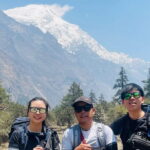
I especially like two things: the way the trip builds toward the big sunrise moment (then still gives you good trekking days to enjoy), and how guides like Hari Bhatta and Ganesh show up as real problem-solvers, checking in, helping with comfort, and even offering tea and plenty of photos. I’ve found that kind of care makes the early starts feel less stressful and the slower moments feel supported.
One thing to weigh before you book: you’ll need moderate physical fitness, and porter service is not included. The trail includes long days (some near 9 hours), so if carrying your own bag will be a hassle for you, plan that up front.
In This Review
- Key highlights I’d circle before you go
- Why This Ghorepani Poon Hill Trek Works So Well For First-Timers
- Kathmandu to Pokhara: The “Reset” Day Before the Trail
- Nayapul to Ulleri: Stone Steps, Modi Khola, and a Real Trek Kickoff
- Ghorepani Day: Rhododendron Forests and That Annapurna/Dhaulagiri View
- Poon Hill in the Dark: How to Make Sunrise Worth It
- Ghandruk: Gurung Culture, Mountain Views, and a Comfortable Ending
- Pokhara Back to Kathmandu: Let Your Legs Unwind
- What You Really Get for $650: Transfers, Guide, Permits, and Meals
- Guide Support Makes the Difference (Especially Hari)
- Pace, Fitness, and the Porter Question You Should Not Ignore
- Best For: Who Should Book This Trek
- Should You Book This Ghorepani Poon Hill Trek?
- FAQ
- What time does the trek start?
- How long is the Ghorepani Poon Hill Trek?
- What transfers are included in the tour price?
- Are meals included during the trek?
- Is porter service included?
- Is the weather important for this experience?
Key highlights I’d circle before you go
- Poon Hill sunrise timing: a very early hike so you catch the first light over the Himalayas
- Rhododendron forest walking: colorful forest trekking on the climb toward Ghorepani
- Gurung village time in Ghandruk: cultural stops alongside mountain views
- Guide support that shows up: multiple mentions of guides like Hari (and Hari Bhatta) being attentive and practical
- Meals included most days: breakfasts plus lunch and dinner on set days
- Mostly low-stress logistics: bus transfers from Kathmandu and back, plus local bus legs during the trek
Why This Ghorepani Poon Hill Trek Works So Well For First-Timers
This is the Annapurna region in a “doable” format. You get a classic trek rhythm: walk in daylight, rest in guest houses, and hit one major wow moment early in the morning. It’s not a technical climb. It’s trekking with plenty of chances to stop, look around, and adjust your pace.
What makes it feel especially good is the balance between scenery and village life. You’re not only walking through forests and stone stair sections—you’re also sleeping in mountain communities and ending at a place with strong Gurung culture. That mix is why the trek often lands as a favorite for people who want nature plus people, not just views.
Also, the guide factor matters here. In the feedback, guides named Hari (and Hari Bhatta) come up again and again for being attentive and genuinely caring—staying close to slower members, helping with comfort, and even carrying a bag for someone who was injured. That’s exactly what you want when you’re learning how to pace yourself on a multi-day trek.
You can also read our reviews of more tours and experiences in Kathmandu.
Kathmandu to Pokhara: The “Reset” Day Before the Trail
Day one is a tourist bus ride from Kathmandu to Pokhara, then an easy settling-in day. You’ll pass through terraced fields and distant Himalayan peaks on the road, which is a nice preview without demanding your legs.
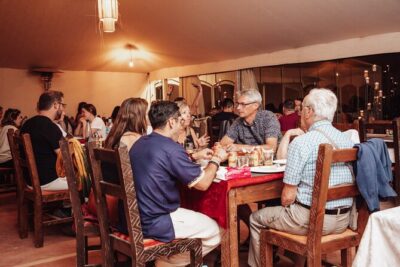
Once you arrive, the plan is simple: check into your hotel and relax around Phewa Lake. This isn’t a hard day, and that’s the point. You’re letting your body adjust and using Pokhara as your staging area—so the first trekking day doesn’t feel like it comes out of nowhere.
Why it’s good value: the long transfer is included both ways later, and you’re not left trying to stitch together transportation on your own. For most people, that alone makes the trip feel smoother.
Nayapul to Ulleri: Stone Steps, Modi Khola, and a Real Trek Kickoff
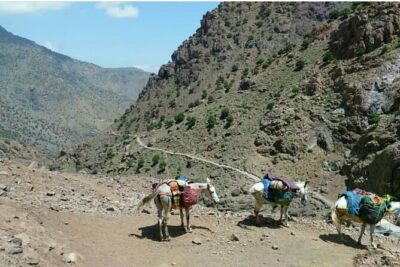
Your trekking days start after a drive to Nayapul, the typical gateway into the Annapurna region. From there, you’ll follow the Modi Khola River through villages and forests.
The key experience here is the switch from walking on roads to actually trekking: you climb through stone steps to reach Ulleri, a mountain village where you spend the night. Expect a “first-trek” feel—your legs are learning the rhythm, and you’re gaining elevation steadily.
A small practical consideration: this day is listed at about 7 hours, and the stair sections can make it feel longer than the clock suggests. If you go slower on purpose, you’ll likely feel better later.
Ghorepani Day: Rhododendron Forests and That Annapurna/Dhaulagiri View
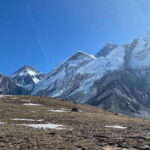
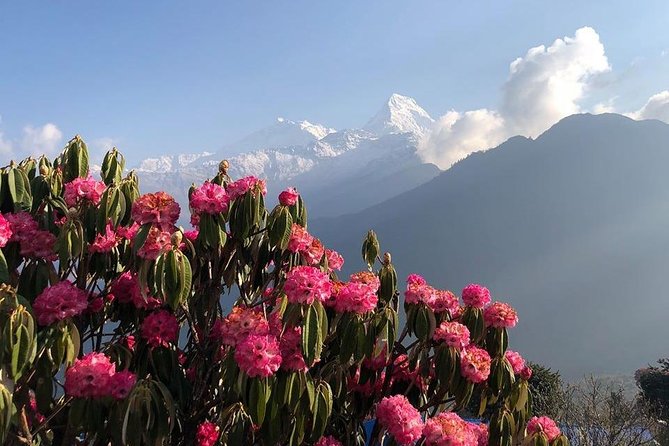
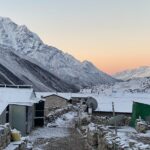
Day three is one of the most scenic builds. You climb toward Ghorepani through rhododendron forests, described as colorful as you ascend. Even if you’re not chasing “perfect Instagram light,” rhododendron season tends to make the trail feel alive.
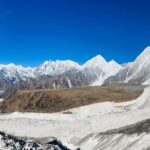
Along the way, you get panoramic views of the Annapurna and Dhaulagiri ranges. Then you arrive in Ghorepani, a mountain village setting designed for hikers. The day ends with a sunset over the snow-capped peaks, which is a great way to cap the work you did climbing earlier.
In the feedback, the overnight stays get positive notes for being clean and comfortable. That matters on trekking days, because your sleep quality affects everything from your energy to your mood at breakfast.
Poon Hill in the Dark: How to Make Sunrise Worth It
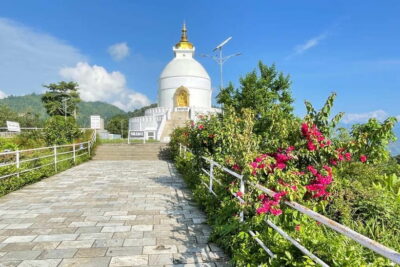
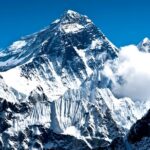
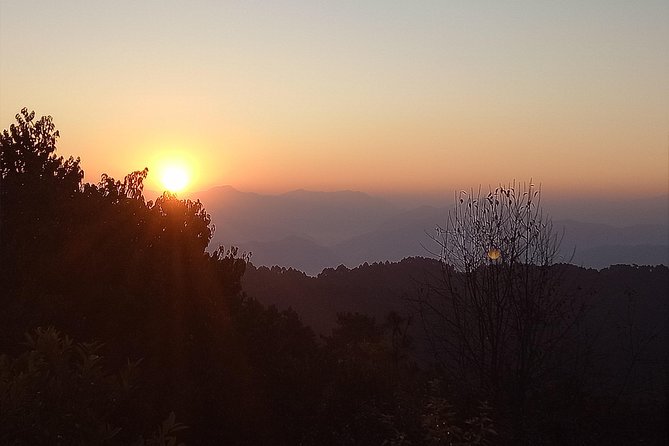
This is the day most people plan the trip for. You rise before dawn to hike to Poon Hill for sunrise over the Himalayas. In plain terms: it’s early, it’s worth it, and you’ll want to be ready to walk before you fully feel awake.
After sunrise, you trek back to Ghorepani for breakfast, then continue toward Tadapani. The plan keeps the day active rather than making it a one-hour sunrise detour. You’re turning that early effort into a full trekking day.
Two practical tips that come straight from the vibe of the guides mentioned in the feedback:
- Don’t rush the ascent like you’re racing to the top. A good guide will help you match the pace of the group.
- Take breaks when offered. In multiple accounts, Hari (and Hari Bhatta) is described as stopping to check on people and making comfort part of the plan—like tea during the day.
Also, this trek is weather-dependent. If clouds shut out the view, you’ll want the ability to adjust your expectations or travel dates.
Ghandruk: Gurung Culture, Mountain Views, and a Comfortable Ending
Day five brings you into Ghandruk, known for Gurung culture and mountain panoramas. You descend to this village and get time to explore—enough to feel like you’ve arrived in a community, not just passed through.
Then you enjoy a hearty lunch and continue your route back to Pokhara by public bus. That return by bus matters more than it sounds. After trekking downhill, you’ll appreciate not having to figure out transport or negotiate another long transfer yourself.
The “ending energy” is usually where people either love or resent the trek. Here, you end with food, a village feel, and a smooth move back to Pokhara to rest and reflect.
Pokhara Back to Kathmandu: Let Your Legs Unwind
On day six, you’re back on a scenic road drive from Pokhara to Kathmandu. It’s about 7 hours, and it’s a classic cooldown: sitting, watching the views slide by, and mentally sorting through what you saw over the last few days.
You’ll return to a busy city setting after mountain quiet. That contrast can feel jarring—unless you plan to treat the last day as rest time rather than sightseeing time.
If you still have energy, it can be tempting to cram in extra plans. I’d resist that. After a trek like this, you’ll get more out of the day by simply recovering and sharing the story while it’s still fresh.
What You Really Get for $650: Transfers, Guide, Permits, and Meals
$650 per person isn’t cheap, but it’s not random pricing either. Based on what’s included, a big chunk of the cost covers the trip’s “can’t-fail” basics.
Here’s what’s part of your value package:
- Kathmandu to Pokhara and back by tourist bus
- Pokhara to Nayapul and Ghandruk back to Pokhara by local bus
- Trek permits and government/local taxes
- An English-speaking professional guide
- Meals: breakfast (5), lunch (4), dinner (3)
That mix is important. Permits and taxes can be a headache when you DIY. Guide help reduces confusion on trail days, especially in a place where routes and village logistics matter. And meal coverage means you’re not constantly stopping to figure out food mid-trek.
What’s not included is also part of the value equation:
- Porter service
So, if you’re the type who likes traveling light, you may feel the price is very fair. If you’d rather not carry a bag for hours each day, you’ll need a plan.
Guide Support Makes the Difference (Especially Hari)
The strongest praise in the feedback centers on the guide experience. Names like Hari and Hari Bhatta show up repeatedly, and the themes are consistent: attentive care, practical help, and a calm presence.
A few specific patterns stand out:
- Guides check that you’re okay and encourage you without judging you
- Guides keep groups together, including staying with slower members
- Comfort details get handled (like hot water for showers at guest houses, based on feedback)
- Help extends beyond walking—carrying a bag for someone who was injured is mentioned
This matters because Poon Hill trekking is physically manageable for many people, but it’s still a real effort. The guide becomes the difference between a trek that feels exhausting and one that feels supported.
Also, the trek is described as private for your group. That doesn’t mean you won’t hike with others at tea houses and guest houses. It does mean your trekking experience is tailored to your group rather than being mixed with random strangers in every moment.
Pace, Fitness, and the Porter Question You Should Not Ignore
This trek asks for moderate physical fitness. That’s the right call for a 6-day trek with long walking days and stone stair segments. You don’t need to be an athlete, but you do need to be comfortable walking for hours per day.
A helpful way to think about it:
- You’ll have days around 6–7 hours
- One day is listed around 9 hours with the Poon Hill sunrise schedule and then more hiking afterward
If you’re new to trekking, the early start plus daylight trekking can feel like a lot. This is where a patient guide can make the experience feel manageable.
And here’s the big logistics consideration: porter service isn’t included. That means you should assume you’ll carry your own day items and overnight gear. If that’s a problem for your body, you’ll want to address it before you go, because it’s not automatically solved by the package.
Best For: Who Should Book This Trek
This Ghorepani Poon Hill Trek fits best if you want:
- A classic Annapurna sunrise experience without a heavy technical challenge
- A route with forests, villages, and at least one strong culture-focused stop
- A guided trip where someone handles permits, taxes, and the transport legs
- Proof of support from real guides (Hari and Hari Bhatta are repeatedly highlighted)
It may be less ideal if you:
- Have trouble with early mornings and long walking days
- Need porter support to keep the trek comfortable
Also, because the sunrise part depends on weather, you should be okay with the possibility that fog or cloud cover affects visibility. Your schedule is designed for the best chance, but nature decides the final show.
Should You Book This Ghorepani Poon Hill Trek?
If your goal is a 6-day trek that’s scenic, culturally grounded, and guided in a way that actually helps you feel safe and cared for, I think this is a strong choice. The value comes from the included guide, permits, taxes, and the bus transfers that reduce hassle. The prize is the Poon Hill sunrise plus the village days that make the trek feel like a journey rather than just a viewpoint sprint.
I would book it if you can handle moderate fitness, early starts, and carrying your own bag (since porters aren’t included). If you want a fully cushy experience with minimal walking, or if your body needs porter help to enjoy the trek, you’ll want to adjust your plan before committing.
FAQ
What time does the trek start?
The start time is listed as 7:00 am.
How long is the Ghorepani Poon Hill Trek?
The duration is about 6 days.
What transfers are included in the tour price?
Kathmandu to Pokhara and back are included by tourist bus. Pokhara to Nayapul and Ghandruk to Pokhara are included by local bus.
Are meals included during the trek?
Yes. Breakfast is included (5), lunch is included (4), and dinner is included (3).
Is porter service included?
No. Porter service is not included.
Is the weather important for this experience?
Yes. The experience requires good weather. If it’s canceled due to poor weather, you’ll be offered a different date or a full refund.