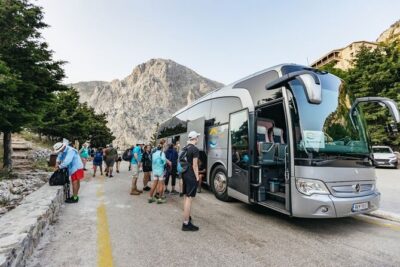
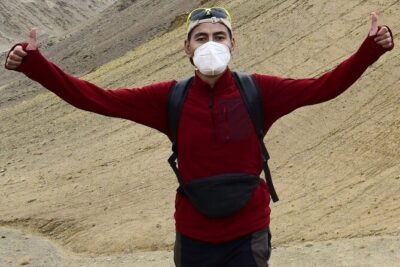
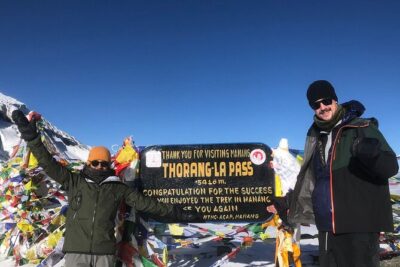
Triund feels big for such a short trip. This is a guided hike to Triund Hill with an overnight tent-camping setup, so you get real Himalayan payoff without going far from Dharamsala and McLeod Ganj.
What I like most is the sense of safety and direction: you’re not figuring out the trail alone, and it’s run as a private experience for your party. I also really appreciate that the essentials are handled—tents and camping gear are provided, and breakfast plus dinner are included.
The main catch is simple: the trek depends on good weather. If conditions are rough, plans can change, and you’ll be sleeping in a tent rather than a hotel room—great for some people, not for everyone.
In This Review
- Key things to know before you go
- Triund Trek Near McLeod Ganj: Why This One Works for 2 Days
- Getting to the Start: McLeod Ganj at 9:00 am
- Day 1: The Hike Up Toward Triund Hill (and Why the Guide Matters)
- Night at Triund: Tent Camping, Dinner, and Views That Feel Personal
- Day 2: Breakfast at Triund, Trek Toward Dharamkot, Then Back to McLeod Ganj
- Price and Value: How $28 Makes Sense for 2 Days
- Who This Trek Fits Best (and Who Might Want Another Option)
- Weather: The Real Decision Maker
- Should You Book the Triund Trek?
- FAQ
- Where does the Triund Trek start and end?
- What time does the trek start?
- How long is the Triund Trek?
- What’s included in the tour price?
- Is the experience private?
- Do I need good weather for this trek?
- How much does the Triund Trek cost?
- What is the cancellation policy?
Key things to know before you go
- Local guide-led hiking from McLeod Ganj so you’re moving with route know-how, not guesswork
- Tent camping gear is included, which matters when you want to travel light
- Meals are part of the deal: breakfast at Triund and dinner on night one
- Private feel for your group, even with a maximum overall group size stated by the operator
- A quick Himalayan change of scenery: Triund one day, then a trek back toward Dharamkot the next
Triund Trek Near McLeod Ganj: Why This One Works for 2 Days
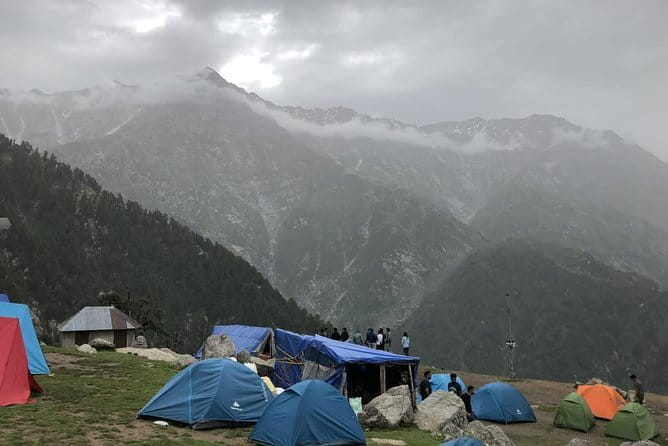
Triund Trek is popular because it hits a sweet spot. It’s close enough to McLeod Ganj that you don’t burn your whole trip just getting to the trailhead. But once you start climbing, it feels like you’ve stepped into the Dhauladhar world for real.
This trip also avoids a common Himalayan hassle: you don’t need to organize camping equipment or meal plans on your own. The night at Triund is set up as camping, not a survival test. You’re there for views, fresh air, and that satisfying tired feeling—without needing “expert trekker” status.
And because it’s guide-led, you get more calm, less chaos. You can focus on the hike, the sky, and the mountain angles instead of constantly checking your bearings.
You can also read our reviews of more tours and experiences in Dharamsala.
Getting to the Start: McLeod Ganj at 9:00 am
Your trek activity starts in McLeod Ganj, Dharamshala (Himachal Pradesh), with a 9:00 am start time. That timing is important. In the hills, mornings can be your friend—cooler air, better visibility, and less chance of losing time to slow starts.
One practical detail: the area around Dharamshala and McLeod Ganj is close, with a short hop between them. You’ll typically connect via Dharamshala first and then head toward McLeod Ganj, which is about 7 km from Dharamshala. If you’re coming from Delhi or Chandigarh, overnight bus routes to Dharamshala are a common approach.
Bottom line: arrive in the Dharamshala/McLeod Ganj area the day before, and treat that 9:00 am start like it’s a train. In the mountains, “almost on time” can become “why are we still waiting?”
Day 1: The Hike Up Toward Triund Hill (and Why the Guide Matters)
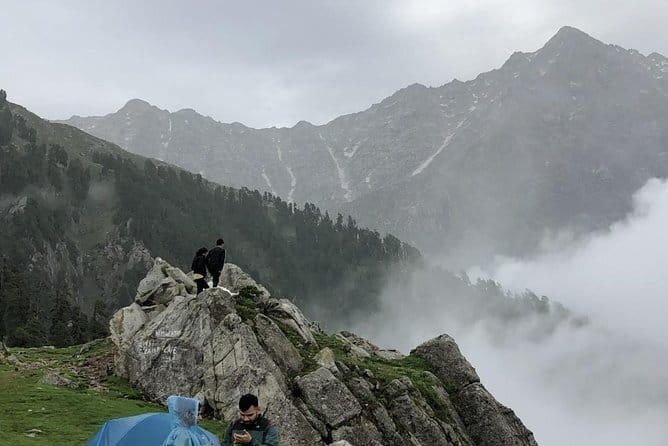
Day 1 centers on Triund Hill. The idea is straightforward: you hike up with your local guide, and you reach the Triund area where you’ll sleep.
Here’s why I think the guide-led setup is a big deal on this trek:
- You’re dealing with a mountain trail that changes character as you climb.
- A good guide helps you keep a steady pace.
- They manage the route so you don’t spend your energy on wrong turns.
This matters even if you’re fit. Trek fatigue is real, and wasting time early usually costs you later. The best part is that the guidance lets you enjoy the climb instead of stress-walking through it.
There’s also a “small but meaningful” cultural and environmental note in the feedback: the trek is generally kept clean, so you’re not dodging trash on the trail. That helps the hike feel more respectful and more pleasant from the first uphill step.
Night at Triund: Tent Camping, Dinner, and Views That Feel Personal
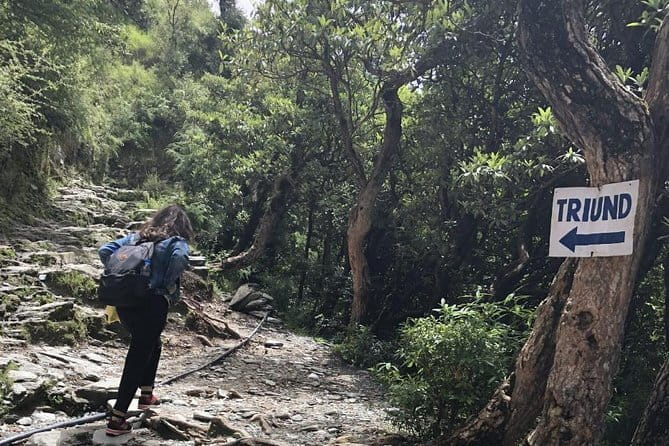
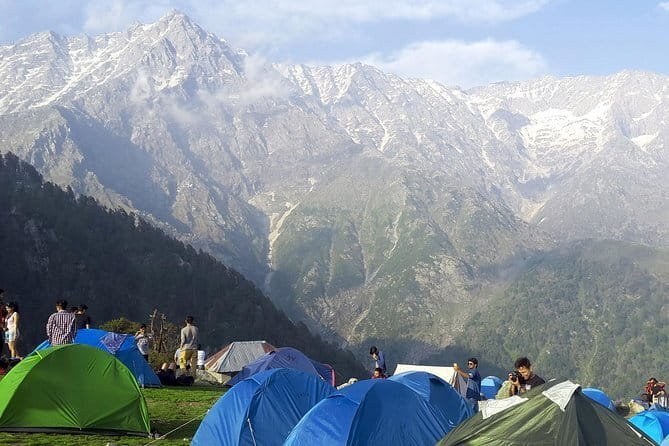
After Day 1’s ascent, the experience turns into overnight camping at Triund. This is where the trek stops being just a hike and becomes a story you’ll remember.
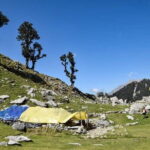
You’ll get a tent and camping gear provided by the operator. That’s a practical value point. In places like this, the temptation is to pack too much “just in case.” Here, you can keep your load reasonable because the essentials for sleeping are handled.
Dinner is included. Breakfast is later included too, so you’re not trying to hunt for food at odd hours when you’re already tired from hiking.
One more detail that comes up in real-world feedback: morning views are often best. If you can handle waking up early, you’ll likely catch clearer light over the Dhauladhar range and the Kangra valley. At Triund, the sky and weather do the storytelling—especially after a night outdoors.
Also, a little humor is appropriate here: you’re swapping hotel convenience for mountain air, but you’re getting the sky for free. No room service needed.
Day 2: Breakfast at Triund, Trek Toward Dharamkot, Then Back to McLeod Ganj
Day 2 starts with breakfast at the Triund campsite. Then you begin the trek toward Dharamkot, aiming to reach it by the evening.
This is a nice change of pace compared to a simple out-and-back. It gives you a sense of movement and variety instead of repeating the same trail segments. In plain terms: you hike up to the viewpoint, then you spend the next day easing back down through the hills toward Dharamkot.
And because the activity ends back at your meeting point, you’re not left figuring out transport at the finish line. The tour is designed to loop back to McLeod Ganj.
If you’re someone who hates “dead time,” this structure helps. You get breakfast, you keep moving, and you finish the trek with a clear endpoint rather than wandering around wondering what comes next.
Price and Value: How $28 Makes Sense for 2 Days
At $28 for a roughly 2-day experience, the value comes from what you’re not paying for separately.
You’re getting:
- A local guide to lead the route safely
- Camping gear and tents provided
- Breakfast and dinner included
- A private experience for your party (as stated)
Even without breaking down exact costs meal-by-meal, it’s clear why this price can feel attractive. The trip handles big logistics that usually cost extra: a guided trail experience plus a real overnight setup.
The deal also works well if you’re traveling on a budget but still want something authentic. You’re not paying for a luxury hotel; you’re paying for access, safety, and the camping experience.
Just remember the trade-off: at this price point, the focus is the hike and campsite, not comfort-grade bedding or indoor heating.
Who This Trek Fits Best (and Who Might Want Another Option)
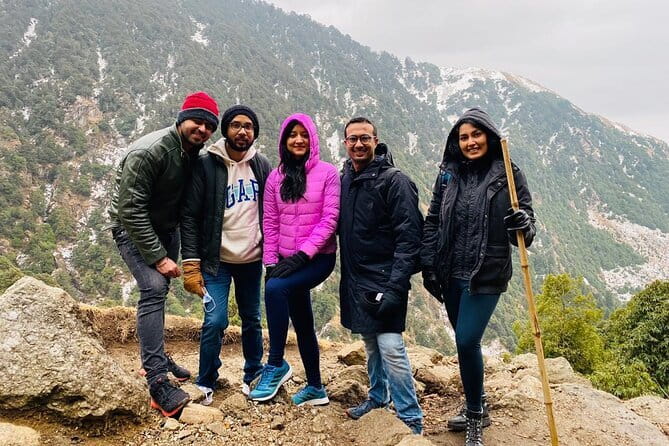
This trek is a strong match if you want:
- A beginner-friendly Himalayan introduction
- A guided climb without technical training
- A short trip that still feels like a real mountain overnight
It’s also a good fit for groups who want to hike together with less stress. The operator states a private experience for your party, which helps if you want a more personal pace rather than being merged into a loud crowd.
Who might find it less ideal:
- If you dislike cold nights or the idea of sleeping in a tent
- If you need strict hotel comfort
- If you’re not ready for hills and uneven paths (even a “manageable” trek still involves real hiking)
Weather: The Real Decision Maker
The trip requires good weather. That’s not a footnote—it’s the main reason the mountain gods get a vote.
If weather is poor, you’ll likely be offered a different date or a full refund. That’s important because rain and low visibility can turn a scenic hike into a tiring grind.
My practical advice:
- Dress in layers. Mountains can shift fast.
- Keep your schedule flexible enough for a weather-driven change.
- If the forecast looks iffy, don’t fight it. Good conditions will make this trek feel worth it.
Should You Book the Triund Trek?
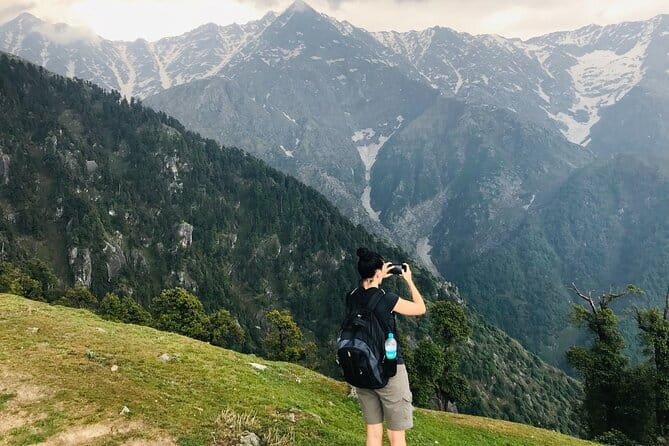
I’d book it if you want a short, guided Himalayan experience that doesn’t require you to plan camping gear or meal logistics. The guide-led safety, tent/camping setup, and included meals make the $28 price feel fair, especially for a 2-day format.
Skip it (or choose a different style of trip) if you’re mainly looking for hotel comfort or if you know you’ll struggle with cold, simple overnight camping. And if weather is uncertain, be ready to reschedule—this one works best when the sky cooperates.
If you’re aiming for an honest first Himalayan trek near McLeod Ganj, Triund is one of the most practical ways to get there.
FAQ
Where does the Triund Trek start and end?
It starts at McLeod Ganj, Dharamshala, Himachal Pradesh, India and ends back at the meeting point.
What time does the trek start?
The start time is 9:00 am.
How long is the Triund Trek?
The duration is about 2 days.
What’s included in the tour price?
The experience includes a local guide, tents and camping gear, breakfast and dinner, and a mobile ticket.
Is the experience private?
Yes. It’s described as a private experience for just your party.
Do I need good weather for this trek?
Yes. The experience requires good weather. If it’s canceled due to poor weather, you’ll be offered a different date or a full refund.
How much does the Triund Trek cost?
The price is $28.
What is the cancellation policy?
There is free cancellation. You can cancel up to 24 hours in advance for a full refund, and cancellations within 24 hours are not refunded.