REVIEW · DHARAMSALA
Indrahar Pass Trek with Manu Adventures India
Book on Viator →Operated by Manu Adventures India · Bookable on Viator
Indrahar Pass is the Himalayan detour worth taking. This 4-day guided trek from McLeodganj (near the Dalai Lama’s home base) climbs through Triund country and on toward Indrahar Pass on the Dhauladhar ridge. You’ll get big, clear views over Kangra Valley and Dharamshala town below, plus a route that mixes villages, meadows, and rock work.
What I especially like is the focus on real trekking days, not just a sightseeing bus loop. The included meals and tents make it easier to keep your energy for the climb (you’re not guessing where the next meal comes from). You’ll also hike with a team that can include more than one helper—some groups run with ponnies and a ponny guide—so the camp side feels more organized.
One consideration: this trek is weather-dependent and runs at high altitude. A negative review raised concerns about snow/ice readiness (specifically snow traction equipment), so you should ask what conditions mean for your dates and plan to bring smart layers and footwear—and be ready to turn back if the weather turns.
In This Review
- Key highlights you’ll care about
- Why Indrahar Pass at 4,342m feels like a real trek
- Price and value: what $108.15 actually buys you
- Starting from Bhagsu Nag at 9:00 am (and why that timing helps)
- Day 1: McLeodganj to Triund via Dhramkot and Galu Devi
- Day 2: Triund to Lahesh Cave via Laka meadow
- Day 3: The north-east ridge walk to Indrahar Pass (Kangra–Chamba line)
- Day 4: Coming back down to Bhagsu Nag (without trashing your knees)
- Tents, meals, and the practical comfort checklist
- Guides, group size up to 21, and safety notes from the real world
- Should you book Manu Adventures India for Indrahar Pass?
- FAQ
- Where do I meet for the Indrahar Pass trek?
- How long is the Indrahar Pass trek?
- What’s included in the price?
- What is not included?
- How big are the groups?
- Do I need to be very fit?
- Is the trek dependent on weather?
- Is cancellation free?
Key highlights you’ll care about
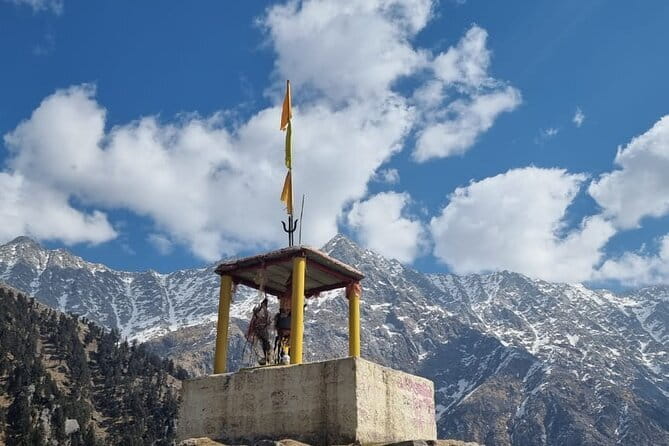
- Dhauladhar ridge walking toward Indrahar Pass at 4,342m, with Kangra–Chamba district boundary vibes
- Triund and Lahesh Cave staging via Dhramkot, Galu Devi, and Laka, so the scenery changes day by day
- Tents plus all meals (breakfast, lunch, dinner, snacks, coffee and/or tea) to keep the trek pace steady
- Smallish groups (max 21) with a real guide team behind the scenes
- Route adjustments for weather, including changes mid-route when conditions shift
- A practical reminder: high-altitude weather can include snow or ice, so gear matters
Why Indrahar Pass at 4,342m feels like a real trek
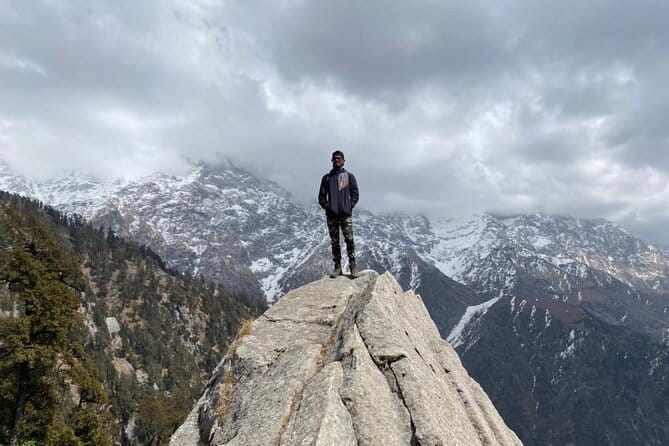
Indrahar Pass sits in the Dhauladhar range at 4,342 metres above mean sea level, near Dharamshala. It’s not just a point on a map; it’s a physical finish line on rugged terrain. The pass sits at 32°17.852′N 76°22.872′E and forms a boundary between Kangra and Chamba districts, which gives the whole day an extra sense of place.
The route also earns its keep. You’re not only walking uphill—you’re moving through distinct zones: Dhramkot village, the area around Galu Devi, the Triund viewpoint region, then toward Laka and the Lahesh Cave area. After that comes the steeper, rockier push toward the pass, walking over rocks on the north-east face of the ridge and keeping a steep wall of Mon to your right.
If you’ve done easier treks around McLeodganj, this one feels like the next step up. If you’re new to trekking, it’s still described as easy to moderate, but the altitude and the pass approach mean you should treat it as a workout, not a gentle stroll.
You can also read our reviews of more tours and experiences in Dharamsala.
Price and value: what $108.15 actually buys you
At $108.15 per person for about 4 days, this doesn’t look like a “premium lodge” trek. The value here is that the essentials for a mountain-style trip are included: breakfast, lunch, dinner, snacks, coffee and/or tea, plus tents. That matters because trekking costs add up fast when you have to buy meals twice a day and arrange camp fixes yourself.
What’s not included is private transportation. That’s normal for trekking in Himachal, but it affects how smooth your arrival and departure feel. The good news: the start point is in Bhagsu Nag, Dharamshala, and the experience notes say you’re near public transportation, which helps you stitch your own travel plan together without needing a car hire.
Also worth noting: it’s a mobile ticket experience, and the operator says you’ll receive confirmation at booking time. For a trek, that reduces the “did we get the right dates” stress, and you can spend more time focusing on packing and conditioning.
Starting from Bhagsu Nag at 9:00 am (and why that timing helps)
Your trek starts at 9:00 am from Manu Adventures India, Bhagsu Nag, Dharamshala, Himachal Pradesh 176219, India. The plan ends back at the meeting point. That keeps logistics straightforward: you don’t need to arrange a separate return vehicle from a remote trailhead.
Starting in the morning also gives you something underrated—morning energy. Higher elevations can shift quickly in the afternoon with wind and cloud cover. If you’re going to climb toward a pass, timing becomes part of the safety equation.
The group size is capped at 21 travelers, which usually means you’ll get enough hiking structure without feeling like you’re in a marching band. It also makes guide instructions easier to follow on narrow, rock-strewn sections.
One more practical detail: the experience notes say service animals are allowed, which can matter for some travelers planning the logistics of caring for a companion.
Day 1: McLeodganj to Triund via Dhramkot and Galu Devi
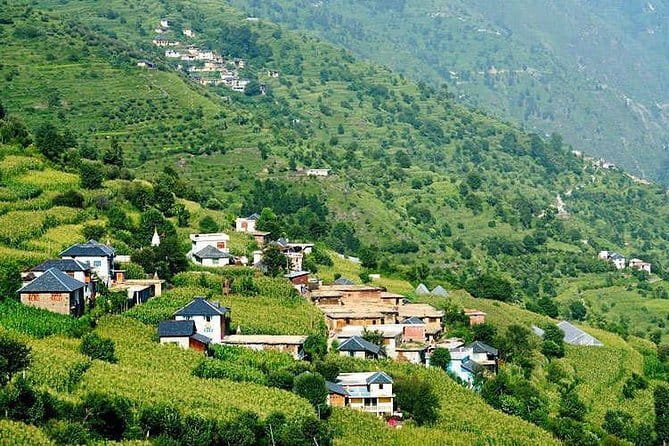
Day one is built around the classic McLeodganj-to-Triund corridor, but with added texture. You start from the McLeodganj area and trek toward Triund (2,875m). Along the way, the trail takes you via Dhramkot village and Galu Devi.
Why this first day works:
- Village-to-ridge progression. You start in a lived-in area and gradually transition into mountain trekking terrain. That makes the first leg mentally easier.
- View payoff. The description highlights stunning views of Kangra Valley and Dharamshala town below. Even if the top is still ahead, you’re training your eyes to look far, not just down at your boots.
- A soft landing before higher stakes. Triund at 2,875m is high enough to feel it, but it’s not the pass.
What you’ll likely feel: Day one is where your legs learn the rhythm—steady effort, short rests, no heroic sprints. Triund is also a common “turning point” in many Himachal treks, so you’ll find the area has a trekking culture around it. If you like the idea of meeting other hikers (without turning the trek into a social circus), this day sets that tone.
Day 2: Triund to Lahesh Cave via Laka meadow
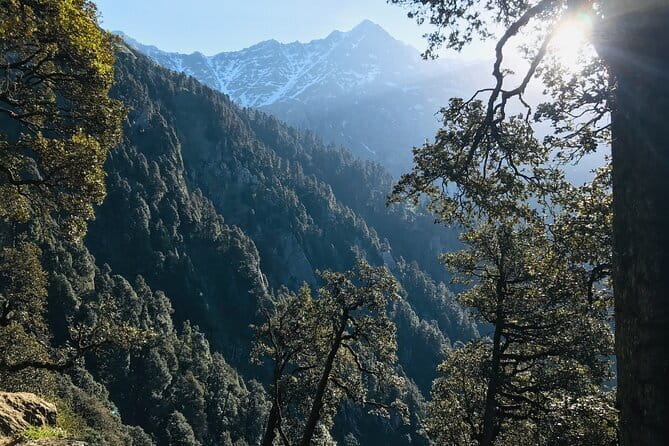
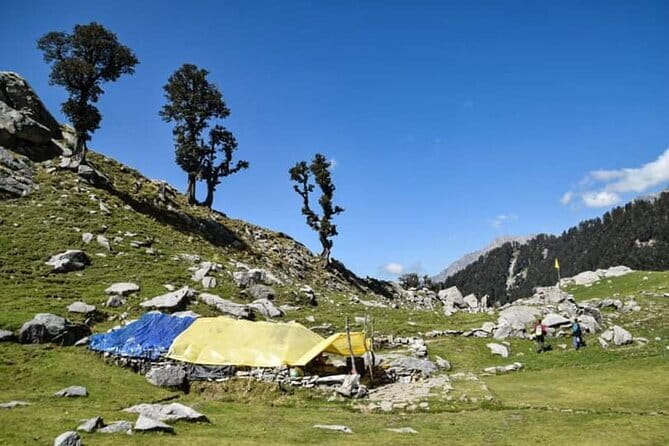
From Triund, the trail heads toward Lahesh Cave, and along the way you pass Laka and cross a meadow scattered with boulders. This is where the trek starts to feel more rugged and less postcard-easy.
Laka is an important name on this route. One trekker who changed plans described hiking to Laka Glacier (base camp) as stunning, and that it sits at the foot of the final ascent toward Indrahar. Even if you’re going all the way to the pass (which is the trek’s goal), it helps to know Laka is a real “area landmark” on this itinerary—not just a line on a map.
Then comes Lahesh Cave. The hike shifts from open meadow walking into terrain that’s more direct and grounded. Caves in mountain trekking often mean two things: a physical reference point and a weather story (wind, cold pockets, and how quickly temperatures can change). Your day’s vibe can change fast once you’re near a cave area in the Dhauladhar.
What to watch: boulders and uneven ground turn “easy to moderate” into “be smart with your footing.” If you’re a strong hiker but still get clumsy when tired, this is the day to slow down. The pass day will thank you.
Day 3: The north-east ridge walk to Indrahar Pass (Kangra–Chamba line)
This is the day with the big name—and the big altitude. From Lahesh Cave, you start walking toward Indrahar Pass by keeping the steep wall of Mon on your right, as the trail climbs along the north-east face of the ridge.
The route description mentions:
- walking over rocks straight on the north-east face
- continuing over the crest
- coming across several ascents
That combination is why this trek feels like a step up. It’s not one long grind in perfect trail conditions; it’s a series of terrain challenges. You’ll likely find yourself using a “pause, breathe, move” technique more often than on smoother hikes.
Why the pass day is worth it:
- You’re crossing a high point at 4,342m, so even if views are partly blocked, the effort still feels real.
- You’re walking the ridge in a way that follows natural terrain features—keeping Mon to your right becomes a mental anchor when the trail narrows and details blur.
One safety reality check from the info you have: this experience requires good weather. That doesn’t only mean “no rain.” It can also mean snow, ice, and visibility issues. One unhappy review claimed snow traction equipment wasn’t offered and questioned suitability for conditions. I can’t judge the exact situation, but I can tell you what to do now: before your trek date, ask what traction or snow gear is available (and what you should bring). If they can’t clearly answer, assume you’ll need your own plan.
Day 4: Coming back down to Bhagsu Nag (without trashing your knees)
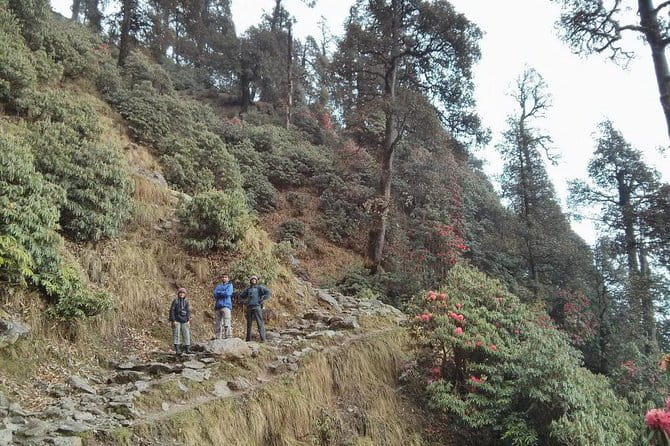
The activity ends back at the meeting point, and the experience is listed as 4 days approx. That usually means you’re hiking enough on day four to feel like you earned your tea, but not so much that you’re still fighting for your life after the pass.
After the pass effort, your main enemies are:
- legs that feel tired, even when you’re determined
- downhill fatigue that sneaks up on your knee joints
- dizziness or sluggish breathing if altitude lingers in your system
The good part: you don’t need to guess the logistics. The operator is organizing the overall route and camp/tent setup, and you’re returning to the same meeting point where you started. That’s the kind of simplicity you want when you’re carrying a daypack and trying to stay balanced.
If you’re the type who gets emotional at summits (or just exhausted and cranky), day four is also when you can shift into “steady and safe” mode. No hero moves, no rushing for last-minute photo angles. Treat the descent like part of the trekking lesson.
Tents, meals, and the practical comfort checklist
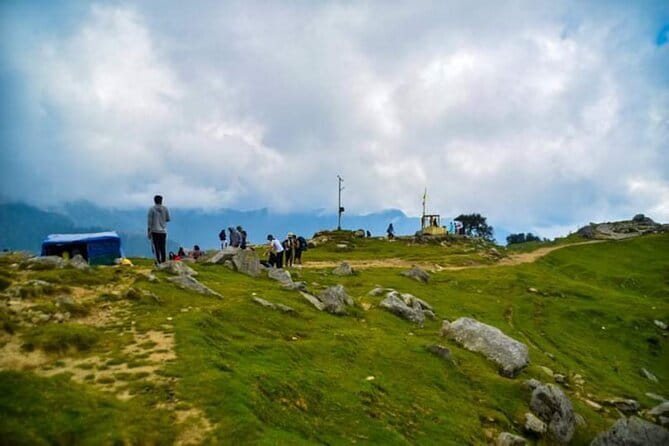
This trek includes tents and all the core meals: breakfast, lunch, dinner, snacks, plus coffee and/or tea. That’s a big deal for two reasons.
First, it keeps your trekking day “predictable.” You’ll be able to eat on schedule instead of hunting for food mid-hike. Second, it reduces the weight calculus. If you didn’t have meals covered, you’d probably carry more snacks and water decisions would get more complicated.
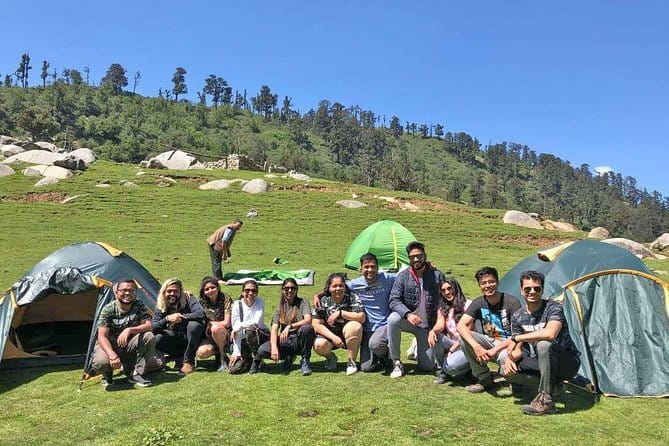
From the positive feedback, the camp side tends to be taken seriously. Multiple comments praised comfortable, clean tents and the overall hospitality approach. People also singled out the quality of food and the team’s care. That sounds like the operator is doing the unglamorous work: keeping camp functioning so you can focus on the climb.
What I’d still plan for yourself:
- your own warm layers (mountain weather can shift)
- gloves or head protection if it’s cold
- sturdy footwear for rocky sections
- a headlamp for early mornings or late finishes (especially if clouds roll in)
The trek is short enough that you don’t need to pack like you’re moving mountains for a year. But you do want to pack like you respect cold air at elevation.
Guides, group size up to 21, and safety notes from the real world
This is a guided trek with maximum 21 travelers, which is big enough to feel social but small enough for actual instruction. Having a guide matters most on steep, rocky terrain and on days when weather changes.
One review specifically mentioned a guide named Anil. They praised his patience and noted he changed the route slightly mid-way due to weather conditions. That’s exactly the kind of adjustment you want: smart response instead of stubborn follow-the-plan behavior.
Another review credited Manu as an excellent guide and highlighted the team looking after everyone above and beyond. That also fits the overall vibe you should expect: the trek isn’t just about reaching Indrahar Pass; it’s about being cared for during the in-between hours—when you’re hungry, cold, or unsure.
Now, the balanced part: there’s at least one critical review describing the trek as dangerous due to snow conditions and alleging snow gear wasn’t provided. I can’t verify the specifics here, but it tells you something valuable: don’t assume “easy to moderate” means “no snow gear needed.” If conditions are borderline, your readiness and the operator’s responsiveness matter.
So my practical safety advice is simple:
- Ask directly about weather-dependent gear for your date.
- Tell them your fitness level honestly.
- Don’t push the pass if the conditions don’t feel right that day.
Should you book Manu Adventures India for Indrahar Pass?
If you want a real high-elevation trek with meals + tents included, and you like the idea of walking from McLeodganj up through Triund and toward Lahesh Cave, this is a strong fit. The itinerary also has enough variety to keep each day interesting: villages, viewpoints, meadow boulders, then ridge walking toward Indrahar Pass at 4,342m.
I’d book if:
- you’re in the easy-to-moderate range but still serious about moving steadily
- you want guided logistics with a team that can adjust routes for weather
- you value camp comfort (clean tents were repeatedly praised)
I’d hesitate or ask more questions if:
- you’re trekking in a period where snow and ice are likely and you need clear answers on traction gear
- you hate uncertainty. This trek depends on good weather, and the operator can switch dates if the weather makes it unsafe.
Bottom line: for $108.15, you’re paying for guidance, structure, and the practical camp setup. That’s good value for a 4-day Himalayan pass trek—as long as you plan for mountain weather like it’s part of the itinerary.
FAQ
Where do I meet for the Indrahar Pass trek?
You start at Manu Adventures India in Bhagsu Nag, Dharamshala, Himachal Pradesh 176219, India at 9:00 am. The trek ends back at the same meeting point.
How long is the Indrahar Pass trek?
It’s listed as 4 days approximately.
What’s included in the price?
Included are coffee and/or tea, lunch, breakfast, dinner, snacks, and tents.
What is not included?
Private transportation is not included.
How big are the groups?
The experience has a maximum of 21 travelers.
Do I need to be very fit?
The notes say travelers should have a strong physical fitness level.
Is the trek dependent on weather?
Yes. The experience requires good weather, and if it’s canceled due to poor weather, you’ll be offered a different date or a full refund.
Is cancellation free?
Yes. You can cancel up to 24 hours in advance for a full refund. If you cancel less than 24 hours before the start time, the amount paid is not refunded.