REVIEW · KATHMANDU
Chisapani Nagarkot Trekking
Book on Viator →Operated by Outshine Adventure Pvt Ltd · Bookable on Viator
Big Himalayan mornings, in just three days. That’s the appeal of this Chisapani Nagarkot trekking route: you get real Kathmandu Valley trail time without committing to a two-week trek. I like the way the trip is built around quick, high-impact viewpoints (Chisapani, Nagarkot, and Changu Narayan) and the fact that you’re not left managing logistics because transport, meals, and a guide are handled for you.
I also appreciate the cultural layer that comes with the hiking. On the final day you pass terraced fields and Tamang villages, and you may even spot locals working with local wine called Raksi. One thing to consider: some guesthouse locations can mean serious stair climbs, so if you hate steps, plan to take it slow early on.
In This Review
- Key highlights worth planning for
- Why This 3-Day Chisapani–Nagarkot Trek Fits Real Schedules
- Meeting Point, Pickup, and the 6:30 AM Start You’ll Feel
- Day 1: Sundarijal to Chisapani Through Mulkharka and Shivapuri Forest
- Day 2 to Nagarkot: Ridge Trails, Big Northern Views, and Sunset Timing
- Day 3: Changu Narayan Sunrise Hike With Tamang Villages and Raksi
- Price and What You’re Really Getting for $350
- Meals, Guesthouses, and the Comfort Trade-Offs on Short Trails
- How Hard Is It, Really? Fitness and Step Anxiety
- Who Should Book Chisapani Nagarkot Trekking?
- Should You Book This Trek?
- FAQ
- How long is the Chisapani Nagarkot trekking experience?
- Where does the tour start and what time does it begin?
- Is pickup available from Kathmandu?
- What’s the maximum group size?
- What accommodation is included during the trek?
- Are meals included?
- Is a guide included?
- Do I need a passport?
- Is admission to Changu Narayan Temple included?
Key highlights worth planning for
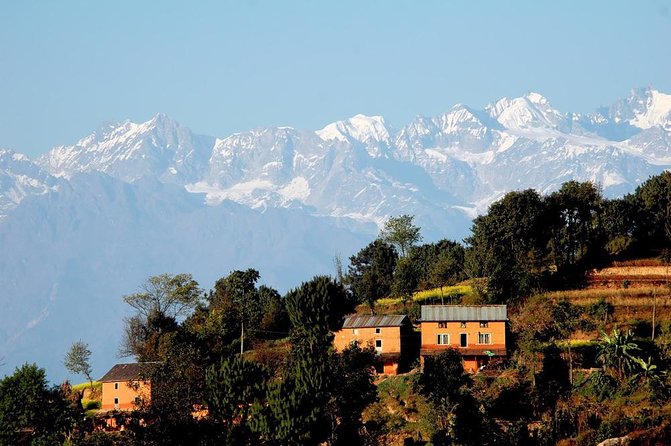
- Short trek, big views: Chisapani ridges, Nagarkot sunsets, and an early sunrise push.
- Guide included: A local government licensed English speaking guide stays with you for support.
- Meals are covered: Breakfasts, lunches, and dinners are included, so your hiking day stays simple.
- Forest + villages mix: From Shivapuri forest (oaks and rhododendron) to Tamang settlements on terraced hills.
- Small group size: Maximum 15 travelers, which usually makes it easier to move as a unit.
Why This 3-Day Chisapani–Nagarkot Trek Fits Real Schedules
If you only have a few days in Kathmandu, this is the kind of trek that makes your time count. The route stays close enough to the capital for a short getaway, but far enough to feel like you’re leaving the city behind.
You’re also not just collecting photos. The hiking is paced for moderate fitness, with enough structure that you can focus on the trail and the views. Expect a mix of forest paths, ridge walking, village scenery, and cultural stops, all within a tight three-day window.
You can also read our reviews of more tours and experiences in Kathmandu.
Meeting Point, Pickup, and the 6:30 AM Start You’ll Feel
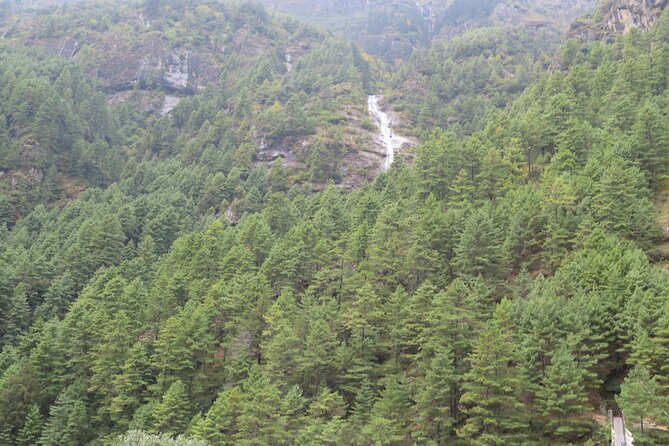
The day begins at Outshine Adventure Pvt. Ltd, Paknajol Chock, with a 6:30 am start time. If you’ve got jet lag or a slow morning, set two alarms and bring water with you right away.
Ground transfers are part of the deal. You’ll go by private car from Kathmandu to Sundarijal on Day 1, and then return by car from Nagarkot back to Kathmandu at the end of the trek. This matters because you don’t burn half your time figuring out transport or negotiating rides.
The group size is capped at 15 travelers. That’s a sweet spot: big enough to feel like a group experience, small enough that the day doesn’t turn into a traffic jam on a narrow trail.
Day 1: Sundarijal to Chisapani Through Mulkharka and Shivapuri Forest
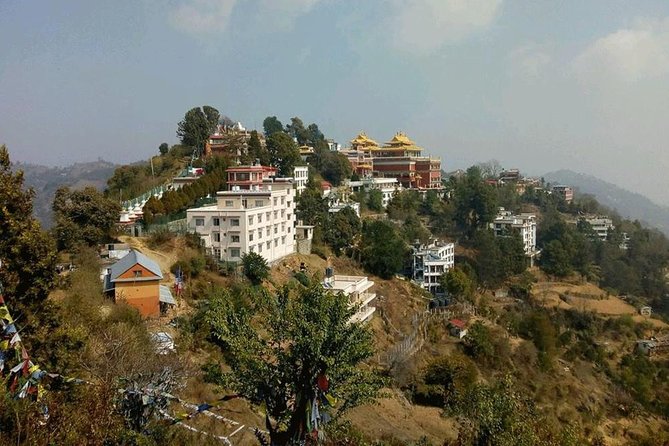
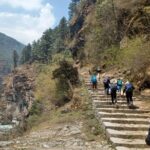
Day 1 starts with a drive up to Sundarijal at 2200m. From there you hike from Sundarijal toward Mulkharka village, where you pass Tamang community areas and start moving through forested stretches.
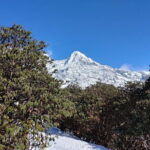
You’ll work your way up toward an east ridge, then enter the Shivapuri forest area where oaks and rhododendron are part of the scenery. This is one of the best parts of short treks: you get real altitude-adjacent nature fast, without needing a long trek to earn it.
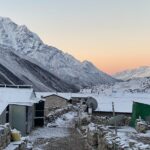
Chisapani sits around 2300m, and that’s where you sleep in a guesthouse for the night. One practical heads-up: some guests’ first-night lodging can involve a lot of stair climbing—more than you’d expect after already hiking. If stairs are your nemesis, plan to move steadily and give yourself extra time when you arrive.
Day 2 to Nagarkot: Ridge Trails, Big Northern Views, and Sunset Timing
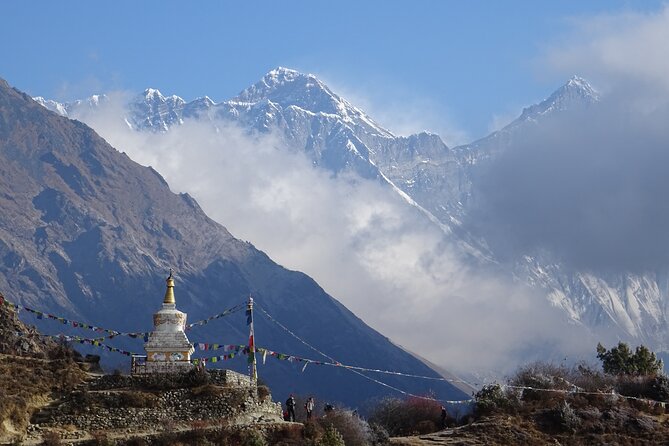
Day 2 morning is all about views. Before you even fully settle into the hike, the route sets you up to look north toward the Himalayan panorama.
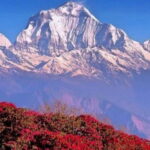
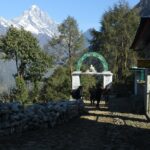
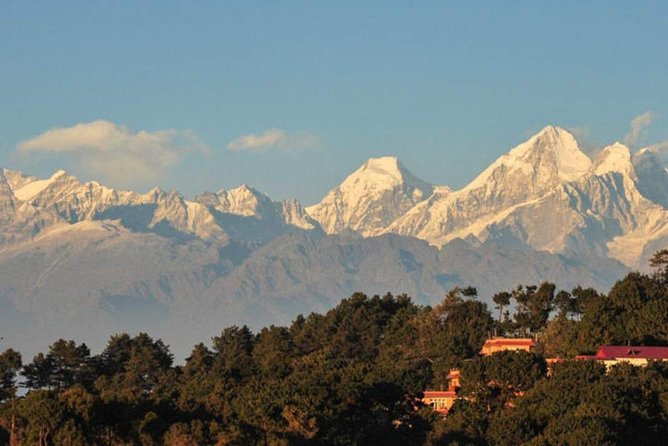
You start from Chauki Bhanjag, a hike segment that takes about 2.5 hours, and then you continue along charming trails toward Nagarkot at 2175m. Nagarkot is popular for a reason: on clear days, the Himalayan range can look dramatic from the hill station area, stretching from the west through to the far east peaks.
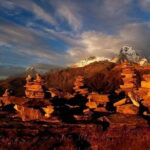
You’ll also spend time for sunset from Nagarkot. That sunset timing is a big value piece of this trek because it turns a short hike into a memorable payoff. The light changes quickly on hill stations, so if you’re chasing photos, plan to arrive with enough buffer to get your spot and let your eyes adjust.
At the end of Day 2, you’re set up for another guesthouse night, keeping the pace manageable. This is the day where you’ll feel the difference between easy “morning walking” and actual “view-watching patience.” Build in a little time to pause and look.
Day 3: Changu Narayan Sunrise Hike With Tamang Villages and Raksi
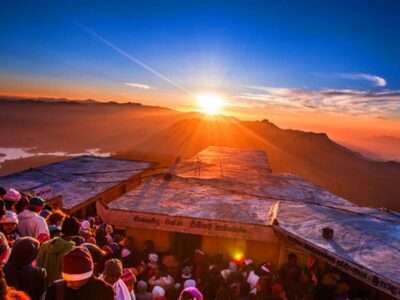
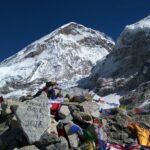
Day 3 begins early—early enough to catch sunrise. You’ll wake up with the aim of seeing the eastern Himalayan ranges, including Everest, depending on conditions.
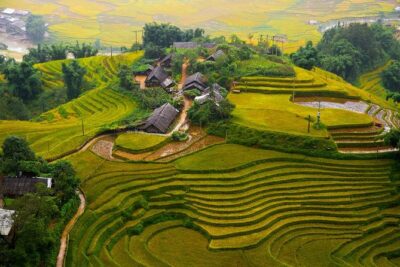
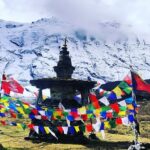
After breakfast, you trek toward Changu Narayan Temple. Along the way you pass terraced fields and dense Tamang ocher-colored traditional villages, which helps you understand how life continues in a rural style so close to Kathmandu.
There’s a cultural element you can actually witness on the trail. You may have the chance to see local people making Raksi, a local wine prepared through a simple distillation process. You won’t be doing a formal workshop here unless your guide arranges it, but the chance to see hands-on village work gives the hike more meaning than scenery alone.
The hiking time is about 4 hours for this section. The temple itself is a focal point, but admission is not included in the plan you’re given. If that matters to your budget, factor in an entry fee and keep small cash on hand.
Price and What You’re Really Getting for $350
At $350 per person for a three-day trek, the price isn’t just for walking. It’s for the full package: two nights in guesthouses, a licensed English speaking guide, private vehicle transfers from Kathmandu to Sundarijal and from Nagarkot back to Kathmandu, and all government taxes.
Meals are handled too. You get 2 breakfasts, 3 lunches, and 2 dinners. That’s important because food in hiking areas can eat up both time and energy. With meals included, you can keep your focus on the trail rhythm instead of hunting down options between hikes.
Drinks and tips aren’t included, and any extra expenses outside what’s listed will come from you. Also note that the temple entry on the final day isn’t included, so plan a little buffer for that.
If you compare this to booking transport + guide + guesthouse nights separately, the value often comes down to how much you want your trip “smoothed out.” For many people, this trek is worth it because it reduces decision fatigue during a short Kathmandu visit.
Meals, Guesthouses, and the Comfort Trade-Offs on Short Trails
Guesthouses along the route are part of the experience. In a short trek like this, you usually won’t get high-end hotel comfort, but you do get an authentic stopover vibe.
The meals are included, so expect breakfast before you start each day, plus lunch and dinner during the trek. One caution from experience-based feedback: the dinner menu may not match what you personally crave after a long day. Some participants reported getting saimon noodles for dinner on the first night, and they felt disappointed by the simplicity.
That doesn’t mean the food is bad. It does mean you should treat dinner as fuel, not as a restaurant experience. If you’re picky, consider bringing small snacks you like, but keep it light so you’re not carrying extra weight uphill.
For packing, think practical: layers for early mornings, a small daypack for water and essentials, and shoes with solid grip for uneven paths. And if you know your legs are sensitive, bring something for recovery—ibuprofen or similar, plus blister care.
How Hard Is It, Really? Fitness and Step Anxiety
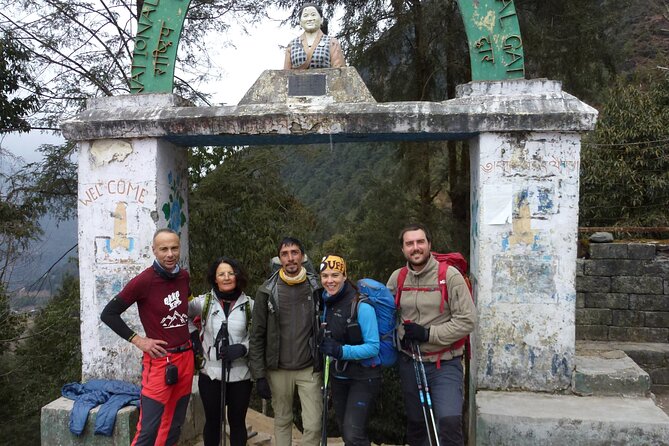
This trek is aimed at people with moderate physical fitness. You’re not signing up for a long expedition, but you are hiking multiple days with real uphill segments.
The route includes forest trails, ridge walking, and multiple ascents and descents. The biggest “surprise difficulty” can be the stairs near guesthouse access. If you’re the type who hates climbing steps, take it seriously. Move slow on arrival days and don’t assume the hiking is the only challenge.
Also remember that sunrise and sunset days demand extra patience. You’ll wake early, sometimes before your body fully wants to cooperate, and then hike or wait for views. If you’re cranky before coffee, plan accordingly.
Who Should Book Chisapani Nagarkot Trekking?
This trek is a strong match if you want:
- A short trek that still feels scenic and outdoorsy
- Guided support from start to finish, including cultural context
- Meals and transfers included, so you’re not managing logistics daily
- A mix of nature and village life, not just one or the other
It’s also ideal for beginners who are comfortable hiking a few hours per day and want a taste of the Kathmandu Valley trails. If you have a time crunch but still want real viewpoints—Chisapani, Nagarkot, and Changu Narayan—this hits the core.
If you have major mobility limits, a strong fear of heights, or you get overwhelmed by steps and early mornings, you might want to choose a gentler option. The trek can be manageable, but it isn’t designed to be flat.
Should You Book This Trek?
Yes—if you want a guided, mostly plug-and-play way to see big Himalayan viewpoints and village scenery in a tight window. The combination of private transfers, guesthouse nights, a licensed English speaking guide, and meals makes it a solid value at $350.
I’d book with one clear mindset: this is a hiking trek, not a luxury dining tour. If you’re step-sensitive, come prepared for stairs, and don’t expect every dinner to feel like a gourmet choice.
If that sounds fair, then this is a very practical way to turn a short Kathmandu trip into a real mountain-and-culture escape.
FAQ
How long is the Chisapani Nagarkot trekking experience?
It runs for 3 days (approximately).
Where does the tour start and what time does it begin?
It starts at Outshine Adventure Pvt. Ltd, Paknajol Chock, Kathmandu 44600, Nepal, with a 6:30 am start time.
Is pickup available from Kathmandu?
Yes, hotel pickup in Kathmandu is offered.
What’s the maximum group size?
The tour has a maximum of 15 travelers.
What accommodation is included during the trek?
You get two nights of guesthouse accommodation along the trail.
Are meals included?
Yes. Breakfast, lunch, and dinner are provided during the trek (2 breakfasts, 3 lunches, and 2 dinners).
Is a guide included?
Yes. There is a local government licensed English speaking guide during the trek.
Do I need a passport?
Yes, a current valid passport is required on the day of travel.
Is admission to Changu Narayan Temple included?
Admission for Changu Narayan is listed as not included.