REVIEW · JEJU
Private Jeju Geopark Gotjawal and Oreum Trekking Experience
Book on Viator →Operated by Jeju Tour Namyang Travel · Bookable on Viator
A volcanic island with a real walking plan. You get Oreum hiking plus Gotjawal walking, with enough geology explained in human terms to make the scenery feel earned, not random. What I love most is the private pacing (so you can stop for photos or for the kids’ energy levels) and the mix of viewpoints and textures, from green tea slopes to black volcanic ground. One possible drawback: it’s a long 8-hour day, and lunch or drinks aren’t included—so you’ll want a little planning for energy.
Jeju’s landforms are the star here. Oreum is a small volcanic body made of pyroclastic materials (often basaltic scoria, locally called songi), and Gotjawal is rough, vine-tangled volcanic rock that functions like a natural buffer for the island’s ecosystem. Having a guide help you connect those labels to what you’re walking on makes the whole day feel more meaningful.
It also helps that the experience is built for real groups, not just perfect-weather fitness. In the reviews, guides like Bruce (who gets praised for patience with kids and for taking group photos) show up as the difference between a stressful hike and a smooth outing.
In This Review
- Key highlights at a glance
- Oreum and Gotjawal: Jeju geology you can walk on
- Osulloc tea fields to the route start: a slow-burn opening
- Jeju Mundoji Oreum: climbing a volcanic cinder cone
- Gotjawal walking: when rough rock turns into forest
- Sinhaeng Beach break: reset your legs on the coast
- Aewol Cafe Street: the easy finish in the west
- Price and logistics: what $340 buys you (and what it doesn’t)
- The guide matters: pacing, patience, and photos
- Who should book this Oreum and Gotjawal trek?
- Should you book this Jeju Geopark-style trek?
- FAQ
- FAQ
- How long is the private Jeju Geopark Gotjawal and Oreum trekking experience?
- What is the price for this tour?
- Is pickup and drop-off included?
- What kind of transportation is used?
- What activities are included in the day?
- Is lunch included?
- What is the cancellation policy?
Key highlights at a glance
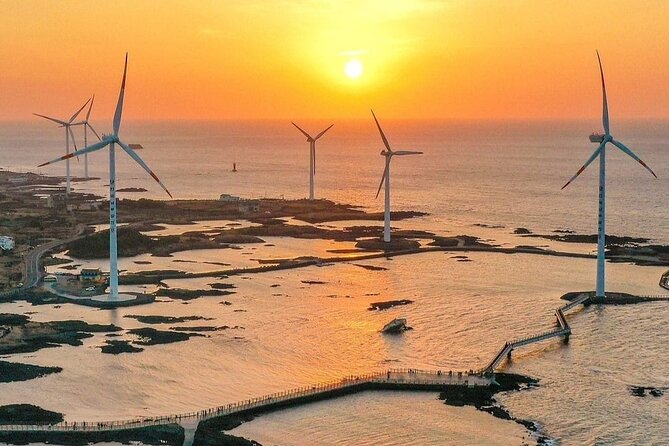
- Private group trekking for up to 4 people, so your pace controls the day
- Oreum + Gotjawal: volcanic cones and vine-choked rock in one route
- Osulloc tea fields in the itinerary before the hiking portion
- Mundoji Oreum as a named trekking destination, not a generic viewpoint stop
- Break time built in at Sinhaeng Beach and later at Aewol’s cafe street
- Pickup/drop-off + taxi fuel/parking included, plus insurance
Oreum and Gotjawal: Jeju geology you can walk on
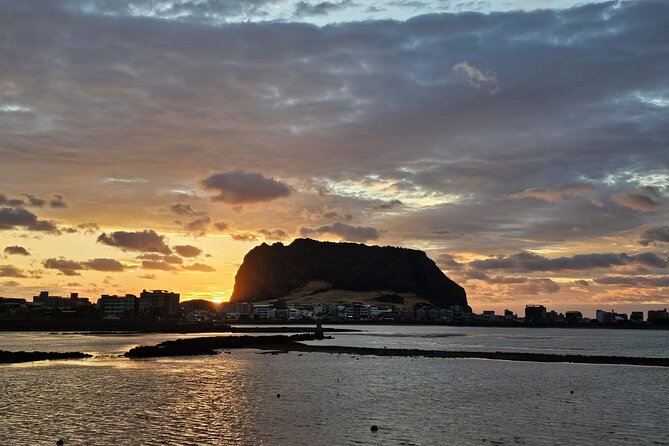
Jeju is famous for its volcanoes, and this tour leans hard into that. Oreum are smaller volcanic forms—often described as parasitic or side volcanoes compared with Hallasan. They tend to be cone-shaped bodies built from explosive eruption material piled around a crater. In practical terms, that means you’ll be walking a volcanic surface that feels different underfoot than flat farmland or paved paths.
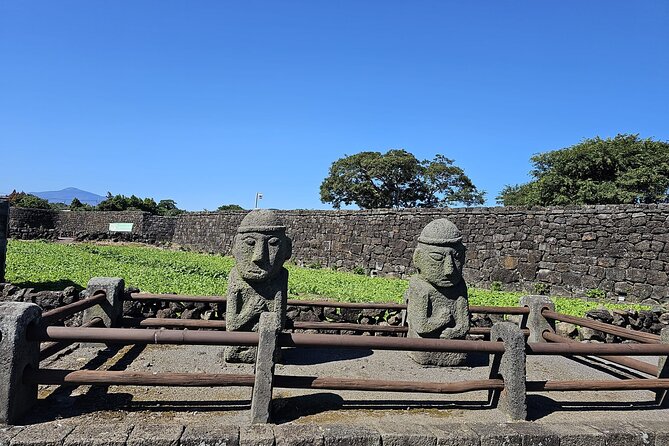
Gotjawal is a different kind of story. Instead of neat trails, this area is known for rough rock formations that aren’t useful for traditional farming or grazing. Over time, it has turned into a natural patch of forest with tangled vines, and it’s often compared to Jeju’s nature lungs because it plays an ecosystem role. When you’re hiking, that matters: you’re not just looking at “a pretty forest,” you’re moving through land shaped by volcanic history.
The best part is how a guide turns that into something you understand while you walk. You don’t need a geology degree; you just need context that makes the scenery click.
Osulloc tea fields to the route start: a slow-burn opening
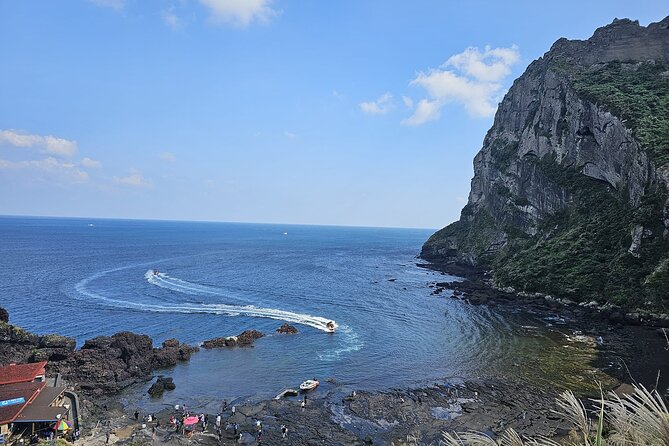
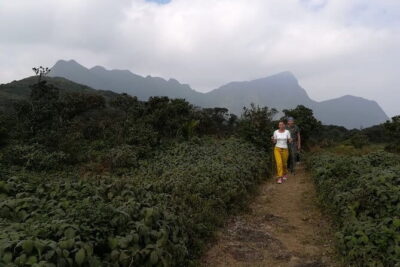
Your day starts in the west with pickup from wherever you’re staying on Jeju Island, then you head into the morning portion of the route. One of the itinerary anchors is trekking through Osulloc, a vast green tea field area.
Why this matters: tea fields are a visual warm-up. They’re open, scenic, and great for getting your bearings before you hit the more rugged terrain. If you’re traveling with children, this kind of start can help burn off morning energy without forcing everyone immediately onto steeper ground.
The tour is described as offering geological trekking along the way, so expect not only “walk in a field” but also a guided understanding of how the landforms fit Jeju’s volcanic story. If you’re the type who likes to know what you’re seeing—why the ground looks like it does—this opening sets the tone.
Jeju Mundoji Oreum: climbing a volcanic cinder cone
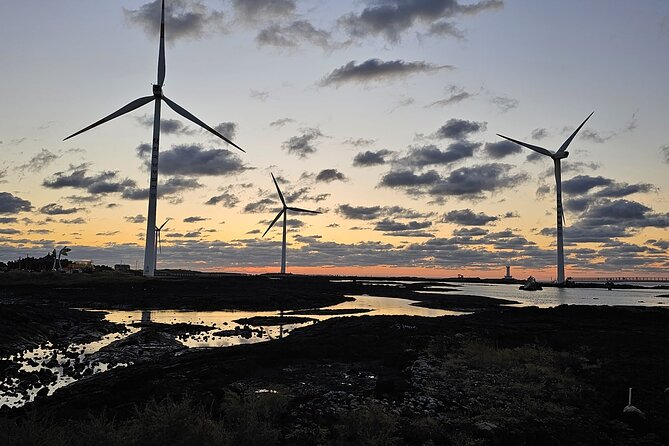
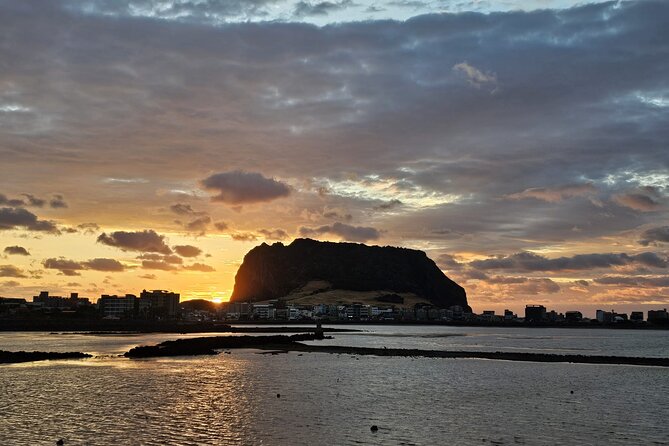
After Osulloc, you move into the Oreum hiking portion, including Jeju Mundoji Oreum by name. Oreum trekking usually means a climb to views, then descending back down—so you’ll get both the effort and the payoff.
Here’s what I think makes Oreum hikes worth it: Oreum aren’t just “a hill.” They’re monolithic volcanic bodies built from pyroclastic materials—often scoria (songi). That texture can change how it feels underfoot: more loose or rocky than you’d expect on a typical park trail.
So plan for that in a practical way:
- Wear shoes with grip, not just sneakers you use for city sidewalks.
- Expect uneven ground and bring a light day bag.
- If you’re traveling with kids, this is where you’ll benefit most from a guide who can pace the group and adjust the route when needed.
The day is set up to keep moving, but the private format helps you avoid the “everyone must keep up” pressure that can make hiking less fun.
Gotjawal walking: when rough rock turns into forest
Next comes Gotjawal walking—and this is where the tour’s character really changes. Gotjawal is described as barren and difficult for arable farming, and unsuitable for grazing, which is why it has been neglected in the past and later developed into a natural area with tangled vines.
What you’ll notice on the ground is exactly why that matters. This isn’t a manicured walk. It’s a volcanic environment that allows vegetation to grow in a less uniform way, so the paths and feel can be more wild than a typical viewpoint trail.
Why this section is valuable even if you’ve done other hikes: it teaches you how the island breathes. Gotjawal is often talked about as nature’s lungs, and the point isn’t poetry—it’s the ecosystem role that comes from its mix of rough volcanic substrate and forest-like growth. When you walk it with context, you start to see why it’s protected or highlighted as part of Jeju’s natural identity.
Also, because the tour is private, the guide can likely steer you toward a route that matches your group’s comfort level—especially important if you have small kids or anyone who doesn’t love long climbs.
Sinhaeng Beach break: reset your legs on the coast
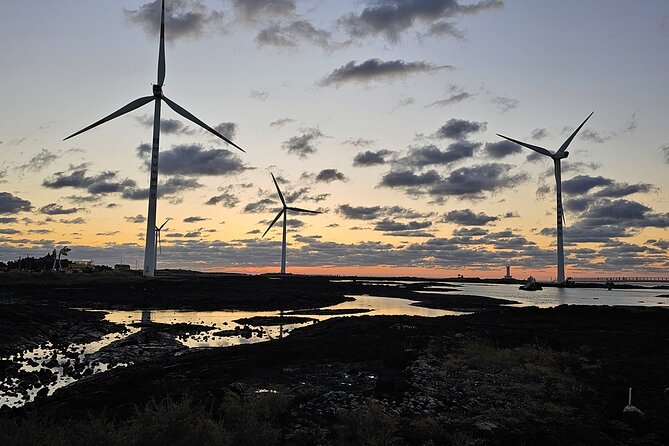
After hiking, you get a break at Sinhaeng Beach. Even if the earlier parts are your main focus, beach time is genuinely useful. You’re not just sightseeing—you’re giving your body a chance to slow down after footwork and uneven terrain.
This stop also changes the visual mood. After green tea and volcanic shapes, the coast offers open space and sea-air breathing room. For groups, it’s a natural moment to snack, hydrate, and let the energy settle before the final stretch.
The tour doesn’t include lunch (or food/drinks), so this beach break is one of the smarter moments to plan what you’ll eat—especially if you want to avoid the scramble that can happen late in the day.
Aewol Cafe Street: the easy finish in the west
Then you head to Aewol Cafe Street. This is the part of the day that feels like a reward. It’s not about hiking anymore. It’s about cooling down, people-watching, and getting something warm or sweet if that’s your style.
A practical reason this matters: a hike can make you crave comfort. The tour gives you an “end it nicely” section where you can stop when you’re ready instead of forcing the day to end the moment your legs give out.
If you’re traveling with family, this is often where kids relax more, too—especially if the guide has kept things organized and fun earlier. In the reviews, Bruce is specifically praised for photographing the group, which means you’ll likely have more than just a few blurry “we survived” shots from the end.
Price and logistics: what $340 buys you (and what it doesn’t)
The price is $340 per group (up to 4 people) for about 8 hours, with mobile ticket and pickup/drop-off included from your location on Jeju Island. The tour also includes fuel and parking fees, using Regular Taxi / Jumbo Taxi / Minivan depending on group needs, plus insurance.
Here’s the value angle: paying for a private day on Jeju can be expensive if you end up adding separate transport and guide time. This setup folds the main logistics into one price. That matters on an island where getting from one natural stop to another can eat time.
At the same time, there are two clear things not included:
- Lunch
- Personal expenses and food/drinks
So the true “cost” isn’t just the base price. Budget for meals during your free time, especially since the schedule stretches most of the day.
Is it worth it? For couples or small families, yes—if you want less hassle and more guidance for Oreum and Gotjawal. If you’re comfortable renting a car and doing stops with no guide, you might be able to spend less. But you won’t get the same level of route pacing and on-the-spot explanation tied to what you’re walking.
The guide matters: pacing, patience, and photos
One of the most praised parts of this experience is the guide experience. In the reviews, the guide nicknamed Uncle Bruce (and the manager Hongmin Lee) is highlighted for being patient, friendly, and good at making the day feel welcoming—even with kids.
That isn’t just nice customer service fluff. On hikes like this, the difference shows up in small moments: where you stop to take pictures, how the group gets managed when someone needs a breather, and how you keep moving without losing the fun. A guide who’s flexible can turn a rough day into a smooth one.
Also, reviews specifically mention the guide ensuring the group gets the most out of the day and helping with photos. If you care about capturing the day without handing your camera to strangers, that’s a real quality-of-life win.
Who should book this Oreum and Gotjawal trek?
This tour fits best if you want a guided mix of volcanic trekking + nature walking without spending your brainpower on transportation planning.
It’s a strong choice for:
- Families with kids who still want nature but need a pace that won’t ignore children’s needs
- People who like understanding what they’re seeing, not just taking photos
- Small groups (up to 4) who would rather pay for private guidance than share a bigger bus group
It might be less ideal if:
- You want a very short outing. This is about a full day, roughly 8 hours.
- You’re allergic to walking on uneven volcanic surfaces. Oreum areas can involve terrain that isn’t the same as flat, paved paths.
Should you book this Jeju Geopark-style trek?
If your ideal Jeju day includes volcanic landforms you can physically experience, I’d say this is a book-worthy plan. The itinerary is built around three different “Jeju moods”: tea fields, Oreum hiking, and Gotjawal walking, then it softens the finish with beach time and Aewol cafes.
Book it if you value a private guide who can keep the day organized, explain what you’re walking on, and help your group get photos without stress. If you mainly want a relaxed day with minimal walking, you may prefer a lighter sightseeing route.
FAQ
FAQ
How long is the private Jeju Geopark Gotjawal and Oreum trekking experience?
It runs for about 8 hours.
What is the price for this tour?
The price is $340 per group, up to 4 people.
Is pickup and drop-off included?
Yes. Pickup and drop-off are included from your location on Jeju Island.
What kind of transportation is used?
The tour uses Regular Taxi, Jumbo Taxi, or Minivan, and fuel and parking fees are included.
What activities are included in the day?
The experience includes geological trekking, Oreum hiking, and Gotjawal walking, plus stops at Osulloc (tea field area), Sinhaeng Beach, and Aewol Cafe Street.
Is lunch included?
No. Lunch, personal expenses, and food and drinks are not included.
What is the cancellation policy?
You can cancel for a full refund up to 24 hours in advance of the experience start time.