REVIEW · LALIBELA
Lalibela 2-Day Eco Trekking Tour
Book on Viator →Operated by Highland Eco Trekking Tours Ethiopia · Bookable on Viator
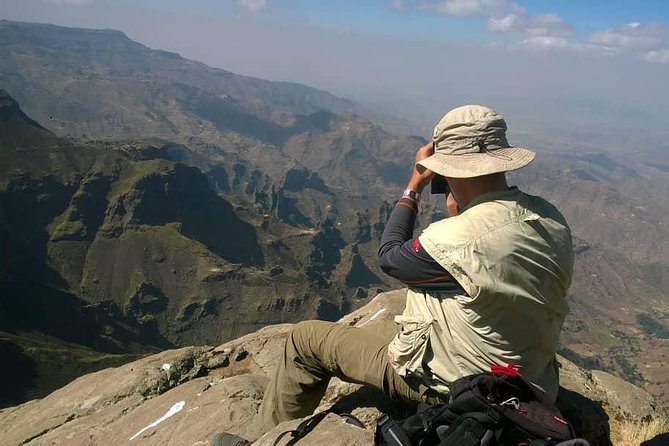
Atabkit views start right outside Lalibela. This 2-day eco trekking tour pairs the famous rock-hewn churches area with a hike into the LASTA Mountains, including a climb to a high plateau above town where the scenery opens wide over Lalibela and the wider highlands. You can usually start the day right in front of your hotel in Lalibela, or begin after you arrive at the airport.
I especially like two things: the English-speaking guide support and the chance to slow down with local highlander farmers. Guides such as Mareg and Ababa (and in some cases Luel, based on guide feedback) don’t just point out places; they explain what you’re seeing and help translate so the cultural side lands well. I also like the village portion—staying in a family’s home and joining daily activities—because it turns the trek into more than hiking photos.
One consideration: you’re trekking up to around 3,600 meters, so a moderate fitness level really matters. If you’re prone to altitude discomfort or you dislike steep, long walking stretches, plan to pace yourself from the start.
In This Review
- Key highlights to plan for
- How Lalibela’s churches set you up for the trail
- Day 1: From Asheton Maryam Monastery to the Atabkit plateau
- Asheton Maryam Monastery
- Medhane Alem Church and the climb deeper
- Reaching Ad Medhane Alem (Atabkit) around 3,600 meters
- What the village stay adds (and why it’s worth the effort)
- Day 2: Breakfast, walking back, and using the views wisely
- Price and value: what you’re paying for (and what’s extra)
- Logistics that make the trek easier than it sounds
- Trek fit: who this works for
- Tips to get the most out of Atabkit without suffering
- Should you book this Lalibela eco trek?
- FAQ
- What time does the trek start?
- Where do we meet our guide, and is pickup available?
- What’s included in the tour price?
- What isn’t included?
- How fit do I need to be for this trek?
- Is this a private tour?
- Can I bring a service animal?
- Is there free cancellation?
Key highlights to plan for
- Rock-hewn church area + highland trekking in one trip, so your days feel connected, not cut-and-paste.
- Village homestay and farmer activities, where you see daily life and can join in.
- High plateau lunch stop near Atabkit (around 3,600m), with big views and bird-spotting time.
- Mule support and practical trekking logistics, including snacks, bottled water, and coffee or tea.
- Small, private-group feel, since it’s only your group.
- Time to enjoy birds and animals along the way (not just stone churches and back to town).
How Lalibela’s churches set you up for the trail
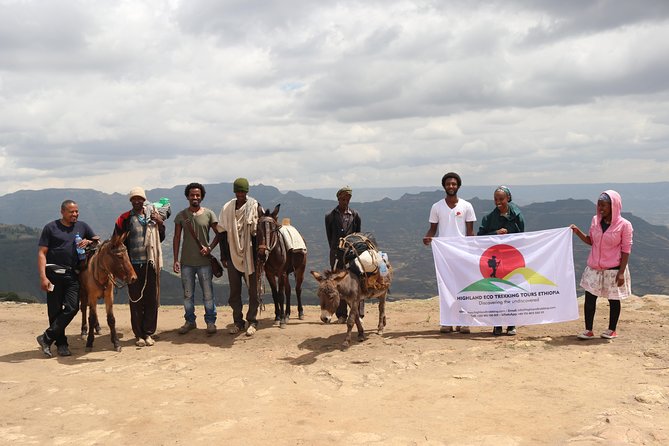
Lalibela is famous for its rock-hewn churches, and that’s exactly why this trek works so well. You start the experience with something intensely “Lalibela,” then you trade stone carvings for walking paths and mountain air. It gives your trip shape: you’re not just checking off a site, you’re moving from a protected, sacred space into the everyday world that surrounds it.
The tour also feels practical from the get-go. You meet your guide around 7:00 am at your hotel or at the Highland Eco Trekking office, and if your plans aren’t already lined up by email, it’s smart to coordinate a day ahead at the office or with the person who picks you up from the airport. You’ll have time to get the route details right before the first climb.
You can also read our reviews of more tours and experiences in Lalibela.

Day 1: From Asheton Maryam Monastery to the Atabkit plateau
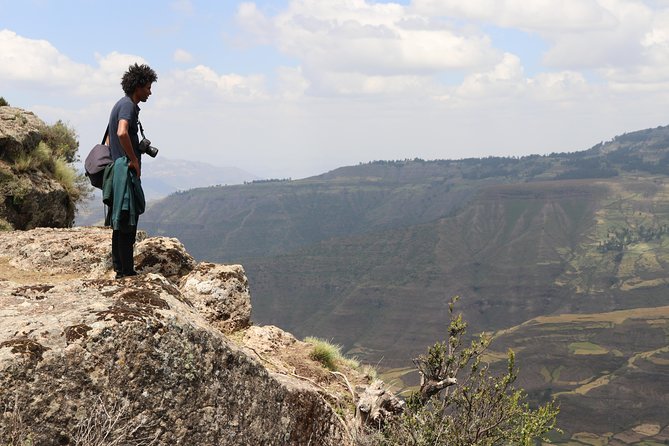
Day 1 starts with a classic setup for highland trekking: meet your guide, get organized, and then head toward the Lasta Mountains above Lalibela. A mule man and the mule support are part of the scene, which matters more than you’d think. It’s a reminder that this is a working region, not just a tourist corridor.
Asheton Maryam Monastery
Your first stop is Asheton Maryam Monastery. Expect a morning block of hiking—about 3 hours for the stop—meant to put you at ease before you tackle the higher terrain. The monastery visit is also one item you should budget for: the entrance fee is not included.
If you’re the type who likes to understand what you’re looking at, this is a good day for it. Guide feedback from previous trips emphasizes strong English and helpful translation, especially around church context and what local life looks like beyond the walls. That’s the kind of support that turns a “nice stop” into a “now I get it” stop.
Medhane Alem Church and the climb deeper
After a break, you continue toward Medhane Alem Church (also about 3 hours). As the day goes on, the route shifts from a town-edge feel into rougher countryside—less vegetation around you, and a bigger sense of open highland air.
At midday, the trek gets easier in one key way: lunch is brought to you by the company cook. That’s a real comfort on a day like this. Rather than losing time searching for food or eating on the move, you pause where the trek asks you to pause—then keep going with a steadier rhythm.
Reaching Ad Medhane Alem (Atabkit) around 3,600 meters
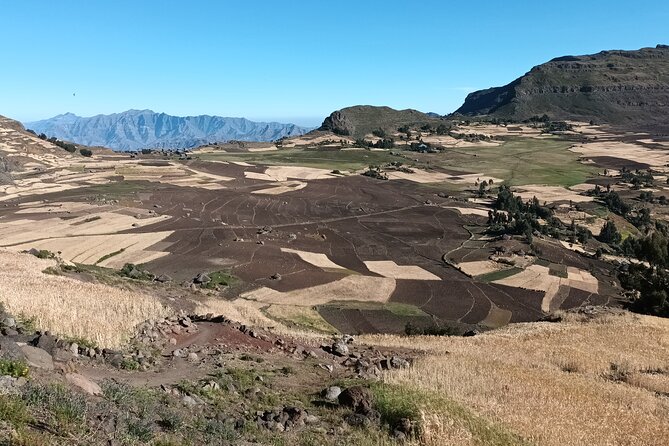
Soon, you arrive at AD MEDHANE ALEM (ATABKIT), a large plateau overlooking Lalibela and the wider Wollo/Wello and Gondar/Tigray regions. This is where the trek becomes postcard-real: wide views, sharp altitude, and enough space to slow down.
A standout detail here is bird-spotting. The plateau isn’t described as a single-viewpoint moment; it’s framed as time for birds and flight watching. Even if you’re not a birder, it adds variety to a day that could otherwise feel like “walk, stop, walk.”
After lunch and a longer break (you’re around 3,600 meters), you continue on foot toward AD MEDHANE ALEM VILLAGE near ASTABIR, where you’ll stay. This village portion is a major part of why people choose this trek over a standard nature walk.
What the village stay adds (and why it’s worth the effort)
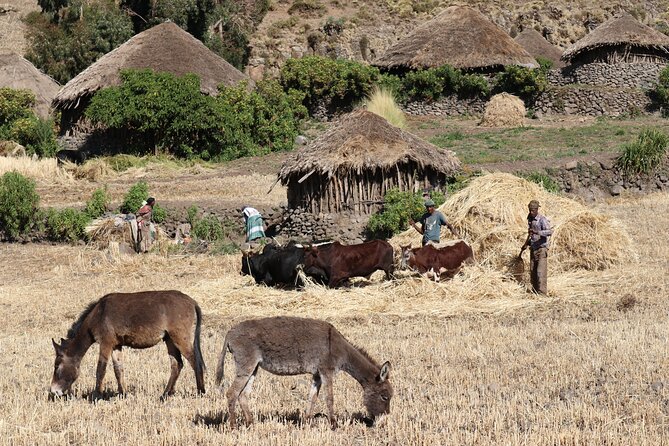
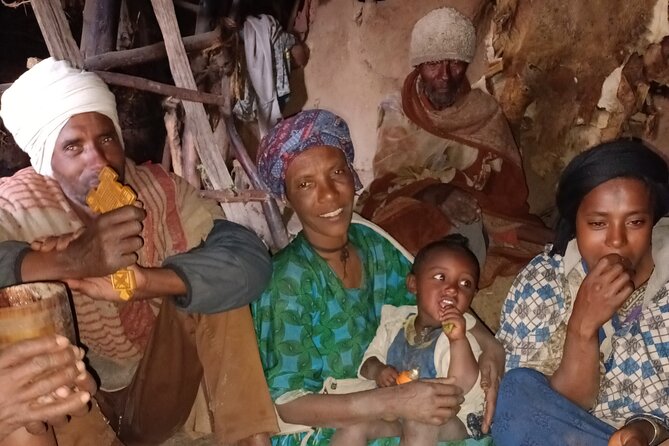
The overnight in a village is where the tour shifts from scenery to relationships. You’re not just looking at farms from the road. You stay in the village where you can see daily life and take part in the family’s routine.
You should expect the atmosphere to be warm and welcoming. The guide feedback we have points to guides who are attentive to cultural context and who help you communicate and understand what’s happening. In at least one account, the guide support included translation and cultural explanation, which makes a difference when you’re trying to act respectfully during daily tasks.
It’s also worth noting that previous experiences tied to this style of trek have included a local school visit. That’s not described as part of every minute of the schedule in the basic outline, but it’s consistent with the idea of meeting community life—not just wandering around the edge of it.
If you’re curious about farm work, village living, or how highland families structure the day, you’ll get more from the village night than just a place to sleep. If you need luxury comfort, this is probably not that kind of trip. But if you want authenticity and real human scale, it’s exactly that.
Day 2: Breakfast, walking back, and using the views wisely
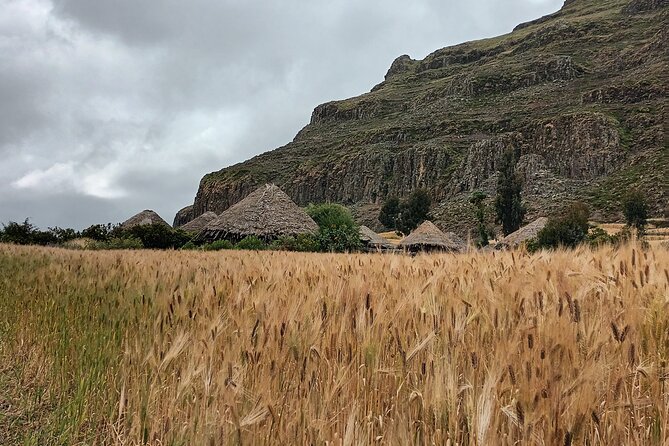
Day 2 is a return day, but it isn’t a rushed sprint. After breakfast, you gather your things and start walking toward Lalibela. There are stops along the way to enjoy the views or notice animals, and you’ll reach town around 4:00 pm.
The pacing is important. After the higher plateau and the village night, you’ll likely feel the altitude and the walking rhythm. The plan includes time for breaks without forcing constant forward motion. That keeps Day 2 feeling like the payoff day instead of the “get it over with” day.
Also, since this is a private tour, you can usually move at a pace that suits your group rather than getting swept up in someone else’s schedule. For many people, the goal is to finish the hike with energy left—not wipe out by late afternoon.
Price and value: what you’re paying for (and what’s extra)
The price is $213.77 per person for a 2-day trek. On paper, that sounds modest, and in practice it’s mainly about what’s bundled in:
Included:
- Breakfast and dinner
- Lunch (2), with lunch brought to you on Day 1
- Accommodation
- English-speaking guide
- All activities on the trek, including time with farmers
- Snacks, bottled water, and coffee and/or tea
- Possibility to safely store not needed luggage at the office in Lalibela
- Private-group format (only your group participates)
Not included:
- Entrance fee for Asheton Mariam Monastery
So yes, there’s an extra cost for one church entrance, and you should also keep expectations realistic about trekking basics. But compared to buying transport, meals, guide time, and accommodation separately, this price is doing a lot of work for you. You’re paying for an organized two-day plan with meals and guiding, plus the big cultural component of staying with a family and meeting farmers.
Logistics that make the trek easier than it sounds
Small details here matter. This tour offers pickup, and you can start either from in front of your hotel in Lalibela or right at the airport after arrival. You also get a mobile ticket, which removes a common headache.
It’s private, so you’re not sharing the experience with a larger mixed group. That helps with pacing, language support, and group comfort. You’ll also have an option to store luggage safely at the office in Lalibela, which helps if you’re carrying more than you need for two trekking days.
One more practical note: service animals are allowed, and the tour is described as near public transportation. That’s useful if your arrival plan is flexible.
Trek fit: who this works for
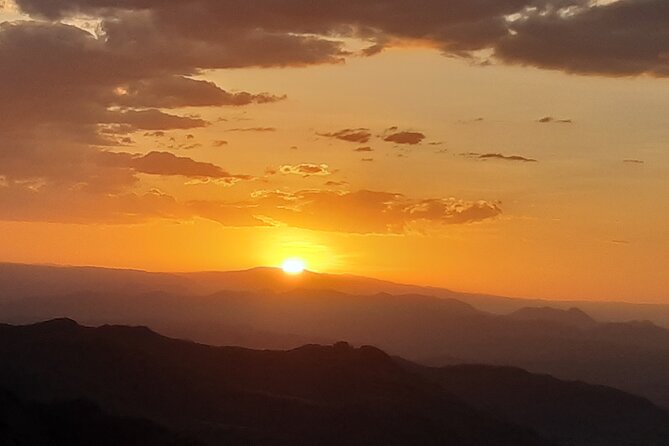
This is best for people with moderate physical fitness. The day includes walking time blocks and climbs up toward 3,600m, plus the reality of trekking trails in highland terrain.
If you’re comfortable walking for several hours and you can handle altitude, you’ll likely feel good about the effort. If you’re new to altitude or you’re carrying injuries or a stamina issue, it’s worth thinking twice and communicating early with the operator so you can match expectations.
Children must be accompanied by an adult, so plan around that if you’re bringing younger travelers.
Tips to get the most out of Atabkit without suffering
Even with the guide support and included snacks and water, the trek asks for a few smart choices:
- Take it slow on the climb to the 3,600m area. Treat that altitude as the main event, not something to “push through.”
- Bring a light layer plan for morning and higher elevations. Temps can change quickly in highland areas, and the itinerary gives you altitude time, not just a short pass-through.
- Wear shoes you trust on uneven ground. You’ll be walking enough that you don’t want to babysit blisters.
- Don’t rush the village evening. The value is cultural understanding and joining daily routines. The more patient you are, the better it will go.
And if you care about language support, this is exactly where the guide names matter. Feedback highlights guides like Mareg and Ababa, and one account specifically suggests requesting Luel if you can. If English support and translation are a priority for you, it’s worth asking ahead.
Should you book this Lalibela eco trek?
Book it if you want a Lalibela trip that goes beyond churches. This is for you if you like contact with local daily life, you’re okay with trekking at altitude, and you want meals, accommodation, and guiding handled for you.
Don’t book it if you’re chasing a low-effort stroll, or if you strongly prefer to avoid altitude climbs. Also consider the extra Asheton Maryam monastery entrance fee, and remember that the schedule is built around walking time blocks and a village homestay format.
If you’re on the fence, my advice is simple: choose this trek when you want the highlands to be part of your understanding of Lalibela, not just a backdrop. The combination of church context, high plateau views, and the village stay is what makes the experience feel like a real journey.
FAQ
What time does the trek start?
The start time is 7:00 am.
Where do we meet our guide, and is pickup available?
You can meet your guide at your hotel or at the Highland Eco Trekking office. Pickup is offered, and you can also start at the airport right after arrival.
What’s included in the tour price?
The tour includes breakfast, dinner, accommodation, lunch (2), snacks, bottled water, coffee and/or tea, an English-speaking guide, and the trek activities (including time with local farmers). There’s also the option to store luggage you don’t need at the office in Lalibela.
What isn’t included?
The entrance fee for Asheton Maryam Monastery church is not included.
How fit do I need to be for this trek?
The tour is intended for travelers with moderate physical fitness level. The route reaches a high area around 3,600 meters.
Is this a private tour?
Yes. It’s private, and only your group participates.
Can I bring a service animal?
Yes. Service animals are allowed.
Is there free cancellation?
Yes. You can cancel for a full refund up to 24 hours in advance of the experience start time. If you cancel later than that, the amount paid is not refunded.