REVIEW · ADDIS ABABA
2 days trek around Lalibela
Book on Viator →Operated by Ethiopian Wanderer Tours & Travel · Bookable on Viator
From simian wolves to family dinners. This two-day trek around Lalibela blends hours on foot with massif wildlife like the rare simian wolf and gelada baboons, then wraps with an overnight stay with a local community family. I like that the experience is built around real movement and real people, not just short sightseeing. The only trade-off is physical: you’ll need moderate fitness for the long day of walking and the second-day hike.
The logistics feel more manageable than many multi-day hikes because pickup is offered and you get a mobile ticket. Plus, the group stays small, with a maximum of 12 people, and the meals are covered (two breakfasts, two lunches, and two dinners), so you’re not constantly budgeting time for food stops.
In the operator’s ecosystem, guides like Moges and Abebe show up in past trip feedback for being funny, patient, and flexible, and for adding a personal touch that goes beyond what you read in guidebooks. That matters on a trek, where timing, weather, and wildlife sightings can shift.
In This Review
- Key things that make this trek memorable
- What a 2-Day Lalibela Trek Actually Gives You
- Day 1: 5–6 Hours of Walking and an Overnight With a Local Family
- Day 2: Hiking to the High Point and Trekking Back Into Lalibela
- Wildlife in the Massif: Simian Wolf Chances and Gelada Baboons
- Meals and Overnight Setup: What’s Included (and What Isn’t)
- Pickup, Mobile Tickets, and Small-Group Logistics
- Fitness Level: The Real Matter Is Distance, Not Labels
- Price and Value: Why $250 Covers More Than Just a Guide
- Who Should Book This Trek Around Lalibela
- FAQ
- How long is the Lalibela trek?
- What is the price per person?
- Is pickup included?
- What meals are included?
- Are drinks included?
- Is a passport required?
- What is the cancellation policy?
- Final verdict: Should you book this 2-day trek?
Key things that make this trek memorable
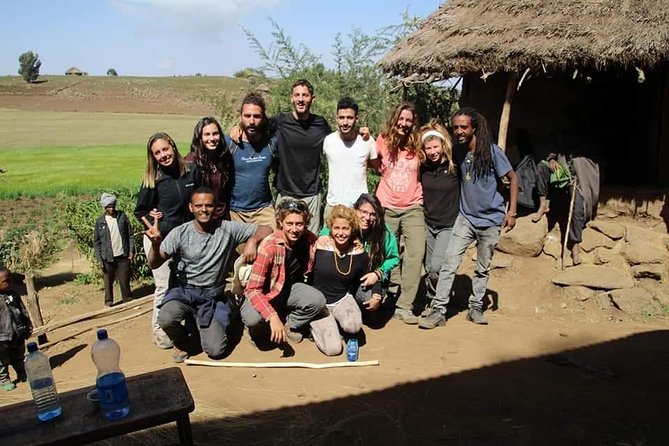
- Wildlife first, not last: look for the rare simian wolf, gelada baboons, and many bird species in the massif.
- A real walking day: day one is a 5–6 hour walk through scenic terrain.
- Stay with a local community family: you’re not just passing through; you sleep with locals.
- Day-two payoff: hike to the high point, then trek back to Lalibela.
- Small group energy: maximum 12 travelers means less crowding on trail moments.
- Meals are mostly handled: two breakfasts, two lunches, and two dinners are included; drinks and tips are not.
What a 2-Day Lalibela Trek Actually Gives You
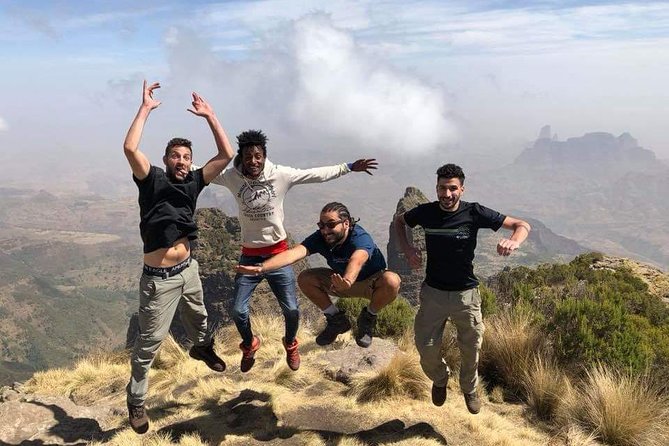
This is a short trek, but it’s not a short-feeling trip. You’re doing two walking days, including a long first day, and you’re also getting the most valuable part of East African travel that people often skip: time with a local community. Even if your main goal is wildlife, the human side is baked in.
You’ll spend day one moving for about 5–6 hours and then transitioning into an overnight stay with a family in the local community. Day two is a hike toward the high point, followed by the trek back to Lalibela. That shape matters because it balances effort with meaning. You’re not just hiking for views, and you’re not only eating and resting. You do both.
Also, the tour is set up for small groups (max 12). On a wildlife-and-community trek, smaller usually means more breathing room—less waiting, fewer interruptions, and more flexibility when the trail slows down.
You can also read our reviews of more tours and experiences in Addis Ababa.
Day 1: 5–6 Hours of Walking and an Overnight With a Local Family
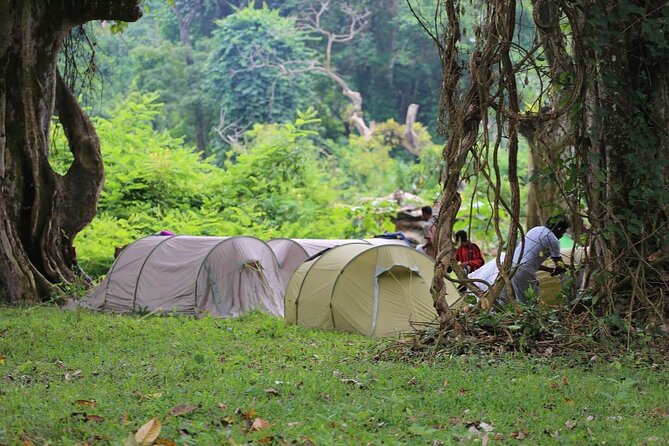
Day one starts with a long stretch of walking: about 5–6 hours. The goal is to cover ground through the area’s scenic terrain while keeping an eye out for wildlife. This is where the tour’s wildlife promise becomes real. The massif isn’t a backdrop here; it’s the stage.
What I like about this pacing for you is that it builds momentum. After the first part of the day, your body is warmed up for the slower, more observant moments—bird activity, baboon sightings, and those quick wildlife pauses where everyone hushes and looks up. And because the walk is long, the day doesn’t feel like a rushed transfer between two points.
Then you shift from trail life to community life. The overnight stay is with a local community family, which is one of the most authentic parts of this trip. This isn’t just accommodation; it’s a chance to experience how people live when you’re not in a hotel bubble. Expect the rhythm of a family home after a full day outside.
Possible drawback to keep in mind: you’ll need to go into this day with stamina. Even if you feel fine in the morning, 5–6 hours on foot adds up. The tour specifically notes moderate physical fitness is needed, and day one is where you’ll feel that most.
Day 2: Hiking to the High Point and Trekking Back Into Lalibela
Day two begins with a hike to the high point, followed by trekking back to Lalibela. This is a classic “effort for a reason” structure. You’re climbing to a viewpoint moment, then spending your remaining energy moving downhill or back along the route toward town.
The high-point push is also where you’ll likely appreciate the small-group setup. When the group is limited to 12 people, you can keep a steadier pace and not get stuck behind big clusters. It also helps for wildlife moments, because smaller groups tend to disturb animals less than larger ones.
When you return to Lalibela, you’re coming back after two very different kinds of experience: one day shaped by trail time and community living, and a second day shaped by altitude and distance. That makes the return feel like a transition rather than an abrupt ending. Even without a long itinerary stuffed with extra stops, day two gives you a clear finish.
If your expectation is a trip that feels relaxed all day, adjust your mindset. This isn’t a stroll tour. It’s a trek. The reward is the combination: wildlife on the way up, community memory from the night before, then the return to Lalibela.
Wildlife in the Massif: Simian Wolf Chances and Gelada Baboons

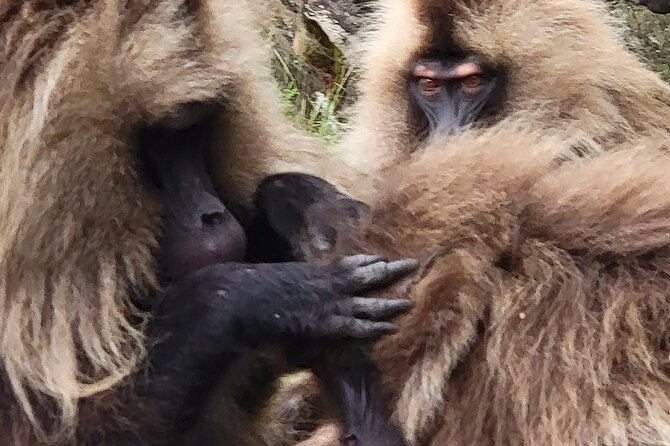
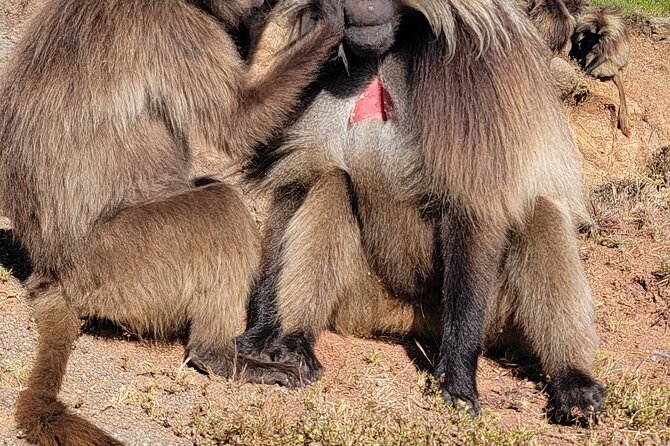
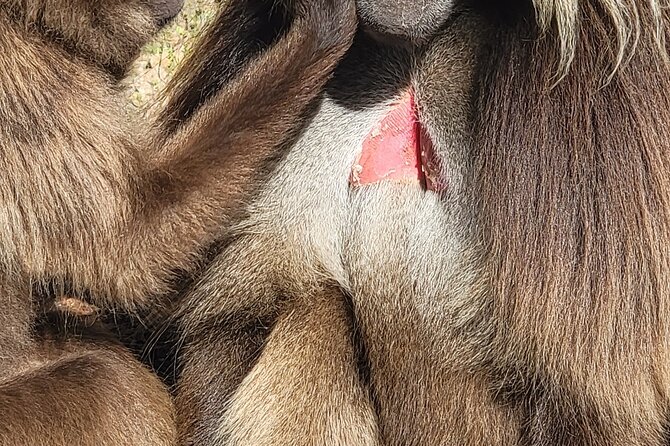
The headline wildlife here is specific: you’ll be in an area known for the rare simian wolf, plus gelada baboons and many types of birds. Even if you don’t spot every species every day, the value is that you’re traveling where those animals belong.
Here’s the practical part for you: wildlife viewing works best when you’re patient and quiet. You don’t have to be an expert. You just need to keep your attention open and follow your guide’s lead when they stop, scan, or shift position. A good guide matters a lot in wildlife zones because they’re reading signs you’d miss.
This tour’s wildlife focus also connects to why people choose it instead of a purely cultural Lalibela itinerary. Lalibela is famous for its heritage, sure, but getting out into the massif adds another layer: animals, birds, and the ecological story behind the scenery. If you want your Ethiopia time to include more than churches and streets, this is a strong match.
And based on past guide feedback involving leaders like Moges and Abebe, the best outcome isn’t just seeing something. It’s understanding what you’re seeing and getting a personal touch instead of only hearing generic facts. That can turn a quick sighting into a moment you remember.
Meals and Overnight Setup: What’s Included (and What Isn’t)
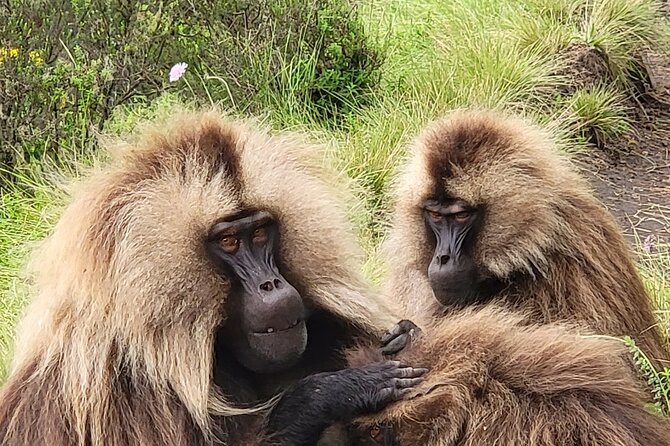
This trek includes 2 nights accommodation and full meals across the two days: breakfast (2), lunch (2), and dinner (2). For $250, that matters because meals on the move can otherwise eat into your budget quickly and break your day.
The trade-off is also clearly stated: drinks are not included, and tips are not included. So you’ll want to plan to purchase your preferred drinks during the trip and budget some extra for tipping if you feel your guide and hosts earned it.
One more value point: having meals included reduces decision fatigue. On a trek, you don’t want to spend your mental energy searching for where to eat. You want to save that energy for walking, looking, and resting.
Because the overnight is with a local community family, your accommodation expectations should be flexible. The listing doesn’t spell out room style or facilities, so you should assume it’s more about experience than luxury. If you come expecting a homestay feel, you’ll likely be happier.
Pickup, Mobile Tickets, and Small-Group Logistics
Even on a trek, logistics affect how enjoyable the day feels. Here, you get a few helpful structure points:
- Pickup is offered.
- You receive a mobile ticket.
- The maximum group size is 12 travelers.
- Confirmation is received at time of booking.
Those aren’t flashy details, but they help you feel oriented. Pickup reduces the risk of first-day confusion. A mobile ticket simplifies access at the start. And a maximum of 12 keeps the pace manageable, especially when you’re walking for hours.
The tour also allows service animals, which is noted in the rules. If this affects your planning, it’s good to know upfront.
Finally, the listing states a current valid passport is required on the day of travel. That’s the kind of rule that can ruin a trip if you forget, so check your passport now, not later.
Fitness Level: The Real Matter Is Distance, Not Labels
The tour asks for a moderate physical fitness level. Translation: you should be comfortable with sustained walking and a second-day hike to a high point.
Day one is the clearest indicator, with a 5–6 hour walk. Even if the pace is manageable, that duration means you’ll feel it. Day two continues the effort with a hike to the high point and then trekking back to Lalibela.
If you’re someone who wants a trip that is active but not punishing, this should fit. If you’re recovering from an injury, have major mobility limitations, or dislike long stretches on foot, you might find this too demanding.
Also note the child rate rule: child pricing applies only when sharing with two paying adults. If you’re traveling as a family, that detail can change the best option for your group.
Price and Value: Why $250 Covers More Than Just a Guide
At $250 per person for an approximately two-day trek, the value comes from what’s bundled in. You’re getting:
- 2 nights accommodation
- 2 breakfasts, 2 lunches, and 2 dinners
That’s a big part of your cost in any multi-day trek. When meals and lodging are included, you’re not paying extra for every small stop along the way. And since this experience includes a local community overnight, it’s also likely replacing what you’d otherwise spend on a separate accommodation plan.
So what’s not included matters too. Drinks and tips are extra, and those are the two categories that can shift your final spend. But compared to tours where only a guide is included, this one covers the essentials for staying fed and sleeping.
If you’re deciding between cutting cost by traveling independently and paying for a guided trek, the difference here is time and coordination: the guide handles the route, the community stay arrangement, and the trekking flow, while you focus on walking and the wildlife moment.
Who Should Book This Trek Around Lalibela
This trek is a great fit if you want three things at the same time:
- Time outside Lalibela in a wildlife-rich area
- A long walking day (with a second hiking day)
- A real overnight with a local community family
It’s also a strong choice if you like guides who go beyond scripted talking points. Past guide feedback highlights people like Moges and Abebe as funny, patient, and flexible, with an emphasis on personal touch—exactly what you want when you’re trying to understand a place with your eyes, not just your phone.
Who might skip it? If you need a very relaxed itinerary with minimal walking, or if you’re not able to handle moderate physical effort, the trek structure may feel like too much.
If you do come prepared and you’re open to a homestay-style overnight, you’ll likely feel like you got more from your time than a quick visit.
FAQ
How long is the Lalibela trek?
It’s approximately 2 days.
What is the price per person?
The price is $250.00 per person.
Is pickup included?
Pickup is offered.
What meals are included?
Breakfast (2), lunch (2), and dinner (2) are included.
Are drinks included?
No. Drinks are not included.
Is a passport required?
Yes. A current valid passport is required on the day of travel.
What is the cancellation policy?
You can cancel for a full refund if you cancel at least 24 hours in advance of the experience’s start time. Free cancellation is available, and changes within 24 hours are not accepted.
Final verdict: Should you book this 2-day trek?
I think you should book if your idea of a meaningful Lalibela trip includes time on foot, wildlife watching in the massif (including chances for simian wolves and gelada baboons), and an overnight with a local community family. This is not about collecting quick stamps. It’s about living the rhythm of a trek.
Skip it if you’re hoping for an easy schedule or you’re not up for a day that includes 5–6 hours of walking plus a second-day hike to a high point. In that case, you’ll probably feel the effort more than you enjoy the experience.