REVIEW · ADDIS ABABA
3 Days Bale Mountains Trekking
Book on Viator →Operated by Ethio Travel And Tours · Bookable on Viator
Bale Mountains can make you forget your city. This 3-day trekking plan from Addis Ababa takes you into Bale Mountains National Park, with hikes in different zones and a shot at signature wildlife like Ethiopian wolf, mountain nyala, and Bale monkeys. I especially liked how the days are built around Sanetti Plateau altitude and the switch from high moorland to forest terrain, so it feels like more than one trip in one package.
You’ll also get the kind of trip where you’re not just shuffled along in a crowd—this runs as a small group (up to 12), led by a local guide, with pickup and drop-off from your Addis hotel. One possible drawback: guide quality can vary, and one review I read flagged a guide they didn’t enjoy. My advice is to set expectations early on pace and what you want to see—then you’ll still have the park doing the heavy lifting.
In This Review
- Key points before you go
- Bale Mountains National Park: why this trek feels different
- Getting there from Addis Ababa: the 9:00 start and flight-based pacing
- Day 1 in Bale: a short park intro plus the drive to Goba area
- Day 2 at altitude: Sanetti Plateau and the Ethiopian wolf window
- Day 2 transition: from afro-alpine zones toward Harenna Forest
- Day 3: a short final hike, then back to Addis
- Price and value: what $410.26 really buys
- Guide quality and small group size: getting the most out of your attention
- What this trek is best for (and who should reconsider)
- Should you book the 3 Days Bale Mountains Trekking?
- FAQ
- Where does this 3-day trek start?
- How long is the tour?
- What’s included in the price?
- What are the main hiking efforts like?
- Do you need a certain fitness level?
- How big is the group?
- Is transportation included from Addis?
- Is the tour weather-dependent?
- What is the cancellation window?
Key points before you go
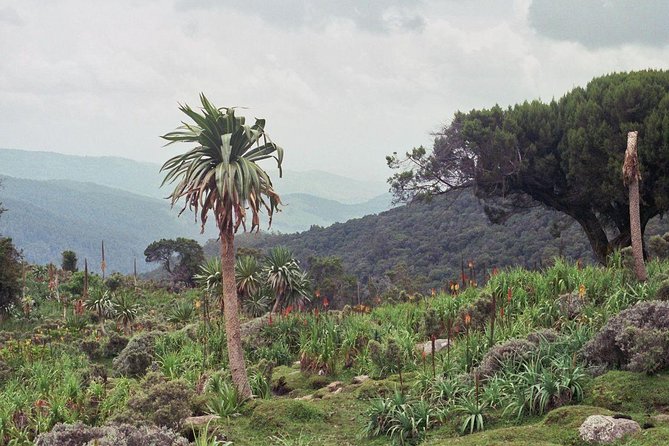
- Sanetti Plateau at ~4,000m puts you in the high Afro-alpine zone where Ethiopian wolf habitat is the big draw
- Two-night stay with breakfast helps you avoid the scramble of day-hike logistics and lets you focus on walking
- Local guide and small groups (max 12) mean more attention and easier wildlife-spotting calls
- High pass timing via Tullu Deemtu (4,377m) sets up a real altitude day rather than just easy sightseeing
- Round-trip Addis transportation plus hotel pickup/drop-off keeps the start and end cleaner
Bale Mountains National Park: why this trek feels different
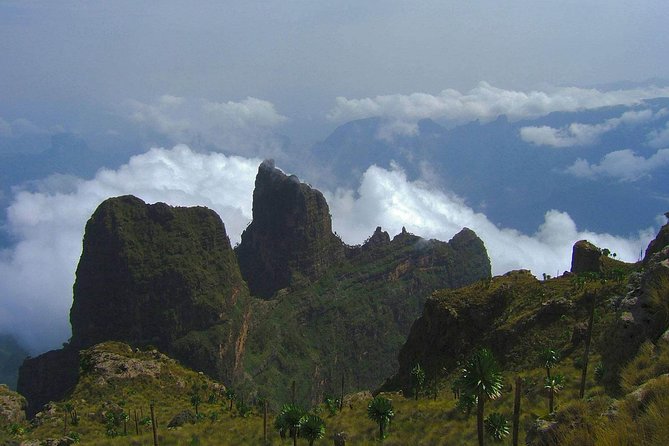
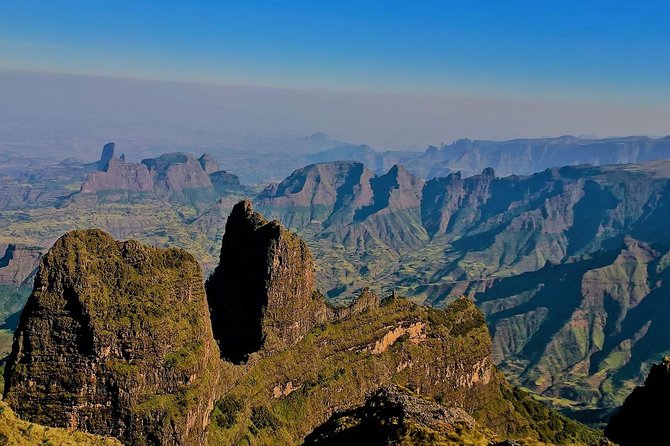
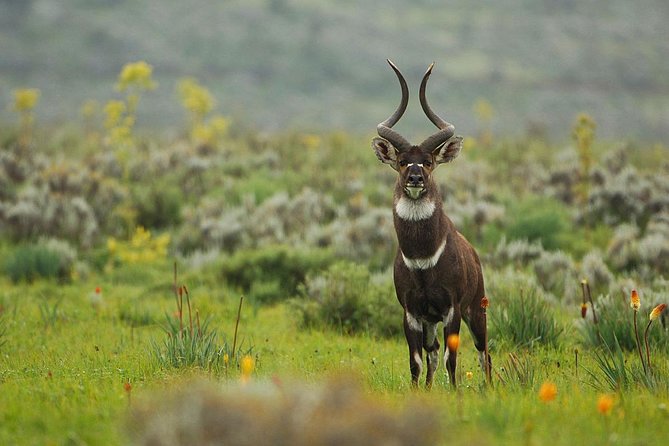
Bale Mountains National Park is famous because it holds multiple worlds in one place. You’re not trekking through just one type of scenery—you’re moving between high, cool grasslands and wooded areas, and that shift drives the variety of animals you might encounter. The park’s reputation includes Ethiopian wolf, mountain nyala, giant mole rats, and Bale monkeys. Even if you don’t see every species on your exact day, the ecology is the point: you’re walking where ecosystems change fast with elevation.
What I like about this style of trip is that it doesn’t treat the park like a single checklist stop. Your days are spaced to cover different parts of the park and different elevations. The itinerary also leans on short hikes plus longer travel on the second day, which can be a good balance if you want the experience without committing to a multi-day, heavy-carry trek.
You can also read our reviews of more tours and experiences in Addis Ababa.
Getting there from Addis Ababa: the 9:00 start and flight-based pacing
The tour’s stated start time is 9:00 am in Addis Ababa, and that usually lines up with pickup. From there, the plan is built around flight timing: on day one, you catch ET 175 at 11:45, and on day three you’re catching a midday flight back to Addis Ababa. That flight-based structure matters because it shapes what you do and how you feel the day after.
Here’s the practical way to think about it: flights give you time in the park instead of losing a whole day to overland driving, but you need to be ready to hit the itinerary clock. If you’re the type who likes to linger in airports, eat a relaxed lunch, and plan every detail twice, you’ll want to keep your expectations grounded.
One more thing to confirm when you book: the included list doesn’t explicitly spell out the airfare. Your schedule references specific Ethiopia Airlines flights, so it’s worth checking whether your $410.26 includes those flights or if they’re handled separately. That detail changes the true value.
Day 1 in Bale: a short park intro plus the drive to Goba area
Day one starts with a relatively easy, short hike after you arrive. You’ll head to the park headquarters woodland area, aiming to see antelope families. This is a smart first-day move. It helps you get your bearings, warm up your legs, and start spotting animals without asking you to jump straight into the toughest terrain.
Then comes the long drive component: later in the afternoon, you travel about 45 km to the Goba area for an overnight stay. That matters because most people feel altitude and vehicle time differently. The trek itself is short, but the day still has a travel rhythm. It’s the kind of day where you’ll probably sleep well, especially since dinner is part of the evening plan and you’re not rushing to pack or relocate.
The overnight hotel stay for two nights is one of the quieter “value” elements here. Instead of sleeping in a different place every few hours, you get stability: one location to settle in, unpack, and refuel.
What to watch for on day one: even if the hike is short, the air can feel cooler and drier at altitude. If you get even slightly chilly, pack for it. Also, the woodland area setting can mean more vegetation and fewer wide-open views, so don’t expect the same “big sky” feeling as later high sections.
Day 2 at altitude: Sanetti Plateau and the Ethiopian wolf window
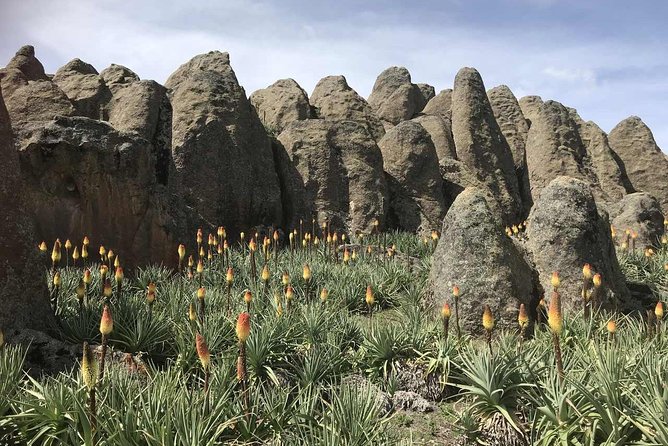
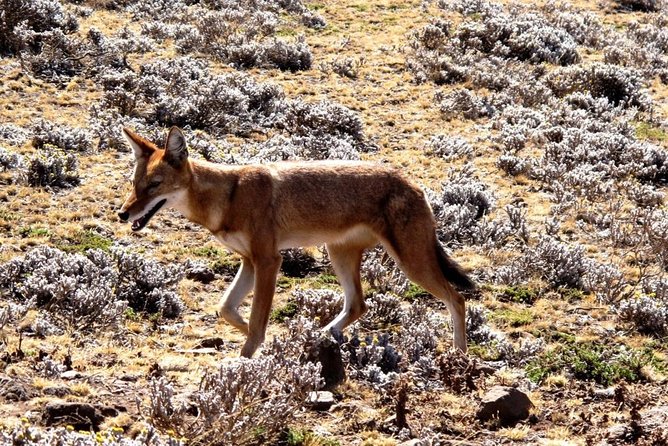
Day two is the day that turns this from a nice trip into a memorable one. After breakfast, you drive toward the Sanetti Plateau, around 4,000 meters, described as the largest Afro-alpine area in Africa. That phrase matters because Afro-alpine zones are not just “high ground.” They’re specialized habitats with unique plants and animals, including the rare and endangered Ethiopian wolf.
In practical terms, this is where you need to think about how your body handles elevation. Even if you’re not doing a long, difficult hike, you’re at big altitude and the environment is thinner air. If you’re prone to headaches or nausea at height, plan to go slow, drink water, and don’t try to outrun the cold air just to take a quick photo.
From there, the route continues toward Harenna Forest via Tullu Deemtu at 4,377 meters, described as Ethiopia’s second-highest point. That’s the kind of detail that tells you the driving and walking won’t feel “flat.” Whether you feel it through breathing or through changing weather, the altitude shift is part of the experience.
What you’ll like about day two: it’s not just scenic—it’s purposeful. The day is structured around wildlife habitat and elevation. You’re moving through the park the way the ecosystem actually changes.
What could frustrate you: day two runs about 7 hours. Between altitude, driving, and time spent at different viewpoints, your day may feel like a full long day, not a half-day outing. If you want only gentle, leisurely movement, you may find this more intense than expected.
Day 2 transition: from afro-alpine zones toward Harenna Forest
This itinerary doesn’t just list destinations—it guides you through a transformation. Starting in the high Afro-alpine area and moving toward Harenna Forest is a change in temperature, vegetation, and the kind of animal activity you might notice. High moorland tends to feel open and exposed; forest sections feel more enclosed, with different bird and mammal behavior.
Even when wildlife sightings are never guaranteed, the route itself teaches you something. You start to understand why the Ethiopian wolf is tied to specific high-elevation habitat, and why other species are tied to forest or woodland. Bale isn’t one uniform park. It’s a patchwork.
A note from my “make it work” perspective: bring layers you can adjust quickly. If you’re dressed too warm for the high points and then you hit a forested section, you’ll be sweating and uncomfortable. If you dress too light, wind and cold can get to you at altitude. The best setup is flexible: base layer, insulating layer, and a wind shell.
Day 3: a short final hike, then back to Addis
After breakfast, day three includes a little hike in the park. The wording matters: it’s meant as a final taste, not another big ascent. This gives you one last chance to see the park without turning the trip into a “three days of pain” contest.
Then you catch the midday flight back to Addis Ababa. The plan includes pickup from Bole Airport late afternoon and drop-off to your Addis hotel, ending the service.
This timing is helpful in two ways. First, you get the park experience while you’re still fresh. Second, you avoid the classic problem of arriving back late at night, which can wreck your next day. You’ll still be tired, but it’s the tired that comes from altitude and walking—not from long, exhausting travel chaos.
Price and value: what $410.26 really buys
At $410.26 per person for 3 days, the price has to be weighed against what’s included. Here’s what you’re clearly getting: hotel pickup and drop-off, an air-conditioned vehicle, bottled water, a local guide, two breakfasts, and two nights of accommodation. Admission tickets are marked free on day one and day two, and included for the day three segment.
The biggest value question is air. Your itinerary references specific flights (ET 175 outbound at 11:45 and a midday flight home), but the included list doesn’t explicitly name airfare. So before you book, check the package details line-by-line: does your price include the flights, or are the flights separate? If flights are included, the value gets much stronger. If not, you may need to budget extra for the airfare and suddenly the deal depends on your total transport costs from Addis.
Even without guessing about airfare, there’s another value layer: you’re paying for access and guidance inside a national park that’s more complicated than a simple day hike. With a local guide and small group size, you reduce the stress of navigating timing, animal-search logic, and elevation day management.
Guide quality and small group size: getting the most out of your attention
This tour caps at 12 travelers, and that’s a big deal in a park like Bale. With smaller groups, the guide can adjust pacing, take different routes based on conditions, and help you stay oriented without turning the day into a rush.
The reviews rating is very high (4.9), and the recommendation rate is listed as 100%. That tells me most people are leaving satisfied with the overall package, especially the park experience. But I also saw at least one mixed review that complained about guide quality. I can’t fix that for you—but I can help you reduce the risk.
My best practical move: on day one, ask your guide how they plan to approach the main targets for your trip and what time they think you’ll have the best chance for them. If the guide doesn’t seem communicative or responsive, you can still get value by focusing on the scenery and the “why” of each stop, not just the promise of sightings. Bale is breathtaking even when you’re not checking off every animal box.
What this trek is best for (and who should reconsider)
This trip is listed for travelers with moderate physical fitness. Since day one includes a short easy hike and day three includes a little hike, you’re not signing up for long, technical scrambling. Day two is the heavier day because it runs longer (about 7 hours) and includes high elevation areas.
So this suits you if:
- you want a real national-park experience without needing a multi-day trek setup
- you’re comfortable with altitude up to around 4,377 meters
- you like guided structure and want fewer logistics headaches
You might reconsider if:
- you’re very altitude-sensitive and unsure how you respond at high elevations
- you only want short walks with minimal travel time
- you prefer a fully flexible itinerary rather than flight-driven timing
Should you book the 3 Days Bale Mountains Trekking?
I’d book this if your goal is a focused Bale Mountains experience with guided access, two nights of lodging, and high-elevation walking tied to specific habitat areas like the Sanetti Plateau. The park’s variety is the core payoff, and the small group size plus hotel pickup/drop-off removes a lot of friction.
Before you hit confirm, do two checks:
- Confirm whether the airfare for ET 175 and the return flight is included in what you’re paying, since it’s not clearly listed in the included items.
- Be honest about day two. It’s long, it’s at altitude, and it’s the main day where your body experience will decide how much you enjoy it.
If you can handle altitude pacing and you’re open to focusing on the ecosystems and scenery (not just a perfect wildlife list), this is a strong, good-value way to experience Bale Mountains in only three days with Ethio Travel And Tours.
FAQ
Where does this 3-day trek start?
It starts in Addis Ababa, Ethiopia, with pickup from your hotel and a stated start time of 9:00 am.
How long is the tour?
The tour is approximately 3 days.
What’s included in the price?
The package includes air-conditioned vehicle, bottled water, hotel pickup and drop-off, a local guide, and accommodation for two nights with breakfast (2 breakfasts). Admission tickets are listed as free for day one and day two, and included for day three.
What are the main hiking efforts like?
Day one is described as a short easy hike. Day two involves long travel and hiking around high areas like Sanetti Plateau and routes via Tullu Deemtu. Day three includes a little hike before your return flight.
Do you need a certain fitness level?
Yes. The tour notes that travelers should have a moderate physical fitness level.
How big is the group?
The maximum group size is 12 travelers.
Is transportation included from Addis?
Yes. Round-trip transportation from Addis Ababa hotels is included, with pickup and drop-off.
Is the tour weather-dependent?
Yes. It requires good weather, and if it’s canceled due to poor weather, you’ll be offered a different date or a full refund.
What is the cancellation window?
Free cancellation is available up to 24 hours in advance for a full refund.