REVIEW · KATHMANDU
Annapurna Ghorepani Poonhill Trekking
Book on Viator →Operated by Nepal Horizon Treks and Expedition Pvt. Ltd. · Bookable on Viator
That first early-morning climb? Worth it. This Annapurna Ghorepani Poon Hill Trek mixes Himalayan sunrise drama with Kathmandu and Pokhara culture time, so it feels more like a full Nepal trip than just “walk, repeat.” I love the clear day-by-day pacing for a moderate-fitness trek, and I also like that the trip is set up around meals and support so you can focus on the views (not logistics). One thing to consider: the itinerary includes a steep, stair-heavy segment on trek days, so your legs need to be ready even if you’re new to trekking.
If you’re coming to Nepal for the mountains but you also want real contact with daily life—temple courtyards, hill villages, rhododendron forests—this route checks those boxes without dragging on forever. The overall vibe is beginner-friendly altitude trekking, with the big payoff at Poon Hill (3210m).
In This Review
- Key things I’d zero in on before you book
- Kathmandu Warm-Up: Airport Pickup and UNESCO Temple Stops
- Pokhara Transfer Day: Trishuli River Scenery and a Real Rest Afternoon
- From Nayapul to Ulleri: Riverside Village Life, Bridges, and Stairs
- Rhododendron and Oak to Ghorepani: Where the Mountains Start Showing
- Poon Hill Sunrise at 3,210m: The Early Climb Payoff
- Back to Pokhara, Then Kathmandu: Recovery, Shopping, and a Farewell Dinner
- Price and Logistics: Is $400 Worth It?
- Guides and Support: Why Raju, Dipendra, and Friends Matter
- Who Should Choose This Annapurna Ghorepani Poon Hill Trek?
- What to Expect on Trek Days: Pace, Effort, and Smart Prep
- Should You Book This Trek or Skip It?
- FAQ
- How long is the Annapurna Ghorepani Poon Hill trek?
- Is airport pickup or transfer included?
- What meals are included in the price?
- What’s not included in the trip cost?
- Is this a private tour?
- What fitness level do I need?
- Can I cancel for a full refund?
Key things I’d zero in on before you book
- Sunrise payoff built into the schedule with an early push to Poon Hill
- A “comfortable intro” trek designed for moderate fitness rather than hardcore days
- Kathmandu UNESCO sites on the front end, so you’re not flying in and waiting
- Forest-to-panorama contrast: rhododendron and oak before you open up to wide mountain views
- Strong support reputation tied to named guides like Raju, plus friendly planning from Dipendra
Kathmandu Warm-Up: Airport Pickup and UNESCO Temple Stops
Your trip starts the way a good Nepal plan should: not with stress. Nepal Horizon Treks and Expedition staff meet you outside the airport terminal and transfer you to your hotel, then connect you with your trekking guide. If you like having a human on your side right away, this matters.
That evening, you get a stroll around Thamel to help you get your bearings fast. It’s also a nice low-key start after travel fatigue.
The next day is where Kathmandu earns its spot. You’ll explore major religious and cultural sites tied to UNESCO World Heritage status: Pashupatinath Temple on the Bagmati River, Swayambhunath (the monkey temple dating to around 2,000 years ago), and Boudnath Stupa, described in the itinerary as the biggest stupa architecture in the world. You also cover Patan Durbar Square and other temple areas like Durbar Square, Krishna Temple, Kumbheswore temple, and the Golden Temple zone.
The value here is simple: you’re seeing Kathmandu’s spiritual “operating system” before you head uphill. And since you’re not trekking yet, you can slow down, absorb the vibe, and ask your guide questions without time pressure.
You can also read our reviews of more tours and experiences in Kathmandu.
Pokhara Transfer Day: Trishuli River Scenery and a Real Rest Afternoon
On trek trips, a clean transition matters. You drive from Kathmandu to Pokhara via countryside roads, following the downstream of the Trishuli River. The itinerary notes it’s famous for rafting, which is a good clue you’ll spot river energy even if you’re not doing whitewater yourself.
Once in Pokhara, you get transferred to your hotel with a free afternoon. This is a smart window. You can rest, eat, and do basic gear prep—like checking shoelaces, confirming layers, and getting comfortable with walking uphill at your own pace.
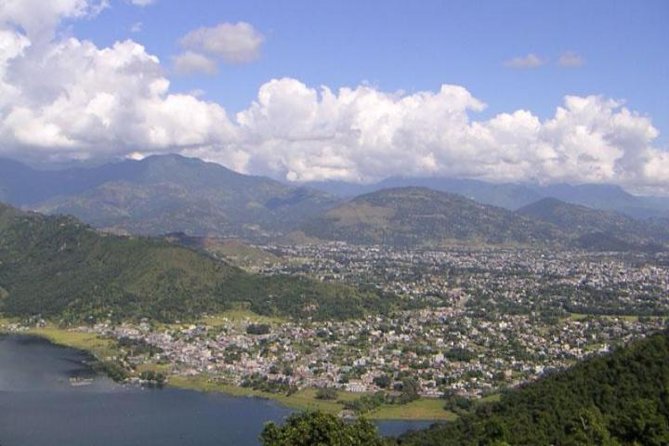
Pokhara also gives you a different Nepal feel than the Kathmandu valley. It’s a practical staging point for the Annapurna trek area, and it helps you avoid the classic mistake: starting the first trekking day tired and underprepared.
From Nayapul to Ulleri: Riverside Village Life, Bridges, and Stairs
You start the actual trek from Nayapul, reached by driving along a zigzag route. The first walking day takes you through a river-and-village world before you begin gaining elevation.
You trek to Birethanti, described as a large riverside village at the confluence of the Modi and Bhurungdi Kholas. It’s a great “warm start” because the terrain feels connected to everyday life, not only mountains.
Then you climb toward Sudame, followed by a gradual rise to Tikhedhunga. The big moment comes when you cross a suspension metal bridge and hit a steep climb on stone staircases to Ulleri.
This is the day’s reality check: even in a moderate itinerary, Ulleri’s approach includes effort. That matters if you’re a beginner—stamina isn’t just about distance. It’s about how your body handles repetitive steps.
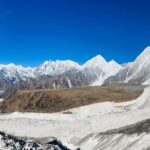
The upside is that you’re rewarded with dramatic valley views, including sight lines toward Annapurna South and Hiunchuli. This is when the trip starts to feel like the real deal.
Rhododendron and Oak to Ghorepani: Where the Mountains Start Showing
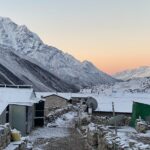
On the next trek day, you move into a dense forest of rhododendron and oak. The route here is scenic in a very practical way: forest shade and a consistent walking feel can make the day feel less intimidating than open slopes.
After a few hours with breaks, you reach Ghorepani. The itinerary specifically calls out Upper Ghorepani (Deurali) for standout views, including Dhaulagiri and the broader Annapurna Himalayan range.
This matters because it bridges the experience: you’re not just trudging through greenery. The moment the forest thins and you look out, you get the sense that tomorrow morning’s sunrise isn’t random hype. You’re already “inside the panorama.”
Also, Ghorepani is where you start thinking about your early-morning wake-up. If you’re new to trekking, this night is when you’ll want to set up your plan: what you’ll wear, where your headlamp will be, and how you’ll handle the cold before sunrise.
Poon Hill Sunrise at 3,210m: The Early Climb Payoff
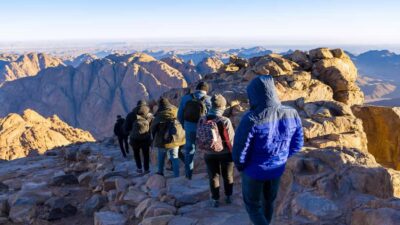
The star of the trek is Poon Hill (3210m / 10530ft). You hike up for about 45 minutes after an early breakfast. That’s a key detail: it’s not a long grind at that point. It’s a short, sharp push for a massive reward.
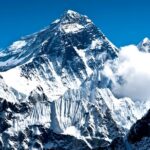
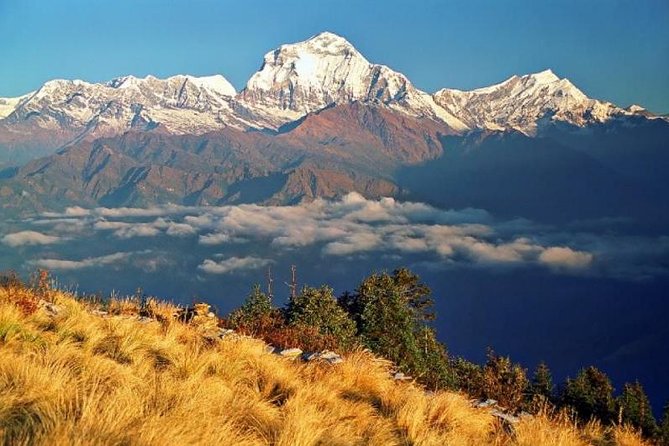
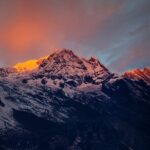
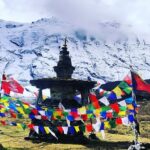
As you climb, you pass rhododendron forest again, then reach the grassy summit. And then comes the best reason people plan their lives around sunrise here: the views of high Himalayas and a panoramic sweep.
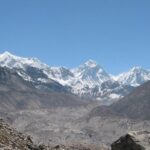
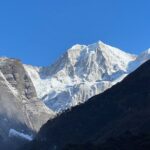
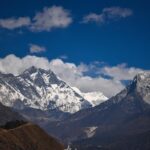
From Poon Hill, the itinerary names multiple peaks you can potentially spot: Dhaulagiri, the Annapurnas, Machhapuchhre (Fish Tail), and Manaslu, with a special mention of sunrise views and also a wider horizon that can reach far western regions.
Here’s the practical take: sunrise at altitude can be cold and your body may feel stiff. If you’re the kind of person who hates rushing, make peace with it now. Bring layers, keep moving, and don’t worry if you’re not fully awake at first. The mountain air does the job.
After the morning moment, you trek downhill toward Nayapul, then catch a private vehicle back to Pokhara. This is a relief for your joints after the best part.
Back to Pokhara, Then Kathmandu: Recovery, Shopping, and a Farewell Dinner
After trekking downhill, you drive back to Pokhara. The itinerary then includes a full return to Kathmandu by car the following day via the same route used earlier.
Once you reach Kathmandu, you get time to rest, refresh, and handle whatever you want to do on your own. There’s also a free day option—shopping, exploring more of the city, or just catching up on normal life.
In the evening, you attend a farewell dinner at a typical Nepali restaurant with cultural shows, hosted by Nepal Horizon Treks and Expedition. This is a nice way to close the trip because it turns the end of trekking into a shared “we did it” moment, not just a transfer back to a hotel.
One more thing I like about how the itinerary ends: it doesn’t force another big day after sunrise. You get a chance to recover before your airport transfer on the final day.
Price and Logistics: Is $400 Worth It?
At $400 per person for an approximately 8-day trek based in Kathmandu, the value depends on what you’d otherwise have to coordinate yourself. In this package, your meals are partly handled: breakfast (7), lunch (3), and dinner (4). That’s not a tiny detail. Food costs add up fast in tourist areas, and trekkers often underestimate how much planning is needed for consistent meals during walking days.
Included also is pickup offered and a mobile ticket, which reduces the number of things you need to chase down in person.
What’s not included is equally important: international airfare, visa fee, and WiFi on board. Also, dinner and lunch in cities aren’t covered. That means you’ll still pay for some meals when you’re in Kathmandu and Pokhara outside trekking time.
Overall, $400 can feel reasonable if you want the trek organized end-to-end, with transport between cities and trekking logistics managed. If you already have a guide, have your own driver lined up, and you’re doing every meal planning detail yourself, then you’d be paying extra for convenience. For most people, though, that convenience is exactly the point.
Guides and Support: Why Raju, Dipendra, and Friends Matter
One of the most repeated patterns in the feedback is not the scenery—it’s how people were treated during the trip. The high recommendation rate and perfect scores align with what you want most on a trek: calm competence.
You’ll see praise for the support team caring about foods and accommodation, and also being concerned about health conditions while trekking. That kind of attention is what helps a beginner feel safe without the trekking feeling “sanitized.”
Named staff also get credit:
- Raju comes up as a mountain guide who was helpful and supportive
- Bishal gets highlighted as a great guide on another trek experience within the same company
- Deep is mentioned for organizing a Poon Hill trek right after arrival and giving gear-related advice
- Dipendra is described as the owner/manager who provided clear planning and smooth organization
- Ramesh is praised as a guide, especially in terms of knowledge and last-minute planning ability
- Kumar is mentioned positively in planning an Annapurna Base Camp trek (different route, same operator)
Even though not every person is on Poon Hill specifically in the text you provided, the underlying theme is clear: this company’s guides and planning team are repeatedly described as attentive, organized, and friendly.
If your biggest fear is being left alone with confusing steps—literally and figuratively—this is a strength worth taking seriously.
Who Should Choose This Annapurna Ghorepani Poon Hill Trek?
This route is explicitly aimed at trekkers looking for a shorter introduction to the Himalayas with comfortable altitude trekking in Nepal. It’s ideal for families and beginners with moderate fitness, and it’s described as a good naturalist-style experience.
If that sounds like you, you’ll probably enjoy this trek because:
- the itinerary gives you multiple “life segments” (Kathmandu, Pokhara, walking days)
- the main effort is concentrated around key trek days rather than constant suffering
- the payoff is planned: sunrise at Poon Hill
If you’re an experienced mountaineer who wants big technical challenges or high-altitude acclimatization schedules, this may feel more gentle than what you’re seeking. But if you want meaningful mountain views without a totally punishing time commitment, this fits.
Also note: the operator states minimum 02 people per booking is required, and the tour is private (only your group participates). That’s useful if you don’t want to be mixed with strangers, and it also helps your guide tailor pacing.
What to Expect on Trek Days: Pace, Effort, and Smart Prep
Even when a trek is labeled beginner-friendly, don’t ignore the mechanics. You’ll do:
- gradual rises on the early days
- a steep climb with stone staircases to Ulleri
- a forest day to Ghorepani
- an early morning hike to Poon Hill
- a downhill day back toward Nayapul
That means your training goal isn’t just “walk more.” It’s also managing repetitive climbing and then transitioning to downhill walking.
For gear, the itinerary doesn’t list packing items, so you’ll need to use your common sense here. You’ll likely want layers for early mornings, solid footwear for stairs, and a basic daypack. If you’re unsure, ask your guide what the cold feels like when you’re traveling.
The good news is that because the early climb to Poon Hill is described as about 45 minutes, you can focus on steady effort rather than sprinting your way into the view.
And if the cold or altitude makes you nervous, it helps that the feedback mentions guides caring about health conditions.
Should You Book This Trek or Skip It?
You should book if you want an 8-day Nepal plan that mixes Kathmandu culture, Pokhara downtime, and a classic sunrise mountain highlight. The trek itself is built for moderate fitness and beginners, but it still delivers the dramatic Himalaya moments people travel for.
Skip—or at least ask extra questions before booking—if you’re not comfortable with steep stairs and early mornings. This route includes both, and the Poon Hill segment only works because you’re up and moving early.
If you’re looking for value, check that the included meals match your habits. With breakfasts, lunches, and some dinners included, you’ll be less exposed to the “surprise costs” that pop up on the trekking side.
Bottom line: if you want a well-paced first Himalayan experience with strong human support, this is a smart choice.
FAQ
How long is the Annapurna Ghorepani Poon Hill trek?
The experience is listed as approximately 8 days.
Is airport pickup or transfer included?
Yes. The itinerary states that an airport representative meets you and provides transfers, and pickup is offered.
What meals are included in the price?
The package includes breakfast (7), lunch (3), and dinner (4).
What’s not included in the trip cost?
International air fare, visa fee, WiFi on board, and dinner or lunch in cities are not included.
Is this a private tour?
Yes. It’s a private tour/activity, and only your group participates.
What fitness level do I need?
You should have moderate physical fitness.
Can I cancel for a full refund?
Yes. You can cancel up to 24 hours in advance for a full refund, and cut-off times are based on local time. If you cancel less than 24 hours before the start time, the amount paid is not refunded.