REVIEW · KATHMANDU
Annapurna Base Camp Trek
Book on Viator →Operated by Nepal Mountain Trekkers - Day Tours · Bookable on Viator
Routine ends where Annapurna begins. This 11-day short trek is built around a smooth start in Kathmandu, a quick flight to Pokhara, and a guided walk through rhododendron forests and Gurung villages to Annapurna Base Camp at 4,130m. What makes it especially appealing is how focused it feels: you get the big goal, plus memorable side stops like Jhinu Danda hot springs and Machhapuchhre views, then return the same way.
What I like most is the human support built into the trip. Having an English-speaking guide named Shiva leading the way, plus a porter named Bishal (with a clear max load rule) takes a lot of mental load off your shoulders. The other big win is that meals on the trek are handled (breakfast, lunch, dinner), so you can spend your energy on breathing, hiking, and taking in the mountains.
The main drawback to plan for is the altitude and the hiking time. You should expect long walking days and thinner air near the top, so you’ll want solid moderate fitness and a calm attitude about the pace.
In This Review
- Key highlights worth packing your enthusiasm for
- Kathmandu to Pokhara: the part you actually need to get right
- Pokhara Lakeside prep: why this start helps your trek
- Days 3 to 5: Modi River walking, villages, and forests that change the air
- Day 6: Machhapuchhre Base Camp and the night at Annapurna Base Camp
- Days 7 to 9: the return route, sunrise, and Jhinu Danda soak #2
- Hotels, meals, and the gear rental that keeps you moving
- Price and logistics: what $906.67 covers and what you must plan for
- Who should book this trek, and who should slow down
- The people factor: Shiva, Bishal, and the warm start from Suman
- Should you book the Annapurna Base Camp Short Trek?
- FAQ
- How long is the Annapurna Base Camp short trek?
- What’s the starting point and how do I get there?
- Do I travel from Kathmandu to Pokhara before trekking?
- What’s the highest altitude on this trek?
- What’s included in the trek package price?
- What’s not included?
- How much porter support do I get?
- Is cancellation free?
Key highlights worth packing your enthusiasm for
- A quick 30-minute flight to Pokhara helps keep the trek feeling short and manageable
- Jhinu Danda hot springs show up twice, so sore legs get a second chance to recover
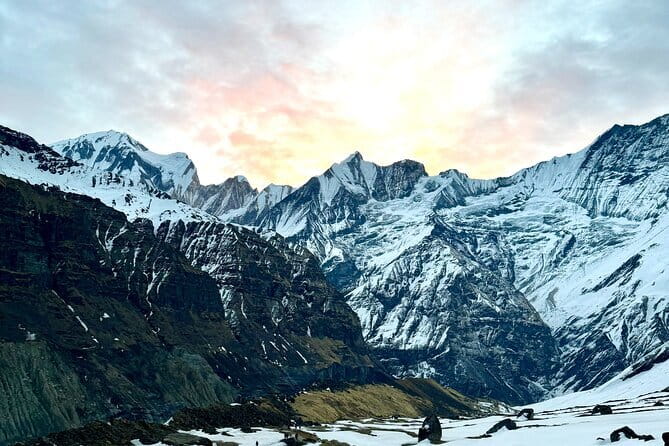
- Machhapuchhre Base Camp gets folded into the route, with big-picture views building day by day
- Support system is explicit: assistant guide and porter, with 1 porter for 2 trekkers up to 30kg
- Permits are included (TIMS and ACAP), so you’re not scrambling for paperwork mid-trip
- City-to-trek logistics are simplified with airport pickup and hotel nights in Kathmandu and Pokhara
Kathmandu to Pokhara: the part you actually need to get right
Your trip starts with a pickup from Tribhuvan International Airport and a drive to your Kathmandu hotel. The hotel base for the trek is Hotel Green Horizon in Thamel, a practical home area because you’re close to restaurants, shops, and it’s easy to meet your team.
On day two, you’ll get trekking briefings around Thamel, then head out toward Pokhara with scenic stops along the way. The details are simple but smart: you’re not just traveling from A to B. You’ll pass a picnic spot and tourist hub in Kathmandu Valley and stop at a holy temple that’s respected locally for spiritual wishes. It’s not about ticking boxes. It’s about giving you a softer landing into Nepali rhythms before your first big day on foot.
Then comes the key reset: Pokhara. You arrive and get escorted to your hotel, and after that you’re free to enjoy Lakeside, where modern tourist life meets local souvenir culture. This matters because by the time you start walking, you’ll want a calm place to sort layers, charge devices, and mentally switch from city mode to trail mode.
You can also read our reviews of more tours and experiences in Kathmandu.
Pokhara Lakeside prep: why this start helps your trek
Pokhara is your staging area. You’re not here to rush. You’re here to breathe, eat normally, and get ready for hiking that will feel longer than you expect.
Lakeside is a good choice for that. You can wander at a relaxed pace, pick up anything you forgot, and use the cool mountain air to adjust your body clock. The trip includes two nights in Pokhara, which is a quiet luxury on trekking schedules. If you’ve ever done a trek where you arrive and start sweating immediately, you’ll appreciate having time to settle in.
A small but real bonus: the trek begins the next morning with the short hop to the trailhead region via Nayapul. Because you’re already based in Pokhara, you avoid the chaos of last-minute transfers when jet lag and packing still hit you.
Days 3 to 5: Modi River walking, villages, and forests that change the air
Day three is your official start. You drive to Nayapul, the common gateway for routes in the Annapurna region, then begin trekking along the Modi River. This section is a gradual ramp into the region’s texture: small settlements, temples, and mountains watching from the edges. It’s also your first taste of trail-life pacing, where you walk long enough to feel the rhythm, but not so long that you’re destroyed before the real climb.
The destination is Jhinu Danda, famous for natural hot springs. What I like about this stop is that it’s not a gimmick stop with a quick photo. You’re meant to explore the ridge base and soak in the natural springs, which is a practical way to loosen legs after your first hiking day. And because the trek is guided, you also don’t have to navigate the route on your own.
Day four keeps the theme of variety: terraces, stone steps, river crossings, and then bamboo and rhododendron zones. You’ll pass Chhomrong and move through areas like Nayagaon and Siruwa, then continue into the bamboo forest. At one point you reach Kuldighar, known as a former sheep breeding project area. If you like your travel stories grounded in land use and local history, these small place details add meaning to the miles.
You finish the day near Bamboo, with an overnight at a place often referred to as Bamboo Lodge. The trekking here includes steep marching and a rougher feel in parts, so this is a good day to focus on steady breathing and not over-striding.
Day five is shorter on paper, but it builds the climb smartly. You trek from a place called Dovan toward Deurali, using rhododendron and oak areas early, then shifting into rockier terrain as you gain elevation. You also pass sights like a waterfall crossing and the Hinku cave area before arriving at Deurali village.
The best takeaway from days three to five is how the environment changes as you go. You’re not just moving uphill. You’re watching vegetation thin, slopes get rockier, and the air feel more serious. That gradual shift is exactly what you want before your big day at the top.
Day 6: Machhapuchhre Base Camp and the night at Annapurna Base Camp
Day six is the climax day. You go from the approach-zone villages into the higher viewpoint territory, and the route includes Machhapuchhre Base Camp before reaching Annapurna Base Camp.
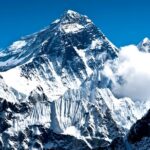
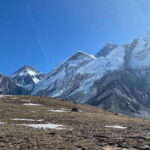
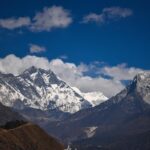
First you climb over a steep trail and pass a settlement called Bagar, then press on to Machhapuchhre Base Camp. This stop is about the big visual payoff: you’re looking at Fishtail Mountain (Machhapuchhre) and other named peaks in the Annapurna massif area. Even if you’re not a peak-spotter, you’ll feel the scale change here.
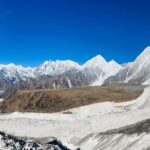
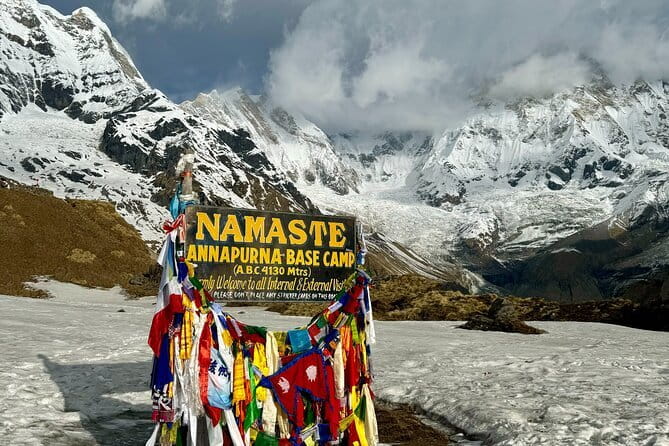
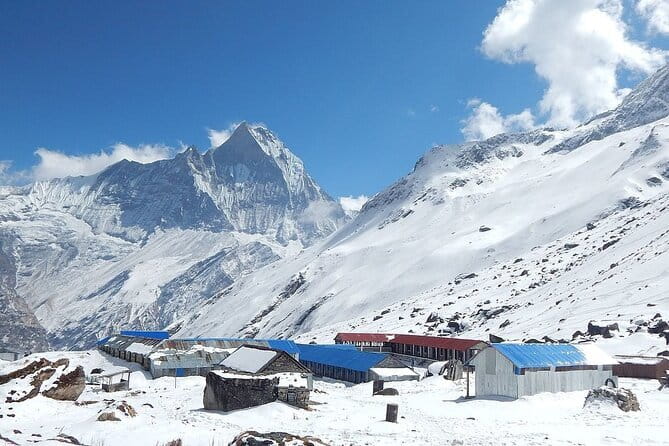
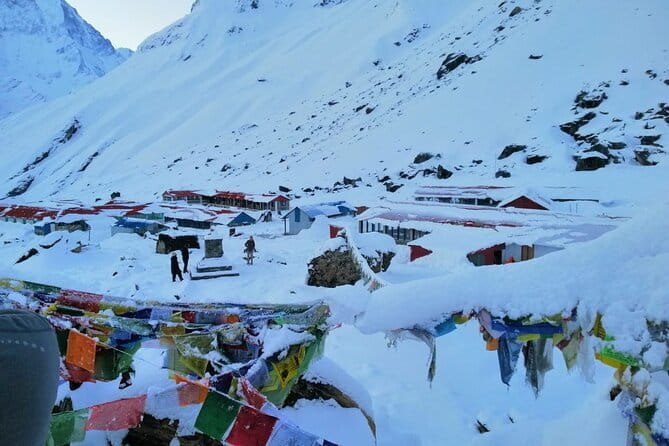
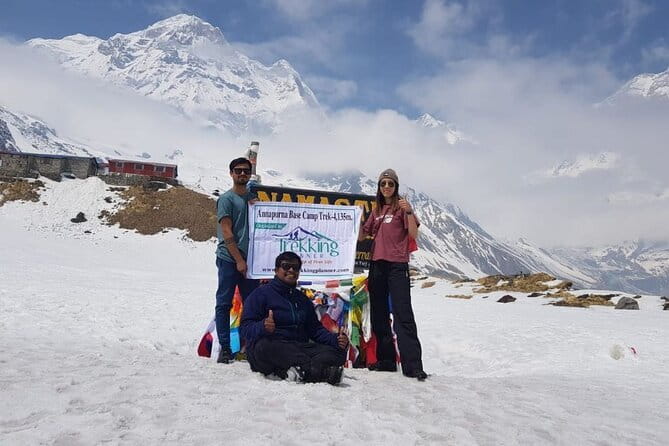
From Machhapuchhre Base Camp, you turn toward Annapurna Base Camp. The path shifts again: vegetation becomes sparse, the trail widens, and you turn away from the Modi River. Then you arrive at the goal at 4,130 meters, with towering Annapurna views on all sides.
This overnight is one of the strongest reasons to book a short ABC trek like this. Getting there earlier in the afternoon can help, but sleeping at the base camp gives you time to watch light change over the mountains and breathe the thin-air hush that only high camps really have.
Days 7 to 9: the return route, sunrise, and Jhinu Danda soak #2
Many treks do a big push up and then rush you back down. This one builds in a better rhythm on the return.
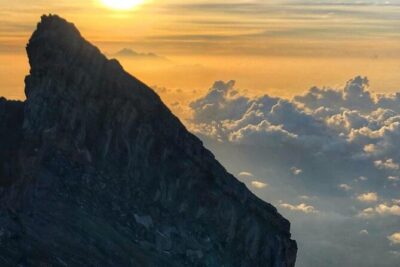
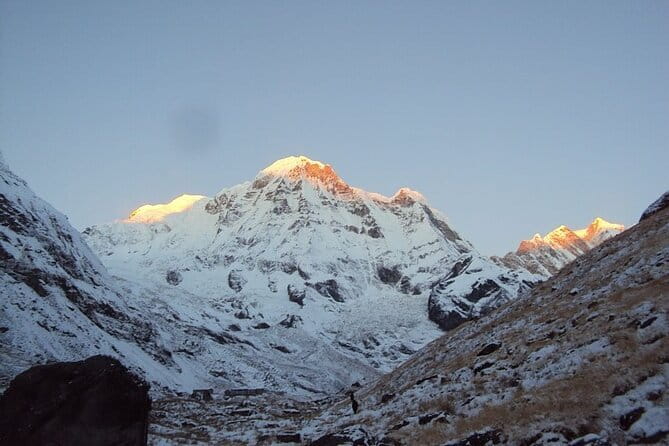
Day seven brings a return toward Bamboo, and it includes a particularly good perk: an exceptionally beautiful sunrise over the Himalayas. The walking here is described as easier downhill travel, and you keep company with the Modi River again as the route passes through rhododendron and bamboo lower zones.
You also walk through an area described as prone to avalanche, which is a reminder that the mountain environment is alive and changeable. Since you’re on a guided route with trained leadership, you should treat the itinerary as more than a timeline. It’s also a safety-minded path through a dynamic landscape.
Day eight is where you start retracing more of your earlier steps, but with some extra route stitching. You trek back through areas like Khuldighar (noted for a helipad), then to Sinuwa, and onward past places including Tilche and Chhomrong before reaching Taulung junction territory. That junction detail matters because it’s a reminder you’re on a crossroads network of trails, not a single line of hiking.
Then you get the star recovery moment: Jhinu Danda Hot Spring again. After about an hour, you arrive and you can explore the surroundings and soak. For legs that have already taken a beating, this second soak can feel like a cheat code. You’re essentially buying yourself better comfort for the last stretch down.
Day nine is the finish of the walking phase. You go from Jhinu Danda down into the Modi Khola valley, passing through areas like a bridge called New Bridge, then continuing along stone staircases and hillside routes. You’ll see farms, traditional houses, and a network of bridges as the valley opens up. The trekking ends at Nayapool, marking the point where your shoes are no longer the main mode of transport.
Hotels, meals, and the gear rental that keeps you moving
The trip includes three nights in Kathmandu and two nights in Pokhara, which is helpful because you’re not living entirely out of a backpack right from the first day. You get a home base in Kathmandu at Thamel and a lakeside-style base in Pokhara, both practical for pre- and post-trek comfort.
On the trek itself, lodging and foods are included with breakfast, lunch, and dinner listed. You also get a farewell dinner. That’s not just hospitality. It protects your energy for hiking days, and it keeps you from spending time searching for meals along remote trails.
One practical detail I appreciate: trekking gear is available on rent, including sleeping bags and a down jacket. That matters if you’re traveling light or if you don’t want to buy expensive cold-weather gear for one trip.
You also have a first aid medical box included. It’s not a substitute for health insurance, but it’s a sign the operation expects real-world trekking needs.
Price and logistics: what $906.67 covers and what you must plan for
At $906.67 per person, this is not a bare-bones walking-only deal. Your money goes toward a lot of fixed costs that add up fast on Himalayan treks:
- Lodging in Kathmandu and Pokhara (multiple nights)
- Airport pickup and drop service
- Transportation costs, including getting you into the trekking route via Nayapul and returning via Pokhara to Kathmandu
- A professionally trained English-speaking guide plus an assistant guide and porter support
- All lodging and trek meals (B, L, D)
- Permits: TIMS and Annapurna Conservation Area (ACAP) fees
- Gear rental for sleeping bag and down jacket
- Farewell dinner, plus VAT and company service charge
Where the cost can still land on your lap is also spelled out. You’ll handle Nepal visa fees, and international flights are not included. Also, meals in Kathmandu and Pokhara are not included, and you’ll need to cover tips for guides and porters. Travel insurance and any rescue costs are your responsibility too.
The short version of the value argument: if you want an organized ABC trek where permits, meals, guides, and most basic logistics are handled, the price reflects that. If you’re the type who already has all gear, already knows how to secure permits, and wants full self-guided independence, then you might compare options. But for most first-timers, the included structure is the point.
Who should book this trek, and who should slow down
This is best for you if you want a well-managed ABC route that focuses on reaching the base camp and experiencing key stops like Jhinu Danda and Machhapuchhre Base Camp, without adding extra weeks in transit.
It suits people with moderate physical fitness. The route includes multiple days with long walking windows, including at least one day described as a rougher, steeper bamboo-to-Bamboo segment. If you’re new to altitude, pace yourself and treat the days as training for breathing, not contests.
It also fits travelers who like clear guidance. The company operates with a maximum group size of 15 travelers, which usually helps keep the trail experience organized rather than chaotic.
If you hate early mornings, long days, or you struggle with stairs and repeated descents, this may feel like a challenge. The trek is short for ABC standards, but it still asks for effort.
The people factor: Shiva, Bishal, and the warm start from Suman
One detail stands out from the experience stories: you’re greeted and supported by real names, not just a generic pickup.
Suman handles the warm airport arrival welcome, which matters because day one is where nerves are highest. Then Shiva guides the hike, and Bishal is the porter support that helps keep loads reasonable. That combination is what makes the whole thing feel possible, especially if you’re watching your energy like a budget.
It’s also a reminder that the experience isn’t only the mountain view. It’s the teamwork that gets you there and keeps you safe along the way.
Should you book the Annapurna Base Camp Short Trek?
Book it if you want a structured, guide-led route that includes permits, trek meals, key viewpoints, and hot springs time, with a realistic short-trek format via Pokhara. The support system and the gear rental are big value for first-timers, and the route includes the named landmarks you actually care about: Jhinu Danda, Deurali, Machhapuchhre Base Camp, and Annapurna Base Camp at 4,130m.
Skip it or ask more questions first if you know you struggle with altitude or you’re looking for a light, casual walk. This is still a trekking adventure with long hiking days and real mountain conditions.
If you do book, plan your mindset: go steady, let sunrise and base camp happen when they happen, and treat the hot springs as part of your recovery plan, not an optional bonus.
FAQ
How long is the Annapurna Base Camp short trek?
It’s listed as 11 days (approx.).
What’s the starting point and how do I get there?
The start point is Nepal Mountain Trekkers, Pyramid Galli, Kathmandu, and the trip includes airport pickup. You’re driven to your Kathmandu hotel on day one.
Do I travel from Kathmandu to Pokhara before trekking?
Yes. On day two you travel to Pokhara by scenic drive, and the trek itself begins after you arrive in Pokhara.
What’s the highest altitude on this trek?
Annapurna Base Camp is listed at 4,130 meters above sea level.
What’s included in the trek package price?
Included items cover airport pickup/drop, hotel nights in Kathmandu and Pokhara, trek lodging and meals (B, L, D), guide and porter support, transportation costs, TIMS and ACAP permits, first aid box, and gear rental for a sleeping bag and down jacket, plus a farewell dinner.
What’s not included?
Not included: Nepal visa fees, international flight tickets and extra baggage charges, foods in Kathmandu and Pokhara, extra nights if the itinerary changes, travel insurance/rescue operation costs, personal expenses, and tips for guides and porters.
How much porter support do I get?
There’s an assistant trekking guide and porter, with 1 porter for 2 trekkers, and a maximum load of 30kg.
Is cancellation free?
Yes. You can cancel up to 24 hours in advance for a full refund. If you cancel less than 24 hours before the start time, it isn’t refunded.