REVIEW · HANOI
Hanoi: 2-Day Sa Pa Guided Village & Homestay Trekking Tour
Book on GetYourGuide →Operated by VIETNAM GOLF PACKAGE · Bookable on GetYourGuide
Sapa wakes you up early, then rewards you. This 2-day trek packs rice-terrace photo stops and homestay meals into a mountain route that helps you skip some of the worst tourist crowds. The catch: day 1 is about 9 km, and rain can make the hike feel much more serious, especially if you’re not steady on uneven paths.
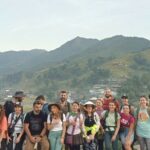
I like how the trip stays human-sized, not rushed. Guides such as Si (and sometimes a second guide named Lala) spend time explaining village life and local traditions, which makes the walking feel like a conversation, not a checklist.
You’ll leave Hanoi Old Quarter at 6:00–6:30 AM, roll into Sapa around early afternoon, then start trekking the same day. Plan for cold, foggy conditions at altitude and bring proper shoes and cash in Vietnam Dong.
In This Review
- Key takeaways before you go
- Why This 2-Day Sa Pa Trek Is the Sweet Spot
- Hanoi Old Quarter Pickup to Sapa Town: Getting There Without Stress
- Day 1: From Y Linh Ho Rice Terraces to Lao Chai and Ta Van
- Homestay With a Dzay Family: Sunset, Simple Comfort, and Family Food
- Day 2: Ta Van to Giang Ta Chai With Bamboo and Red Dzao Views
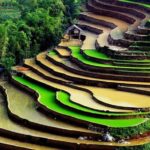
- Photography Moves: Rice Terraces That Let You Stop Often
- Food and Drink: What’s Included (and What You’ll Need to Plan)
- Price and Value for $84: What You Get for the Money
- Weather, Altitude, and Packing: Your Real Checklist for Sapa
- Who Should Book This Trek, and Who Should Skip It
- Make the Most of the English Guide: Questions That Pay Off
- Should You Book This Hanoi to Sapa 2-Day Village Trek?
- FAQ
- How long is the Sapa trekking tour?
- What time do you pick up me in Hanoi?
- Where do we trek on day 1?
- How far is the trek on day 2?
- Is a homestay included, and what’s it like?
- What meals are included in the price?
- Does the tour include a guide, and what language?
- What should I bring for trekking in Sapa?
- Is the tour suitable for children or people with mobility issues?
Key takeaways before you go
- Rice terraces built for photos: You’ll hit classic viewing spots on the Muong Hoa Stream route and again on day 2.
- Village-to-village walking: Y Linh Ho to Lao Chai to Ta Van on day 1, then Ta Van to Giang Ta Chai on day 2.
- Homestay with a Dzay family: Simple facilities, a real family rhythm, and a sunset in the mountains.
- Bamboo forest and a big panorama stop: Day 2 includes a bamboo section and a viewpoint over Giang Ta Chai.
- Guides who explain more than directions: Si-style storytelling about tribes, daily life, and how people make clothes.
- Sapa weather can flip fast: Warm layers and rain-ready clothing matter even when forecasts look fine.
Why This 2-Day Sa Pa Trek Is the Sweet Spot
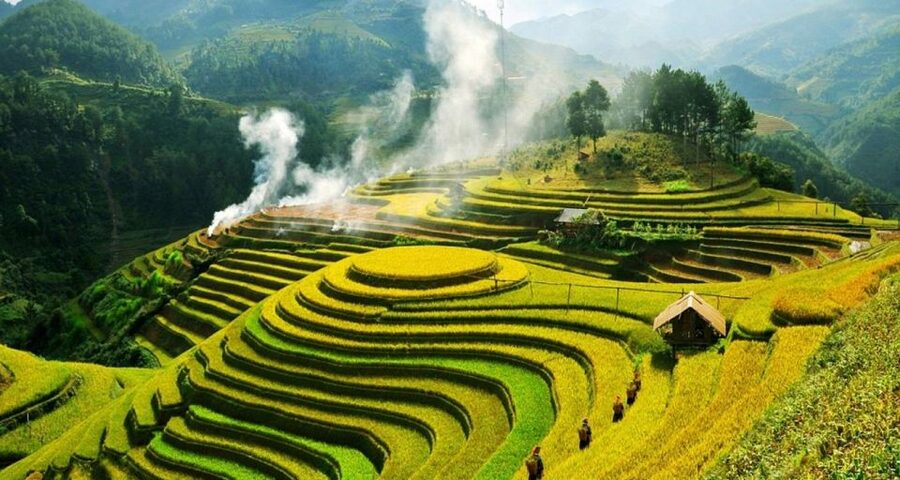
A 2-day trek is the easiest way to get real time in Sapa without turning your whole trip into a daily grind. You’re in the mountains long enough to see terraces, village paths, and everyday routines, but you still get a comfortable reset on day 2 with shower time and a hotel lunch window in Sapa.
This tour also aims for the less-crowded side of things. Instead of only hitting the easiest photo corners, you walk between villages and spend an evening with a family. That’s where the trip earns its value: the views are great, but it’s the village life that sticks with you.
If you’re chasing a perfect itinerary photo montage, you’ll still get plenty of shots. If you’re the type who likes to talk to locals, ask questions, and move at a reasonable pace, you’ll have an even better time.
You can also read our reviews of more tours and experiences in Hanoi.

Hanoi Old Quarter Pickup to Sapa Town: Getting There Without Stress
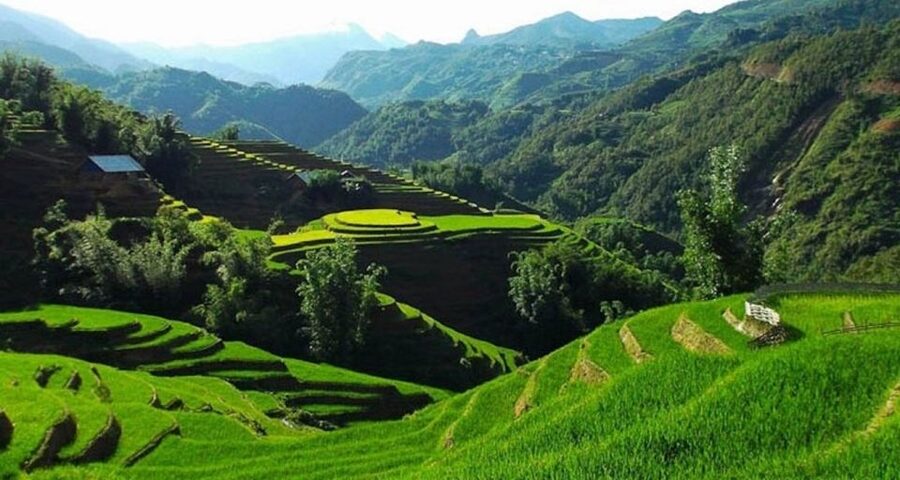
Pickup runs from 6:00 AM to 6:30 AM in Hanoi Old Quarter (you’ll need the transfer option). The shuttle ride takes you to Sapa with a short break along the way of about 20–30 minutes.
You arrive in Sapa Town around 13:00. That timing is important because it sets expectations: you’re not trekking in the dark, and you still have a real lunch on day 1 before your first hiking stretch. After arrival, you get a welcome drink, a briefing from the guide, and lunch with local Vietnamese foods.
Practical tip: if you’re coming from Hanoi with minimal sleep, treat day 1 as a long travel day. Bring layers for the bus ride too. Even if the lowlands feel warm, Sapa can feel cold quickly once you’re at altitude.
Day 1: From Y Linh Ho Rice Terraces to Lao Chai and Ta Van
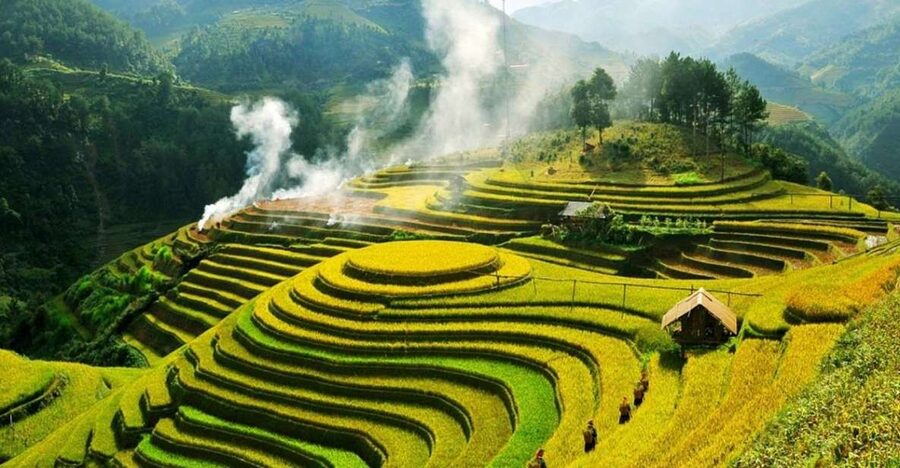
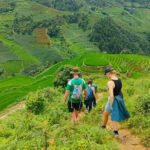
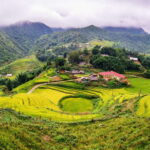
Day 1 is your big intro trek. After lunch and a briefing, you transfer to Y Linh Ho and start walking through the rice terraces and along the Muong Hoa Stream.
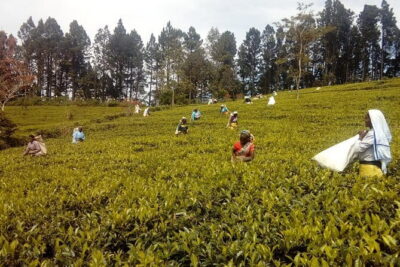
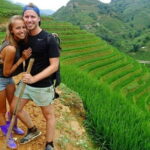
Then comes Lao Chai, described as a Black Hmong village. The big draw here is the combination of terrace fields and mountain framing from the path. You don’t just stare from one spot—you move through the scenery, which usually leads to better photo angles and less crowd pressure.
From there, the route approaches Ta Van, where the Zay people live. The trekking distance is about 9 km and typically takes around 3.5 hours. Late afternoon is when you check in and transition from walking mode to mountain-life mode.
A balanced reality check: 9 km through uneven terrain can feel longer than it sounds, especially if it’s drizzling. If you’re prone to slipping or you don’t enjoy rocky, muddy footing, day 1 is where you’ll feel it most.
Homestay With a Dzay Family: Sunset, Simple Comfort, and Family Food
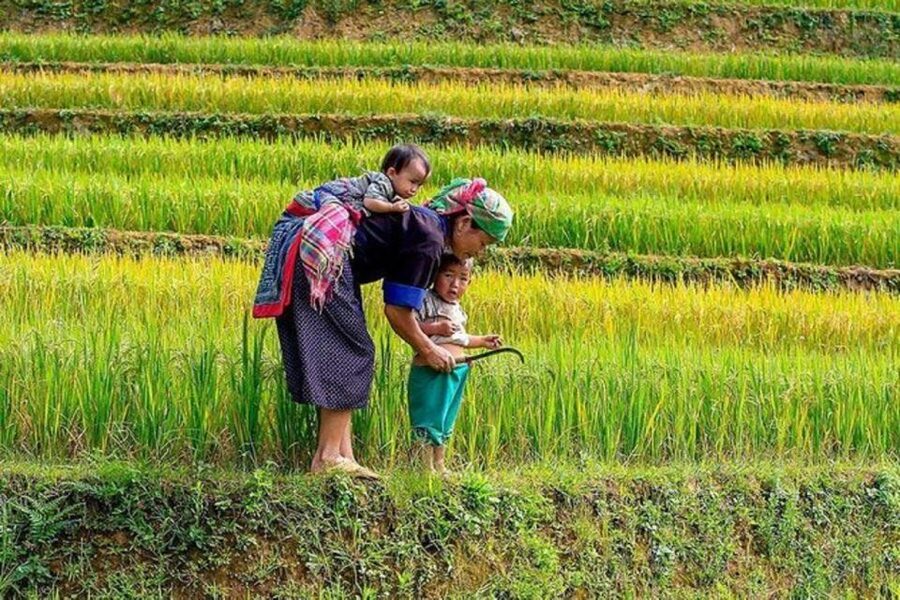
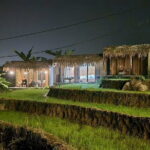
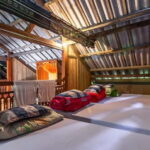
Your overnight is at a traditional homestay (or an alternative option where offered, but it’s typically simple and family-run). Check-in is around 17:45 after your day trek.
This is where the experience turns from sightseeing into something more personal. You’ll get to know the host family and spend time in the mountains during sunset. The trip also builds in an option that’s usually one of the best parts: you may join in cooking local dishes with the family, then enjoy dinner in a calm, unhurried setting.
One important note for expectations: homestays are basic. You’re not paying for hotel comfort; you’re paying for closeness to how people actually live. If you’re the type who needs polished bathrooms and perfectly warm showers, this might feel rough. If you can handle simple facilities for a night, it’s a big part of why the tour scores well.
For the evening: there’s also the option to join a nearby bar with music and socialize with other tourists. It’s not required, but it can be a nice way to unwind after a long day.
Day 2: Ta Van to Giang Ta Chai With Bamboo and Red Dzao Views
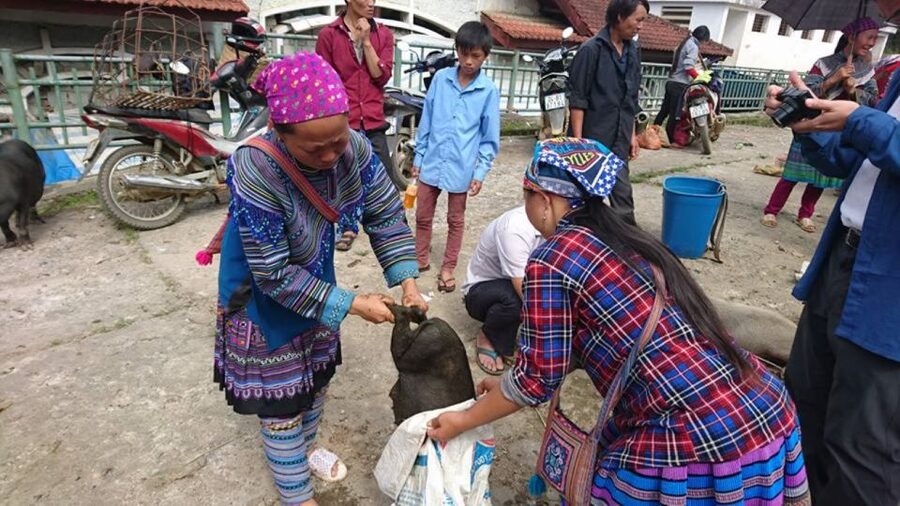
Day 2 starts with breakfast prepared by the family, then you set off for the next village loop. Walking begins in the morning, and you’ll head toward rice paddies for a photo session with wide views of the valley.
Then you move through a bamboo forest section, followed by a panorama viewpoint stop over Giang Ta Chai village, home of the red Dzao community. This portion is shorter: about 4 km and roughly 2 hours, so it feels like a calmer day after day 1.
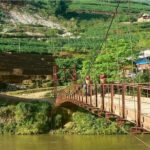
You also cross Giang Ta Chai Bridge to reach the main road. At that point, a bus picks you up and returns you to Sapa Town.
From there, you get a chunk of recovery time: 12:00–13:00 includes shower at the hotel, lunch, and free time. Then at 13:30 you meet the group and head back to Hanoi with comfort breaks. You should expect to finish around 20:30–21:00.

Photography Moves: Rice Terraces That Let You Stop Often
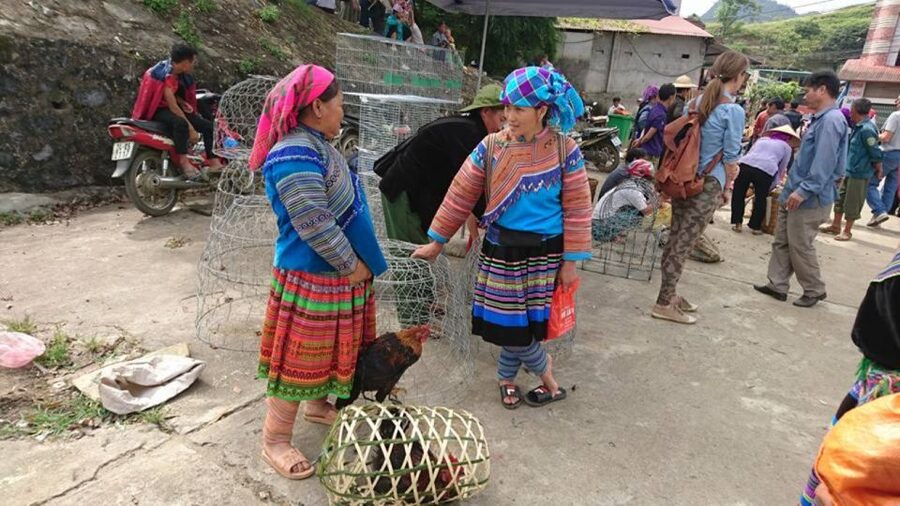
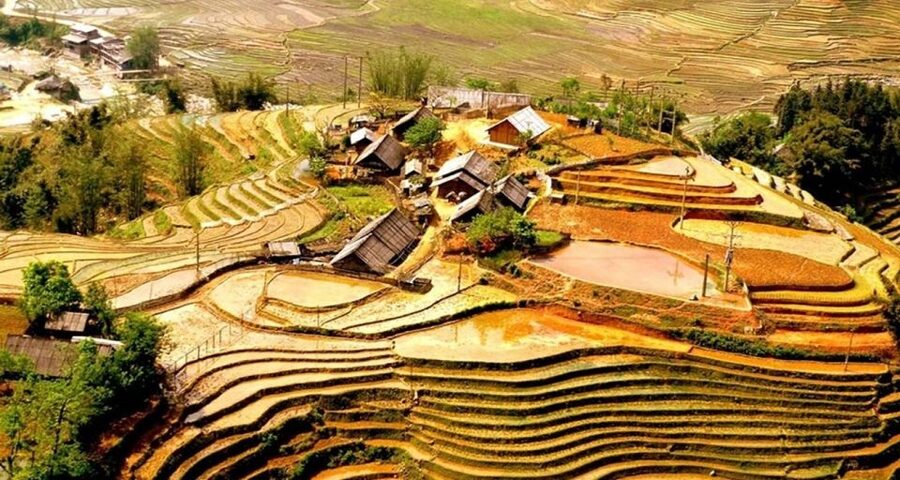
If you care about photos, this itinerary is built for stopping. The day-1 route includes multiple windows where you get that classic terrace-and-mountain framing as you walk along the stream corridor.
Day 2 gives you two more useful photo beats: a rice paddy photo session in the morning and another viewpoint stop above Giang Ta Chai. Bamboo sections are great too, because they create that shaded, textured contrast against the open terrace views.
My practical advice: wear shoes that won’t slip when you step off the “clean” parts of the trail. The best angles often mean stepping near the edge of a path where the ground changes fast. Safety first, then photos.
Food and Drink: What’s Included (and What You’ll Need to Plan)
This tour includes two lunches, one breakfast, and one dinner at a local restaurant. It also includes mineral water.
- Day 1 lunch is local Vietnamese food in Sapa Town before you start trekking.
- Day 1 dinner is part of the homestay rhythm, and you may cook with the family.
- Day 2 breakfast is prepared by the family.
- Day 2 includes lunch in Sapa Town after shower time.
- There’s also one dinner at a local restaurant that’s listed as included.
Drinks beyond the included water, and any meals not mentioned, are on you. In Sapa, it’s also smart to keep a small stash of cash for small purchases like snacks, hot drinks, or anything you forgot.
If you get picky about food, don’t assume it’s always “western easy.” But the meals are exactly what makes the tour feel like more than trekking for trekking’s sake.
Price and Value for $84: What You Get for the Money
At $84 per person for 2 days, the price is doing a lot of work for you. What’s included matters: you’re getting a guide, transfers between Sapa and Hanoi (when using the Old Quarter pickup option), an overnight homestay or hotel choice, admission fees, and most meals plus mineral water.
The biggest value for your money is time plus coordination. You’re not arranging transportation, trail flow, village timing, and overnight logistics. The guide also handles the cultural “translation layer,” like what each community does and why certain paths and terrace spots matter.
What costs extra:
- Solo travelers may pay a single supplement of $30
- Hotel pickup and drop-off from Hanoi is not included unless you book the transfer
- Drinks and other meals beyond what’s listed
If you compare this to piecing together Sapa transport and separate local guides, the bundled price often looks fair—especially because you get meals included and you’re sleeping inside the village context.
Weather, Altitude, and Packing: Your Real Checklist for Sapa
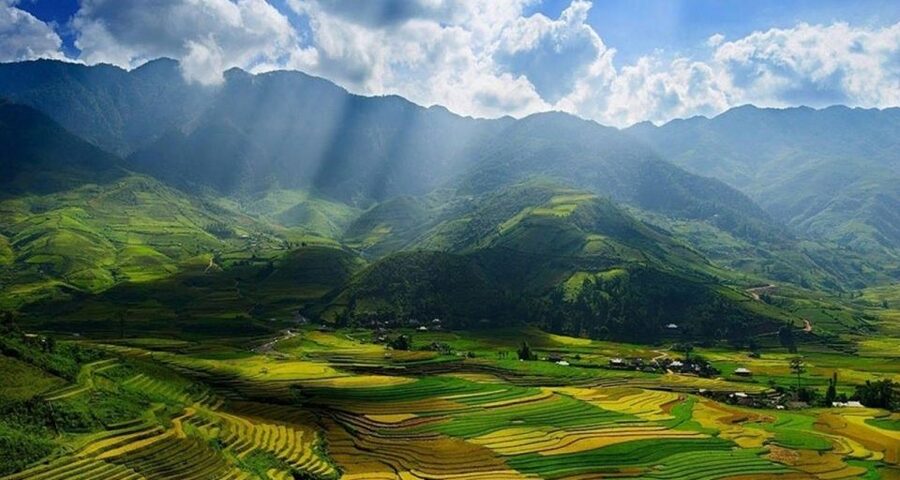
Sapa weather can turn. The tour notes that the region can be cold in many months, and fog is common in December through February and into March due to altitude.
That means your packing should be less “summer Hanoi” and more “layering system.” Bring:
- Hiking shoes (not just sneakers)
- Sunglasses
- Sunscreen
- Insect repellent
- Warm clothes, scarf, hat, cap
- Cash in Vietnam Dong (banking can be spotty in Sapa)
Also consider medicine, since you’re in a rural mountain setting and may want quick access to basics. Even if there are chemist shops, having your own stash reduces stress.
One last real-world note: the itinerary can shift based on bad weather and operating conditions. If rain hits, the tour may adjust timing. Flexibility is part of the deal.
Who Should Book This Trek, and Who Should Skip It

This is not an “everyone strolls the whole way” tour.
It’s not suitable for:
- People with mobility impairments or wheelchair users
- Children under 6
- Older travelers for the long day-1 trek (about 9 km), due to challenge and potential danger in rain
If you’re generally fit, comfortable on uneven ground, and okay with basic homestay facilities for one night, you’ll likely enjoy it a lot. It also suits people who want less crowd pressure and don’t mind a more rural feel over a polished, packaged attraction route.
If you’re traveling with someone who struggles with stairs, muddy paths, or long walking durations, consider a shorter alternative instead of trying to force this one.
Make the Most of the English Guide: Questions That Pay Off
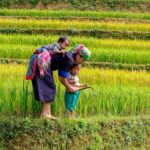
The tour runs with an English live guide, and the guide role is more than leading the line. In past groups, guides like Si have taken time along the hike to explain village life, village kids, clothing, and daily traditions—and even helped the group understand how people handle certain plant materials tied to local knowledge.
Then there’s Lala on some departures, also focused on explanations of tribes and traditions. The common thread: the best moments usually come when you ask questions and let the guide set the pace for small stops.
My suggestion: ask your guide what to watch for as you walk—how terrace farming changes by season, why certain paths connect villages, or what a specific ethnic group looks for in daily life. Those are the moments that turn the trek into a story you can tell afterward.
Should You Book This Hanoi to Sapa 2-Day Village Trek?
Book it if you want:
- Real village time instead of a quick photo stop
- Rice terrace scenery on more than one day
- A homestay evening that’s more about people than amenities
- A guided experience that handles timing, meals, and route flow
Consider skipping or choosing a gentler option if:
- You’re nervous about uneven terrain, especially if rain is likely
- You need hotel-level comfort for the overnight
- You’re traveling with someone who shouldn’t do the longer 9 km day 1 trek
For most active travelers, this tour hits the right balance: time in Sapa without dragging your feet all day, enough explanation to understand what you’re seeing, and an overnight that feels like you actually entered the mountain rhythm for a night.
FAQ
How long is the Sapa trekking tour?
The tour runs for 2 days total, with morning pickup in Hanoi and trekking plus village time in Sapa and its surrounding areas.
What time do you pick up me in Hanoi?
Pickup is scheduled between 6:00 AM and 6:30 AM from the Hanoi Old Quarter if you book the transfer.
Where do we trek on day 1?
Day 1 trekking starts at Y Linh Ho and goes through rice terraces along the Muong Hoa Stream toward Lao Chai, then continues toward Ta Van. The trek distance is about 9 km and takes around 3.5 hours.
How far is the trek on day 2?
Day 2 includes a trek from Ta Van toward Giang Ta Chai, with an estimated distance of about 4 km and about 2 hours of walking.
Is a homestay included, and what’s it like?
Yes, the tour includes a 1-night homestay accommodation (or hotel depending on the arrangement). Homestays are basic and simple compared with hotels.
What meals are included in the price?
The tour includes 1 breakfast, 2 lunches, and 1 dinner at a local restaurant. Mineral water is also included.
Does the tour include a guide, and what language?
Yes. You’ll have an English-speaking live tour guide.
What should I bring for trekking in Sapa?
Bring passport or ID, hiking shoes, sunglasses, sunscreen, insect repellent, and cash. You should also pack warm layers such as a scarf, hat, or cap because weather in Sapa is unpredictable.
Is the tour suitable for children or people with mobility issues?
No. It’s not suitable for children under 6 years old. It’s also not suitable for people with mobility impairments or wheelchair users, and older people are advised not to join the long 9 km trek.