REVIEW · UVA PROVINCE
Trekking & Picnic in The Tea Plantation From Ella, Haputale & Bandarawela
Book on Viator →Operated by Sri Lanka Trekking Club · Bookable on Viator
Tea walking beats museum tea. This trek-style outing is one of the more direct ways to understand Ceylon tea in Sri Lanka’s High Tea Country, because you walk estate paths, watch tea ladies pluck leaves from morning until afternoon, and then slow down for a picnic lunch with big views. I especially liked the hands-on feel of joining the tea picking and the wide-open panoramic scenery you get along the trail. The main thing to consider is that it’s still a hike through uneven tea-country ground, so you’ll want moderate fitness and good weather luck.
I also liked the simple setup: a private group, pickup offered, and a mobile ticket, with the day ending in Haputale town. That makes it easy to pair with the common follow-on plan of taking the train from Haputale back toward Ella. The one drawback is that the day can stretch a bit depending on timing, since the walking portion is described as about 4–5 hours within an overall ~6-hour experience.
In This Review
- Key things that make this tea trek worth your time
- Tea country trekking: why this feels like the real Sri Lanka
- Price and what $35 actually covers
- From Bandarawela to Haputale: how the day flows
- The Haputale tea-estate portion: walking, views, and tea work in motion
- Tea picking with local women: what you’ll learn and how to make it meaningful
- The picnic lunch: included, timed for the middle of the day
- The tea cup at home: a cultural moment that adds context
- Pickup, private group, and mobile ticket: the details that reduce hassle
- Who should book this tea plantation trek (and who should pass)
- Weather, footwear, and comfort tips that matter in tea country
- Should you book this Trekking & Picnic in the Tea Plantation?
- FAQ
- How long is the tea plantation trekking and picnic?
- Where does the tour start and end?
- What time does the tour begin?
- Is pickup included?
- What’s included in the price?
- Is lunch provided?
- Can I see tea ladies picking tea during the tour?
- Is this tour private?
- Is the trek suitable for kids?
- What if the weather turns bad?
Key things that make this tea trek worth your time
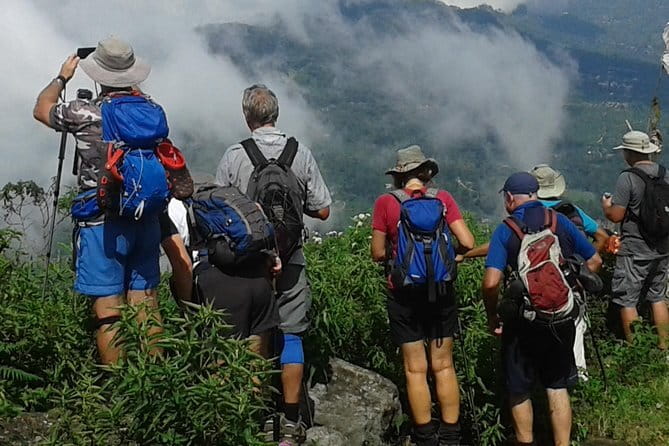
- A real tea-estate walk (4–5 hours) through estate paths, not just a quick stop at a shop
- Tea ladies at work from 8 am to 4 pm, rain or shine, so you see the day’s routine
- Picnic lunch included in the middle of tea country, with bottled water on hand
- Panoramic views that make the effort feel worth it
- Private guide attention with professional guidance and solid English in the experience reports
- A chance to drink tea at home with the people connected to the plantation
Tea country trekking: why this feels like the real Sri Lanka
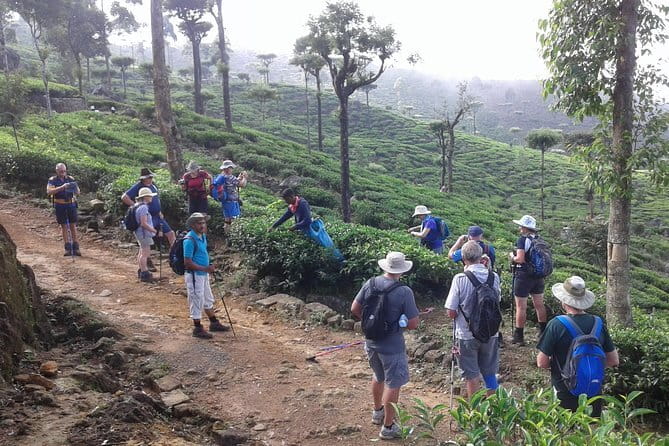
Tea in Sri Lanka is easy to treat like a souvenir. You sip a cup, buy a packet, and call it a day. This tour pushes past that shortcut. You get onto the actual estate trails, where the tea plants grow in rows, the slope forces you to move at a slower pace, and you can actually see the work behind your next cup.
The vibe is practical and grounded: you’re walking through the same kind of paths the plantation workers use as part of a working day. When you join the tea ladies, it turns tea from a product into a routine you can picture later. You’ll also get repeated chances to look out over the hills, so you’re not just doing one viewpoint and leaving. The longer you’re out there, the more the views stack up.
The best part for me is that it mixes learning with moving. You’re not stuck listening for hours. You learn as you go, and you get to compare what you notice at a distance with what you’re doing up close in the row.
Price and what $35 actually covers
At about $35 for roughly 6 hours, the value is tied to what’s included. You get a professional guide, lunch, bottled water, and all fees and taxes. That matters in Sri Lanka’s tea-country region, where the cost of transport, entry, and guided time can add up quickly if you piece it together yourself.
What is not included is also clear: extra food and drinks beyond what’s specified. So if you know you’ll want lots of water, juice, or tea during the day, plan to buy it or bring a little cash for gaps. The tour does provide bottled water, but it’s still a hike, and tea country weather can change fast.
Bottom line on value: for a guided private trek with lunch and water included, this is priced like a budget-friendly day with real structure. If you like active travel where you understand what you’re seeing, you’ll feel like you’re paying for experiences, not just transportation.
From Bandarawela to Haputale: how the day flows
The experience starts in Bandarawela and finishes in Haputale town. Start time is 9:00 am, so you’re out early enough to get into the heart of plantation activity.
Plan for a rhythm like this:
- A morning pickup (if offered) and a drive into tea-estate areas
- A guided walk through tea plantations (the described trek time is about 4–5 hours)
- Tea-related stops and hands-on picking with local tea ladies
- A picnic lunch in the middle of the scenery
- Returning to Haputale town to end the experience, with the option to continue onward
One useful detail: the tour ends in Haputale town, and from there you can take the train back toward Ella. That’s a big deal if you like using trains as part of your route rather than adding a whole extra transport plan.
Because pickup and trail timing affect the schedule, don’t treat the timing as a stopwatch. Treat it as a full morning-to-midday-to-afternoon outing designed around walking and tea work. If your next plan is very tight, build a buffer.
The Haputale tea-estate portion: walking, views, and tea work in motion
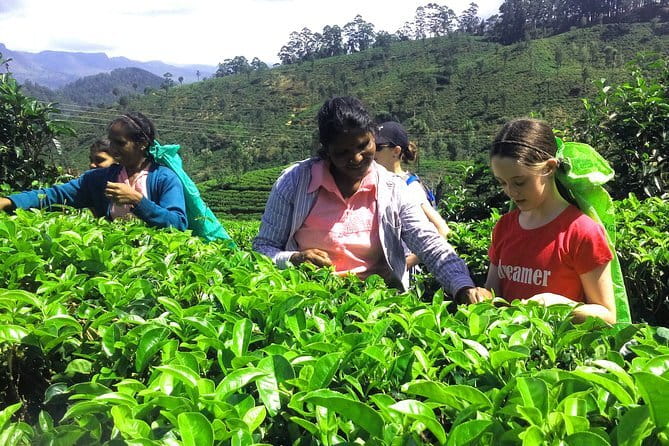
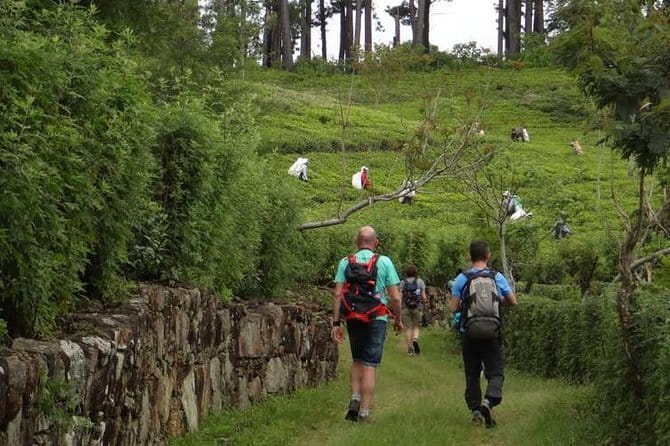
Even though the itinerary names Haputale as the stop, what you’ll actually feel is a continuous tea-estate experience: walking estate paths with wide views and repeated moments to look down rows of tea plants as you move.
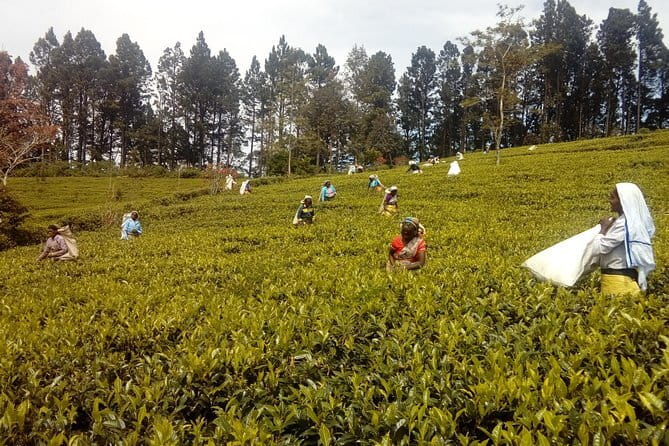
You’ll spend time where tea ladies are working—described as plucking tea from 8 am to 4 pm, rain or shine. That’s not just a neat fact; it sets expectations. You’re not arriving at a staged moment. You’re visiting at a time when plantation work is still part of the day. When you join the picking, it makes more sense because you’re learning within the flow of ongoing work.
What to watch for during the trek:
- How the tea leaves are gathered from the plant (you’ll get guidance from your guide while you’re in the rows)
- How the terrain shapes the pace (tea hills can be steep in places)
- How the view changes as you move (the panoramic angles are better the longer you’re walking, not just at the start)
A small consideration: because it’s a real walk in working tea country, you’ll feel the terrain. You don’t need to be an athlete, but comfortable shoes and steady footing matter more than you might expect.
Tea picking with local women: what you’ll learn and how to make it meaningful
The highlight here isn’t just seeing tea. It’s joining tea picking. That’s where the day becomes personal and memorable, because you’re using your hands and matching a technique you’re learning on the spot.
When tea ladies are picking all day, your guide can help you understand the process in a practical way: what leaves are chosen, how the picking is done, and why it matters. You’ll also learn enough to make your next cup taste more intentional, since you can connect your sip to the work that produced it.
If you want to get the most out of this part, ask simple questions as you go:
- What do people focus on while picking?
- How does the day’s pace work from morning into afternoon?
- What’s the difference between a quick look at tea and learning it properly?
The tour reports mention guides with excellent English, and that’s important here. Tea picking is hands-on, but understanding the explanations turns it from a fun activity into real context.
Also, be ready for a bit of uneven movement. Tea rows are close, so you’ll want to step carefully, keep your balance, and avoid rushing just to keep up.
The picnic lunch: included, timed for the middle of the day

Lunch is included, and it’s planned during the walking portion rather than after you’ve already tired out. That’s a smart use of time. You’re surrounded by the plantation setting while you eat, which makes the break feel like part of the day instead of a pause between separate activities.
The picnic is described as good in the experience reports, and that matches the general logic of a well-run trekking day: you want food that’s easy to eat outdoors without turning the day into a logistics problem.
Practical advice for your picnic portion:
- Bring sun protection even if the forecast looks mixed. Tea estates can mean exposed spots.
- If you get cold quickly, consider a light layer. Hills can cool down faster than you expect.
- Use your guide’s suggestions on what to wear and bring, since you’re walking for hours.
One key point: the tour includes bottled water. If you prefer extra drinks, factor that into your budget since additional food and drinks are not included unless specified.
The tea cup at home: a cultural moment that adds context

The tour overview mentions an opportunity to enjoy a cup of tea in a tea picker home. This is the kind of small cultural stop that can make the whole day click, because you connect the work in the rows to the way tea is served at home.
You don’t need to treat it like a formal lesson. It’s more like a quiet understanding moment: you see how tea fits into daily life, not just tourist shopping.
Because details beyond the tea cup are not spelled out, keep your expectations flexible. Still, this is a meaningful add-on if you want your tea experience to feel connected to real people and real routines.
Pickup, private group, and mobile ticket: the details that reduce hassle
This is a private tour/activity, meaning it’s only your group participating. That usually translates into less waiting, more flexibility with pace, and more chances to ask questions without feeling rushed.
Pickup is offered, and the start point is Bandarawela. You also get a mobile ticket, which is convenient when you’re switching between train rides, hotels, and local transport.
Two things to plan around:
- Your day starts at 9:00 am, so don’t schedule a late morning plan on departure day.
- The tour ends in Haputale, not Ella. If you want to return toward Ella, the train option is mentioned, but you’ll need to coordinate your timing once you’re in Haputale town.
Who should book this tea plantation trek (and who should pass)
This tour is best for people who want an active introduction to Sri Lanka’s tea culture. If you like walking, learning how something is made, and seeing the people who make it happen, you’ll enjoy it.
It’s also a good fit if:
- You’re staying in or near Bandarawela and want an easy, structured day
- You want a day that ends in Haputale town so you can travel onward by train
- You like small-group attention from a guide who can explain what you’re seeing
Who should reconsider:
- You’re not comfortable with a moderate walking hike (moderate physical fitness is required)
- You’re sensitive to weather changes. Tea work happens rain or shine, and the day is built around that reality.
For families: children must be accompanied by an adult. That’s helpful, but you’ll still want to judge whether kids can handle 4–5 hours of walking on tea-estate ground.
Weather, footwear, and comfort tips that matter in tea country
Tea country can be dramatic fast—clouds, mist, and rain can roll in. Since tea ladies pick rain or shine, expect the experience to continue even when the sky is less cooperative.
So pack and wear smart:
- Comfortable walking shoes with grip
- A light rain layer or poncho
- Sun protection (hat and sunscreen)
- A small towel or wipe if your clothes get damp
Keep your pace steady. Tea estate trails are often easier when you slow down and focus on footing rather than trying to match someone else’s stride.
And bring a flexible attitude. If it’s misty, views may be softer in the moment, but the walk still shows you the work and the texture of tea country.
Should you book this Trekking & Picnic in the Tea Plantation?
Book it if you want more than tea tasting. This tour gives you the core ingredient: walking through tea estates, joining the picking process, and sitting down for lunch in the middle of it. The views are a major payoff, and the experience reports highlight guides who are friendly, professional, and able to explain things clearly in English.
Skip it if you only want a quick photo stop or if long walking time is a dealbreaker for you. It’s not a short stroll. It’s a day built around moving through working tea country.
If you’re planning a route that includes Haputale and you like the idea of finishing in Haputale town for onward travel, this is a strong match. You’ll get a structured, guided experience that turns tea culture into something you can picture long after you leave the rows behind.
FAQ
How long is the tea plantation trekking and picnic?
It runs for about 6 hours (approx.).
Where does the tour start and end?
It starts in Bandarawela, Sri Lanka, and ends in Haputale, Sri Lanka.
What time does the tour begin?
Start time is 9:00 am.
Is pickup included?
Pickup is offered.
What’s included in the price?
A professional guide, lunch, bottled water, and all fees and taxes are included.
Is lunch provided?
Yes, lunch is included as part of the picnic.
Can I see tea ladies picking tea during the tour?
You can see tea ladies plucking tea from 8 am to 4 pm, rain or shine, as part of the plantation experience.
Is this tour private?
Yes. It’s a private tour/activity, with only your group participating.
Is the trek suitable for kids?
Children must be accompanied by an adult.
What if the weather turns bad?
Tea ladies pick rain or shine, and the tour is built around that. You should still be prepared for changing conditions.