REVIEW · SANTA MARTA
Santa Marta: Trekking in Minca Complete Waterfall Circuit
Book on GetYourGuide →Operated by Macondo Project Tourism · Bookable on GetYourGuide
Waterfalls are calling from Minca. This circuit blends jungle trekking with culture, viewpoints, and time at multiple falls for a full mountain day.
I love the guide-led nature lessons—indigenous plants, sustainable farming, and the coffee/cacao story that shaped this area. I also love the pace: enough stops to learn and take photos, without turning it into a long, slow grind.
One thing to consider is that trail conditions can change fast in Minca. Rivers can rise and paths can get tricky, so you’ll need to be flexible and pack for muddy, wet hiking.
In This Review
- Key highlights worth knowing before you go
- The Minca waterfall circuit’s big appeal: more than just walking
- Your day on the ground: how the route flows
- Traditional village stop: the cultural grounding before the jungle gets real
- Oído del Mundo waterfall: sound, mist, and a proper photo pause
- The guided trail in between: plant spotting and practical farming stories
- Marinka Waterfalls: longer time, more water reality
- Viewpoints and the quiet payoff: why the circuit feels worth the effort
- Price and value: is $49 a fair deal for this kind of day?
- Safety, gear, and the small decisions that make the hike better
- Who this trek fits best (and who should skip it)
- Should you book the Santa Marta trek in Minca for waterfalls and culture?
- FAQ
- How long is the Minca waterfall circuit?
- Where do we meet for the trek?
- What’s included in the price?
- What should I bring for a day with waterfalls?
- Is there a Plan B if weather or trails change?
- What’s the cancellation rule for a full refund?
Key highlights worth knowing before you go
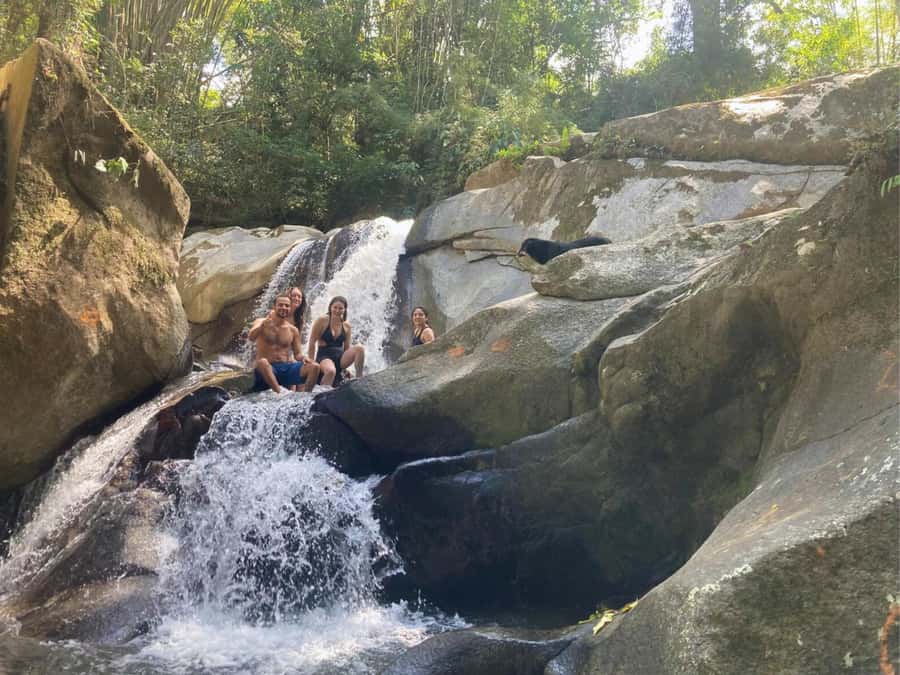
- Oído del Mundo: a dedicated photo stop where the mist and sound make the rainforest feel close
- Marinka Waterfalls: longer guided time at the falls for more breathing room and pool time
- Indigenous plants + sustainable farming: explanations you can actually use to spot what you’re walking past
- Coffee and cacao history: a clear story of how those crops changed life in the mountains
- Plan B routing: the operator adapts if rivers rise or trails become impassable
- Refreshment at a secret waterfall: bring swimwear because the water is part of the experience
The Minca waterfall circuit’s big appeal: more than just walking
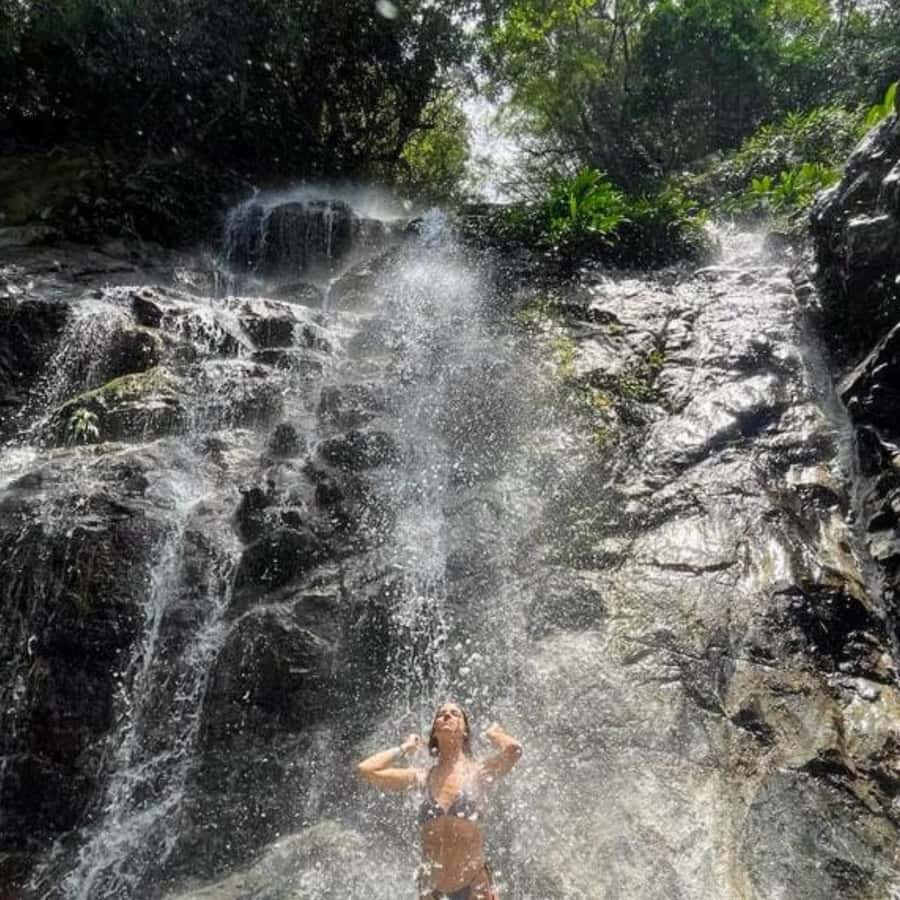
This trek works because it’s not only about reaching a waterfall. It’s about the way you get there—moving along ancestral and ecological trails through thick forest, learning as you go, and then collecting waterfall moments at different angles and stages of the walk.
The altitude is fairly gentle for this kind of day—around 600 to 700 m (some info lists up to 800 m). So you’re not dealing with high-altitude breathing issues. The challenge comes from terrain: the route is described as medium to medium-high, and it’s about steady hiking over natural ground that can get slippery.
What really sells the experience is how the guide frames the place. You’re hearing stories that connect indigenous traditions and local legends to the land you’re walking on. Guides like Laura, Dan, Mario, and John come up in the mix, and the common thread is clear: they don’t just point at things; they explain why they matter, from plant uses to the way farming works in the Sierra Nevada area.
You can also read our reviews of more tours and experiences in Santa Marta.

Your day on the ground: how the route flows
You start at Minca Main Park, where the guide meets you. If pickup is offered for your option, you can arrange a private driver to meet you where you tell them—useful if you’re coming in from Santa Marta and don’t want to think about local transport.
The total time is listed as 5 to 7 hours, though one note suggests around 4 to 5 hours. In practice, expect something in that range depending on weather, trail passability, and how long you spend at the falls and viewpoints. Either way, you’re looking at a true half-to-full day hike, not a quick stroll.
The walk itself is about 8 km approx and features a mix of short sections and longer stretches. You’ll move through:
- a traditional village stop (time to see and learn, not just pass through)
- guided interpretation in and around the jungle trails
- photo and walking time at Oído del Mundo
- a longer guided segment at Marinka Waterfalls
- additional guided walking before your drop-off back toward Minca or Santa Marta
Traditional village stop: the cultural grounding before the jungle gets real
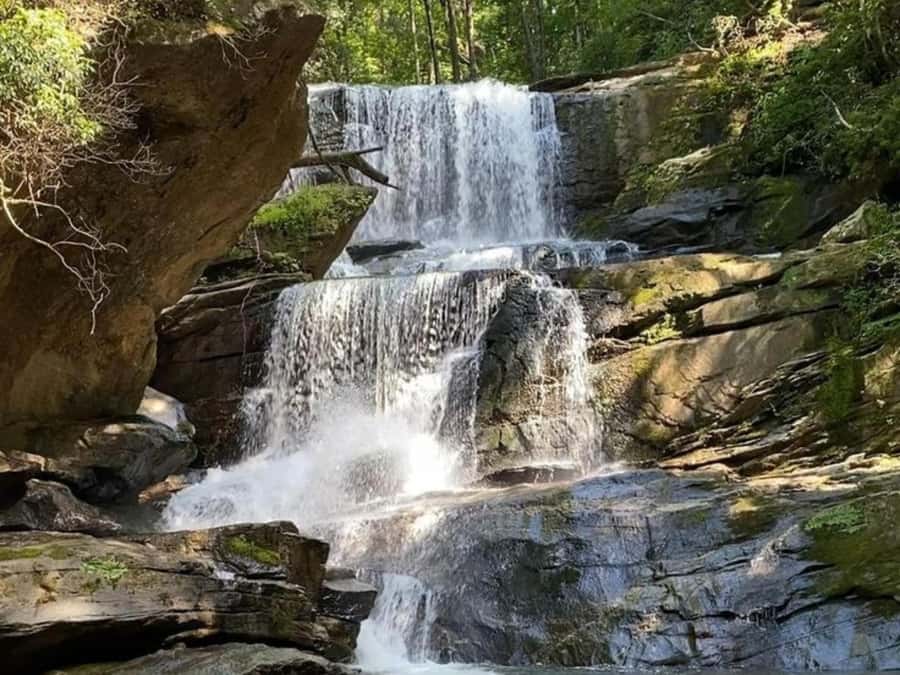
Before you’re deep in waterfalls and mist, you get a traditional village visit and sightseeing stop (about an hour). This matters more than it sounds. In Minca, the forest isn’t a background—it’s part of how people live, farm, and remember their roots.
You’ll hear how this area evolved from an ancestral settlement into a mountain community and how it became tied to the land. That context changes the hike. When the guide talks about plant uses and farming practices, you’re not receiving facts in a vacuum—you’re understanding them as part of daily life here.
It’s also where the route starts to connect to the larger regional story: the coffee and cacao history. The tour includes this theme throughout, and the coffee/cacao arrival story is often one of the highlights when guides explain what changed economically and culturally as those crops came into the mountains.
Oído del Mundo waterfall: sound, mist, and a proper photo pause
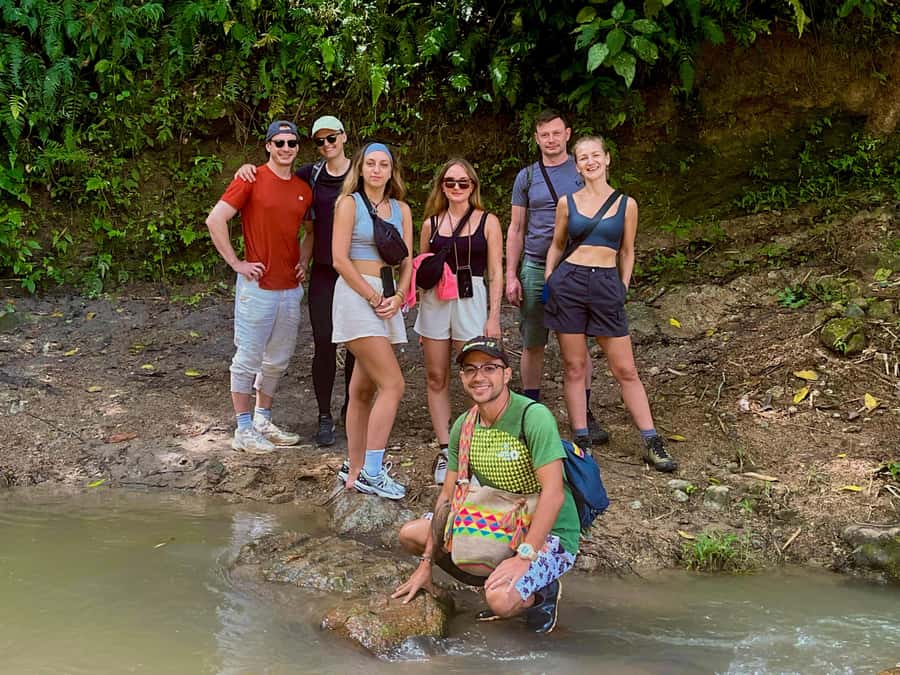
Next comes Oído del Mundo Waterfall, with a photo stop around 45 minutes. This is the part of the trek where the pacing makes sense. You’re not rushing through. You get time to stand near the falls, take photos, and absorb the sensory reality of the rainforest—sound first, then the way the light changes around water.
Even if you’re not a waterfall “swimmer,” this stop is useful. It gives you a reset point in the middle of the day’s exertion, and it’s a good place to decide what you want from the later Marinka time: more water time, more photos, or just a slower sit while the rainforest does its thing.
One practical note: the tour is designed for moving rivers and changing trails. Falls areas can be slippery, and conditions can vary. Treat this as a stomp carefully moment, not a sandals-and-sun moment.
The guided trail in between: plant spotting and practical farming stories
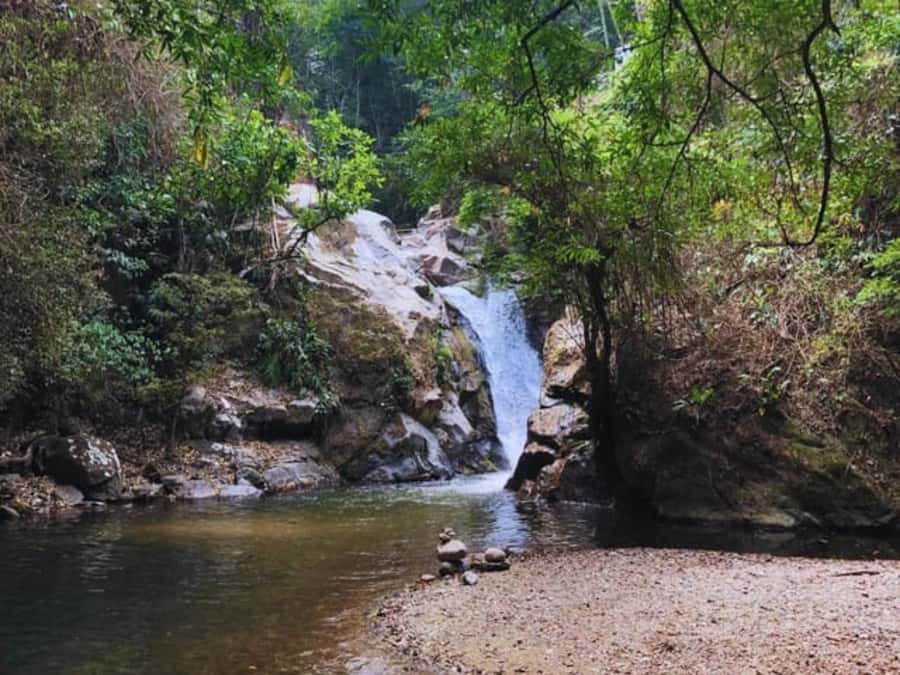
Between waterfall stops, the schedule includes guided segments totaling around an hour plus additional time. This is where the tour becomes educational in a way that doesn’t feel like a classroom.
You learn about indigenous plants and the traditional sacred-plant context that helped create spiritual ties between people and nature. You also hear about sustainable farming practices, which connects back to what you’ll see in the village area and what you understand by the time you’re on the trails.
If you’ve ever done a hike where you’re basically told to enjoy the view, this part is different. Here, the guide is giving you tools to read the forest: what you might be looking at, why it’s important, and how local farming fits into the same system.
And because this is Minca, biodiversity is the point. Expect birdsong, tree canopy energy, and that sense that every curve has something going on—especially when the guide calls out specific plants.
Marinka Waterfalls: longer time, more water reality
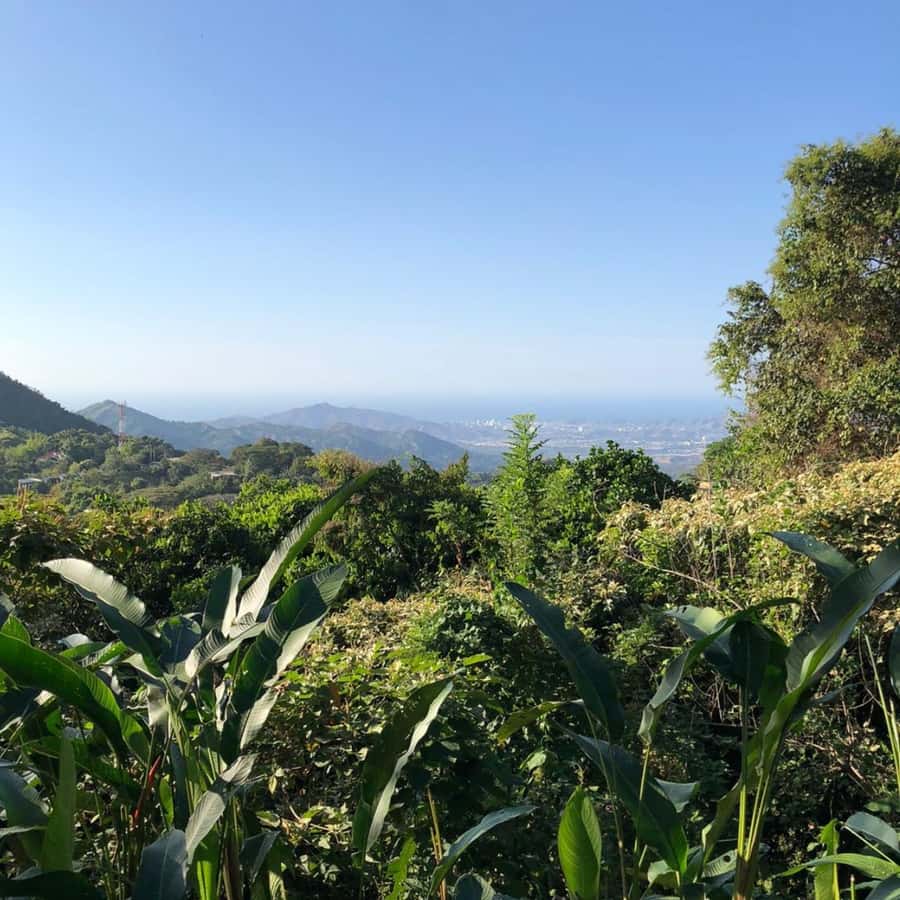
Marinka Waterfalls is your bigger waterfall block, with about 2 hours of guided time. This is where the circuit shifts from quick stops to a more full experience.
Two hours gives you flexibility:
- you can move around and explore viewpoints in the area
- you can take time to rest
- you can spend time near water features without feeling rushed
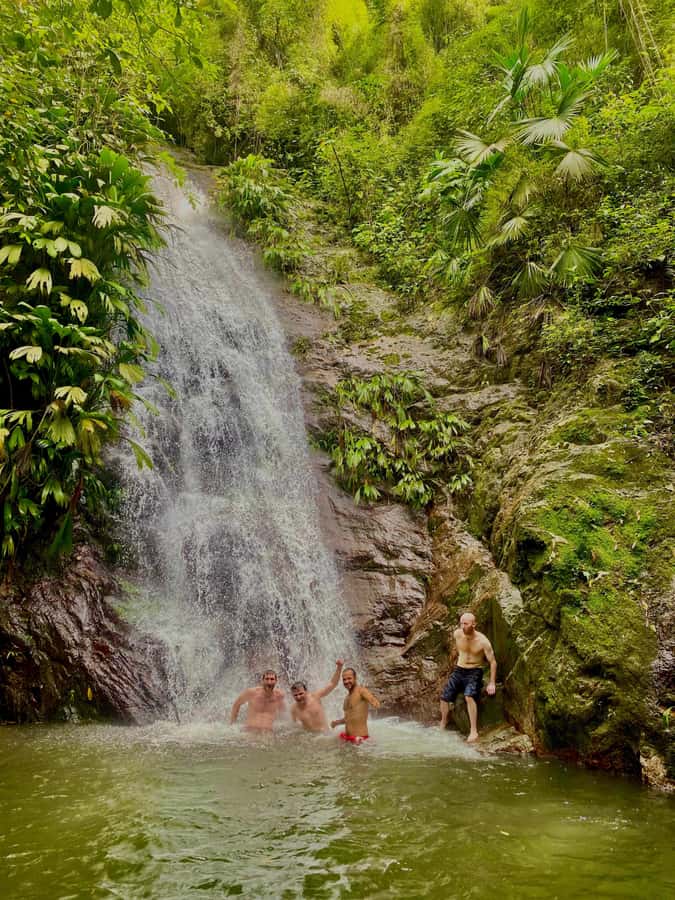
Bring swimwear for a reason. The tour includes refreshment at a secret, crystal-clear waterfall, and the overall design strongly suggests that water time is part of the plan—not just sightseeing. Even if you don’t go in, being prepared keeps the day from feeling frustratingly restrictive.
Also, plan for wet ground. Mud and slick rock aren’t “maybe” in Minca—they’re part of the package. Good hiking shoes matter.
Viewpoints and the quiet payoff: why the circuit feels worth the effort
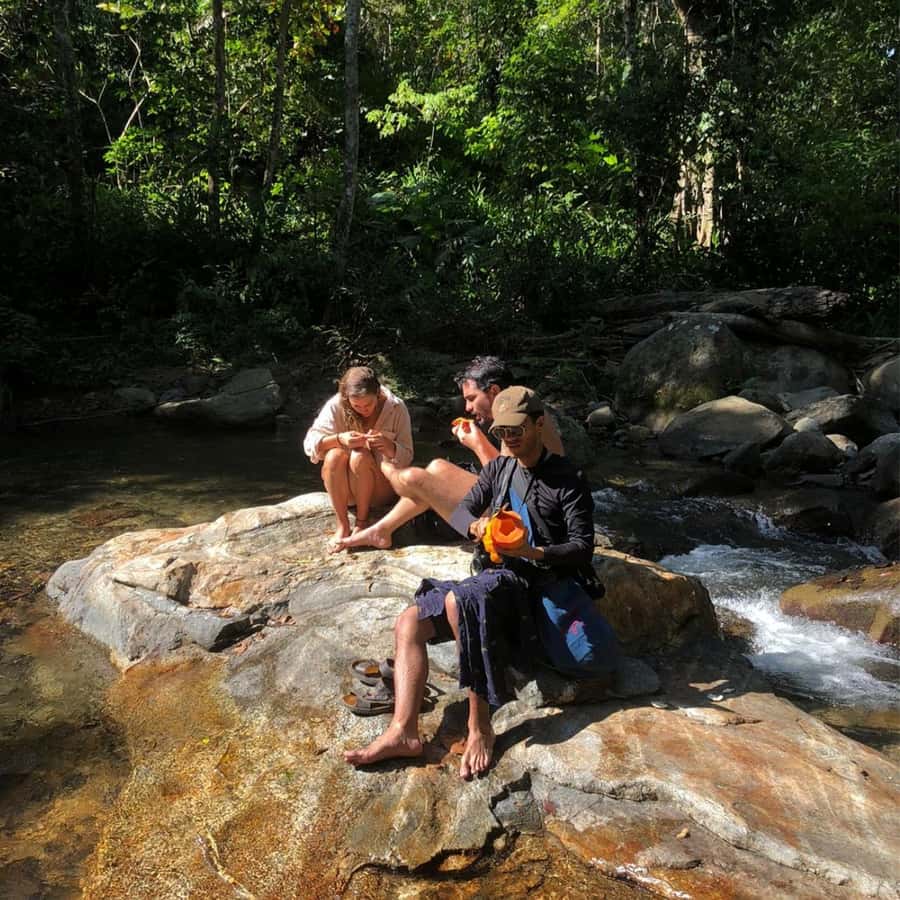
The route includes stops at local viewpoints, plus multiple guided interpretation breaks. The point of these moments isn’t just photos for Instagram (though yes, you’ll want them). It’s to give you altitude and perspective—especially when you’ve been focused on footing in the forest.
These viewpoint pauses also help you pace the day. After an intense segment, a change in scenery resets your body, and you’re able to look back at what you walked through. It makes the 8 km feel like a circuit with story beats instead of one long line of trail.
And there’s a final “renewal” feeling built in: the day ends with time in a secluded natural setting where you can breathe, refresh, and take in the mountains—basically a quiet landing after a day of sound, mist, and learning.
Price and value: is $49 a fair deal for this kind of day?
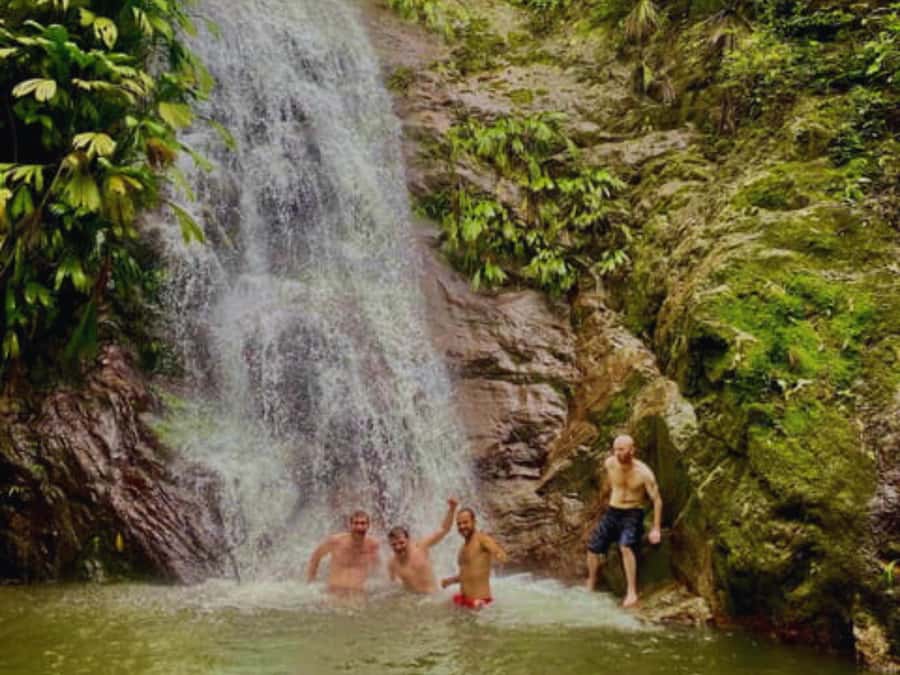
At $49 per person, the price sits in the midrange for guided day hikes in Colombia’s smaller adventure towns. Whether it feels like a great deal depends on two things: the quality of the guide and how much you’ll actually use the included stops.
You’re paying for:
- a local expert for history and biodiversity
- guided hiking along indigenous and local trails
- visits to hidden waterfalls
- viewpoint stops
- refreshment at a waterfall setting
- insurance coverage during the activity
That’s a lot more than a basic hike. It’s also not just a single waterfall photo op. You get multiple waterfall moments, plus cultural and ecology interpretation, plus built-in adaptation (Plan B) if the weather doesn’t cooperate.
Now, one realistic caveat: some people think the price is steep for what they see as a walk on public paths. If you’re the type who values instruction and context, this price usually feels fair because it’s not only about scenery—it’s about the story and the safety of having someone guide you through trail dynamics.
For best value, go in with the right mindset. If your goal is to learn how people connect farming, plants, and sacred traditions to the land while also getting real waterfall time, you’ll feel like you got your money’s worth.
Safety, gear, and the small decisions that make the hike better
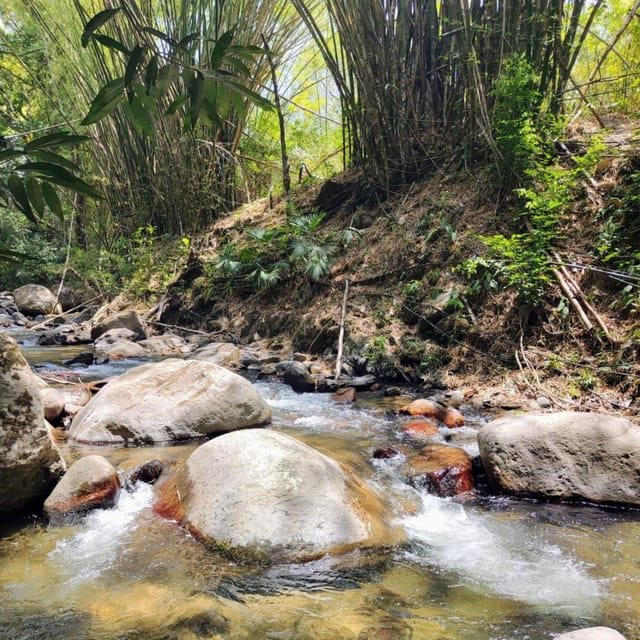
Minca nature can shift overnight. The tour explicitly notes that rivers may rise suddenly and trails may become impassable, which is why they keep a Plan B prepared. That’s a good sign. It means you’re not stuck with a stubborn itinerary when the mountain changes its mind.
Guides prioritize safety and are trained in first aid, and there’s insurance coverage during the activity. Still, your part matters. This is a medium-high hiking day, so you should treat it like one.
Bring:
- swimwear (water access is part of the experience)
- change of clothes
- hiking shoes
- sunscreen + hat
- insect repellent
- water bottle (the tour doesn’t include drinks)
- clothes that can get dirty
- weather-appropriate clothing, and consider a light rain layer
Not allowed: weapons/sharp objects, alcohol and drugs.
One small planning tip: pack your clothes so you can change quickly after waterfall time. Wet + cold can ruin a great day, and the tour can include secret waterfall refreshment where you’ll likely want to rinse off.
Who this trek fits best (and who should skip it)
This hike is a good match if you want:
- guided interpretation of plants, farming, and indigenous traditions
- multiple waterfall stops rather than one
- a day that mixes culture and nature without being overly formal
- a route with flexibility for weather (Plan B)
It’s not ideal for everyone. The tour notes it may not be suitable for pregnant women, wheelchair users, and people with respiratory issues. If you’re managing any health limits, use this info to decide carefully—this is not an easy flat walk.
If you’re an experienced hiker, the medium-high label will feel accurate. If you’re a newer hiker, you can still do it, but don’t underestimate slick footing and sustained forest walking.
Should you book the Santa Marta trek in Minca for waterfalls and culture?
Book it if you want a guided day where the waterfalls are real, the pace has breathing room, and the guide explains how indigenous plant knowledge and sustainable farming connect to daily life in the Sierra Nevada area. With guides like Laura, Dan, Mario, and John showing up in the story, the best-case outcome is strong: you come away with photos and facts you can repeat later.
Skip it if you only want scenery with minimal learning, or if you get frustrated by trail changes and wetter conditions. The circuit is designed to adapt, but that means the day is never fully scripted.
If you’re somewhere in the middle, you’ll probably love it—just come prepared for mud, pack swimwear, and let the guide lead.
FAQ
How long is the Minca waterfall circuit?
The activity is listed as 5 to 7 hours. Some info also says the tour lasts approximately 4 to 5 hours, so expect a half-to-full day depending on conditions and stops.
Where do we meet for the trek?
The meeting point is Minca Main Park. Your guide will be waiting there.
What’s included in the price?
You get a guided trek with a local expert covering Minca’s history and biodiversity, visits to hidden waterfalls, jungle trail walking, viewpoint stops, refreshment at a secret crystal-clear waterfall, and insurance coverage during the activity.
What should I bring for a day with waterfalls?
Bring swimwear, a change of clothes, hiking shoes, sunscreen, insect repellent, comfortable clothes that can get dirty, and plenty of water. A weather-appropriate layer (like a light rain jacket) is also a smart idea.
Is there a Plan B if weather or trails change?
Yes. The tour specifically notes that rivers can rise and trails can become impassable, and they always have a Plan B with an equally stunning alternative route.
What’s the cancellation rule for a full refund?
The tour offers free cancellation up to 24 hours in advance for a full refund. If you cancel within 24 hours, the refund policy is not full.