REVIEW · POKHARA
Kathmandu: 9-Day Annapurna Circuit Trek via Thorong La Pass
Book on GetYourGuide →Operated by MTA Trekking Pvt. Ltd. · Bookable on GetYourGuide
Thorong La at 5,416m turns effort into payoff. This 9-day Annapurna Circuit trek links lush valleys, Bhote villages, and Tibetan-style settlements, then lands you in the sacred calm of Muktinath. I like that the route builds naturally toward the high pass, instead of throwing you straight into altitude.
Two things I’d circle fast: the acclimatization in Manang (with an optional hike to a glacier area), and the way your guide keeps the day-to-day trek practical. In the same group style, I saw names like Parkash and Sishir credited for caring attention on tough moments, including extra checking in and support with pacing. One consideration: the big pass day is truly long and cold, and tea house bedding can be basic, so you’ll want a serious sleeping setup.
In This Review
- Key Things To Know Before You Go
- First Steps: Kathmandu to Dharapani and the Feeling of Nepal
- Dharapani to Chame: Bhote Villages, Forest Air, and Your First Real Trek Day
- Upper Pisang: The Stop Where Views Feel Close
- Upper Pisang to Manang: Big Peak Views and a Proper Acclimatization Setup
- Manang (4,050 m) Acclimatization Day: Don’t Skip the Rest
- Yak Kharka: The Shorter Hike That Makes Tomorrow Possible
- Thorong Phedi: Staging for the Pass and a Night You’ll Remember
- Thorong La Crossing to Muktinath: Early Climb, Long Descent, Deep Meaning
- How Tea Houses and Meals Really Work at Altitude
- Transportation and Organization: Where Stress Gets Cut
- What You’ll Need to Bring (So Thorong La Doesn’t Beat You Twice)
- Best Season, Weather Reality, and Training for 5,416 m
- Value Check: What This Includes (and What You’ll Still Plan For)
- Should You Book This 9-Day Annapurna Circuit via Thorong La Pass?
- FAQ
- What is the highest point on this trek?
- How many days is the Annapurna Circuit trek via Thorong La Pass?
- What time do you cross Thorong La Pass?
- What kind of accommodation do you get during the trek?
- Are meals included?
- Is there an acclimatization day in Manang?
- What’s not included in the trip?
- When is the best time to go, and when should you avoid it?
Key Things To Know Before You Go
- Thorong La crossing is an early start: plan for a pre-dawn push (around 4:00 AM) so you’re over the pass before strong winds tend to rise.
- Manang builds your altitude tolerance: you get a full acclimatization day at 4,050 m, not just a forced march.
- Upper Pisang is a highlight stop: a picture-perfect village with strong mountain views and time to meet locals.
- Teahouses mean simple comforts: expect basic rooms and meals—warm layers matter more than creature comforts.
- Muktinath mixes cultures: the temple is a pilgrimage site for both Hindus and Buddhists, which adds meaning after the hard climb.
- You’ll pay extra for a couple extras: optional hot springs can involve taxi costs (about USD 50), and a porter costs extra if you want one.
First Steps: Kathmandu to Dharapani and the Feeling of Nepal
Day 1 is about getting your legs ready without grinding them. You’ll be picked up early, then travel by public bus to Besisahar (about 175 km total driving that’s typically 7–8 hours). From there, you hop on a shared jeep to Dharapani, riding through terraced fields and village life as Himalayan peaks peek in and out on the horizon.
This is a good design for first-timers. You’re not trekking yet, but you’re already in the rhythm of the region—slow roads, slow views, and that sense that the trek starts before your first footprint. I also like that your first night is at a cozy teahouse, because it eases you into the basic routine you’ll follow all week.
One practical note: you’ll want to treat this driving day like a warm-up, not a reset. Keep your layers accessible and your water habits steady, because once you start walking, you don’t want day-one dehydration sneaking up on you.
You can also read our reviews of more tours and experiences in Pokhara.
Dharapani to Chame: Bhote Villages, Forest Air, and Your First Real Trek Day
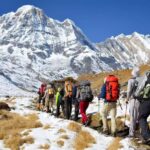
Day 2 begins trekking from Dharapani to Chame: about 6 hours and roughly 13 km, climbing to around 2,670 m. The route moves through Bhote villages, then into pine and oak forest. You’ll also walk open stretches where streams and distant mountains become constant companions.
This is the day I’d call your confidence-builder. The hiking isn’t short, but it’s paced well enough to let you figure out your breathing, your shoe comfort, and how your body handles sustained walking. Tea house time in Chame also gives you a clear rhythm: walk, rest, eat, sleep, repeat.
Drawback to consider: forested trails can feel chilly, especially with morning shade. Pack for wind and cool air, even if the midday sun looks friendly.
Upper Pisang: The Stop Where Views Feel Close
Day 3 goes from Chame to Upper Pisang. Expect 5–6 hours and about 15 km, rising to around 3,200 m. You’ll climb steadily toward Upper Pisang via Bhratang Valley, with time to stop for mountain views that feel more direct as altitude creeps up.
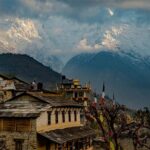
Upper Pisang is also a culture stop. You’ll have time to explore the village, meet locals, and get a feel for the Himalayan way of life that changes as you go higher—different building styles, different daily routines, and different kinds of community hospitality.
What I like here is the balance: it’s not just “walk and sleep.” You get a meaningful pause, and that helps keep morale strong before the route hits higher, thinner air.
Upper Pisang to Manang: Big Peak Views and a Proper Acclimatization Setup
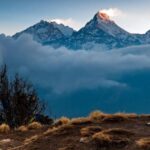
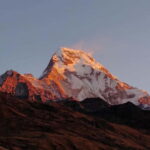
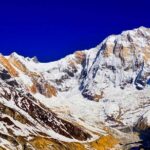
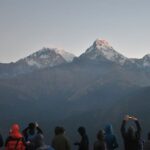
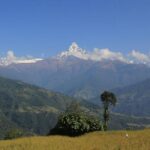
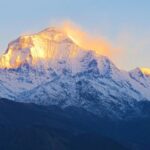
Day 4 takes you Upper Pisang to Manang: about 5–6 hours, roughly 16 km, climbing to around 3,540 m. The trail runs through forests and valleys, then opens into wide views. You’ll see famous peak angles from the path—Tilicho Peak, Annapurna III, and Annapurna IV.
Reaching Manang at 3,540 m matters, because Day 5 is your altitude buffer. If you rush Manang, you pay for it later. If you respect it, your pass-day odds improve.
Manang is also where tea houses feel more established. You’ll still be in simple lodging, but you’ll notice more trek infrastructure—more menu choices, more trekkers moving through, and a clearer sense that you’re in the high-altitude zone now.
Manang (4,050 m) Acclimatization Day: Don’t Skip the Rest
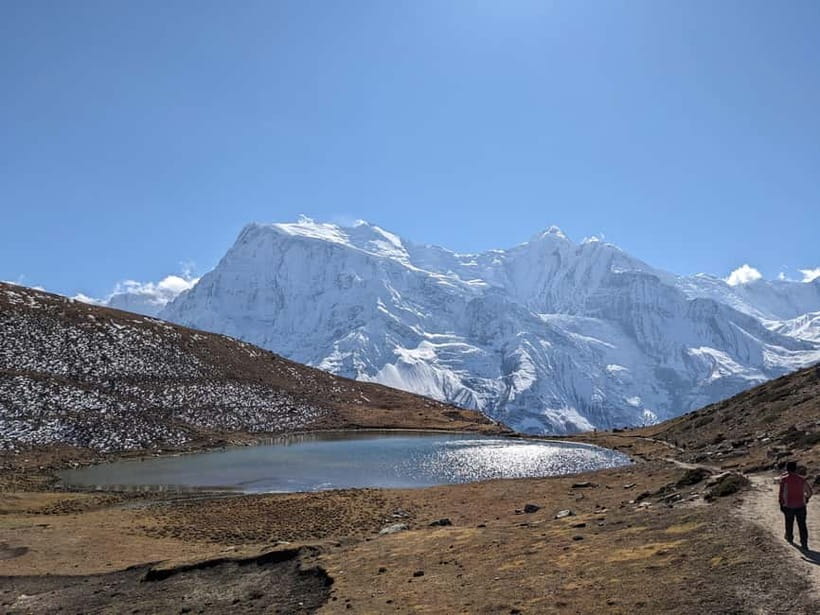
Day 5 is built for recovery and altitude adjustment at about 4,050 m. Today isn’t about big distance—it’s about letting your body adapt. If you’re up for it, there’s an optional hike to Gangapurna Glacier Lake or nearby icefalls for stunning mountain views.
I really like that the plan gives you a choice. If you feel great, you can add a short adventure. If you feel off, you can stay sensible and focus on rest. Either way, you’re doing the smart thing for Thorong La.
Tip for this day: treat hydration and pacing like a priority, not an afterthought. You’re at altitude, so your “small” mistakes—going too hard, not drinking enough—show up faster.
Yak Kharka: The Shorter Hike That Makes Tomorrow Possible
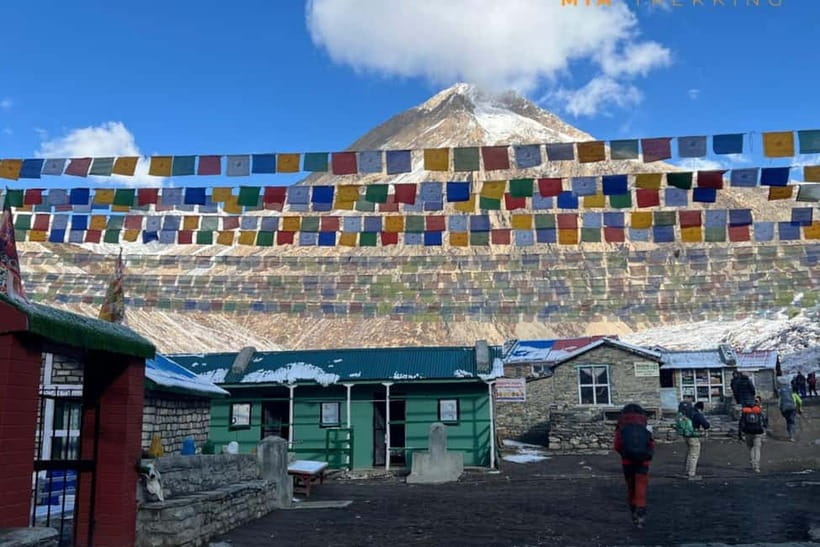
Day 6 goes from Manang to Yak Kharka: about 4 hours, roughly 7 km, with arrival around 4,050 m. This shorter push is intentional. You adjust further without exhausting yourself before the pass base.
The trail here moves through alpine pastures with sweeping mountain views. It’s a colder, windier feel than lower days, so your layers need to work hard. The tea house at Yak Kharka becomes your unwind stop—eat, rest, and keep sleep realistic.
This is also where you start noticing how your body responds to cold at night. Even if the day feels manageable, evenings at these elevations can tighten everything up.
Thorong Phedi: Staging for the Pass and a Night You’ll Remember
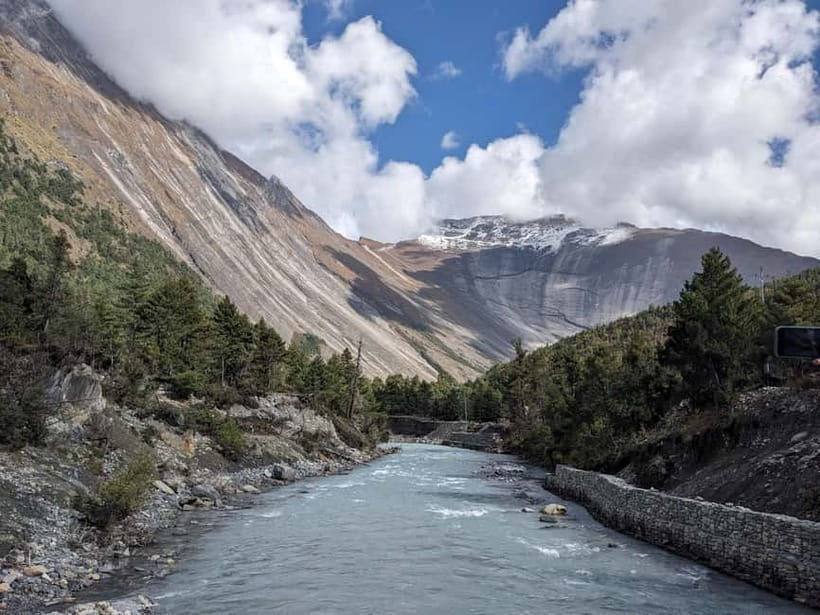
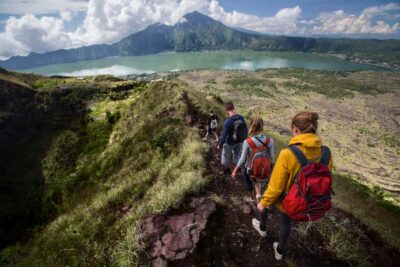
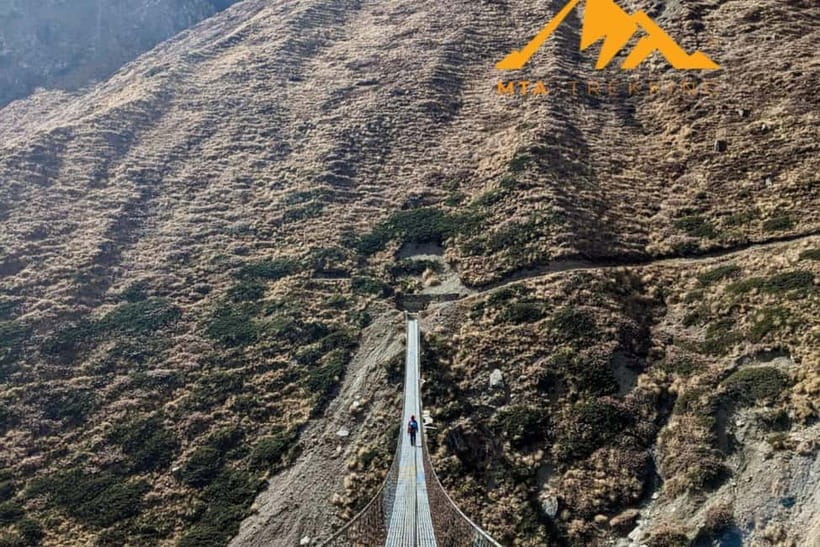
Day 7 takes you from Yak Kharka to Thorong Phedi: 4–5 hours, around 6 km, climbing to about 4,450 m. You’ll cross rocky paths and suspension bridges on the way. This is the “get ready” day—more about positioning than speed.
Thorong Phedi is where you set up your pass morning. I suggest you take the evening seriously: review your layers, keep your headlamp or flashlight accessible if you have one, and avoid getting too full. You want to sleep, not wrestle your stomach.
This is where good guiding shows up. Guides like Sishir and Ramit are mentioned in feedback for checking in on acclimatization and staying hydrated. Even with a strong plan, you still need steady pacing and clear guidance at this stage.
Thorong La Crossing to Muktinath: Early Climb, Long Descent, Deep Meaning
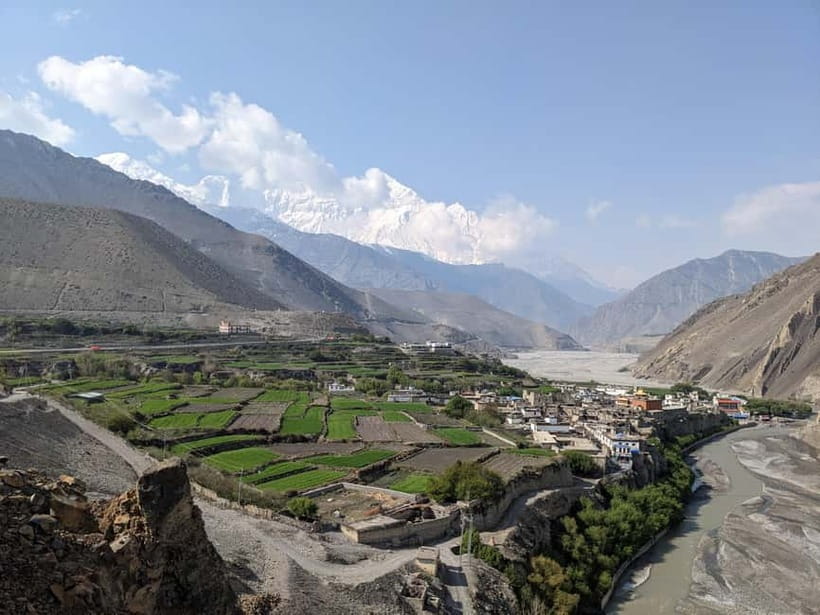
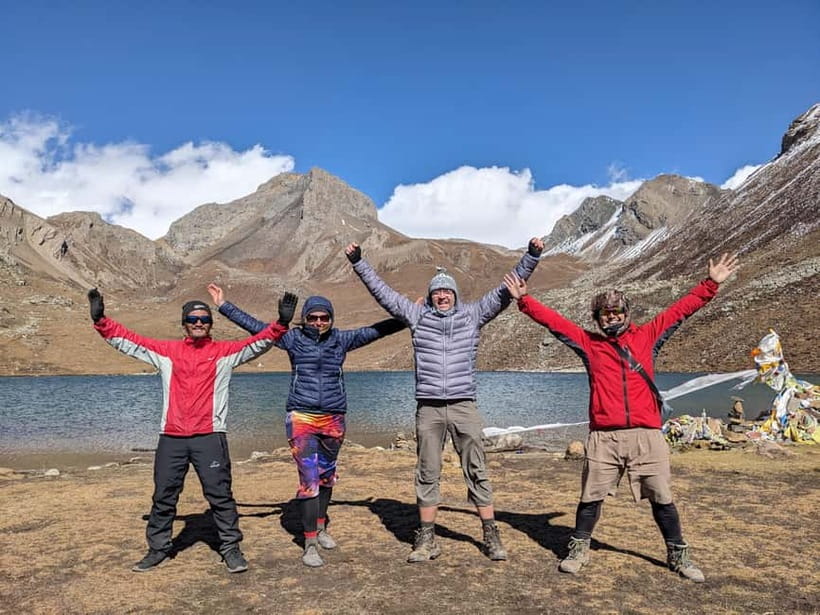
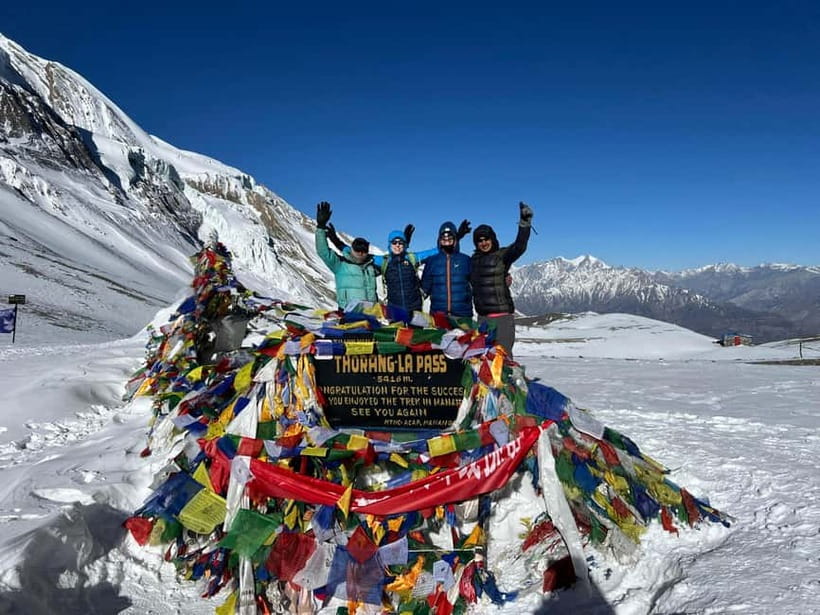
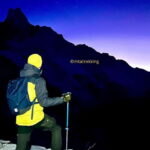
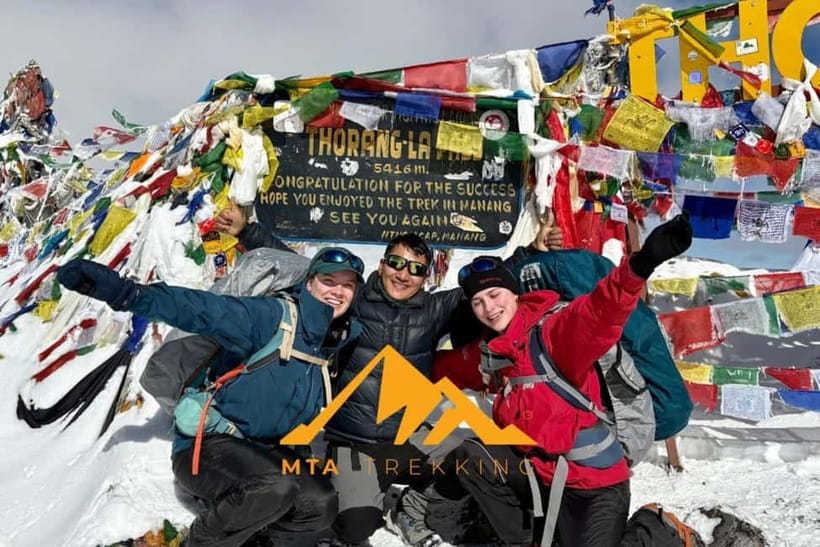
Day 8 is the main event: Thorong Phedi to Muktinath via Thorong La Pass. It’s about a 7–8 hour trek, and you start around 4:00 AM to cross Thorong La (5,416 m) before winds pick up.
The climb is challenging. Going up feels exhausting because your body works harder for every step. The descent can feel even longer, because your legs take over the job and the altitude keeps you from moving with your usual power.
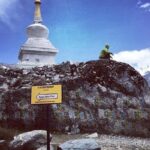
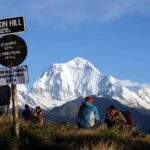
But the payoff is real: wide Himalayan panoramas and prayer flags marking the top. After the hard crossing, you descend steadily to Muktinath, arriving around 12–1 PM for lunch and overnight.
Muktinath adds a spiritual reset. It’s a pilgrimage site for both Hindus and Buddhists, which makes the end of the trek feel more than just “you finished.” You’re walking through a living place, not just scenery.
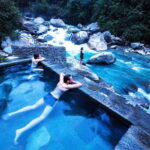
Optional add-on: there’s an option to continue to Tatopani hot springs to relax sore muscles after the pass day. Taxi costs are about USD 50 and are not included, so decide based on how you feel after the descent.
How Tea Houses and Meals Really Work at Altitude
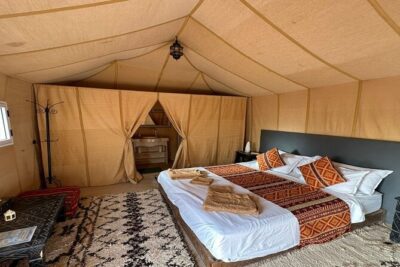
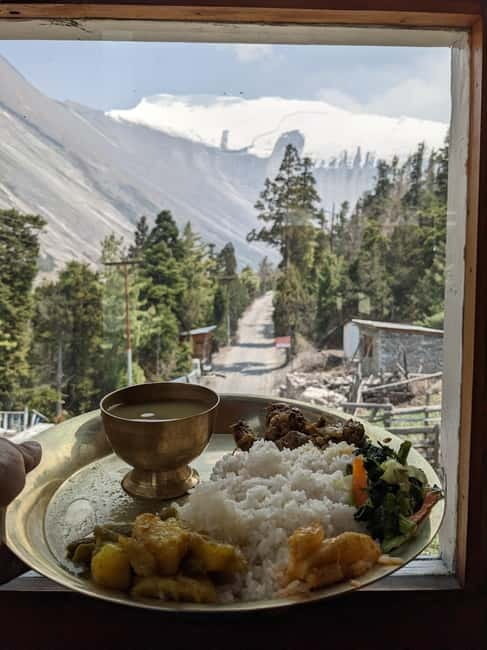
Across the trek you’ll stay in tea houses/lodges for 8 nights, plus one night in Pokhara at a tourist-standard luxury hotel (Hotel Orchid). Meals are included on full package bookings—breakfast, lunch, and dinner—so you’re not constantly negotiating food at higher elevation.
That said, food can be repetitive. I’d expect similar meal types day after day: warm staples meant to keep you going. The upside is predictability, and tea house meals are designed for trekkers who are walking in cold air.
Sleep is the bigger variable. Some places get cold fast. Bring a proper sleeping bag and dress in layers at night. If you show up underprepared, your body will burn energy just staying warm.
Transportation and Organization: Where Stress Gets Cut
This is a private group trek with an authorized English-speaking guide (Hindi also). You’ll get a detailed briefing the day before, and on trek morning your guide picks you up early from your hotel area in Thamel.
Included ground travel is part of why this can feel “hassle-free” compared to self-guided trekking. You’ll go Kathmandu → Besisahar by bus, then Besisahar → Dharapani by shared jeep. At the end, you’ll travel Muktinath → Pokhara by bus (about 5–6 hours, around 110 km).
Also helpful: luggage storage is available. That means you can pack smart for the trek days and avoid hauling extra weight beyond what you need for each stage. If you want a porter, you can arrange one at additional cost—worth considering if you’re worried about heavy loads.
What You’ll Need to Bring (So Thorong La Doesn’t Beat You Twice)
The trek asks for practical gear more than trendy gear. Wear comfortable shoes that you’ve tested. Bring sunglasses and a sun hat, plus sunscreen—high altitude sun is sneaky and strong. Quick-dry clothing helps a lot because conditions can change quickly.
Don’t forget your passport or ID card (a copy is accepted). And if you’re planning to bring a sleeping solution, do it with the cold in mind. Night temperatures at high points aren’t forgiving.
One restriction to note: alcohol and drugs aren’t allowed on the trek. It’s part of keeping you safe and your crew functioning normally in remote areas.
Best Season, Weather Reality, and Training for 5,416 m
Timing changes everything. The best months for clear skies and good visibility are spring (March–May) and autumn (September–November). Spring can be warmer with blooming flowers. Autumn is often the easiest for visibility and temperature balance.
Avoid monsoon trekking (June–August) because of heavy rain and slippery trails. Winter (December–February) can be cold and snowy, with the risk of closures depending on conditions.
Fitness matters here. You need good fitness and ideally prior trekking experience. The trek has long walking hours and you’ll reach up to 5,416 m. Built-in acclimatization helps, but it doesn’t replace being in shape.
Health considerations are serious: this trek isn’t suitable for children under 7, pregnant women, people with altitude sickness, or people with high blood pressure. If any of those apply, you should treat that restriction as non-negotiable.
Value Check: What This Includes (and What You’ll Still Plan For)
There’s a lot packed into the included side. You get hotel pickup/drop-off, a guide with insurance coverage, required permits and paperwork (including TIMS fees), tea house accommodations for 8 nights, and a luxury hotel night in Pokhara plus a farewell Nepali dinner in Lakeside.
Meals are included for full package bookings, and transportation is covered for key legs. You also get luxury tourist AC sofa-seater bus from Pokhara to Kathmandu, which is a real comfort upgrade after days on the move.
What you still need to budget for:
- Travel and rescue insurance (not included)
- Soft and hard drinks
- Personal expenses like phone use, laundry, bar bills, battery recharge, and shower/water-related costs
- Bottled or boiled water and extras
- Porter (optional, additional cost)
- Optional Tatopani taxi (about USD 50)
Even without a stated price in your info, this “what’s included” list suggests you’re paying for guidance, permits, meals (if you choose that package), and logistics. That’s the stuff that can eat your energy if you try to DIY it at high altitude.
Should You Book This 9-Day Annapurna Circuit via Thorong La Pass?
If you want the classic Annapurna Circuit feel and you’re ready for one big day that defines the whole trip, I think this itinerary is a smart match. The route gives you an acclimatization day in Manang, then a realistic staging night at Thorong Phedi before the early pass crossing. That structure is exactly what helps first-timers and careful hikers finish with confidence.
Book it if:
- You’re comfortable with long walking days and cold nights.
- You take acclimatization seriously.
- You want the big, meaningful finish at Muktinath.
Skip or reconsider if:
- You have health risks listed as not suitable (altitude sickness history or high blood pressure, pregnancy, or very young kids).
- You don’t want a demanding pass day at 5,416 m.
- You’re unprepared for cold tea house sleeping conditions.
If you do book, plan your packing like your life depends on it (Thorong La doesn’t care about fashion). Bring the right layers, hydrate consistently, and listen when your guide advises you to take it slower.
FAQ
What is the highest point on this trek?
The highest point is Thorong La Pass at 5,416 meters above sea level.
How many days is the Annapurna Circuit trek via Thorong La Pass?
It’s a 9-day trek total, including travel time between Kathmandu, Pokhara, and the trekking start/end points.
What time do you cross Thorong La Pass?
You start very early, around 4:00 AM, to cross Thorong La Pass before the winds pick up.
What kind of accommodation do you get during the trek?
You stay in tea houses/lodges for 8 nights during the trek, plus 1 night in Pokhara at Hotel Orchid.
Are meals included?
Meals (breakfast, lunch, and dinner) are included during the trek for Full Package bookings.
Is there an acclimatization day in Manang?
Yes. Day 5 is an acclimatization day in Manang at about 4,050 m, with an optional hike to Gangapurna Glacier Lake or nearby icefalls.
What’s not included in the trip?
Not included: soft and hard drinks, travel and rescue insurance, international flights and Nepal visa fee, and personal expenses (phone use, laundry, battery recharge, bottle or boiled water, shower, and similar items). Optional extras like porter service and Tatopani hot springs taxi are also not included.
When is the best time to go, and when should you avoid it?
Spring (March–May) and autumn (September–November) are best for clear skies and great views. Avoid monsoon (June–August) because of heavy rain and slippery trails. Winter (December–February) can be cold and snowy with possible trail closures.