REVIEW · DEMOCRATIC REPUBLIC OF CONGO
Lowland Gorilla trekking in Kahuzi-Biega National Park
Book on Viator →Operated by Ubuntu Voyages · Bookable on Viator
Gorillas in the wild change your sense of scale. This 3-day Eastern lowland gorilla safari in Kahuzi-Biega National Park pairs the main event with border support, optional Bukavu sights, and a stop at the Lwiro Sanctuary for extra context on the region’s biodiversity.
I like that the core logistics are kept simple: the gorilla permit and all transport are included, plus you travel with a professional driver/guide. I also like how the trip is run with a laid-back pace—people describe it as restful, not rushed—and how the staff (including Romy) stay on top of details like border crossing and day-to-day needs.
One consideration: this is a pricey outing at $2,200, and key basics like meals and drinks are not included. You’ll want to budget for food, plus plan for a hike with a moderate fitness level.
In This Review
- Key things to know before you go
- What this trip really gives you: gorillas plus Kivu context
- Getting from Kigali to the border: why this part matters
- The optional Bukavu add-on: cathedral, markets, and Panzi Hospital
- Kahuzi-Biega lowland gorilla trekking: what to expect on trek day
- Rangers, the gorilla family encounter, and time in the forest
- Lwiro Sanctuary: conservation that connects to what you saw
- Ubuntu Voyages support: why guides like Romy get remembered
- Price and value: is $2,200 worth it?
- Day-by-day flow: how your time likely unfolds
- What to pack and how to prepare (so you enjoy the trek)
- Who should book this gorilla safari
- Should you book Lowland Gorilla Trekking in Kahuzi-Biega?
- FAQ
- How long is the lowland gorilla trekking experience in Kahuzi-Biega?
- Where does the tour take place?
- What time does the experience start?
- How much does the tour cost?
- What’s included in the price?
- What isn’t included?
- Do you get help with the border crossing?
- Is pickup offered?
- How many people are in a group?
Key things to know before you go
- Gorilla permit included: You’re not piecing together paperwork on your own.
- Max group size of 5: Better chances for calmer mornings and more personalized guiding.
- Border-crossing support: Assisted formalities at the Cyangugu border help you get your bearings fast.
- Forest trek involves real walking: One review notes about a 90-minute hike through forest conditions.
- Romy on the ground: Guests highlighted Romy’s calm coordination and helpful, patient guidance.
- Bonus culture options: If you arrive early, you can add Bukavu sights like Panzi Hospital and Bralima.
What this trip really gives you: gorillas plus Kivu context
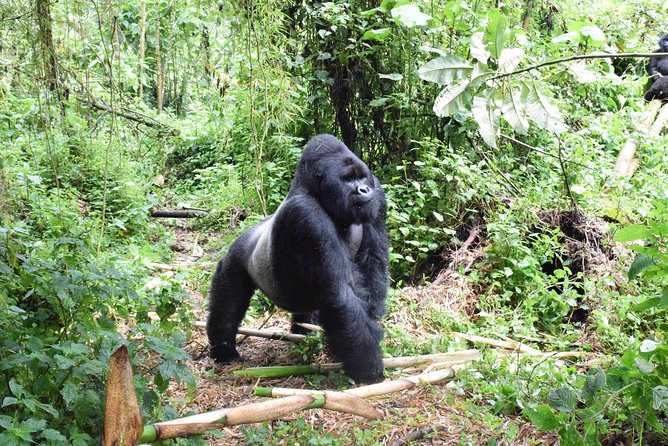
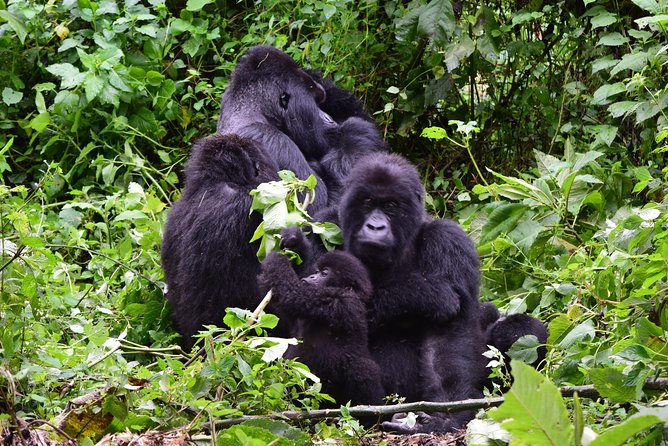
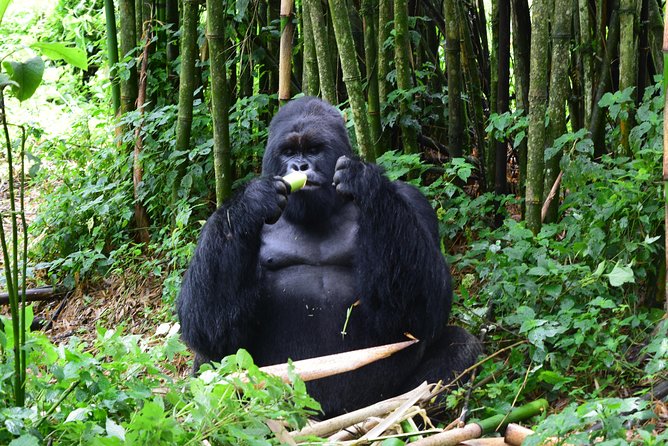
Let’s be honest: the reason most people book a gorilla safari is the same reason you’ll remember it for years. Seeing gorillas in Kahuzi-Biega is the headline moment—close, personal, and in the animal’s own world. This program is built around that central experience, with just enough structure to keep you from feeling stressed.
What makes it more than a one-note wildlife trip is the context. You don’t just arrive, trek, and disappear. You also get time for real-world Kivu life, including an optional Bukavu city tour if your schedule allows. And you add a visit to Lwiro Sanctuary, which matters because it helps you understand the region’s biodiversity and conservation work beyond the trek day.
The other practical win: your travel day starts with a clear meeting time—8:00 am—and the itinerary begins with your arrival at Kigali International Airport. From there, the plan is to move with assistance, starting right away with greetings, briefing, and transfer to the Cyangugu border.
Getting from Kigali to the border: why this part matters
Many gorilla trips fail at the “getting there” stage. Not because the destination is wrong, but because border work can turn into chaos fast. This experience is designed to protect you from that.
After you land at Kigali International Airport, you meet the team for greetings and a briefing. Then you transfer to the Cyangugu border. The big benefit here is that you’re welcomed by staff, assisted through the formalities, and guided as you cross and check in at your hotel afterward.
That may sound like “just logistics,” but it changes how the whole trip feels. When the first day is smoother, you arrive at the gorilla program with less friction and more energy. It also helps if you’re not used to regional border processes. Even guests who described the trip as restful repeatedly mentioned that the planning and coordination reduced stress.
The optional Bukavu add-on: cathedral, markets, and Panzi Hospital
If you arrive early, you have the option to tour Bukavu city. This is one of those smart extras that can turn a long travel day into something useful and human.
The itinerary includes a set of specific stops you can choose based on time and interest, such as:
- the cathedral
- the Bralima brewery
- markets
- the hydroelectric center
- the Panzi Hospital
Panzi Hospital is a particularly meaningful stop because it’s known locally for health work tied to the region’s needs. If your interest is not only animals but also how people rebuild and care for each other, this kind of visit gives your trek more emotional weight. It helps you understand the real place behind the permit.
One small caution: city touring can add fatigue when your main activity is a forest trek. If you’re the type who gets wiped out by driving and walking, treat this option as a chance to see a few highlights, not a “complete the whole city” mission.
Kahuzi-Biega lowland gorilla trekking: what to expect on trek day
This is the main event: lowland gorilla trekking in Kahuzi-Biega National Park. The program is aimed at a life-changing encounter with endangered gorillas in their natural habitat.
Expect a morning start. The trip’s starting time is 8:00 am, which fits how gorilla tracking typically needs early movement. From there, you’ll head into the park with rangers and guiding support. A review specifically described hiking around 90 minutes to reach the gorillas, with a trail through forest. That tells you two things:
1) you should prepare for steady walking, not just a casual stroll
2) you’ll likely be in vegetation where branches and uneven ground are part of the experience
What to wear can make or break trek comfort. Based on trek-day advice from reviews, I’d pack with forest reality in mind:
- solid hiking boots
- long pants and long sleeve shirt
- work gloves (because you may need to touch branches or navigate close to vegetation)
You should also have a moderate physical fitness level. The goal isn’t to train for a mountain marathon. It’s to ensure you can handle a forest trek, focus on footing, and keep moving comfortably even when conditions are warm and humid.
Rangers, the gorilla family encounter, and time in the forest
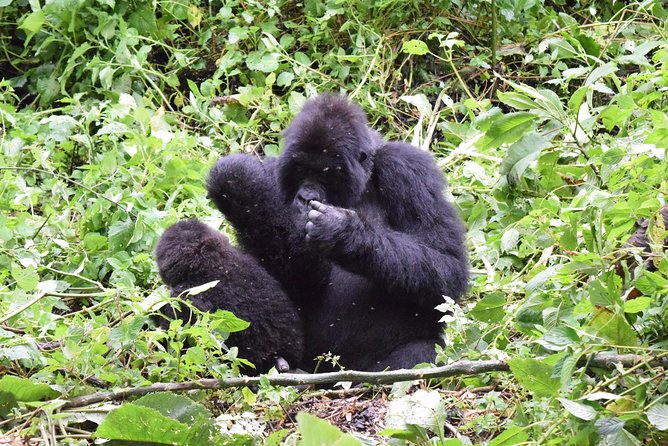
You’re not going to meet gorillas from behind a fence. You’re going into their world, guided by park professionals. Multiple reviews highlighted professional rangers as open, friendly, and genuinely caring about how visitors experience the animals.
That matters more than you might think. When rangers guide well, it helps you keep a respectful distance, stay calm, and focus on observation instead of worrying about whether you’re doing it right. It also helps the trek feel safer and more organized.
One guest described the guides helping keep the trek clear and smooth through the forest, and another mentioned spending a memorable hour observing the gorillas with caring ranger support. While the exact timing of your encounter can vary, the pattern is consistent: the experience is structured around a wildlife-focused visit, not a quick photo sprint.
Also, group size is limited—this tour caps at maximum 5 travelers. That smaller number generally helps you feel less packed-in on narrow paths and makes it easier for rangers to manage the experience.
Lwiro Sanctuary: conservation that connects to what you saw
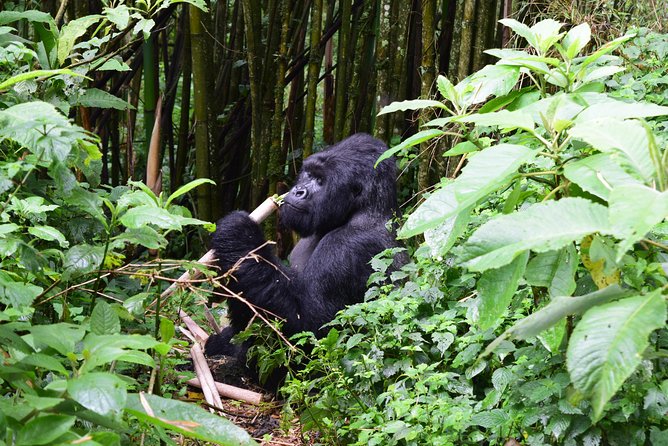
Gorilla trekking is emotional. Lwiro Sanctuary adds understanding.
This program includes a visit to Lwiro Sanctuary, described as unique for its biodiversity. If you’re the kind of traveler who likes to connect the dots—how conservation works, why a species survives, what happens beyond the permit—this stop does a lot of good work.
You can think of it as a bridge. The gorilla trek is the moment you see the endangered species directly. The sanctuary visit is where you start learning the broader conservation ecosystem—how care, protection, and local expertise fit together in practice.
This is also a smart “slow down” element. After trekking and park time, a sanctuary visit gives you a different pace: less sweat, more observation and context.
Ubuntu Voyages support: why guides like Romy get remembered
A big part of what makes this tour feel smooth is the way support is handled. Guests repeatedly praised the professionalism of coordination, especially in areas that usually frustrate travelers—border work, timing, and being available without rushing you.
Romy’s name shows up more than once in reviews, with people describing him as patient and helpful. One review specifically credited Romy for coordinating border crossing during a solo trip and mentioned feeling safe the whole time. Another described Romy as instrumental in coordinating border crossing from Rusizi to Bukavu and making the gorilla trekking arrangements work well.
You’ll likely notice the difference on the ground: not just someone driving, but someone who knows the process and keeps the trip organized. That’s especially valuable on a route through the Kivu region, where cross-border days can be unpredictable if you’re traveling independently.
If you’re someone who values calm reassurance—someone who handles details so you can focus on the experience—this style of guiding is a real plus.
Price and value: is $2,200 worth it?
At $2,200 per person for about 3 days, this is not a budget safari. But it’s also not just “paying for a view.”
Here’s what’s included that directly affects your out-of-pocket stress:
- gorilla permit
- all transportation
- accommodation
- a professional driver/guide
And gorilla permits in protected areas aren’t small ticket items. You’re paying for regulated access and ranger-led tracking—plus the regional transport needed to reach and operate in the park area.
The value question then becomes: how much of your personal budget does the rest of the cost depend on? Meals and drinks are not included, and neither are international/domestic flights or visas. Tips are also not included.
So I’d treat the headline price as the “core program cost,” then budget separately for your personal expenses. If you want a trip where your biggest concerns—permit, transport, guiding—are handled, this format can feel worth it. If you’re trying to keep total spending low, the meal and visa/flight parts can swing your final cost quickly.
Day-by-day flow: how your time likely unfolds
The exact schedule can shift with timing and park operations, but the flow is clear from the structure of the experience:
Day 1: Arrival, border crossing, and hotel check-in
You’ll start at Kigali International Airport, meet the team for briefing, transfer to Cyangugu border, cross with staff assistance, and check in at your hotel. If you arrive early enough, this is also when the optional Bukavu city tour can happen.
Trek day in Kahuzi-Biega
Start in the morning (the experience start time is 8:00 am), move toward the park, and trek through forest conditions to find the gorillas. This is the day built around ranger-led tracking and the encounter itself.
Final day focus: Lwiro Sanctuary and wrapping up
The trip includes a stop at Lwiro Sanctuary for biodiversity context. After that, your departure depends on your own flights and any onward arrangements, since round-trip airport transfer isn’t included.
If you like knowing what you’re signing up for, this is a fairly direct structure: travel support first, animals in the middle, conservation context at the end.
What to pack and how to prepare (so you enjoy the trek)
This tour says moderate fitness, but the forest trek advice from reviews tells you to plan for more than “comfortable walking.” You’ll likely deal with:
- uneven forest paths
- vegetation you may brush against
- humidity and heat that builds quickly once you’re moving
My practical packing list for this kind of experience is simple:
- strong hiking boots
- long sleeves and long pants
- work gloves
- a daypack with water and a light layer (if mornings feel cool)
- anything you need for personal comfort since meals are not included
Also, keep your expectations realistic. This is not a theme park. Gorilla trekking rewards patience, calm movement, and attention. The upside is huge: when you see the animals up close, you stop thinking about discomfort and start thinking about how rare this is.
Who should book this gorilla safari
This experience makes the most sense if:
- you want endangered lowland gorillas specifically, in a regulated national park setting
- you value hands-on coordination for border crossing and getting around
- you prefer a smaller group size (max 5) and a less frantic schedule
- you want more than wildlife by adding Bukavu and Lwiro Sanctuary
It may not be the best fit if:
- you’re trying to keep total costs extremely low (meals, flights, and visas can add up)
- you don’t want any physical walking beyond very light sightseeing
- you prefer trips with no early starts (this one is built for morning activity)
Should you book Lowland Gorilla Trekking in Kahuzi-Biega?
If your dream is seeing gorillas in the wild with solid guidance, I’d say this is a strong option. The combination of a permit-included package, smaller group size, and border/drive coordination is what makes the experience feel manageable. Add in the conservation context from Lwiro Sanctuary and the possible Bukavu stops like Panzi Hospital, and you get a trip that connects animals to place.
I’d book if you’re willing to budget realistically and you can handle a forest trek with a moderate fitness level. If you’re chasing a full-service comfort vacation with every meal included and no walking, this won’t be your best match.
But if you’re serious about gorillas—and you want the trip run with calm competence—this one looks like a very solid choice.
FAQ
How long is the lowland gorilla trekking experience in Kahuzi-Biega?
It’s listed as approximately 3 days.
Where does the tour take place?
In the Democratic Republic of Congo, with gorilla trekking in Kahuzi-Biega National Park.
What time does the experience start?
The start time is 8:00 am.
How much does the tour cost?
The price is $2,200.00 per person.
What’s included in the price?
Gorilla permit, all transportation, accommodation, and a professional driver/guide.
What isn’t included?
International/domestic flights, visa, meals and drinks, personal items (like souvenirs and travel insurance), tips, and other expenses. Round-trip airport transfer is also not included.
Do you get help with the border crossing?
Yes. The itinerary includes staff welcoming you at the Cyangugu border and assisting with clearing formalities.
Is pickup offered?
Pickup is offered.
How many people are in a group?
The tour/activity has a maximum of 5 travelers.