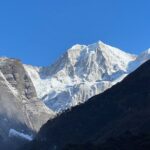
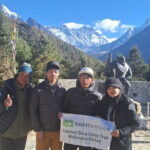
Climbing to base camp in the Annapurnas feels like a slow-motion movie. You’ll start easy in Pokhara, then work your way up through classic villages, hit Poon Hill for big viewpoints, and finish at Annapurna Base Camp with the region’s high peaks looking right back at you. Pickup is offered, and the trip is set up to keep the logistics from eating your energy.
What I like most is the mix of “wow” moments and practical pacing. You also get included lodge stays plus breakfast, lunch, and dinner on the trek days, so you’re not constantly solving food questions at 3,000m. I also like that the company lines up the core paperwork (permits) and a licensed guide, so you can focus on walking and breathing.
One thing to think about: a trek like this is still hard work at altitude, and there’s no porter included in the package. If you’re not ready to carry your own day essentials, you’ll want to plan for either a porter hire or a lighter packing strategy.
In This Review
- Key things worth knowing before you go
- Kathmandu to Pokhara: setting you up for the trek
- Pokhara base camp: what two nights actually buy you
- Ulleri to Ghorepani: stairs, views, and early acclimatization
- Poon Hill and the Tadapani shift: a viewpoint hit with a body-friendly drop
- Sinuwa and Deurali: climbing toward the high zone without rushing
- Machhapuchhre Base Camp and Annapurna Base Camp: the day you remember
- Bamboo to Jhinu Danda: relief through altitude loss (and a hot shower fantasy)
- The return to Kathmandu: finishing without a travel hangover
- Price and value: what you’re paying for at $999
- Guides make or break it: the names that keep showing up
- What to pack when the down jacket is included
- Fitness and altitude: how to make the hard days feel manageable
- Should you book this Annapurna Base Camp trek?
- FAQ
- What’s the meeting start time?
- How do you travel between Kathmandu and Pokhara?
- Where do you sleep before the trek starts?
- What’s included during the trek days?
- Are permits included?
- Do I need to bring a sleeping bag and down jacket?
- Is a porter included?
- Is travel and medical insurance included?
- Is free cancellation available?
- Is this a private group tour?
Key things worth knowing before you go
- Poon Hill as your viewpoint warm-up: you climb to 3,210m, then drop to keep your body adjusting
- A big altitude day on the way to base camp: you go via Machhapuchhre Base Camp (4130m) before ending up at Annapurna Base Camp
- Comfort parts are built in: 2 nights in Pokhara before you trek and bus rides on both ends
- Gear support is included: sleeping bag and a down jacket are provided (you can return them after)
- Food is handled: 3 meals per trekking day, so you only budget for the “extras”
- Private group, guided trail: only your group participates, led by a licensed guide
Kathmandu to Pokhara: setting you up for the trek
Your adventure starts with ground transport, not a messy scramble. You’ll take a tourist deluxe bus from Kathmandu (around 1,400m) to Pokhara (around 822m). It’s a smart way to begin because you’re not immediately thrown into altitude the second you land in Nepal.
Pokhara matters here. It’s not just a transfer stop; it’s your buffer. You get two nights in a standard-category accommodation, which gives you time to settle your legs, sort out your layers, and plan your daypacks. If you’ve ever tried to start a mountain trek straight from a long travel day, you know the difference between “ready” and “I think I’m ready.”
And because pickup is offered, the start can feel less stressful. In past ABC trips run by this team, the coordination is often described as hands-on, with people like Laxman, Roman, and Suman showing up as key names connected with organization and guidance.
You can also read our reviews of more tours and experiences in Kathmandu.
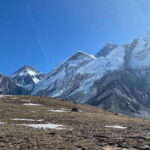
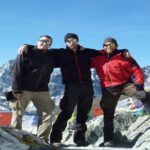
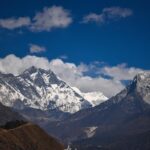
Pokhara base camp: what two nights actually buy you
Two nights in Pokhara may sound routine, but in altitude trekking it’s practical medicine. You’re heading into a route that climbs from villages near 1,200–2,000m up toward 4,000m. That jump needs a buffer.
Use those days to do the basic stuff well:
- get your gear sorted (especially water setup and warm layers)
- confirm how you’ll handle the early start (your start time is 6:45am)
- do a light walk so your body remembers how to move for hours
You’re also lining up the trek start with a taxi from Pokhara to the trailhead area. That removes a big “how do we get there” headache.
Ulleri to Ghorepani: stairs, views, and early acclimatization
The trek begins once you drive from Pokhara to Birethanti (around 1,263m), then walk onward to Ulleri (around 1,960m). This is the kind of day where your legs learn the rules fast: steady effort, short breaks, and no hero sprints.
Then you move from Ulleri to Ghorepani (about 2,880m). Ghorepani is a classic base for the next big moment—Poon Hill. The terrain through these villages helps you feel the gradient of the trek: it’s upward, but it’s broken by rhythm—paths, rests, and small landscape changes as you shift altitude.
If you’re worried about the hard parts, this is where you’ll feel them first. The good news: you’re starting with enough time in the legs and enough support that you’re not guessing what the route will do next.
Poon Hill and the Tadapani shift: a viewpoint hit with a body-friendly drop
Day four is a highlight day. You trek from Ghorepani to Poon Hill (about 3,210m), then continue to Tadapani (around 2,630m). That downshift after reaching a high viewpoint is a smart design.
Poon Hill is famous for sunrise, but even outside perfect sunrise weather, the altitude jump helps you understand what the Annapurna region looks like. In one ABC trip associated with this operator, the weather was described as cloudy on many days—yet the group still managed to catch impressive views, which is a good reminder: the mountain doesn’t always deliver blue skies on schedule, but it still rewards persistence.
Then you land in Tadapani, where the elevation is still challenging, just not as brutally high. This is how you keep the trek from becoming one long altitude cram session.
Sinuwa and Deurali: climbing toward the high zone without rushing
After Tadapani, you trek to Sinuwa (about 2,340m). That’s another altitude adjustment day. You’re working upward overall, but you’re not going straight from valley trekking to base-camp breathing in one step.
Next comes the climb to Deurali (around 3,230m). This is where the air changes in a way you feel even if you’re a fit hiker. Your pace becomes everything. The best guides on this kind of trek are the ones who help you find a sustainable rhythm—not a fast one.
And that’s part of what comes through in the names connected to these trips: people like Bibek, Rabin, and Santosh are often praised for keeping groups safe and comfortable, with guidance that includes attention to individual needs and pace adjustments.
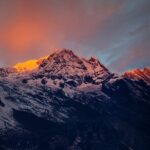
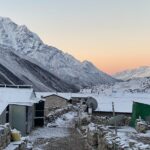
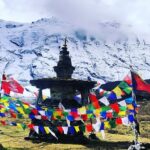
Machhapuchhre Base Camp and Annapurna Base Camp: the day you remember
The most intense day in the walk comes next: from Deurali to Annapurna Base Camp, via Machhapuchhre Base Camp. You’re dealing with high altitude numbers here, including Machhapuchhre Base Camp at 4,130m and Annapurna Base Camp listed in the 3700–4130m range depending on the segment.
That’s a lot to compress into one long trekking day. The pattern is clear though: you gain altitude enough to feel the thinness, then you end at base camp. Expect the final push to take longer than you think. Not because you’re doing everything wrong—because the air is just less cooperative.
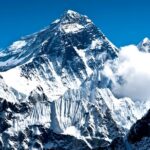
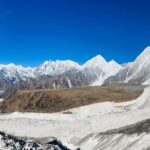
Once you reach base camp, the payoff is the reason people plan Nepal trips around this region in the first place: you’re in the home zone of Annapurna’s big walls and the surrounding peaks, close enough that the scale feels physical.
Practical note: this is also where you’ll want to keep your plan simple. Don’t overstuff the day with extra stops. You’ll get enough fatigue that you want time to breathe, take photos, and enjoy the moment without feeling rushed.
Bamboo to Jhinu Danda: relief through altitude loss (and a hot shower fantasy)
After base camp, you head down to Bamboo (about 2,345m). This is where trekking becomes emotional. Descents can feel good, but they can also stress your knees if you go too fast. A steady downhill pace usually keeps you happier for the final stretch.
Then you trek from Bamboo to Jhinu Danda (about 1,780m). This is the lower-altitude landing that lets you reset. Jhinu Danda is known for its hot spring vibe, and even if you don’t plan to spend hours there, the general idea is a welcome change: shorter distance, more comfort, and a feeling that the body is coming back online.
From Jhinu Danda, you take a shared local jeep back to Pokhara (around 822m). That shared jeep piece is one of those practical inclusions that saves time and reduces hassle.
The return to Kathmandu: finishing without a travel hangover
On the last day you take the tourist deluxe bus from Pokhara back to Kathmandu (around 1,400m). Doing this by bus is normal in Nepal, but the key value here is that it’s already handled for you.
Between the trek and the ride, you’ll likely be tired in that good, post-trek way. The less you have to organize at the end, the more you can enjoy the accomplishment instead of turning into a logistics manager.
Price and value: what you’re paying for at $999
At $999 per person, the biggest question is: what are you getting beyond “a guide and some trails”?
Here’s where the value shows up based on what’s included:
- Major transport: Kathmandu–Pokhara by bus, and the return after the trek
- Two nights in Pokhara (standard category accommodation)
- Permits for the Annapurna Base Camp trek
- A licensed, experienced guide
- Lodge accommodation during the trek
- Meals (breakfast, lunch, dinner) on trek days
- Gear support: sleeping bag and down jacket (returned after the trip)
- A trekking map
- First aid medicine kit
- Shared jeep from Jhinu Danda to Pokhara
What’s not included matters too. You pay for travel and medical insurance, and personal expenses add up fast in any mountain region—water, snacks, phone charging, laundry, and the stuff you didn’t plan for. Bottled or boiled water and hot showers are also not included, so treat them as optional add-ons.
Also, porter is not included. If you’re traveling with a single pack you can manage, you may be fine. If you want help with heavier loads, budget for it.
Guides make or break it: the names that keep showing up
ABC is physically demanding. But it’s also mentally demanding—especially the high zone days. The guide support is where this trek gets its strong reputation.
Across ABC experiences linked to this operator, names like Roman, Suman, Santosh, Robin, Rabin, Santos, Bibek, Raj, and Suresh Aryel come up repeatedly. The patterns in the feedback are practical:
- guides handle the “extra attention” moments and help people adjust
- flexibility shows up when the group needs a slower rhythm
- knowledgeable guidance makes the day feel safer and more organized
- even when conditions shift (like road problems delaying Pokhara), the team works to keep the trek moving
That flexibility is important for you. Mountain trips rarely run like a spreadsheet, and you don’t want to fight the plan when the mountain changes the plan.
What to pack when the down jacket is included
You don’t need to buy everything for this trek, which is a nice budget relief. The package includes a sleeping bag and a down jacket that you can return afterward.
But you should still plan for what typically matters most on high-altitude treks:
- layers (base layer, mid layer, and a warm outer shell)
- solid trekking boots and socks you trust
- a daypack for water, snacks, and your warmth
- sun protection (it’s high and bright at altitude)
- basic personal items for hygiene and comfort
One more thing: don’t count on having hot showers waiting for you every day. The trek runs on lodges with included meals, but the comforts of a resort are not part of the deal.
Fitness and altitude: how to make the hard days feel manageable
This trek is for people with moderate physical fitness. That’s the right description: you don’t need to be a mountaineer, but you do need stamina.
Altitude is the real boss here. Even when you’re walking at a good pace, the climb to Poon Hill (3,210m), Deurali (3,230m), and the high day toward Machhapuchhre Base Camp (4,130m) will slow most people down.
The practical strategy is simple:
- walk slower than you think you should
- take frequent short breaks
- keep your breathing steady
- don’t ignore headache or nausea; speak up early so your guide can adjust
The best outcome is not “race to base camp.” The best outcome is: arrive feeling proud and safe, then still have energy to enjoy the view.
Should you book this Annapurna Base Camp trek?
I’d book this if you want a classic ABC experience with real structure: transport handled, permits handled, meals handled on trekking days, and a licensed guide guiding your pacing through the altitude.
I’d think twice if you’re hoping for luxury comfort or if you’re not comfortable carrying your own load, since porter isn’t included. Also, if you’re very sensitive to altitude or you’re currently below moderate fitness, you’ll want to train a bit first and check with your doctor.
If you want an ABC trip that’s built around value—logistics, food, and gear support rather than constant planning—this one makes a lot of sense.
FAQ
What’s the meeting start time?
The trek starts at 6:45 am.
How do you travel between Kathmandu and Pokhara?
You take a tourist deluxe bus from Kathmandu to Pokhara, and then a tourist bus from Pokhara back to Kathmandu at the end.
Where do you sleep before the trek starts?
You get 2 nights of accommodation in Pokhara (standard category).
What’s included during the trek days?
You get lodge accommodation and 3 meals per day (breakfast, lunch, dinner) during the trek, plus a trekking map, and a first aid medicine kit.
Are permits included?
Yes. The trip includes all necessary entry permits for the Annapurna Base Camp trek.
Do I need to bring a sleeping bag and down jacket?
No. A sleeping bag and a down jacket are provided, and you can return them after the trip.
Is a porter included?
No. Porter services are not included in the package.
Is travel and medical insurance included?
No. Travel and medical insurance are not included.
Is free cancellation available?
Yes. You can cancel up to 24 hours in advance for a full refund.
Is this a private group tour?
Yes. Only your group will participate.