REVIEW · KATHMANDU
14-Day Private Annapurna Base Camp Trekking and Multi Activity
Book on Viator →Operated by Himalaya Arirang Trek Private Limited - Kathmandu Sightseeing · Bookable on Viator
A snowy viewpoint is waiting for you in Nepal. This private Annapurna Base Camp trek strings together hills, rhododendron forests, waterfalls, and the big “wow” moment at the base camp, all with hotel nights in Kathmandu and Pokhara plus teahouse stays on the trail. You’ll also get a mix of guided hiking highlights, including Poon Hill.
I love how the trip is organized around real daily needs, not just moving you forward on a map. With meals covered and a porter included, you can focus on walking, breathing, and taking in the mountain sights without turning your trek into a logistics project. I also like the feel of safety and welcome that strong guidance brings, especially with hosts like Ramesh and the guide team (including GP) who help you feel set up from day one.
One consideration: road time adds up. You’ll make long drives from Kathmandu to Pokhara and then toward the trekking starting point, so if you get travel-sore easily, plan on taking those early days slowly—even with an air-conditioned vehicle.
In This Review
- Key highlights that matter on this trek
- Annapurna Base Camp in 14 days: what the route actually delivers
- Day 1 to 2: landing in Kathmandu and getting to Pokhara with less stress
- Day 3 to 4: Nayapul to Ulleri and then Ghorepani
- Day 5: Poon Hill views and the trek toward Tadapani
- Day 6 to 7: Sinuwa to Deurali and the forest-to-mountains feel
- Day 8: Deurali to Annapurna Base Camp
- Day 9: explore Annapurna Base Camp, then trek to Dovan
- Day 10 to 11: Dovan to Chhomrong, then to Ghandruk
- Day 12 to 13: Ghandruk to Nayapul, back to Pokhara, then Kathmandu
- Price and logistics: is $925 per person good value here?
- Guides and service: why Ramesh and GP stand out in real life
- Packing, fitness, and comfort on teahouse nights
- Permits, good weather, and the kind of day you should plan for
- Should you book this Annapurna Base Camp trek?
- FAQ
- Where do I meet the tour operator in Kathmandu?
- Is airport or pickup service included?
- How long is the trek?
- What’s included in the trek package?
- What accommodation should I expect on the trail?
- What costs are not included?
- Do I need a specific fitness level?
- Is this a private tour?
- What happens if weather is poor?
- Can I cancel for a full refund?
Key highlights that matter on this trek
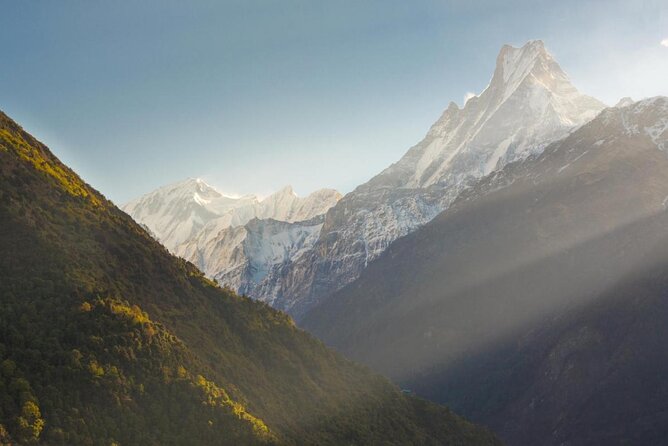
- Poon Hill sunrise time: a major viewpoint stop early in the route before the trek turns toward the higher country
- Porters for your luggage: you carry less, which makes the daily hiking days feel more manageable
- Teahouse nights: simple lodging on the trail that keeps you moving without searching for rooms
- Base Camp day: the schedule builds in time to explore after you arrive
- Local guidance support: routes, pacing, and practical help come from a named guide team like Ramesh and GP
- Permits and fees included: TIMS and the Annapurna Conservation Area Permit are handled for you
Annapurna Base Camp in 14 days: what the route actually delivers
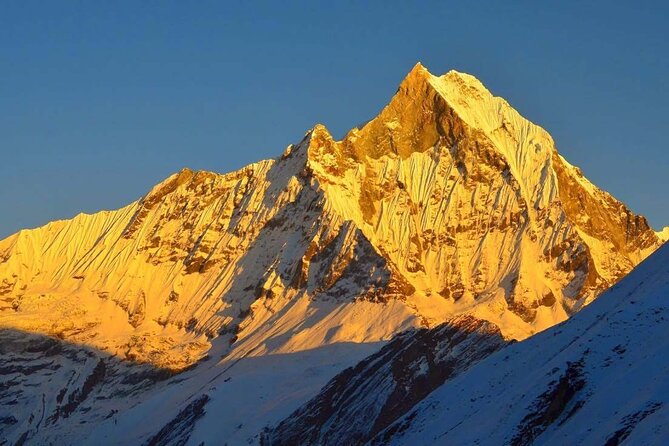
This is a classic Annapurna journey with a clear pattern: start with easier trail days and viewpoint moments, then steadily head toward Annapurna Base Camp and the surrounding peaks. The itinerary also mixes different trekking moods, from village walking to forest sections, plus a base-camp day that’s more than a quick photo stop.
You’re not just chasing altitude or views. The route is built around variety—different trail sections, different settlements, and a steady rhythm of meals and sleep in mountain towns. That matters because the trek feels less like a one-day sprint and more like a real journey you can settle into.
Even if you’re a first-time trekker, the inclusion list keeps your brain calmer. Breakfast, lunch, and dinner are part of the plan, so you’re not stopping every day to figure out what’s available. That can make a huge difference once you’re tired.
You can also read our reviews of more tours and experiences in Kathmandu.
Day 1 to 2: landing in Kathmandu and getting to Pokhara with less stress
Day one is all about arriving and getting settled. You’ll transfer to a hotel in Kathmandu, which is a smart move because it helps you start clean the next morning instead of spending your first day hunting logistics.
On day two, you’ll drive to Pokhara, and this matters more than it sounds. Pokhara is the staging zone for the Annapurna region trek routes, so having a smooth, air-conditioned ride sets the tone. After that, you’ll be ready for the first walking day without feeling like you’ve wasted your trip acclimating to travel chaos.
If you like a simple start, this itinerary fits. The early nights in hotels also give you proper rest compared with jumping straight into teahouse living.
Day 3 to 4: Nayapul to Ulleri and then Ghorepani
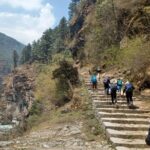
Your trek begins after the drive toward the trail start. From Nayapul to Ulleri, you’ll ease into the walking rhythm with guesthouse accommodation and full meals along the way. This is the part where your body checks in and you learn how your day will feel: steady pace, breaks when offered, and no guessing games about food.
Then you move from Ulleri to Ghorepani. Ghorepani is an important stepping stone because it puts you in position for the biggest viewpoint moment that comes next. If you like trekking days that still feel scenic even when they’re not the highest point, you’re likely to enjoy these early segments.
A small practical note: guesthouses and lodges are part of how this trip works. That means you’ll get used to basic mountain comfort quickly—think warmer layers and simple rooms over luxury.
Day 5: Poon Hill views and the trek toward Tadapani
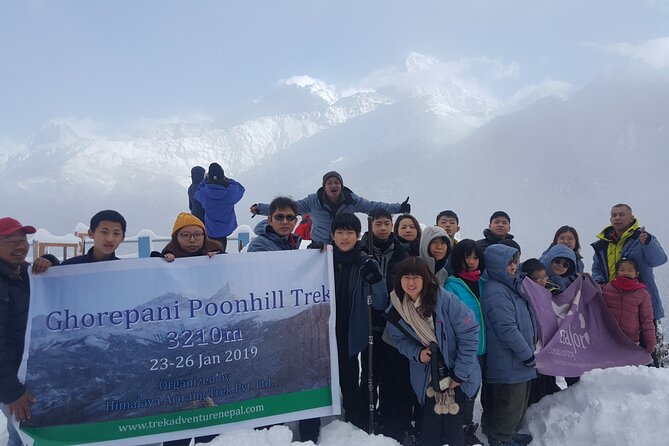
Day five is where the trek often becomes real in people’s heads. You’ll explore Poon Hill, then hike onward to Tadapani.
Poon Hill is the kind of stop that people remember because it’s a viewpoint with payoff. In the route pacing, it also works like a reward early enough to keep motivation strong while the bigger base camp goal is still ahead.
After the viewpoint, you’ll continue trekking to Tadapani and stay in a lodge/hotel setup depending on the plan for that day. This mix is useful: you get the best of both worlds—big scenery time plus regular trail walking before things get more demanding later on.
Day 6 to 7: Sinuwa to Deurali and the forest-to-mountains feel
From Tadapani to Sinuwa, you’ll keep trekking with breakfast, lunch, and dinner included. Sinuwa is a familiar kind of stage town for Annapurna route walkers: not the final goal, but the place where the day’s hiking feels purposeful.
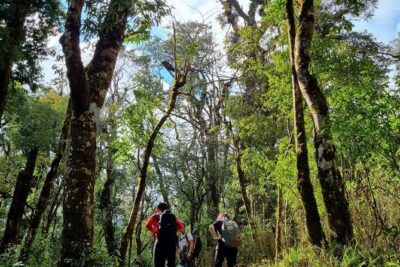
Then it continues from Sinuwa to Deurali. This section is often where the trail environment shifts, and the overall trip description highlights rhododendron forest scenery and waterfalls along the way. You can expect your walks to feel more varied than just straight uphill, which helps prevent the trek from feeling monotonous.
Comfort-wise, these nights are still about teahouse-style living. You’ll get a roof, meals, and a reset—but not the kind of room-service comfort people are used to at home.
Day 8: Deurali to Annapurna Base Camp
Day eight is the day you push to Annapurna Base Camp. It’s also the day when the itinerary structure makes sense: you’ve spent several days moving into the region, and now you arrive at the main target.
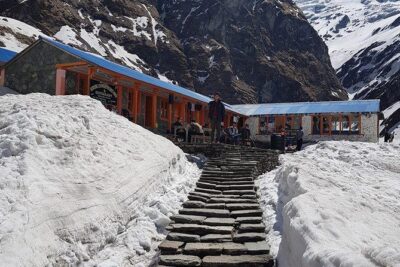
Accommodation is in a lodge/teahouse at base camp. That’s important to know because it sets expectations. You won’t have the comfort level of a hotel, but you will have the chance to stay close enough to the action to explore the base camp area at a reasonable pace.
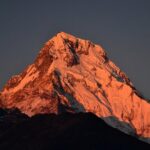
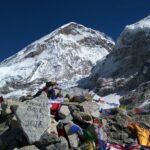
When the route description talks about white snows and major peaks like Machhapuchhre (Fishtail), Annapurna, and Hiunchuli, this is where that promise lands. The whole trek builds toward this moment, so treat it like an actual day in the mountains, not just a transit point.
Day 9: explore Annapurna Base Camp, then trek to Dovan
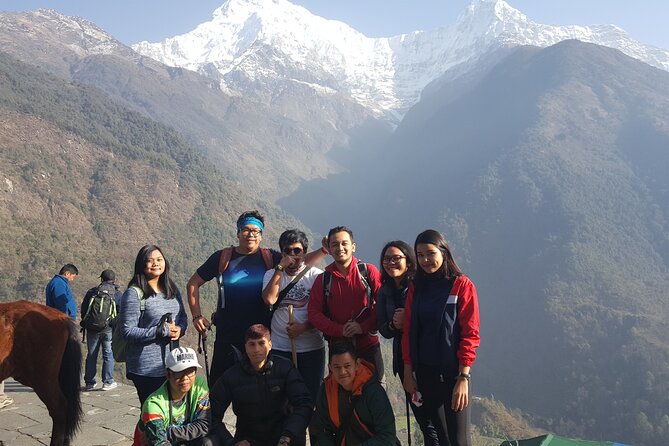
Day nine starts with time at Annapurna Base Camp before you move on. It’s the smart approach: arrive, take it in, then continue with the next section afterward.
You’ll then trek to Dovan. This shift—from base camp focus to a trail stage—helps break up the emotional high of the main site. It also means you keep momentum without feeling like you must rush every photo and every view during the first stop.
Lodge/teahouse accommodation continues. The included meals keep energy steady, which matters because mountain days can feel easier when your body doesn’t have to wait for food.
Day 10 to 11: Dovan to Chhomrong, then to Ghandruk
Day ten takes you from Dovan to Chhomrong, again with breakfast, lunch, and dinner included. Chhomrong is one of the classic Annapurna route stage towns, and it’s a good place to appreciate how village life mixes into the trek experience. The scenery stays the star, but the human scale of these stops adds a lot.
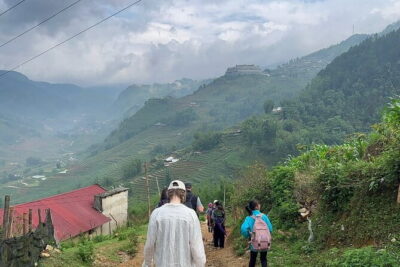
Day eleven continues from Chhomrong to Ghandruk. You’ll switch to lodge/homestay accommodation on this day, which can feel more personal than the bigger tea houses. This is one of the best parts of the trek if you like meeting locals and seeing daily life beyond just a quick stop.
The itinerary description also emphasizes cultural warmth and getting to know local people. Even without turning it into a museum tour, these villages give you that lived-in feeling.
Day 12 to 13: Ghandruk to Nayapul, back to Pokhara, then Kathmandu
Day twelve moves from Ghandruk to Nayapul and then back by drive to Pokhara, with breakfast and lunch included. This is a long day compared to trekking-only days, but it’s also one of the most satisfying because you can feel the trek closing out while still keeping a comfortable travel setup.
Then day thirteen is the drive back to Kathmandu with breakfast included, followed by a final day break before departure. Having hotel time again in Kathmandu helps you reset—wash up, stretch out, and handle any last-minute needs.
Price and logistics: is $925 per person good value here?
At $925 per person for about 14 days, the value comes from what’s actually included. You’re not just paying for a guide and a vague promise of support. This price covers all fees and taxes, including the Annapurna Conservation Area Permit and the TIMS fee, plus your Kathmandu and Pokhara hotels, and teahouse accommodation during the trek.
It also includes daily breakfast, lunch, and dinner, which is a big cost saver in trekking areas where meals can vary. Add in an air-conditioned vehicle for the Kathmandu–Pokhara movement and the porter carrying your luggage, and the trek becomes more about the hiking than about budgeting.
What’s not included is also clear: Nepal visa, travel insurance, and tips for guide/porter/driver. If you’ve planned those already, the $925 feels like a “cover the essentials” price rather than a starting point you’ll top up later with constant add-ons.
If you want a private experience (only your group), this setup can be a strong deal compared with tours that pack your day with extra participants and then cut corners on support.
Guides and service: why Ramesh and GP stand out in real life
Here’s where this trek can feel different from the standard ABC grind: the human support. In the feedback I see consistently, Ramesh is praised for positivity and making people feel safe and welcomed right from the start. When you’re in a foreign country and the route is real and physical, that early sense of confidence matters.
GP also shows up as an excellent guide in the way people describe the trip: help with what you ask for, smooth coordination, and solid knowledge about landscapes and culture. Even when you think you’ll be fine without extra guidance, a good guide can save you from wasted time and help you feel more comfortable in each village stop.
This kind of support matters most on days when the trail is long or when weather and timing require small adjustments. The itinerary is structured, but good guides know how to keep it practical.
Packing, fitness, and comfort on teahouse nights
The tour lists a moderate physical fitness requirement, so you don’t need to be an ultra-athlete, but you should be ready for consistent daily walking. You’ll also want layers for cold mornings and evenings because teahouse nights mean you’ll be spending time in simpler buildings without hotel-grade heating.
Because porters carry your luggage, pack smart. Put your essentials in a daypack you can access quickly, and keep the rest light enough that it’s comfortable for the porter to move. This setup helps you arrive at each stop with less fatigue.
Accommodation on the trekking days is teahouse/lodge, and the overall expectation is simple: a place to rest and eat. You can expect delicious meals as part of the included plan, and you’ll likely appreciate not having to decide where to eat every day.
Permits, good weather, and the kind of day you should plan for
This trek includes the Annapurna Conservation Area Permit and TIMS fee, so you’re not scrambling over paperwork. That’s a practical win because trekking permits are part of what makes the route legal and organized.
One more reality check: the experience requires good weather. If conditions are poor and the trek needs to be changed, you’ll be offered a different date or a full refund. In other words, don’t plan this trek as a perfectly fixed calendar highlight in the middle of a tight schedule.
Finally, the tour is close to public transportation, and pickup is offered. That combination is useful because it gives you options while still keeping the core trip moving smoothly.
Should you book this Annapurna Base Camp trek?
Book it if you want a private Annapurna Base Camp plan where the essentials are handled: meals, teahouse stays, hotels at the start and end, permits, and support from a guide team that people specifically name and praise. The inclusion of porter help and daily food coverage makes this feel realistic for a wider range of trekkers.
Think twice if road travel is a deal breaker for you. The Kathmandu–Pokhara–trail flow includes several long transfers, even though you get air-conditioned vehicles for those segments. Also, if you prefer fully flexible daily plans without schedules, note that this itinerary is designed as a day-by-day route.
If your goal is the Annapurna Base Camp experience with a steady rhythm, strong guidance, and fewer logistics headaches, this itinerary has the ingredients.
FAQ
Where do I meet the tour operator in Kathmandu?
You’ll meet at Himalaya Arirang Trek Pvt Ltd, A1 Business complex, Thamel Marg, Kathmandu 44601, Nepal.
Is airport or pickup service included?
Pickup is offered as part of the experience.
How long is the trek?
The duration is approximately 14 days.
What’s included in the trek package?
Breakfast, lunch, and dinner are included, along with all fees and taxes, Kathmandu and Pokhara hotel accommodation, teahouse accommodation during the trek, an air-conditioned vehicle, and porters for carrying luggage. The Annapurna Conservation Area Permit and TIMS fee are also included.
What accommodation should I expect on the trail?
You’ll stay in teahouses/lodges during the trekking days, and you’ll have hotel accommodation in Kathmandu and Pokhara at the start (and again on the way back).
What costs are not included?
The Nepal visa, travel insurance, and tips for the guide, porter, and driver are not included.
Do I need a specific fitness level?
The experience lists a moderate physical fitness level requirement.
Is this a private tour?
Yes. It’s a private tour/activity, and only your group participates.
What happens if weather is poor?
This experience requires good weather. If it’s canceled due to poor weather, you’ll be offered a different date or a full refund.
Can I cancel for a full refund?
Yes. You can cancel up to 24 hours in advance for a full refund. If you cancel less than 24 hours before the start time, the amount paid is not refunded.