REVIEW · KATHMANDU
Luxury Everest Base Camp Trek -11 Days
Book on Viator →Operated by Himalayan Adventure Treks and Tours Pvt Ltd · Bookable on Viator
Luxury Everest Base Camp comes with an airlift. This 11-day trek pairs classic Everest views with a helicopter return from the high country, and upgraded teahouses so you’re not living like you’re in a cardboard box. You’ll see the Everest region from the trail and from the air, which is a big deal when your time is limited.
What I like most is the way the trek is paced around acclimatization days, including breaks at Namche Bazaar and Dingboche, where your altitude climbs but your body gets time to adjust. I also like the human side: reviews highlight guide Prakash and strong owner involvement from Bhagwat, which usually means fewer surprises and better communication when weather shifts.
The main consideration is that flights and the helicopter depend on conditions up high, so build in some flexibility for possible delays.
In This Review
- Key things to know before you go
- Everest Base Camp, but tuned for comfort and time
- Day 1 in Kathmandu: private pickup and a proper hotel start
- Day 2: the Lukla flight that sets the tone
- Days 3 and 4: Phakding to Namche Bazaar, then an acclimatization day
- Day 5: Tengboche brings big views and a quieter pace
- Days 6 and 7: Diboche to Dingboche, plus the second acclimatization stop
- Day 8: Dingboche to Lobuche—where the terrain gets serious
- Day 9: Lobuche to Gorakshep and on to Everest Base Camp
- Day 10: Kalapatthar at 5,545 m—your best big-view day
- Day 11: helicopter home and a farewell dinner finish
- What you’re really buying: guide, porter, tea houses, and meals
- Price and value: why $4,500 can make sense here
- Best time to go, and what to pack your mind around
- Who this luxury Everest Base Camp trek is for
- Should you book this luxury Everest Base Camp trek?
- FAQ
- Is this trek private or shared?
- How long is the luxury Everest Base Camp trek?
- Where does the experience start and end?
- What time does the experience begin?
- What transportation is included for getting to and from the trek?
- What kind of accommodation will you have during the trek?
- Are meals included during the trek, and do you get meals in Kathmandu too?
- Can you get vegetarian meals, and what permits are included?
- Is a full refund available if you cancel?
Key things to know before you go
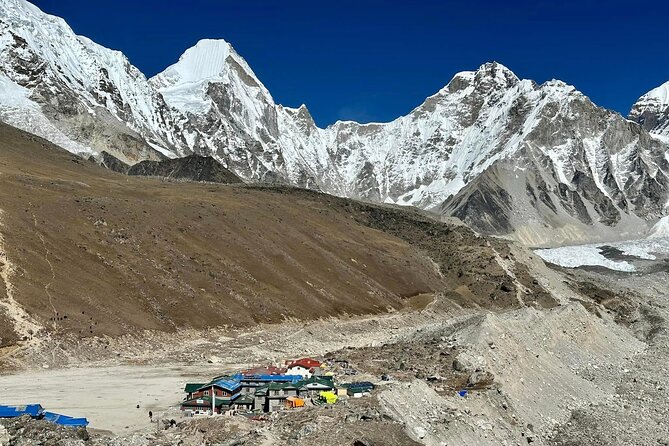
- Helicopter return from Gorekshep: Included on a sharing basis, cutting down your hike back and giving you air views of the Everest area.
- Acclimatization built in: Planned rest days at Namche Bazaar and Dingboche help you handle altitude more safely.
- Upgraded teahouses: Twin-share stays during the trek aim for comfort rather than the bare-minimum version of Everest travel.
- Private tour setup: Only your group participates, with a guide and a porter arranged at 1 porter for 2 clients.
- Kathmandu comfort + culture: Two nights in a 5-star hotel, plus a farewell Nepalese restaurant dinner with cultural performance.
Everest Base Camp, but tuned for comfort and time
Everest Base Camp is usually sold as a test of grit, and that’s true. But this version adds a practical layer that matters for real life: better comfort on the trail, smooth logistics, and a return option that can save your legs. The big headline is the helicopter ride after you reach the Everest Base Camp region—an extra viewpoint and, honestly, a morale booster when the trekking days have piled up.
This trek is also aimed at the seasons when conditions tend to cooperate more often for helicopter operations and big mountain views. Spring and autumn are highlighted as the best times, because the weather is generally more stable. If you’re planning around a specific window, those seasons are a safer bet than shoulder months.
And yes, you can take this trip with family. It still requires a moderate fitness level, but the structure is designed to make the altitude step-by-step rather than all at once.
You can also read our reviews of more tours and experiences in Kathmandu.
Day 1 in Kathmandu: private pickup and a proper hotel start
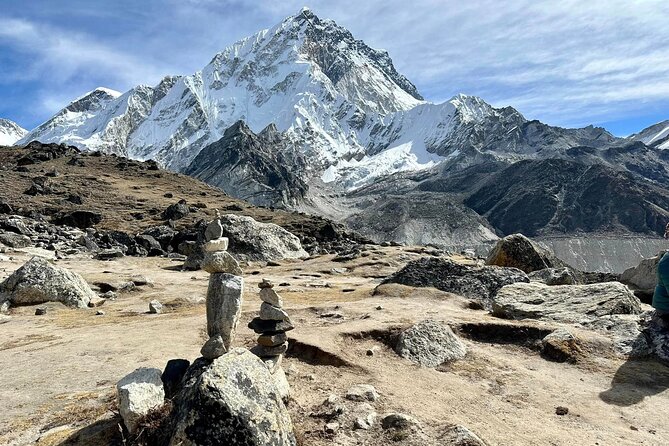
Your trip begins in Kathmandu at Tribhuvan International Airport (TIA). You’ll meet a Himalayan Adventure Treks & Tours representative and ride to your hotel by private vehicle. That matters more than it sounds, because Kathmandu can feel chaotic the moment you land.
You also get two nights in a 5-star hotel with breakfast. This is a smart way to balance the rougher days ahead. Think of Day 1 and Day 2 in Kathmandu as your reset: sleep, eat well, and get your packing organized before the mountain starts peeling your energy away.
You’ll be on a tight schedule—start time is listed as 6:00 am for the experience—so use Kathmandu time well. Don’t wait until the morning of the flight to figure out what you need for layering or how you’ll manage water and snacks.
Day 2: the Lukla flight that sets the tone
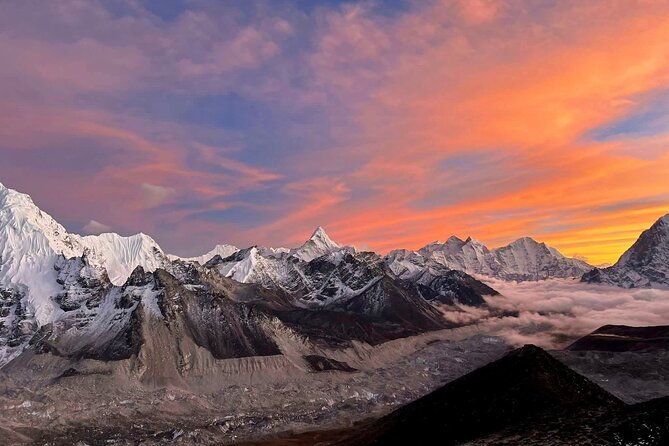
On Day 2, you fly from Kathmandu to Lukla (listed altitude: 2,860 m). From there, the trek begins. Even without getting overly dramatic about it, this is where Everest trips become real. You’re jumping quickly into thin-air terrain, and everything after feels like it has consequences.
Logistically, the trek company includes the Kathmandu to Lukla (or Ramachap to Lukla) flight ticket. That removes a common planning headache. You’re not left comparing fares, chasing schedules, or worrying about which counter to stand in line for.
What to keep in mind: the broader plan includes travel and rescue arrangements and even notes that delays can happen due to bad weather. So you should treat the itinerary as a guide, not a promise carved into stone.
Days 3 and 4: Phakding to Namche Bazaar, then an acclimatization day
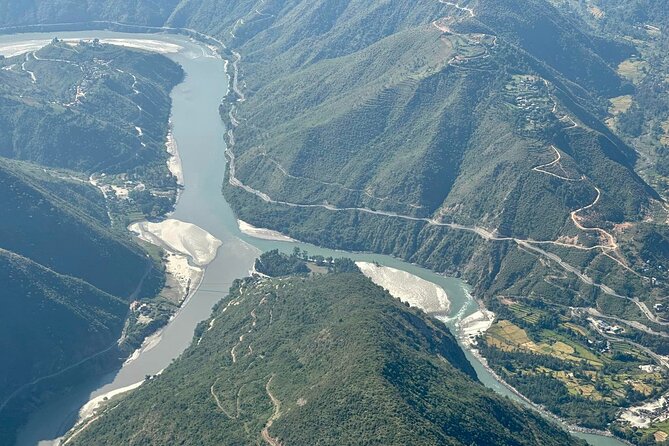
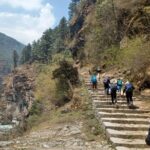
Day 3 walks from Phakding toward Namche Bazaar, which is one of the key stepping-stone hubs on the Everest route. This is where you’ll start feeling the difference between walking at sea level and walking high. Your legs work, but your breath reminds you where you are.
Day 4 is built as an acclimatization day at around 3,880 m. This is a big part of why people make it comfortably enough to enjoy the scenery. In plain terms: you’ll gain altitude, but you won’t just keep climbing aggressively every single day. Your body gets time to adjust, and you learn your rhythm—slow, steady, and consistent.
If you’re new to altitude treks, this is the section that often decides whether you’ll feel stressed or calm. The win here is that the plan respects altitude instead of fighting it.
Day 5: Tengboche brings big views and a quieter pace
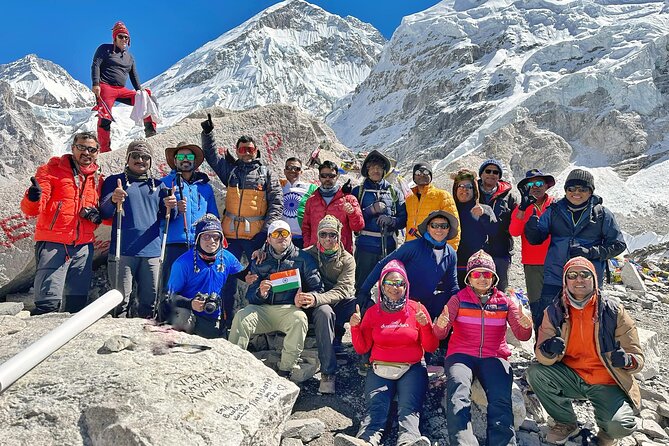
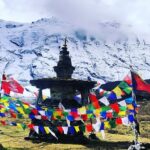
On Day 5, you head from the Hotel Everest View area toward Tengboche (listed: 3,820 m). Tengboche is known for viewpoints and a spiritual-feeling stop on the Everest trail. Even if you’re not chasing temples, this is a place where the trail mood changes—you often get less of the grind feeling and more of the wow factor.
This day is also a reminder of what “luxury” means in the mountains. It’s not about getting five-star service at 3,800 m. It’s about upgraded tea houses on twin sharing and meals handled during the trekking portion. That means you don’t have to spend your energy managing every last detail.
Days 6 and 7: Diboche to Dingboche, plus the second acclimatization stop
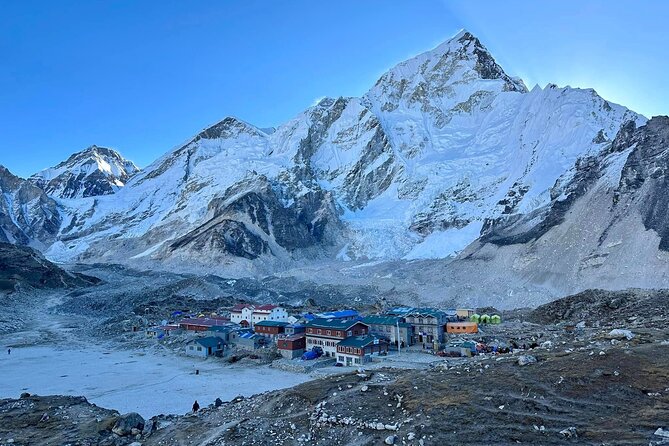
Day 6 moves you toward Dingboche (listed: 4,360 m), after leaving Diboche. This is a significant altitude jump in your trek timeline. Expect the trail to feel steeper and slower, even if the distance isn’t crazy. That’s normal, and it’s exactly why you’re not just power-walking uphill day after day.
Day 7 adds another acclimatization day at Dingboche (listed: 4,360 m). This is the second major “pause” built into the schedule. You’re gaining altitude overall, but the itinerary gives your body time to respond.
If you’re trekking with family, this is a great point to manage expectations. Some people feel great at altitude, others need time. A scheduled acclimatization day helps you avoid the panic of pushing too hard too soon.
Day 8: Dingboche to Lobuche—where the terrain gets serious
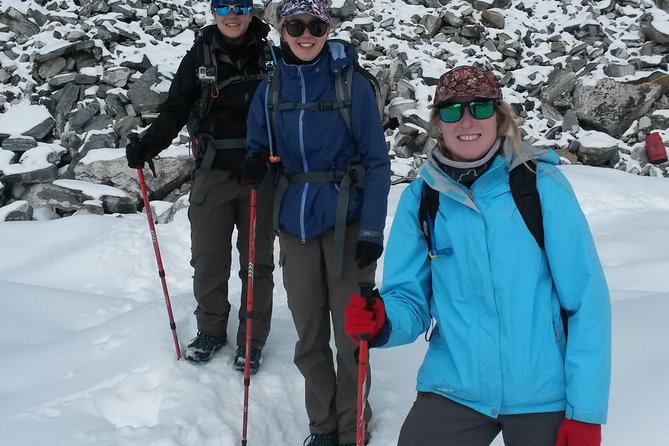
Day 8 goes from Dingboche to Lobuche and is listed as a moderate-level hike, usually 5–6 hours. The route is described as high-altitude terrain with challenging weather conditions. That combination can make even a well-paced walk feel tougher than the numbers suggest.
You’ll also start seeing more “Everest in your face” views as you move deeper into the Khumbu region. This is still trekking time, so you’ll want your hydration and snacks working for you. The tour includes lunches, dinners, and breakfasts during the trekking days, but you should still bring your own small favorites if you know what helps you keep steady.
Day 9: Lobuche to Gorakshep and on to Everest Base Camp
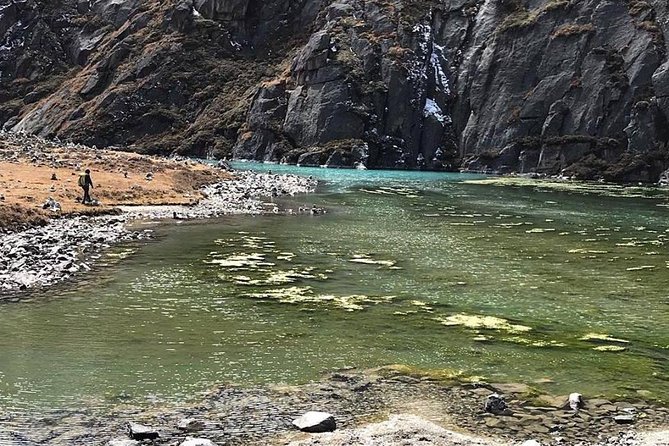
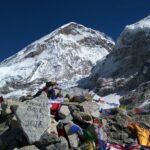
Day 9 is the heavy-hitter day. You trek from Lobuche to Gorakshep and then to Everest Base Camp, listed as strenuous with about 6–7 hours. The trail climbs through rocky terrain and glacial moraines, and the reward is getting to stand in the Everest Base Camp area.
This part is the moment the whole trip becomes a story you’ll tell for years. It can also be the moment people feel the altitude catch up. If you arrive feeling winded, that doesn’t mean you did something wrong. It means you’re high.
A nice practical detail: the tour includes travel and rescue arrangements and medical supplies (including a first aid kit). That kind of support is what you’re paying for when you choose a more structured operator and not just a self-guided plan.
Day 10: Kalapatthar at 5,545 m—your best big-view day
Day 10 hikes from Gorakshep up to Kalapatthar, listed at 5,545 m (18,192 ft). Kalapatthar is one of the most popular highlights because it gives panoramic views of the surrounding peaks.
Expect the early start to feel hard, because high-altitude climbs often feel like they take longer than you think. Still, this is one of those days where you’ll understand why people keep returning to the Everest region. Even if you’ve seen Everest photos, this is different because you’re close enough to feel the scale.
And here’s the luxury angle: the tour includes helicopter fare from Gorakshep to Kathmandu (sharing). In a best-case scenario, you’re not spending yet another day doing a long, tiring descent after you’ve already had your Everest hit. You get to preserve energy for the flight day and the Kathmandu reset.
Day 11: helicopter home and a farewell dinner finish
On your final day, you’re taken to the airport with a representative, about 3 hours before your scheduled flight. That buffer is smart in Kathmandu. It gives you space to handle last-minute questions, restrooms, and anything else that pops up when you’re traveling with altitude fatigue.
Before you leave, there’s also a last night farewell dinner at an authentic Nepalese restaurant with a cultural performance. This is the kind of extra that doesn’t change your trek, but it makes the whole trip feel more complete—like you stayed in Nepal, not just passed through.
What you’re really buying: guide, porter, tea houses, and meals
On paper, “luxury” can sound like marketing. In this case, it maps to real, day-to-day things:
- Upgraded tea houses on twin sharing during the trek
- Meals included during the trekking portion (lunch, dinner, breakfast)
- An experienced guide plus a porter setup (listed as 1 porter for 2 clients)
- A return duffle bag service (the bag is returned after the trek)
- Practical “support layer” items like a first aid kit and travel/rescue arrangements
From the reviews included with this tour, the guide experience seems to be a major strength. One name that comes up clearly is guide Prakash, described as the best. The owner/leader Bhagwat is also credited with being well organized and responsive.
That’s not just nice to hear. Good guiding at altitude means you’re not constantly making decisions about pacing, safety, and where to stop. You can focus on walking and looking up at the mountains.
Price and value: why $4,500 can make sense here
At $4,500 per person for an approx. 11-day trek, you’re paying for a lot more than a trail and a sticker on the itinerary.
The value-heavy items included in your package are:
- Kathmandu hotel nights (two nights in a 5-star hotel with breakfast)
- Kathmandu to Lukla (or Ramachap to Lukla) flight ticket
- All accommodations on upgraded tea houses during the trek (twin sharing)
- Meals during the trekking portion (lunch, dinner, breakfast)
- TIMS permit and Khumbu valley fees
- Helicopter fare from Gorekshep to Kathmandu (sharing)
- Guide + porter support (with the listed ratio)
- Airport transfers by private vehicle
- A farewell cultural dinner
Where it gets complicated is what you’re not paying for: Nepal visa fee, international airfare, extra Kathmandu nights, any additional mountain costs from delays, travel insurance, and personal expenses (like phone calls, laundry, battery recharge, hot showers, etc.). Tips for guide and porter are also not included.
So here’s the “think like a buyer” way to judge the deal: if you want the helicopter option and prefer upgraded tea houses, plus guided support and simplified flights/permits, this package can be cost-justified compared to trying to stitch together those pieces yourself.
If you’re the type who wants maximum flexibility and plans to handle permits, flights, and tea-house booking independently, this might feel pricey. If you want fewer moving parts and smoother execution, it fits well.
Best time to go, and what to pack your mind around
The trek is positioned for spring and autumn because they’re better for stable weather and helicopter rides, and for those dependable Himalayan views. That doesn’t mean weather is guaranteed. It means you’re selecting a season where the odds are better.
Also, altitude is a real variable. The trek includes acclimatization days at Namche Bazaar and Dingboche, and the overall structure expects moderate physical fitness. If you’ve never trekked above 3,000 m, take the training seriously.
Packing advice isn’t spelled out in the data you provided, but you should think in layers, plan for cold mornings, and bring what you need for your personal comfort. Also consider that personal hot showers and battery recharge are listed as personal expenses, not included.
Who this luxury Everest Base Camp trek is for
This is a good match if:
- You want a classic Everest Base Camp route but with more comfort and less hassle
- You value the helicopter return as part of the experience
- You’d like a structured plan with acclimatization built in
- You prefer guided support and a porter system that lightens your load
It might not be ideal if:
- You’re trying to keep costs extremely low
- You have a rigid schedule and can’t tolerate possible weather-related delays
Should you book this luxury Everest Base Camp trek?
If your dream includes seeing Everest up close and you also want a more comfortable, well-managed trip, I think this is worth a close look. The biggest “yes” factors are the helicopter return, upgraded tea houses, the acclimatization days, and the fact that key logistics like flights to Lukla, permits, and airport transfers are handled.
Before you book, do one reality check: make sure you can handle altitude and that you’re okay with weather influencing transport. If you can do that, this is the kind of Everest plan that helps you focus on the experience, not the small problems that pop up on big trips.
FAQ
Is this trek private or shared?
It’s listed as a private tour/activity, and only your group will participate.
How long is the luxury Everest Base Camp trek?
The duration is listed as approximately 11 days.
Where does the experience start and end?
It starts at Tribhuvan Airport in Kathmandu, Nepal, and ends back at the meeting point.
What time does the experience begin?
The start time is listed as 6:00 am.
What transportation is included for getting to and from the trek?
Included items list pickup and transfer in Kathmandu by private vehicle, flights from Kathmandu to Lukla (or Ramachap to Lukla), and a helicopter fare from Gorekshep to Kathmandu on a sharing basis.
What kind of accommodation will you have during the trek?
The trek includes upgraded tea houses on twin sharing during the trekking portion.
Are meals included during the trek, and do you get meals in Kathmandu too?
Meals during the trekking portion are included (lunch, dinner, and breakfast). The tour also notes that all meals in Kathmandu are not included.
Can you get vegetarian meals, and what permits are included?
A vegetarian option is available if you advise in advance. Included fees list the TIMS permit and Khumbu valley fees.
Is a full refund available if you cancel?
Yes. You can cancel up to 24 hours in advance for a full refund, and cancellations less than 24 hours before the start time are not refunded.