REVIEW · KATHMANDU
Manaslu Circuit Trek to the Beauty of 8th Highest Mountain
Book on Viator →Operated by Bold Himalaya Treks and Travels Pvt Ltd · Bookable on Viator
That first day quietly sets the tone. This Manaslu Circuit route mixes big mountain views with Tibetan-style villages, while the plan gives you time to acclimatize before the hard stuff. You’ll also like the way the trek is supported with an experienced English-speaking licensed guide, meals throughout, and the right paperwork for this restricted region.
My favorite bits are the careful pacing and the team energy. The itinerary builds in a real rest day in Samagaun, and it keeps you moving at a moderate rhythm on most days, so you’re not constantly going uphill just to survive. A possible drawback to weigh is the challenge day: crossing Larkya La (5,160 meters) is a long, tough stretch, so you’ll want solid fitness and good weather luck.
In This Review
- Key highlights at a glance
- Manaslu Circuit: trekking legally in restricted country, with Tibetan culture
- Price and value: what $365.75 covers on this 11-day circuit
- Days 1–3: from Machha Khola into the rhythm of the valley
- Days 4–6: Namrung to Samagaun, plus an acclimatization day that you’ll thank yourself for
- Days 7–8: Samdo and Dharamshala as the lead-in to Larkya La
- Day 9: crossing Larkya La (5,160m) from challenge to victory
- Day 10–11: the descent to Tilije and your drive back to Kathmandu
- Team support, communication, and daily comforts that keep it stress-free
- Should you book this Manaslu Circuit with Bold Himalaya?
- FAQ
- How long is the Manaslu Circuit trek?
- Where does the trek start and end?
- Is pickup offered from Kathmandu?
- What permits and cards are included?
- Are meals included during the trek?
- Can I get vegetarian or vegan meals?
- Do the days include trekking lodge stays?
- What’s the highest point on the itinerary?
- Is travel insurance included?
- Can I cancel and get a full refund?
Key highlights at a glance
- Restricted-area permits and TIMS handled for you, so you’re trekking legally and smoothly
- Acclimatization day in Samagaun before the higher crossing
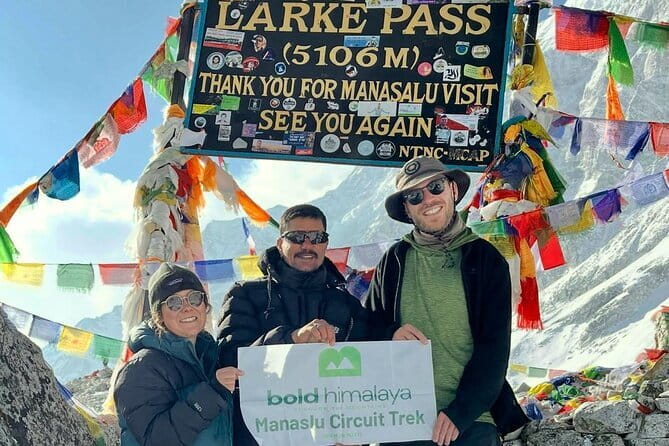
- Larkya La pass (5,160m) as the peak challenge, with long hours to plan for
- English-speaking licensed guide plus a porter team setup on the trek
- Full trekking meals (breakfast, lunch, dinner) and seasonal extras included
Manaslu Circuit: trekking legally in restricted country, with Tibetan culture
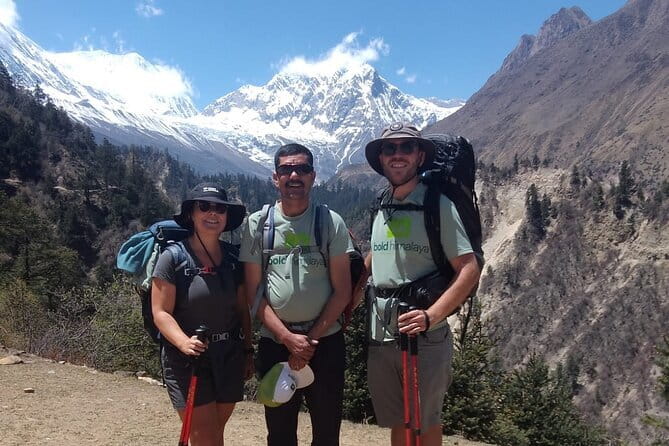
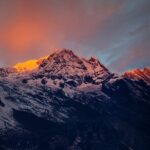
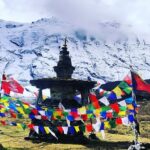
Manaslu is Nepal’s 8th highest mountain, but the bigger draw is the feel of the region. You travel through a mix of forested lower valleys and higher villages with Tibetan-influenced culture, where daily life looks both familiar and different from Kathmandu.
What makes this route especially worth it for many people is that it’s not a free-for-all trek. You get the required Manaslu/Annapurna permits plus the restricted area entry and a TIMS card. That matters on a practical level: you spend less time worrying about paperwork, and more time just walking and looking up at the peaks.
One more thing I appreciate: the pacing doesn’t treat every day like a race. The trek is structured so you gain altitude steadily, and you get a scheduled acclimatization break before you head toward the high pass. That approach won’t make Larkya La easy, but it does stack the odds in your favor.
You can also read our reviews of more tours and experiences in Kathmandu.
Price and value: what $365.75 covers on this 11-day circuit
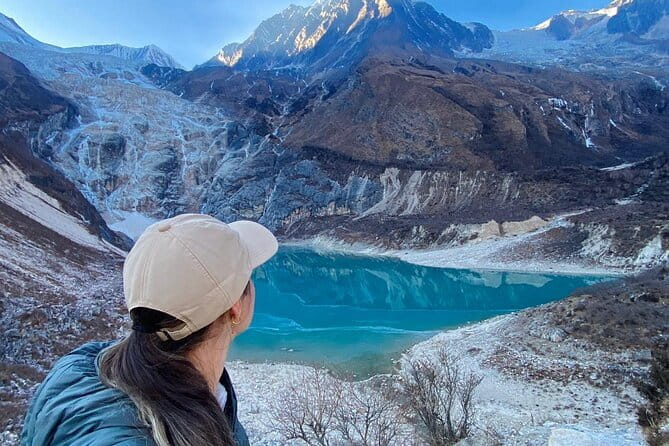
At $365.75 per person for about 11 days, you’re not just paying for walking days—you’re paying for the support system that makes this trek workable. Included basics are strong: all ground shared transportation for the trek start and finish, trekking lodge use on the route, and full meals during the trek (breakfast, lunch, dinner), plus seasonal fruits and nuts.
The included team support is also part of the value. You’ll have an experienced English-speaking licensed guide (with salary and accommodation included), plus meals and insurance coverage are mentioned as part of the package setup. On top of that, you get trekking extras like a duffle bag, a T-shirt, and a trip certificate.
Here’s what you should plan around: drinks are not included, and travel insurance isn’t included. Tips for the trekking crew are also not included, and that’s a normal reality for Nepal treks, but it’s good to budget for it. Also, you’ll be in standard trekking lodges, not high-end hotels—expect simple and functional.
Days 1–3: from Machha Khola into the rhythm of the valley
Day 1 is a long move day: Kathmandu to Machha Khola by shared vehicle, about 8–9 hours. This can feel like a wall of time at first, but it’s also what gets you into the trekking zone quickly, without wasting precious daylight later. The route passes terraced fields and countryside views, which helps make the drive less monotonous.
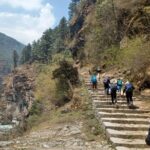
Day 2 (Machha Khola to Jagat) takes about 6–7 hours. You’ll climb and descend through forests, terraced farmland, and small villages. For many people, this is where the trek “clicks”—you settle into foot rhythm, and the air tends to feel cleaner and cooler.
Day 3 (Jagat to Deng) is another 6–7 hour day, with a lush forest climb and expanding mountain views as you near Deng. The practical benefit of these early segments is adaptation: your body learns to work steadily while you’re still at relatively safer altitudes. The potential drawback is simple: these are still full hiking hours, even if they aren’t the pass day.
Pack your mindset for consistency, not drama. If you start steady, the later stages will feel less like a surprise.
Days 4–6: Namrung to Samagaun, plus an acclimatization day that you’ll thank yourself for
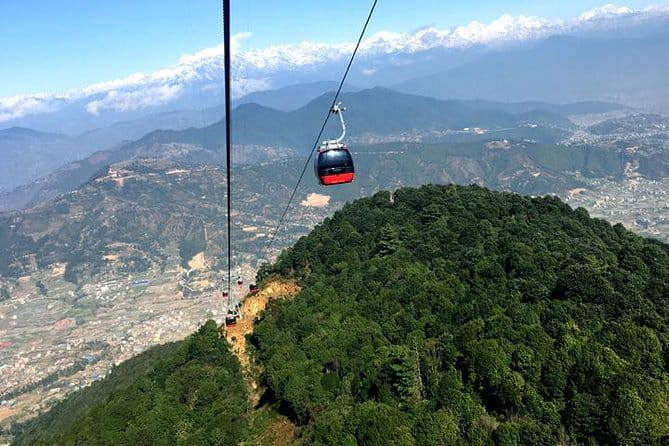
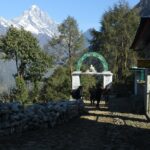
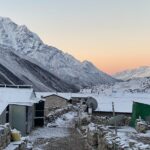
Day 4 (Deng to Namrung) takes about 6–7 hours and is known for traditional Tibetan-style village scenery and strong mountain sightlines. Namrung is a good turning point: you start seeing how the Manaslu region mixes culture with altitude. The village vibe is part of the show, not just the waiting room between climbs.
Day 5 (Namrung to Samagaun) runs about 5–6 hours and offers panoramic views, including Manaslu and Ganesh Himal in the mix. Samagaun is where the trek becomes more “high country.” You’ll feel the shift from farming valleys into a more rugged, thinning-air environment.
Day 6 is a rest day in Samagaun to acclimatize, with options like visiting nearby areas such as Manaslu Base Camp or exploring village monasteries. This is the smartest day on the calendar. A scheduled break reduces the chance you’ll push too hard the moment you start feeling great. It also gives you a chance to move slowly, drink more water, and sleep better before the higher days.
If you’re the type who hates downtime, use this day anyway. Even a light stroll is progress, and it can protect the rest of your trek.
Days 7–8: Samdo and Dharamshala as the lead-in to Larkya La
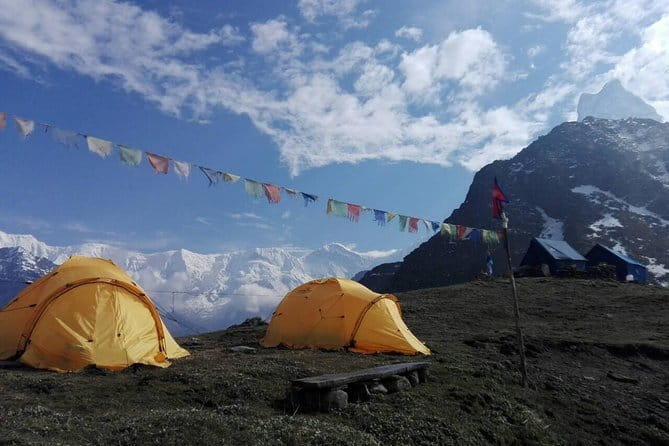
Day 7 (Samagaun to Samdo) takes about 5–6 hours and climbs through alpine meadows with standout views. Samdo is small, which means you’ll get that quiet high-country feel. The walking is steadier here, and the views help keep your focus when the air starts to feel thinner.
Day 8 (Samdo to Dharamshala) is about 4–5 hours and sets you at the base of the Larkya La approach area (Larkya Phedi is the base staging mentioned). This day matters because it helps you position yourself for a real push the next morning. You’re getting higher, but you’re also not spending all day grinding—this is a setup day.
The practical lesson for you: treat day 8 like an early night situation. Tighten your plan for clothing layers, water, and breakfast timing. It’s not about being dramatic; it’s about being ready when the trail turns into a long, exposed effort.
Weather can change fast in high passes. If the forecast looks unstable, your guide’s judgment matters. You didn’t come this far to rush the mountains.
Day 9: crossing Larkya La (5,160m) from challenge to victory
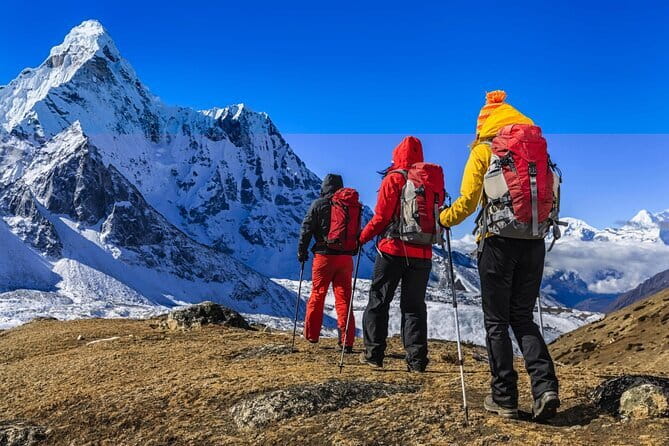
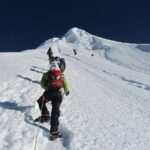
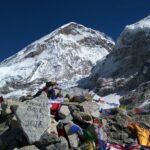
This is the day everyone remembers. Day 9 is described as a challenging 8–10 hour trek crossing Larkya La at 5,160 meters, then descending to Bimthang. The pass is where altitude and effort combine, and the views are the reward for the grind.
What I think is valuable here is that the trek is planned as a full day, not a “quick pass” fantasy. Expect slow movement. Even when you feel strong, the altitude demands patience, and an 8–10 hour day gives you room to pace properly rather than sprint out of the gate.
You’ll likely see glaciers and major peaks in the pass area, and the scenery is one of the reasons this trek is so talked about. But the real win is getting over the pass safely and then having a descent to Bimthang to reset your breathing and legs.
My practical advice: focus on steady steps, not speed. Take short breaks if you need them. Keep your core warm, even if you feel hot while climbing. Once you start descending, you’ll be tired, and you’ll want good balance through uneven trail.
Day 10–11: the descent to Tilije and your drive back to Kathmandu
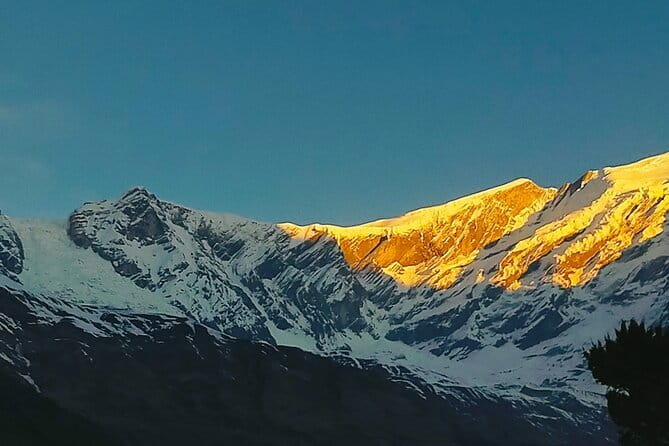
Day 10 (Bimthang to Tilije) is about 5–6 hours and is framed as a descent through forests and traditional villages. This is where your body starts to recover. You’ll still be hiking, but it’s usually a more forgiving kind of effort after the pass day.
Tilije is described as a charming village with local culture, and it gives you a chance to finish the trek feeling human again. Use this time to eat well and slow down your pace. A lot of people rush the last day; don’t. You’ll enjoy Nepal more when you’re not counting steps.
Day 11 is partly trek, partly road. From Tilije you continue to Dharapani, then you drive to Besisahar, and from there travel back toward Kathmandu. The ride time is short in the itinerary summary, but you should assume you’ll spend meaningful hours getting back to city life. Plan to shower, rest, and eat something hearty when you arrive.
This ending is practical because it breaks the long travel out across the final day instead of dumping everything right at the end of a brutal hike.
Team support, communication, and daily comforts that keep it stress-free
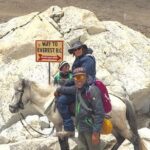
What makes this trek feel smoother than many DIY attempts is the human support. Bold Himalaya is described as having an English-speaking licensed guide and a porter setup to carry belongings, and the reviews highlight strong responsiveness from a coordinator named Sobit before and during the trip. In the feedback you’re given names like Lokendra (often noted for carrying loads) and guides such as Suren Tamang and Sirjan, which suggests you may meet a team that takes care of both logistics and explanations.
From a practical standpoint, I like that. You’re not just buying a map and a wake-up call. You’re getting guidance on pacing, altitude awareness, and how to handle day-to-day decisions when weather shifts or your body feels different than the last day.
Daily comfort is mostly built around included meals and functioning lodges. You get breakfast, lunch, and dinner while trekking, and you can request vegetarian or vegan meals. Drinks are not included, so you’ll want to budget for that and plan hydration early. Lodges are described as standard, so think simple rooms, warm layers, and a reasonable expectation of basic amenities rather than luxury.
If you’re the kind of traveler who values a calm experience—especially on a restricted-region trek—this is a major plus.
Should you book this Manaslu Circuit with Bold Himalaya?
Book it if you want a well-supported lodge trek that handles permits, gives you proper acclimatization, and doesn’t pretend Larkya La is a stroll. The itinerary’s rest day in Samagaun and the staged climb toward Dharamshala are exactly what you want when altitude is part of the equation.
Skip or reconsider if you’re worried about long trekking hours or you know you struggle with high-altitude days. Day 9 is a long crossing at 5,160 meters, and day 1 is a long transfer out of Kathmandu.
If you fit moderate fitness and you want Tibetan culture plus big Himalayan views, this package is a solid value for the support it includes. Add in the responsive coordination and the guide/porter team setup you’ll likely experience, and it becomes a trek you can focus on instead of one you have to manage.
FAQ
How long is the Manaslu Circuit trek?
It’s approximately 11 days.
Where does the trek start and end?
The trip starts in Kathmandu and the trek ends with travel back toward Kathmandu after the final drive from Besisahar.
Is pickup offered from Kathmandu?
Yes, pickup is offered.
What permits and cards are included?
The package includes Manaslu and Annapurna restricted area permits plus a TIMS card.
Are meals included during the trek?
Yes. Breakfast, lunch, and dinner are included during the trekking days, with seasonal fruits and nuts also mentioned.
Can I get vegetarian or vegan meals?
Yes, vegetarian and vegan meals are available upon request.
Do the days include trekking lodge stays?
Yes, standard trekking lodge stays are included on the Manaslu Base Camp trekking route.
What’s the highest point on the itinerary?
You cross Larkya La pass at 5,160 meters on Day 9.
Is travel insurance included?
No. Travel insurance is listed as not included.
Can I cancel and get a full refund?
Yes. Free cancellation is available if you cancel up to 24 hours in advance of the experience’s start time for a full refund.