REVIEW · KATHMANDU
14 days Everest Base Camp Trek
Book on Viator →Operated by Ambition Himalaya Treks & Expeditions · Bookable on Viator
A white-knuckle flight to Lukla is just the warm-up. This 14-day Everest Base Camp trek mixes big Himalayan views with a smart altitude rhythm, finishing with Kala Patthar at 5,545m for a sunrise panorama.
I also love how the package focuses on the stuff that can make or break your trek: licensed guide support and practical help right from Kathmandu, with Shishir and guides like Lok and Ghaman praised for being responsive and attentive. The main drawback to plan for is the altitude and the logistics that come with it, including cold mornings and possible routing via Ramechhap when flights to Lukla need a backup.
In This Review
- Key highlights at a glance
- The 14 days, stop by stop: Kathmandu to Kala Patthar and back
- Day 1: Kathmandu arrival and the welcome dinner
- Day 2: Kathmandu to Lukla, then Phakding
- Day 3: To Namche Bazaar with your first Everest views
- Day 4: Namche market day and the Everest View Hotel
- Day 5: Tengboche monastery area and rhododendron forests
- Day 6: Dingboche via Deboche and Pangboche
- Day 7: Acclimatization day at Dingboche
- Day 8: Lobuche with Thukla Pass memorials
- Day 9: Lobuche to Gorakshep and Everest Base Camp at dawn
- Day 10: Kala Patthar summit for sunrise views
- Day 11: The easier downhill stretch back to Namche
- Day 12: Namche area back down to Lukla
- Day 13: Fly back to Kathmandu, then recover
- Day 14: Kathmandu departure day
- Why the altitude schedule works (and where it still hurts)
- Tea houses, gear on request, and how support shows up daily
- Price and value: what $1,499 covers on the ground
- Who should book this Everest Base Camp trek (and who should pause)
- Should you book this Everest Base Camp trek?
- FAQ
- How long is the Everest Base Camp trek on this itinerary?
- Where does the trek start and end?
- What altitude highlights are included?
- Are flights between Kathmandu and Lukla included?
- What kind of lodging do you get on the trek?
- What gear is included (or available) for the trek?
- What if I need to cancel?
Key highlights at a glance
- Kala Patthar (5,545m) sunrise with headlamps and panoramic payoff
- Acclimatization built in via Namche, Dingboche, and a hill climb day
- Dawn-style Base Camp day from Lobuche through Gorakshep toward the icefall views
- Responsive operator and guides (Shishir support mentioned, plus Lok/Ghaman in feedback)
- Trekking gear on request: down jacket, sleeping bag, and duffel bag
- Tea house comfort with full meals (twin sharing, full board as listed)
The 14 days, stop by stop: Kathmandu to Kala Patthar and back
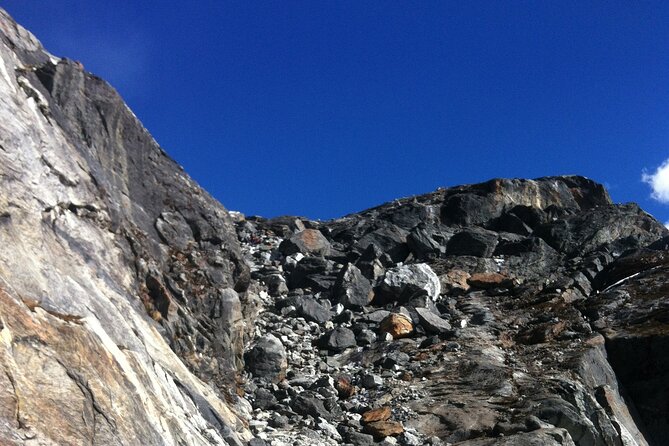
This trek is structured around altitude, daily walking time, and the big photo moments. Some days feel like a grind (especially cold mornings), but the plan keeps you from going too fast for too long.
You can also read our reviews of more tours and experiences in Kathmandu.
Day 1: Kathmandu arrival and the welcome dinner
You land in Kathmandu International Airport and get escorted to your hotel. In the evening, your guide does a briefing, then you’ll head out for a warm welcome dinner. The real win here is you can rest early since the next morning starts with an airport run.
Day 2: Kathmandu to Lukla, then Phakding
You fly to Lukla early, and if peak season or conditions require it, you may drive to Ramechhap by private vehicle first (listed as about a 4-hour drive). After landing, you trek straight to Phakding with stops along the way like Cheplung and Ghat.
Consideration: travel to Lukla can be weather-dependent, and that’s exactly why the plan builds in flexibility on the Nepal side of things.
Day 3: To Namche Bazaar with your first Everest views
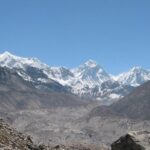
You follow the Dudh Koshi River and pass through villages like Benkar, then cross a suspension bridge and rocky gorge sections. You enter Sagarmatha National Park and get your first clear look toward Everest as you continue toward Namche Bazaar.
This is a solid day for spotting how the trail and the air feel before you hit the higher towns.
Day 4: Namche market day and the Everest View Hotel
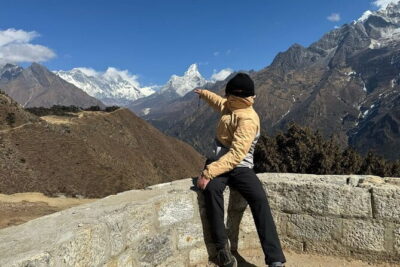
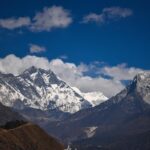
You get time in Namche for photos and a market feel before hiking up to Everest View Hotel. From there you’ll see Mount Everest plus peaks such as Ama Dablam, Lhotse, and Nuptse (among others). If you want a pause that’s still on-theme, there’s an optional Sagarmatha National Park museum stop.
You return to Namche for dinner and another lodge night.
Day 5: Tengboche monastery area and rhododendron forests
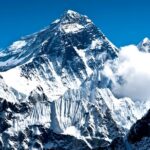
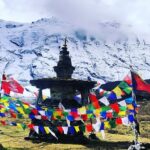
You head uphill out of Namche toward Tengboche, passing through areas like Phungithanga, known for prayer wheels, and winding through rhododendron forests. Near Tengboche monastery grounds, the views start feeling cinematic: Everest, Nuptse, Lhotse, Thamserku, and Ama Dablam are all part of the frame.
Practical note: this kind of day can be beautiful and tiring at the same time. Take it steady, especially if your breathing feels off.
Day 6: Dingboche via Deboche and Pangboche
You trek through scenic stretches with rope bridges and pass by Pangboche, where Mani walls appear. Then you climb into Dingboche, an atmospheric village with excellent views toward Lhotse, Island Peak, and Ama Dablam.
Expect another tea house night and an early bedtime type of rhythm.
Day 7: Acclimatization day at Dingboche
This is a true slow day, mostly to let your body catch up. You’ll hike up to Nangkartshang Hill for dramatic views, with Makalu and Amphu Laptse mentioned as highlights, then return for a monastery visit.
This day matters more than it sounds. Your later cold, hard mornings will feel more manageable because of this built-in adjustment.
Day 8: Lobuche with Thukla Pass memorials
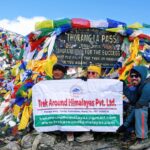
You continue toward Lobuche, with a route that includes Dughla and a pass section at Thukla Pass marked by memorials for climbers who didn’t make it. After that, the trail becomes rockier and narrower until you reach your overnight stop.
It’s a heavy, real moment in the middle of an otherwise stunning route.
Day 9: Lobuche to Gorakshep and Everest Base Camp at dawn
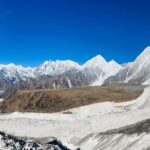
This is the big one-day push toward Everest Base Camp. You start at dawn and move north, passing the southern flank of Lhotse. The trail includes glacial sections as you reach Gorakshep, then you continue to Base Camp for views of the Khumbu Icefall plus peaks like Nuptse, Pumori, and Khumbutse.
The timing is key here. Early light makes the views sharper and your experience feel more intense.
Day 10: Kala Patthar summit for sunrise views
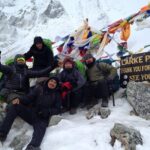
You set out very early toward Kala Patthar, using headlamps for the final climb (listed as about 2 to 3 hours). You’re aiming for sunrise over Everest, then you take in the illuminated peaks like Nuptse, Pumori, and Ama Dablam. After soaking it all in, you head down, enjoy a hot meal at Base Camp, and continue toward Pangboche for the night.
Consideration: this is cold work, even if you’re moving well. Layering and gloves matter more than you think.
Day 11: The easier downhill stretch back to Namche
The route becomes mostly downhill as you head back toward Namche Bazaar, moving through familiar areas like Dingboche and Tengboche. Your legs will feel tired, but your time on the trail becomes less punishing than earlier uphill days.
You end with another night in Namche.
Day 12: Namche area back down to Lukla
You descend toward Phakding for lunch, then keep going until you reach Lukla. Once you unload and settle in, you can take a breath and even wander the village for small souvenirs.
This is also a good day to double-check you’re happy with your photos and footage while memories are still fresh.
Day 13: Fly back to Kathmandu, then recover
You head to Lukla airport early and fly back to Kathmandu (about 30 minutes listed). After arriving, you get time to relax, shower, and even get a massage to ease trek soreness.
Day 14: Kathmandu departure day
The final day is a straightforward transfer to the international airport, with your representative waiting at the hotel.
Why the altitude schedule works (and where it still hurts)
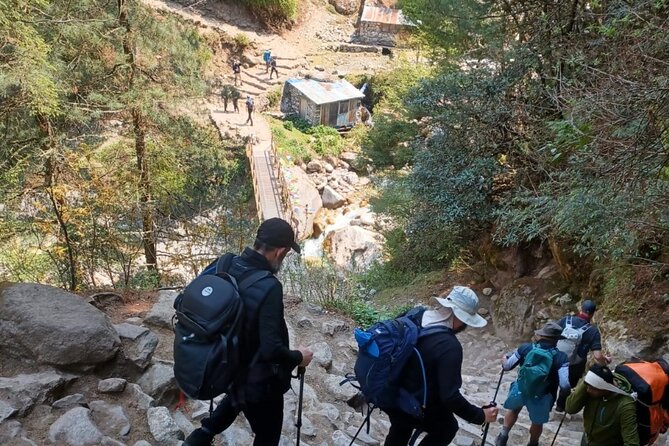
This trek doesn’t pretend altitude is optional. It uses a few “why-am-I-climbing again” moments that actually help.
- Namche + Everest View Hotel (Days 3–4): you rise, then give yourself time to adjust before going higher.
- Dingboche acclimatization (Day 7): the built-in slower day plus Nangkartshang Hill is the kind of plan that can help you feel safer later.
- Kala Patthar (Day 10): the summit is dramatic, but it’s also a reminder that the air is thin. Headlamps, cold hands, and a steady pace are the whole game.
Even with a good schedule, expect reduced appetite, more breath effort, and normal fatigue. Your best strategy is simple: drink water, walk slower than you think you should, and tell your guide if something feels wrong.
Tea houses, gear on request, and how support shows up daily
On this trek, comfort is basic but not neglected. You’ll sleep in twin-sharing tea house rooms while on the trail, and meals are arranged as full board as listed.
One of the practical advantages I see in this package is gear handling. You can request key items like a down jacket, sleeping bag, and duffel bag. That can save you from renting last-minute gear in Kathmandu or carrying heavy winter items all the way from home.
Support matters too. In the feedback tied to this operator, Shishir is repeatedly described as quick to respond and helpful with setbacks, and guides such as Lok and Ghaman are praised for attention and mountain knowledge. Even if every trek day doesn’t feel the same, that kind of care shows up in pacing, meal timing, and how they handle small issues before they become big problems.
Price and value: what $1,499 covers on the ground
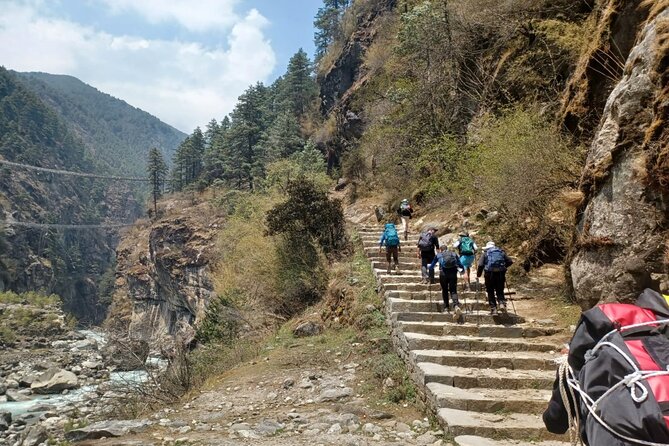
At $1,499 per person, you’re not just paying for walking. You’re paying for a bundle of logistics that can be hard to assemble on your own in the Everest region.
What feels like good value:
- Kathmandu to Lukla flights round-trip with taxes included
- Private vehicle airport transfers in Kathmandu (as per the itinerary)
- 3-star Kathmandu hotel with breakfast
- National park and local entry permits
- Meals on full board as listed
- Licensed guide with meals, accommodation, and insurance included
- Down jacket/sleeping bag/duffel available on request
- All government and local taxes, GST, and service charges
What you should budget for separately:
- Tipping for guides and porters
- Personal expenses, plus hot and cold drinks
- WiFi/internet and battery charging
Also note the trek is listed as a private activity, meaning your group is the focus. At the same time, there’s mention of group discounts in the package features. If you’re traveling solo or as a couple, it’s worth asking how group pricing is handled for your exact departure.
Who should book this Everest Base Camp trek (and who should pause)
This is a great fit if you:
- have a moderate physical fitness level
- want an organized trek with a clear plan for daily progress
- care about doing Kala Patthar and the Base Camp day properly timed
You should think twice or get medical guidance first if you:
- have conditions affected by high altitude (as altitude is central here)
- know cold weather is a major issue for you and you’re not planning to use the included-on-request gear
A quick reality check: this is long, high, and slow at times. If you want easy hiking, this isn’t that trip. If you want the kind of achievement that also feels intensely human, this trek delivers.
Should you book this Everest Base Camp trek?
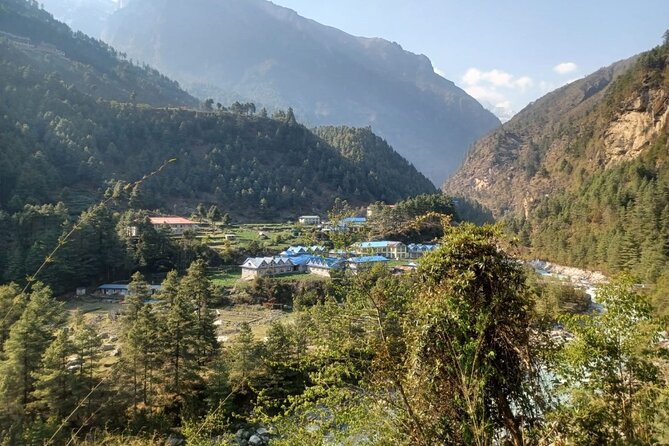
I think this is a strong booking choice if you value organization and reliable day-to-day support. The combination of licensed guiding, full meals, permit handling, and the specific altitude pacing (Namche, Dingboche, and that acclimatization hill day) makes the experience feel more controlled than the Everest name alone might suggest.
I’d book with extra care if you’re very sensitive to altitude or if your trip dates fall during periods when flights to Lukla frequently require routing changes. In that case, having a plan like the Ramechhap backup and responsive support becomes even more important.
If you’re ready for cold mornings, thin air, and the kind of views you talk about for years, this itinerary is built to get you there.
FAQ
How long is the Everest Base Camp trek on this itinerary?
The trek runs for 14 days.
Where does the trek start and end?
It starts in Kathmandu, with flights to Lukla, and returns to Kathmandu at the end.
What altitude highlights are included?
The itinerary includes Everest Base Camp at 5,316 meters and Kala Patthar at 5,545 meters.
Are flights between Kathmandu and Lukla included?
Yes. Domestic flights Kathmandu to Lukla and back are included, including all taxes.
What kind of lodging do you get on the trek?
You stay in tea houses during the trek, with twin sharing accommodation as stated in the package.
What gear is included (or available) for the trek?
You can request a down jacket, sleeping bag, and duffel bag.
What if I need to cancel?
You can cancel up to 3 days in advance for a full refund. If you cancel less than 3 full days before the start time, the amount paid is not refunded.