REVIEW · KATHMANDU
Langtang Valley Trekking
Book on Viator →Operated by Himalayan Social Journey · Bookable on Viator
Langtang Valley turns your hiking days into a steady flow of views and village life. What makes this trip especially interesting is the way it mixes quiet trekking with a guide who keeps the logistics handled end-to-end. I really like the private setup (just your group with your guide) and the simple rhythm of lodge stays with breakfast, which makes the days feel less chaotic. The main drawback is that the schedule includes long trekking days and a long drive on Day 1, so you’ll want solid moderate fitness and realistic expectations for tired legs.
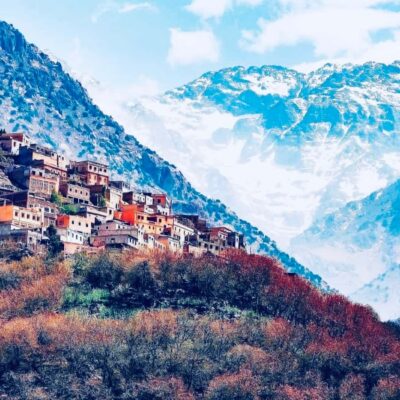
This is one of those Nepal treks that doesn’t feel overly crowded. You’ll hike through forests, past waterfalls and farmlands, and into Sherpa villages, then reach the Kyanjin Gompa area where the scenery turns more dramatic. It’s a good choice if you want nature and culture without the big-tour feeling.
A couple practical notes before you commit: food beyond breakfast isn’t included, and you’re in twin-sharing local lodges on trek nights. If you like privacy, or you hate being cold at night, you’ll need to plan carefully and pack well.
In This Review
- Key highlights I’d focus on before you book
- Langtang Valley Trekking: why this quieter route feels worth it
- Price and logistics: what $700 buys you (and what you still handle)
- Day 1 from Rasuwa to Syabrubesi: long drive, big start
- Day 2 to Lama Hotel: your first serious walking day
- Day 3 to Langtang village: the pace turns more scenic
- Day 4 to Kyanjin Gompa: reaching the monastery area
- Day 5 at Kyanjin Gompa: rest day with an excursion window
- Day 6 back to Lama Hotel: downhill still counts
- Day 7 down to Syabrubesi: the final trail push
- Day 8 back to Kathmandu via Rasuwa: the end of the road
- Guides, support, and lodging: where the quality shows
- Who should book this Langtang trek, and who should reconsider
- Should you book Langtang Valley Trekking for 8 days?
- FAQ
- How long is the Langtang Valley trekking experience?
- Where do you start, and what time is pickup?
- Is transportation included to and from the trekking area?
- What meals are included during the trek?
- Are trekking permits and park fees included?
- Is it suitable for children?
Key highlights I’d focus on before you book
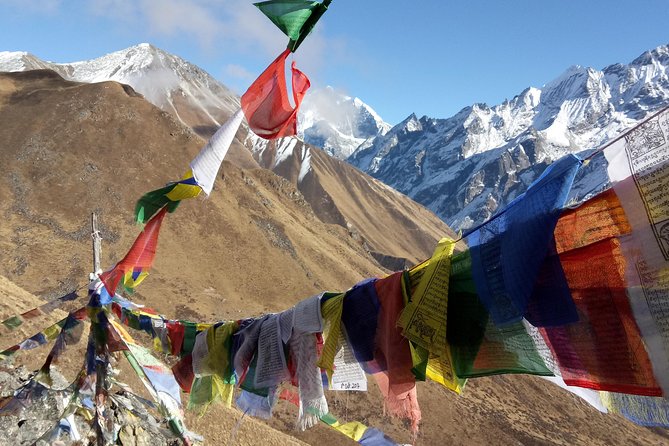
- Private guide and group-only participation so you’re not squeezed into a crowd
- All required permits covered (TIMS and national park fees), which saves hassle in Kathmandu
- Local lodge lodging on trek days with breakfast included for 6 mornings
- Sharing jeep transport to Syabrubesi and back, so you skip a lot of complicated driving logistics
- Time built in at Kyanjin Gompa for a rest day plus an excursion window
- Support from a team that gets praised for making the trek feel steady and well organized
Langtang Valley Trekking: why this quieter route feels worth it
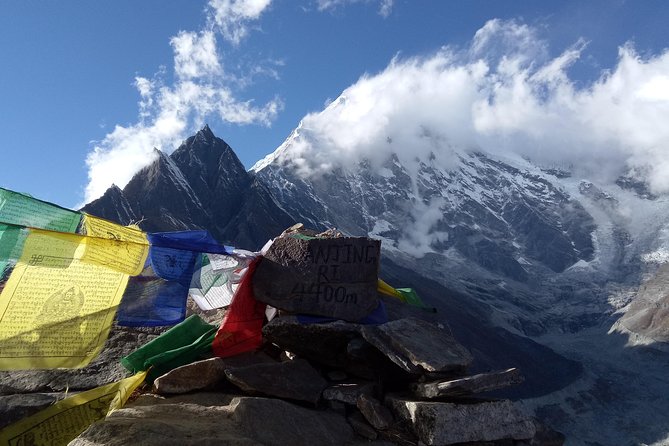
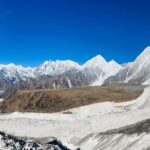
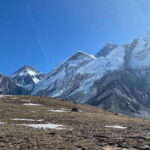
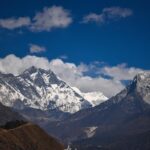
Langtang Valley is the kind of trekking region where you feel the scale of the mountains without constant busy chatter. The trail runs through forests and farmland before turning more alpine near Langtang village and onward to Kyanjin Gompa. The vibe is peaceful and that matters. When you’re doing long walking days, it’s a relief to not feel like you’re dodging people every step.
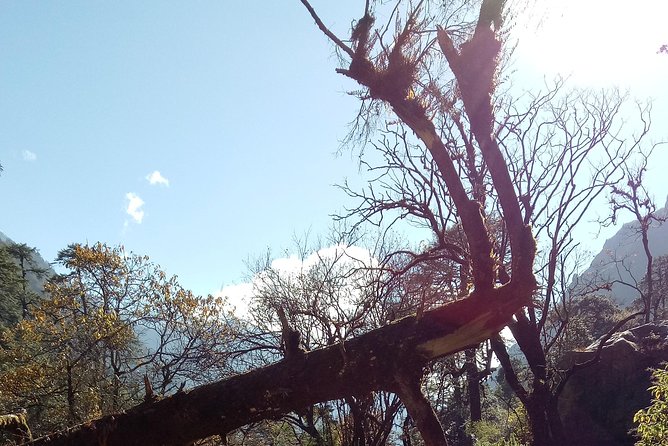
What also works is the mix of scenery types. You’re not just doing one long “pretty views” walk. You get water features (waterfalls), lived-in villages, and the gradual change in vegetation as you climb. That variety helps mentally, especially on the tougher long day.
Finally, the itinerary uses a slower middle section. You go from a big effort early on into days where you can actually take in what you’re seeing instead of constantly chasing daylight. That rhythm is a big part of why people come away happy rather than wrecked.
You can also read our reviews of more tours and experiences in Kathmandu.
Price and logistics: what $700 buys you (and what you still handle)
At $700 per person for about 8 days, you’re paying for the parts that can turn stressful if you try to DIY. This includes a professional trekking guide, hotel pickup and drop-off in Kathmandu, necessary permits (TIMS and national park fees), and transportation by sharing jeep KTM–Syabrubesi–KTM.
It also includes the trekking crew’s expenses, plus meals and accommodation during the trek days. On paper, that’s a lot. In real life, it means you’re less likely to lose time bargaining, hunting for permits, or figuring out what paperwork you forgot. I also like that you get equipment support: a sleeping bag and duffle bag are provided if needed during the trek. That’s helpful if you’re traveling light or want less gear to manage in Kathmandu.
What you should budget separately:
- Food and drinks beyond breakfast
- Your travel insurance
- Accommodation in Kathmandu (the trek nights are handled, but Kathmandu nights aren’t)
One more small reality check: you’ll be in local lodges on twin sharing. That can be perfectly fine, but it’s not a hotel. If you expect Western-style rooms, plan for more basic facilities and bring what you need for comfort.
Day 1 from Rasuwa to Syabrubesi: long drive, big start
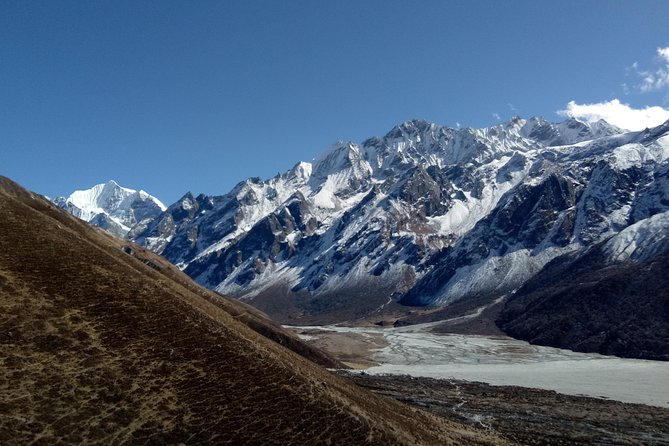
Day 1 is a drive from Kathmandu to Syabrubesi via Rasuwa. Expect about 12 hours in the jeep, and it starts with pickup from your hotel. The start time is 4:45 pm, which means you’re starting the day (night, really) under artificial light and heading into the mountains after dark.
This is a “sleep as you can” kind of day. You’re not hiking yet, but the travel time matters because you’ll wake up ready for a long trekking day the next morning. If you’re the type who can’t sleep in vehicles, consider bringing an eye mask and something to block noise.
Syabrubesi is a common jumping-off point for the Langtang region, and the value of reaching it on Day 1 is simple: you don’t spend your first day trying to catch up. You also avoid the stress of late-arriving transport, since pickup is handled.
Day 2 to Lama Hotel: your first serious walking day
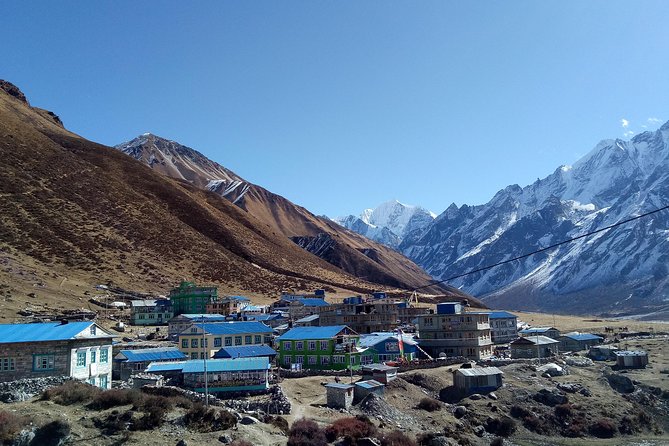
On Day 2, you trek from Syabrubesi to Lama Hotel for about 12 hours. That’s the first major test of your legs and pacing, even if the trail isn’t always steep.
Why this day is important: it’s where your hiking rhythm gets set. Start slower than you think you need to. On longer days, going out too hard usually leads to a late-day struggle that steals your enjoyment. Build consistency: steady steps, short breaks, and water.
A good sign here is that you’re not thrown into a complicated logistics puzzle. You’ll have a guide, and the overnight lodge setup is part of what you’re paying for. That turns the focus back on the trail and not on coordinating where you sleep or eat.
Day 3 to Langtang village: the pace turns more scenic
Day 3 takes about 5 hours as you trek toward Langtang village. This is where the trek begins to feel more like a journey through a living area rather than just a climb.
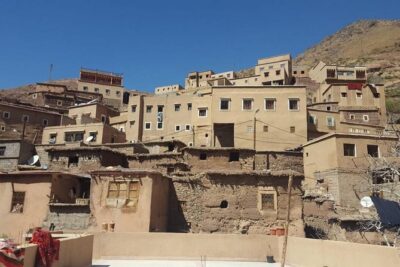
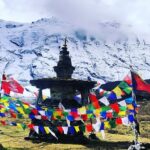
The region’s mix is what stands out: you’ll pass forests and likely see more open pockets of farmland before the village feel becomes clearer. If you enjoy small moments—people going about daily life, prayer flags, houses tucked into the terrain—this is a great day to practice noticing details.
The benefit of the shorter day is real. At 5 hours, you can arrive with enough daylight left to settle in, eat well, and still have energy to take in the area around your lodge. Long days teach you endurance, but short-to-medium days help you actually enjoy the place.
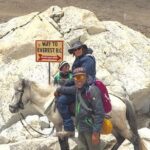
Day 4 to Kyanjin Gompa: reaching the monastery area
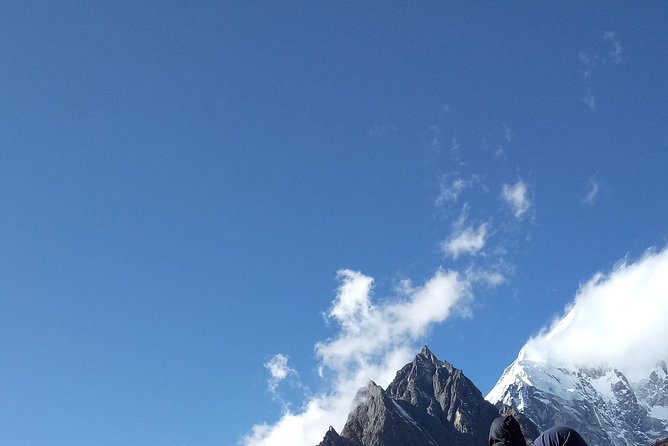
Day 4 is another roughly 5-hour trek as you head to Kyanjin Gompa. This is one of the key destination areas on the route, and it’s where the scenery tends to look more dramatic and alpine.
Kyanjin Gompa is special partly because of what it represents: a religious and cultural focal point that also functions as a base for short excursions and viewpoint walks. Even if you don’t go far beyond the main area, the setting feels more intense than the lower villages.
One practical drawback to keep in mind: lodge availability and conditions can be basic. You’ll want to keep your layering system simple and effective, since mountain weather can shift. Even when the trek day is moderate in hours, temperatures can surprise you when you stop moving.
Day 5 at Kyanjin Gompa: rest day with an excursion window
Day 5 is listed as a rest and excursion day at Kyanjin Gompa (about 3 hours for the excursion portion). This is a smart design. A rest day helps you recover from the previous walk and still gives you something active to do.
Here’s how you should think about this day: you’re not just taking a break, you’re also using time for optional exploration. Past trekkers have talked about walking toward higher viewpoints from the Kyanjin Gompa area, including Kyanjin Ri around 5,000 m. That’s not guaranteed by the schedule alone, but the excursion window is the time when you can ask your guide what’s realistic based on weather and group pace.
If you’re prone to overplanning, resist the urge to cram this day. Treat it as a chance to rest your feet, hydrate, and enjoy the atmosphere. Your body will thank you on the descent.
Day 6 back to Lama Hotel: downhill still counts
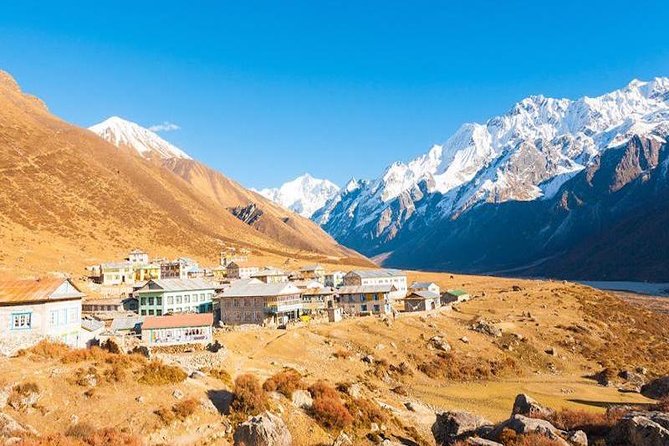
On Day 6, you trek down to Lama Hotel for about 5 hours. People often underestimate downhill. Yes, it can feel easier mentally, but it can be harder on knees and ankles. The trick is to control your steps and avoid long strides.
This day also changes your perspective. Walking back through the same general corridor helps you notice what you missed earlier—water, tree types, and the way the valley narrows and opens. It can feel like getting a second look with your body finally warmed up.
Because lodging and meals for the trekking days are handled, you won’t be scrambling for the next overnight stop. You can focus on walking safely.
Day 7 down to Syabrubesi: the final trail push
Day 7 is about 5 hours trekking down to Syabru Besi (Syabrubesi). This is your last hiking day before the jeep return. The good news is the hours are manageable compared with Day 2, but it still matters to take it seriously.
Use this day to pace for arrival, not for bragging rights. Long trekking stretches in Nepal can feel deceptively slow until you hit the end and realize you’re already tired. Keep breaks frequent, and check in with your guide if you feel off.
This is also a day where you’ll likely feel a little emotional. Most people are relieved, but there’s also satisfaction in seeing the route’s arc come to a close.
Day 8 back to Kathmandu via Rasuwa: the end of the road
Day 8 is a drive back to Kathmandu, roughly 4–5 hours. It’s a shorter ride than Day 1, but you’ll still arrive tired. Try to plan your Kathmandu evening for low effort: shower, food, and an early night if you can.
This quick turnaround is another value point of the itinerary. You don’t lose a full extra day to transport. Once you’re back in Kathmandu, you can shift back into city mode without feeling like the trek dragged on forever.
Guides, support, and lodging: where the quality shows
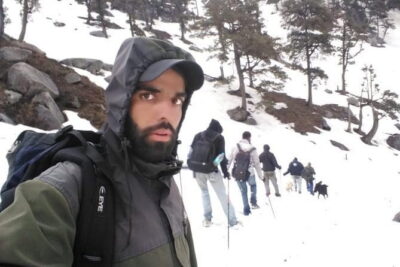
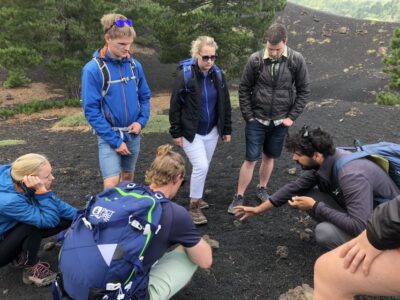
The trip’s strongest ingredient is the human support. A professional trekking guide handles navigation, timing, and decision-making so you’re not stuck guessing. Past experiences with Himalayan Social Journey’s team highlight guides and porters making the experience feel safe and well paced.
You may be paired with guides from a group that includes names such as Raam, Shankar Timalsina, Mingmar, Bishnu, Tika, and Krishna, among others. I can’t promise which guide you’ll get, but the recurring pattern in their teamwork is consistent: they help take the pressure off and make the trek feel organized.
Porters are also part of the support system. When people say they made it to the top and back thanks to their guides and porters, it usually means two things: pace management and practical help when the going gets steep. Even if you’re fit, having that safety net matters.
For lodging, you’ll stay at local lodges during the trekking days on twin sharing. That means smaller rooms, basic amenities, and the need to manage comfort yourself. Your best comfort hacks are simple: a warm layer for evenings, a good sleeping bag (you’re provided if needed), and a small pack of essentials you like in any accommodation.
Who should book this Langtang trek, and who should reconsider
This trekking tour fits best if you have moderate physical fitness and you’re comfortable with multiple long walking days. Day 2 is about 12 hours of trekking, and Day 1 involves an extended jeep ride. If you train and pace well, you’ll likely find it rewarding.
It’s not recommended for children under 12, and that’s consistent with the effort level and basic trekking conditions.
Consider also your tolerance for basic lodging and extra costs for food beyond breakfast. If you want a fully inclusive, resort-style experience, this route isn’t built for that. If you want a guided trek through Langtang with solitude, village life, and classic trekking scenery, it’s a strong match.
Should you book Langtang Valley Trekking for 8 days?
I’d book this trek if you want an organized Langtang experience with permits handled, transportation managed, and a private guide supporting just your group. The value is strongest if you’d rather spend your energy on walking and scenery instead of permit paperwork and logistics.
Hold off if you need a lighter walking schedule, dislike long travel days, or require private single-room accommodations. Also be sure to plan for food beyond breakfast and bring or use your provided sleeping bag smartly for comfort.
If your goal is a calm, authentic-feeling Langtang trek with real mountain days and guided confidence, this is the kind of trip that delivers.
FAQ
How long is the Langtang Valley trekking experience?
It’s listed as 8 days approximately.
Where do you start, and what time is pickup?
The experience starts with pickup from your hotel in Kathmandu, with a start time of 4:45 pm.
Is transportation included to and from the trekking area?
Yes. You travel by sharing jeep Kathmandu to Syabrubesi and then back to Kathmandu.
What meals are included during the trek?
Breakfast is included for 6 days. Meals and drinks beyond breakfast are not included.
Are trekking permits and park fees included?
Yes. Necessary permits, including TIMS and national park fees, are included.
Is it suitable for children?
It’s not recommended for child aged under 12.