REVIEW · MARRAKESH
Marrakech: 3-Day Atlas Mountains Berber Villages Trek
Book on GetYourGuide →Operated by Marrakech Day Trips - Tours · Bookable on GetYourGuide
Three days in the High Atlas slows you down. This Marrakech-area trek is all about real Berber village life and the dramatic mountain views that open with every pass climb. You also get full meals with family guesthouse stays, which makes the days feel simpler than most hiking trips.
What I like most is that the route keeps you moving through villages, not just chasing a summit photo. The drawback is that lodging is basic, and the walking includes steep up-and-down sections, so you’ll want solid hiking shoes and a steady pace.
The best part is the human scale: a small group (up to 16) with a licensed local guide, plus a mule for carrying the extra bits so your pack stays reasonable.
In This Review
- Key highlights worth planning for
- Why this trek feels more like village life than a summit grind
- Getting from Marrakech to the start: Imlil and your first taste of altitude
- Day 1: Imlil to Tizi n’Tamaterte, then Tachdirt or Tinghourine
- Day 2: Oudit Pass, village-to-village walking, and an optional hamam
- Day 3: Waterfalls in the national park area and the Mzik Pass big-view moment
- The guide, the mule, and the meals: how the trip stays easy to manage
- Price and value: what $159 really covers
- How difficult is it, really? (And what to do if you’re cautious)
- What to pack for a High Atlas 3-day trek
- Who should book this trek, and who should skip it
- Should you book this Marrakech Atlas Mountains Berber villages trek?
- FAQ
- How long is the Marrakech 3-Day Atlas Mountains Berber Villages Trek?
- Where do I start, and is pickup included?
- What’s included in the price?
- How many people are in a group?
- What languages is the guide available in?
- Is the trek difficult?
- How high will we hike?
- Where do we sleep each night?
- Are meals provided?
- Who shouldn’t take this trek?
Key highlights worth planning for
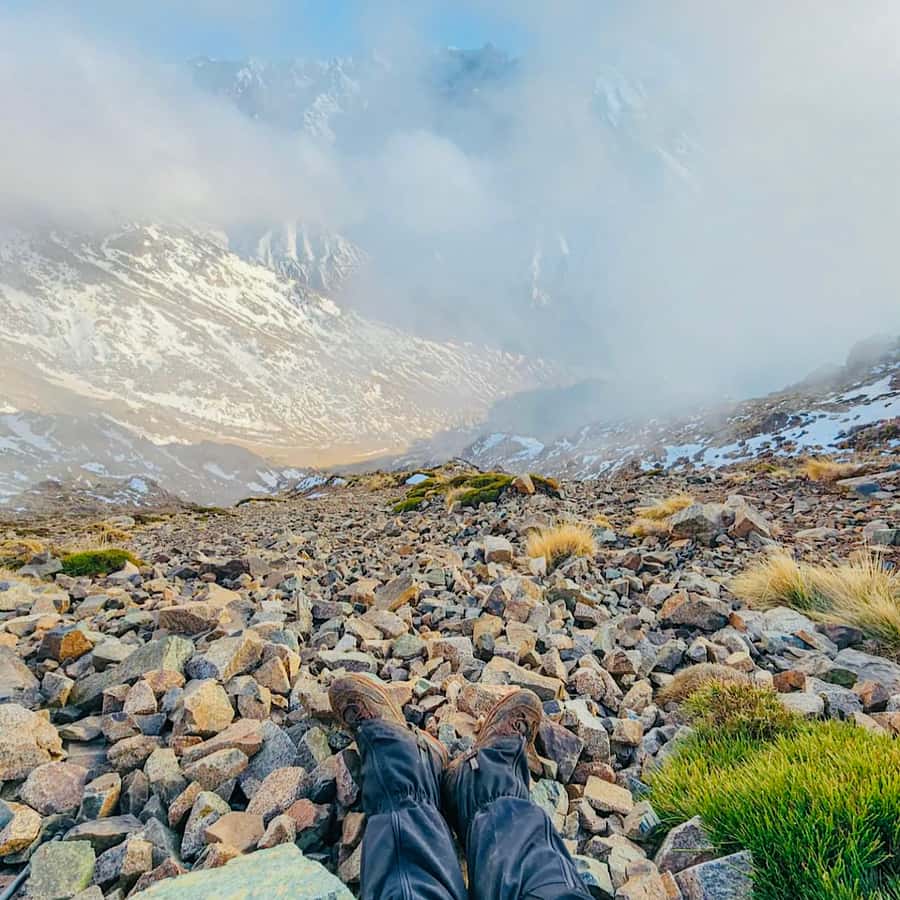
- Pass-crossing trekking: Tizi n’Tamaterte (around 2300m), Oudit Pass (around 2200m), and Mzik Pass (around 2500m)
- Family guesthouses and gites: overnight stays with local hospitality instead of hotel routines
- Waterfall time: including Azib Tamsoulte and the big falls in the Toubkal National Park area
- Village life focus: hikes designed for rural rhythm, not a mountaineering push
- Mule support for your bags: you can hike lighter while the mule handles luggage transfers
- Optional recovery hamam on Day 2 in Ait Aissa
Why this trek feels more like village life than a summit grind
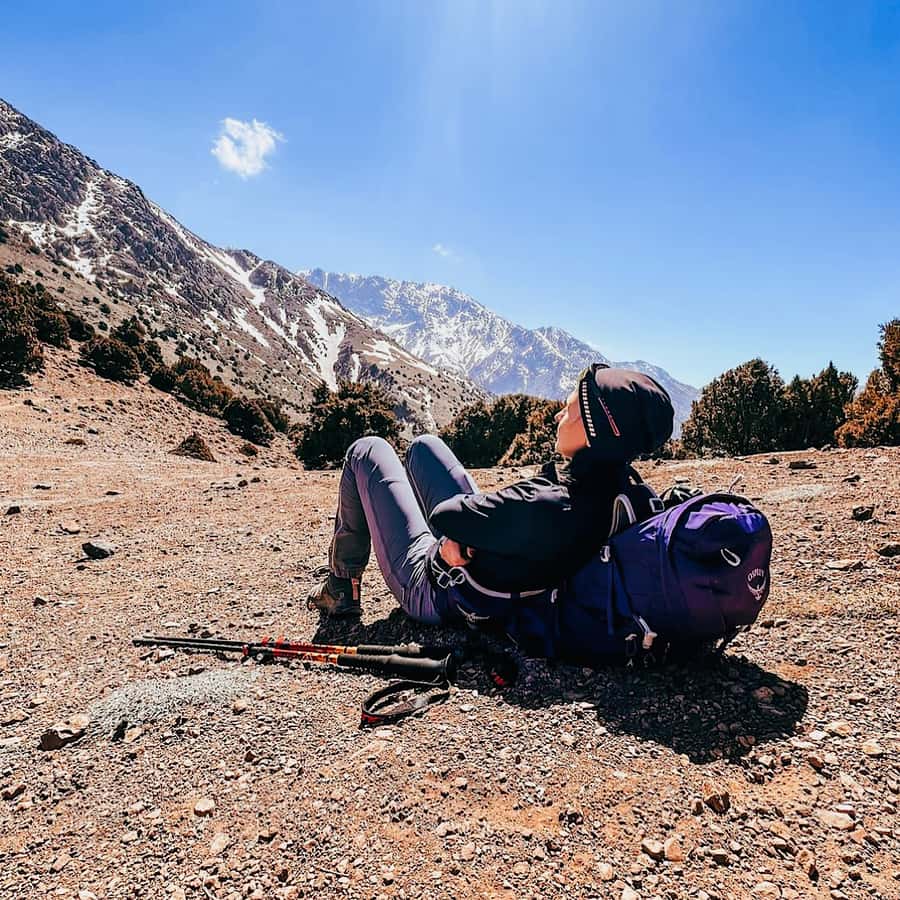
If your idea of the Atlas is Toubkal peaks and fast altitude ego, this route takes a different angle. It keeps you at village height for much of the trek (often around 2000m) and spends the days among traditional settlements, rivers, and passes. You’ll still climb high, but the reward is local life and wide-open views, not just altitude bragging.
I also like how the trip balances effort with comfort. You’re not trekking alone or figuring logistics on the fly; you’ve got a licensed guide and meal support, plus transfers from Marrakech. That matters because High Atlas hiking is where small planning mistakes become big ones fast.
One more practical note: the route is technically not difficult, and you don’t need mountaineering experience. Still, expect steep accents and descents, and bring the kind of shoes you’d trust on uneven stone paths.
Getting from Marrakech to the start: Imlil and your first taste of altitude
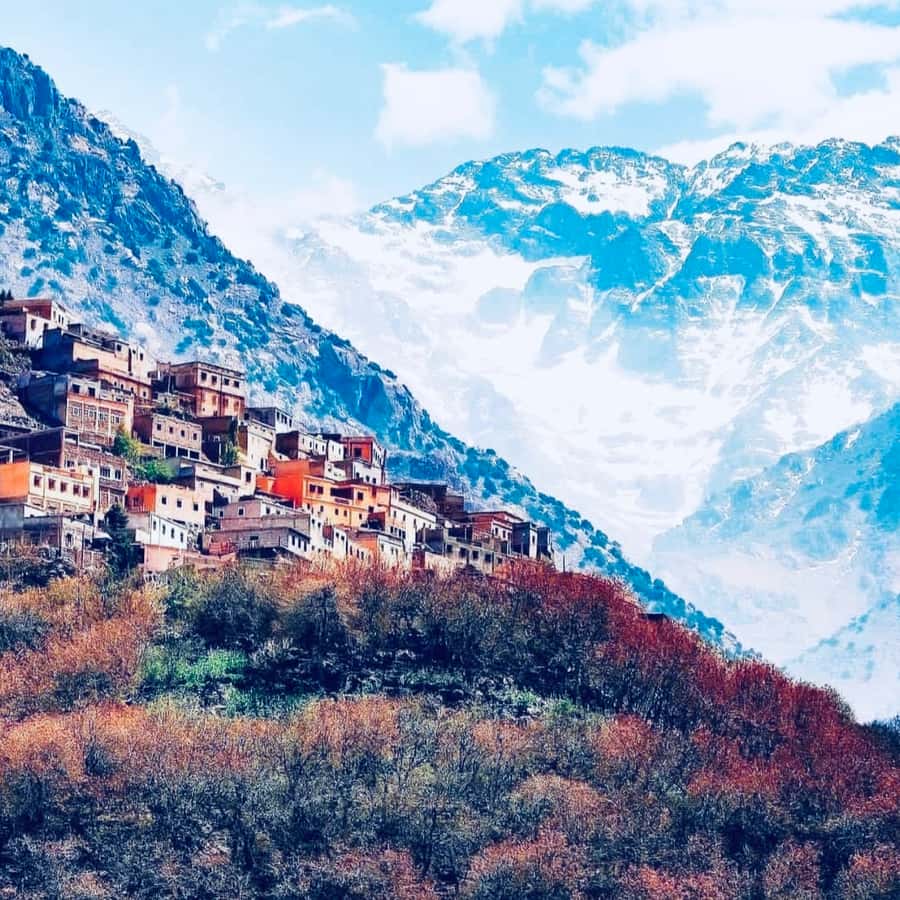
You start with hotel pickup in Marrakech and transfer into the High Atlas. If you’re staying in a riad in the medina (where cars can’t reach), you’ll confirm a meeting point in advance via WhatsApp or email. Then it’s off toward Imlil, your Day 1 starting point at about 1740m.
Imlil is a smart starting place because it helps you ease into the terrain. By the time you’re walking uphill, you’re already in the right zone physically—more “hike” than “suddenly sprint into mountains.”
Don’t ignore the altitude feeling here. Even if the trek isn’t mountaineering, your breathing can change on the climb, and that’s normal. Slow steps help more than fast ones.
Day 1: Imlil to Tizi n’Tamaterte, then Tachdirt or Tinghourine
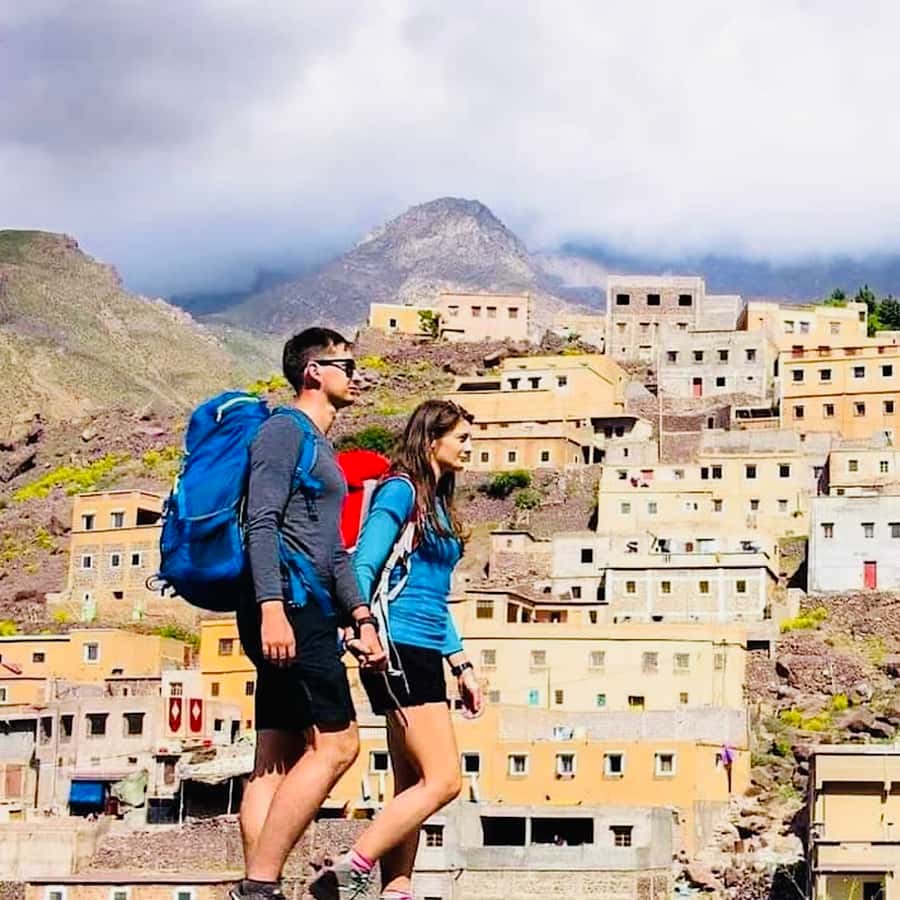
Day 1 is about 5–6 hours of walking, climbing from Imlil (roughly 1740m) up to Tizi n’Tamaterte (around 2300m). After reaching that high pass area, you’ll have lunch on the pass before you head down toward the last village of the day—either Tachdirt or Tinghourine.
This is the day where the Atlas scenery really starts stacking up. The top-of-pass lunch isn’t just fuel; it’s your first real “look around” moment with the kind of wide views that make you slow your thinking. When you’re high up, the mountain air and the open valley lines can feel oddly calming.
The village arrival at the end of the day is also the emotional pivot. Instead of rolling into a generic stop, you’re heading into an overnight family guesthouse experience. Expect warm hospitality and an end to the day’s decision-making—tea, food, and rest.
Practical drawback: Day 1 includes a significant ascent for a multi-day trek, so pacing matters. Start slower than you think you need, especially on the steeper sections.
Day 2: Oudit Pass, village-to-village walking, and an optional hamam
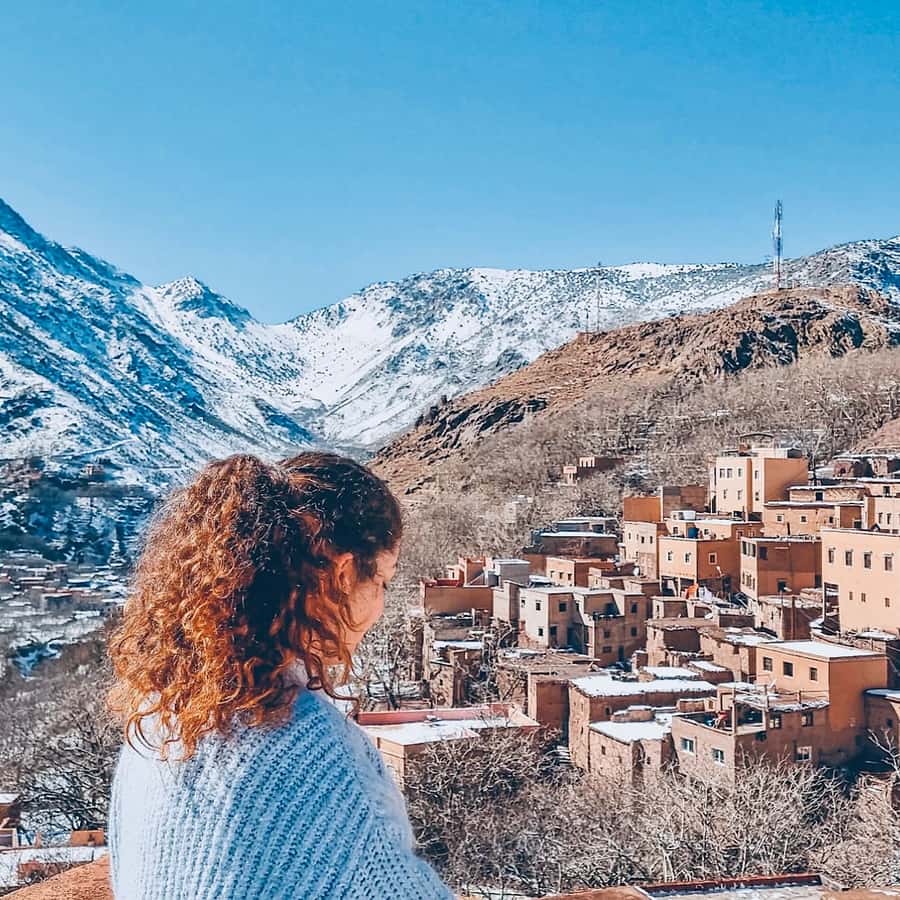
Day 2 is longer, about 6–7 hours, with more village-hopping. The route goes from Tinghourin or Tachdirt to Ikkis, then Aguersiwal (around 2100m), on to Matat, and finally Ait Aissa.
One of the key moments is crossing the Oudit Pass (around 2200m). Pass days can be mentally tricky because you’re working steadily while your view keeps widening. If you keep your effort smooth—no sprinting on the uphill—you’ll enjoy the panorama rather than fight it.
In the evening, you stay at a gite in Ait Aissa. And here’s a real comfort bonus: there’s a steam bath (hamam) available if you want to use it. If your legs feel beat up, the hamam can be the difference between “fine” and “I’m ready for Day 3.”
The day also reinforces why this route works. You’re not just walking through the mountains; you’re moving between places where people live year-round. That’s where the Berber culture focus becomes more than a marketing phrase.
Day 3: Waterfalls in the national park area and the Mzik Pass big-view moment
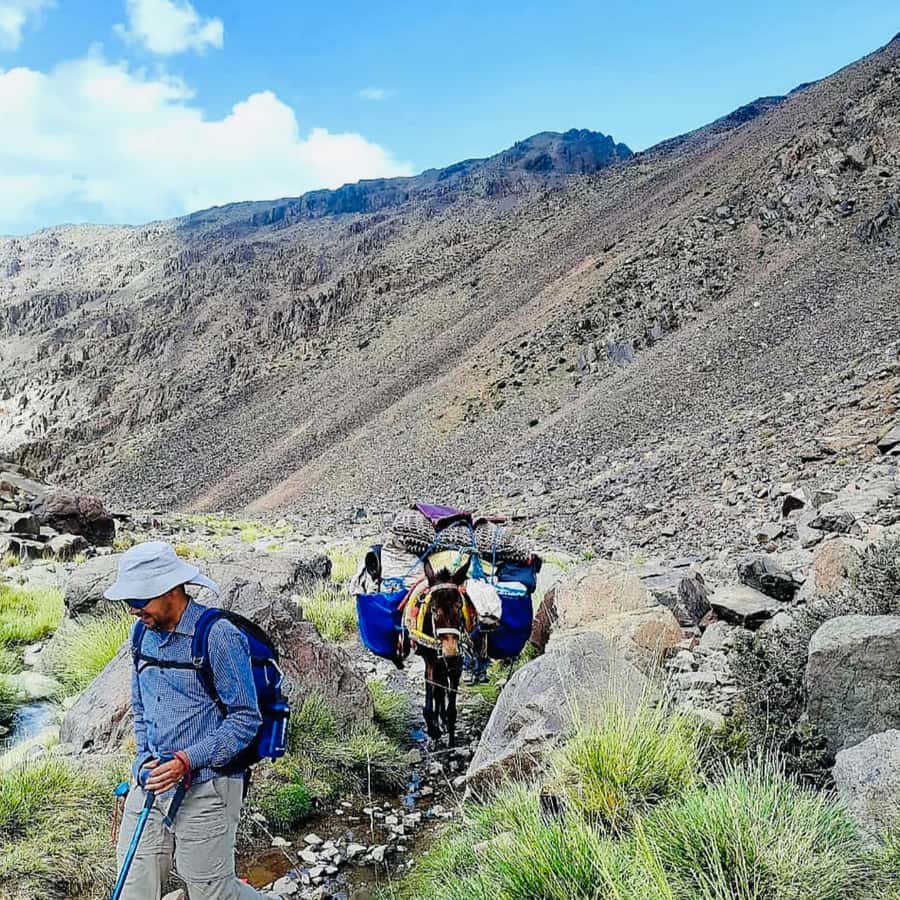
Day 3 starts with walking from Ait Aissa or Tizi Oussem and leads into the waterfall segment. You visit the biggest waterfalls in the Toubkal National Park zone, plus the trip is highlighted for Azib Tamsoulte, so plan on some satisfying wet-rock scenery time.
After the waterfall stop, the route heads over the Mzik Pass (around 2500m). This is your big “stop and look” moment, with views over the Ait Mizan valley. You’ll likely feel the day’s altitude more here than earlier, but it’s also the payoff because the views are huge and the air often feels crisp.
Then it’s back down on the path toward Imlil, with lunch around Mzzik before you trek down. Total walking time is about 6 hours, followed by the transfer back to Marrakech.
If you’re the type who likes to photograph as you go: this is where you should save battery and patience. Pass light can shift quickly, and waterfall areas can fog lenses if you’re not careful.
The guide, the mule, and the meals: how the trip stays easy to manage
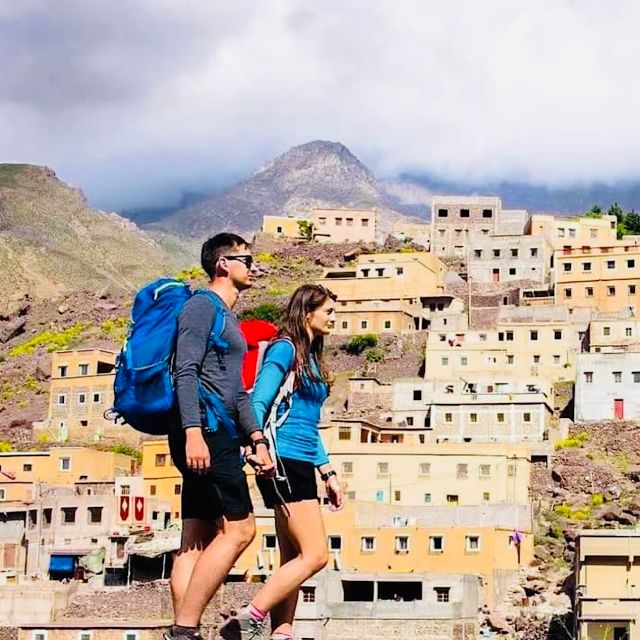
A good Atlas guide makes or breaks a trek like this. The tour uses a licensed and experienced guide, and the standout theme in the experience is storytelling with context. Guides such as Mohamed, Mustapha, Abdul, Ismail, and Hussein show up in the info you can learn from, and the common thread is a focus on village history and how daily life in the mountains is changing.
That matters because the trek isn’t only scenery. It’s your explanation layer: why villages look the way they do, how people move between valleys, and what rural routines involve.
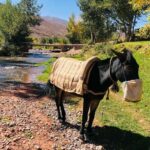
Then there’s the mule. You hike with less luggage, while the mule carries the bags that don’t need to be on your back all day. That makes a practical difference on a multi-day trek, especially if your pack tends to get heavy from “just in case” items.
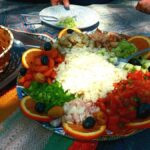
Meals are fully included, which is a huge quality-of-life factor. On mountain days, you don’t want to hunt for snacks or guess portions. You also don’t have to negotiate with half-formed language skills after a long climb—you can stay focused on the walk.
Price and value: what $159 really covers
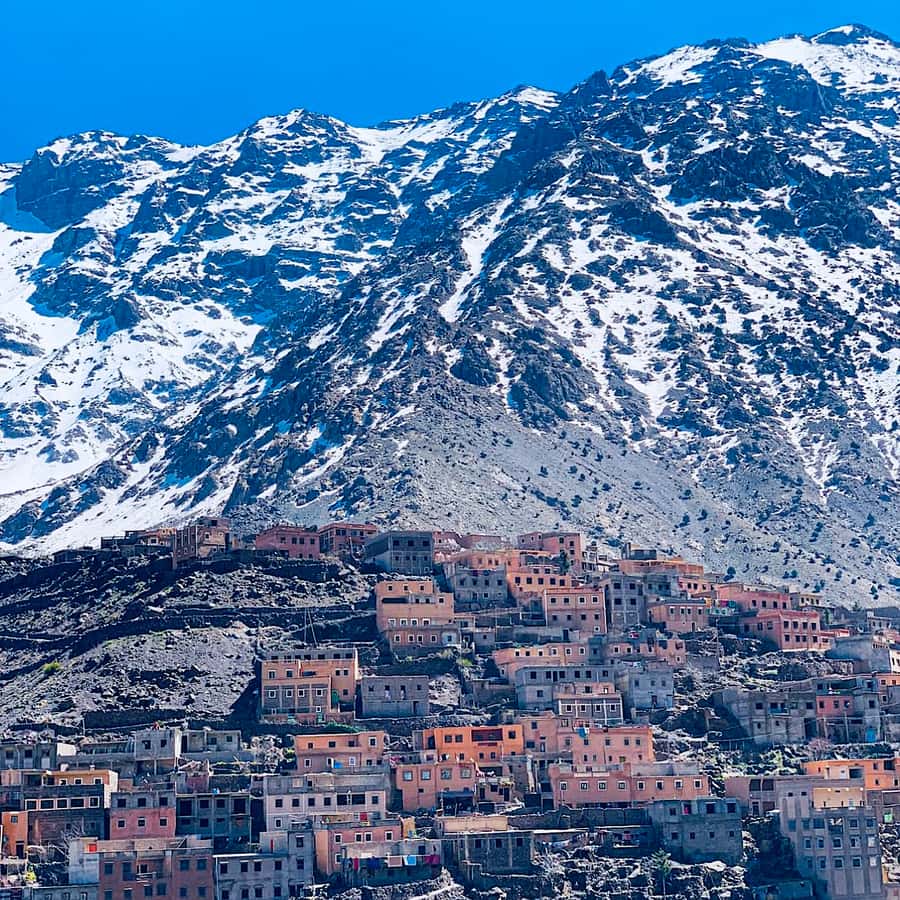
At $159 per person for 3 days, this trek is mainly good value because it bundles the things that usually cost time and energy.
Included basics that add up:
- hotel pickup and drop-off in Marrakech
- a local guide
- mule support
- all meals
- accommodation in guesthouses/gites
For hikers, the real value isn’t the price tag—it’s how much friction this removes. Without support, you’d spend time arranging transport, meals, and lodging, and you’d still need local knowledge for the routes.
The tradeoff is that you’re not paying for luxury. Guesthouses and gites are part of the rural experience, and conditions are basic. If you go in expecting a comfortable hotel bed, you’ll be disappointed. If you go in ready for simple and clean, you’ll likely enjoy the authenticity.
How difficult is it, really? (And what to do if you’re cautious)
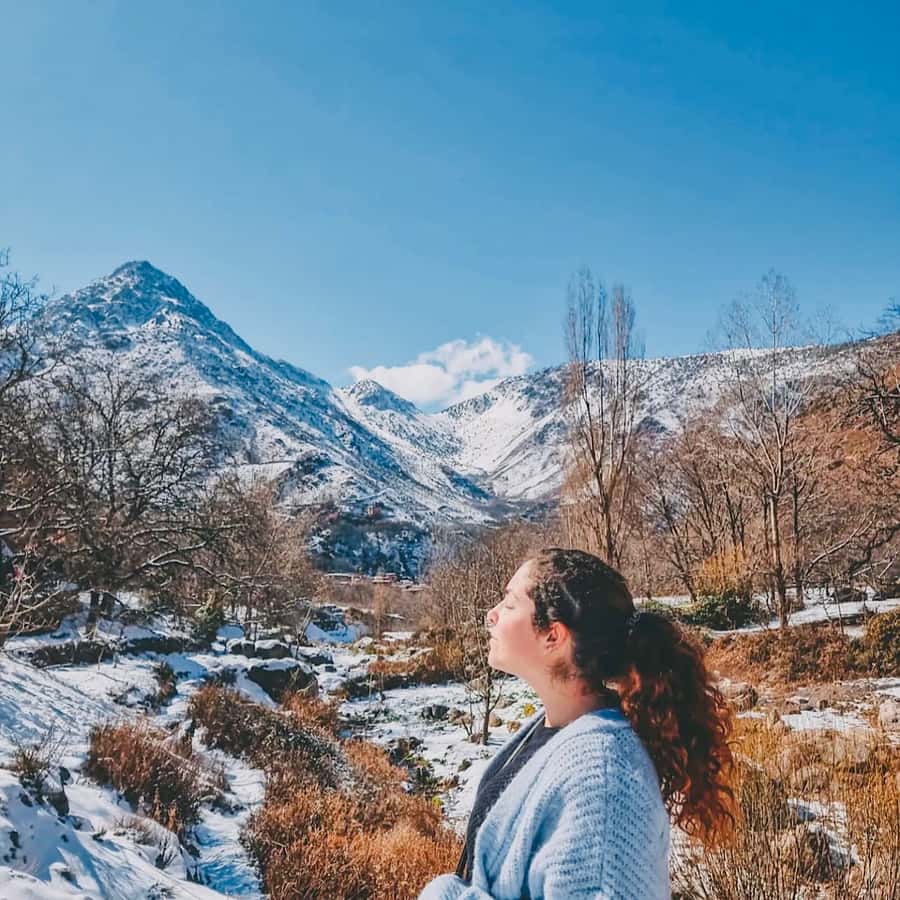
This trek is described as technically not difficult, and you don’t need mountaineering experience. That’s reassuring, but don’t misunderstand it as “easy walking.”
You’ll hike 5–6 hours on Day 1, then 6–7 hours on Day 2, then about 6 hours on Day 3. There are passes around 2200m and 2500m, and the descriptions include steep ascents and descents. The comfort comes from staying safe with the guide, not from avoiding challenging terrain.
My practical advice:
- Keep a steady pace on climbs. Short bursts beat long gasping.
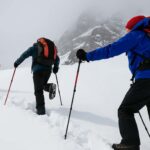
- Use trekking poles if you like them; your knees will thank you on the downhills.
- Dress for weather changes. The tour itself recommends you check the forecast before booking.
Also, it’s not suitable for pregnant women or for people with mobility impairments, so choose wisely if you’re managing health or access needs.
What to pack for a High Atlas 3-day trek
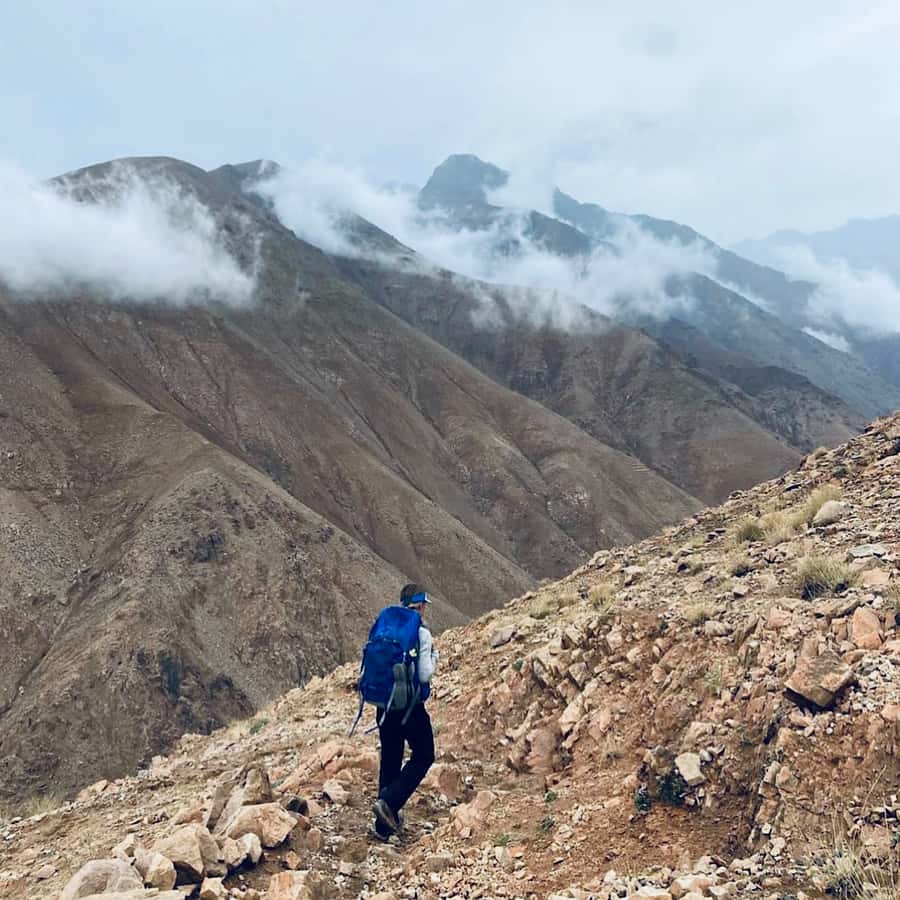
You’ll hike at altitude for multiple days, so pack like you’re going to sweat, then cool down later.
Bring:
- passport (the tour lists it)
- comfortable shoes
- hiking shoes
- hiking pants
- camera
And here are two tips that fit the reality of the route from people who’ve done it:
- Bring quick-dry towels for drying off and staying comfortable.
- Bring loo roll, because mountain trips can come with very basic facilities.
Layering is key. Even without a specific temperature forecast, passes and valley changes can swing your comfort level fast.
Who should book this trek, and who should skip it
This trek is a great match if:
- you want Berber village life more than you want a peak challenge
- you enjoy guided hiking with cultural context
- you’re comfortable with moderate daily walking and altitude up to around 2500m
- you like the idea of sleeping in family guesthouses rather than standardized hotels
You might skip it if:
- you’re pregnant (not suitable)
- mobility limits make stairs or uneven paths hard (not suitable)
- you need luxury accommodations and full-time private comfort
- you dislike the idea of long walking days and steep sections, even if the route is safe and manageable with a guide
Should you book this Marrakech Atlas Mountains Berber villages trek?
I’d book it if your goal is connection over conquest. The route is built for village rhythm: passes, rivers, waterfalls, simple stays, and a guide who explains what you’re seeing. At $159 with transfers, meals, accommodation, and mule support, it’s one of those trips where value comes from reduced hassle.
Don’t book it if you’re chasing an easy flat walk or you’re expecting hotel-level comfort at night. Also be realistic about your body: this is multi-day hiking at altitude, with steep moments, even though it’s technically not mountaineering.
If you’re ready for simple lodging, solid shoes, and a slower pace, this trek can feel like a reset button in the High Atlas.
FAQ
How long is the Marrakech 3-Day Atlas Mountains Berber Villages Trek?
It’s a 3-day trek.
Where do I start, and is pickup included?
Your pickup and drop-off are included in Marrakech. You’ll be met at your hotel reception, and if you’re in a riad in the medina, you’ll confirm the meeting point by WhatsApp or email.
What’s included in the price?
The tour includes a local guide, mule support, all meals, and accommodation, along with hotel pickup and drop-off.
How many people are in a group?
The tour is a small group limited to 16 participants.
What languages is the guide available in?
The live guide is available in Arabic, French, Dutch, English, Spanish, and German.
Is the trek difficult?
It’s described as technically not difficult, and you do not need previous mountaineering experience. Expect some steep accents and descents.
How high will we hike?
Most of the time you hike around 2000m, with passes up to about 2500m (including Mzik Pass).
Where do we sleep each night?
You stay in family guesthouses/gites overnight.
Are meals provided?
Yes, all meals are included.
Who shouldn’t take this trek?
It is not suitable for pregnant women or people with mobility impairments.