REVIEW · ARGANA
3 Days Trek Atlas Mountains Berber Villages from Marrakech
Book on GetYourGuide →Operated by Mouslih tour · Bookable on GetYourGuide
A few days in the High Atlas are hard to forget. This 3-day trek from Marrakech takes you from Imlil into Toubkal National Park and out through village paths with big mountain views and real Berber hospitality. I like how the day pacing gives you time to walk, then actually sit down for tea in someone’s home.
Second, I really like the practical touch of mule-borne luggage and a small group size (up to 15). It makes the trek feel like an experience you can manage, not a grind you just survive. Guides like Mohammed, Yussef, Zakaria (Ziko), and Lahcen show up in real stories, often tailoring the pace when the group needs it.
One thing to think about: communication can be a weak spot before you start, and some meeting-point details have been confusing. If you’re the type who likes everything confirmed to the minute, plan to message by phone/WhatsApp after booking and be ready for small hiccups.
In This Review
- Key Points You Should Know Before Going
- Starting in Marrakech, Then Going Straight to Berber Morocco
- Day 1: Marrakech to Imlil and a Real Mint Tea Welcome
- Day 2: Tizi Mzik to Tamsoult Waterfalls in Toubkal National Park
- Day 3: Oudit Pass, Villages Toward Matat, Then Back to Marrakech
- Price and Value: Why $129 Can Make Sense Here
- Guides and Group Size: Up to 15, but the Real Range Is Bigger
- Difficulty Level: This Is Real Trekking, Not a Gentle Walk
- Where You Sleep and Eat: Riad Comfort First, Then Mountain Practicality
- Packing and What to Wear (So You Don’t Hate Day Two)
- The Booking Moment: What Can Go Wrong and How to Handle It
- Should You Book This Atlas Trek?
- FAQ
- How long is the trek?
- What does the price include?
- What is the biggest hike highlight?
- How big is the group?
- Where do I meet the group?
- What if my plans change last minute?
Key Points You Should Know Before Going
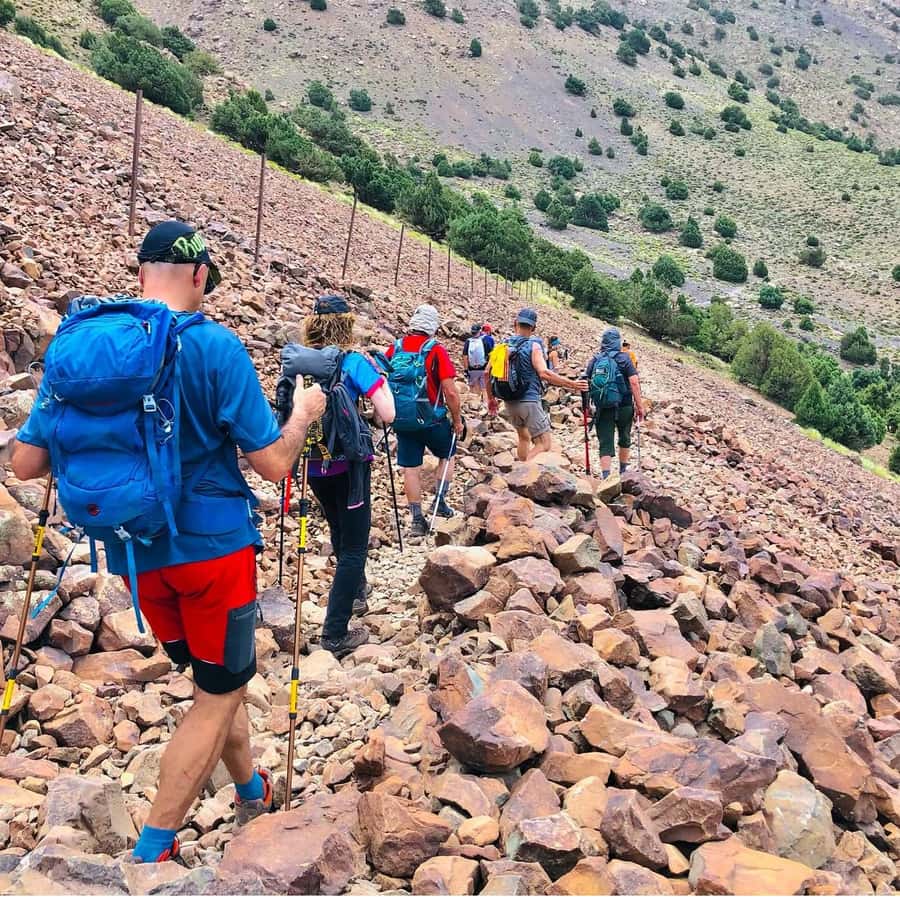
Imlil-to-Toubkal trekking with views that change by valley and altitude
Tizi Mzik (about 2500m) and Tamsoult waterfalls for a proper payoff day
Oudit Pass (about 2200m) and multiple village routes on the return day
Food and tea included, plus water and mule support for your bags
Small group cap of 15, but you may end up with a tiny group or even just you and the guide
Starting in Marrakech, Then Going Straight to Berber Morocco
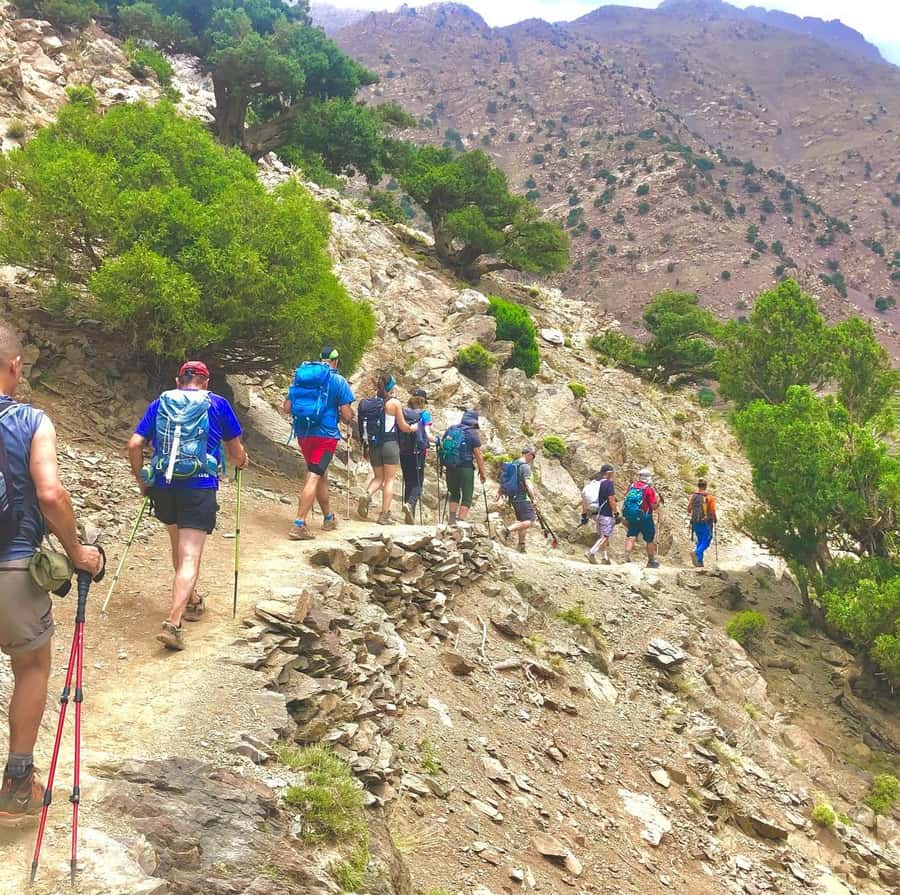
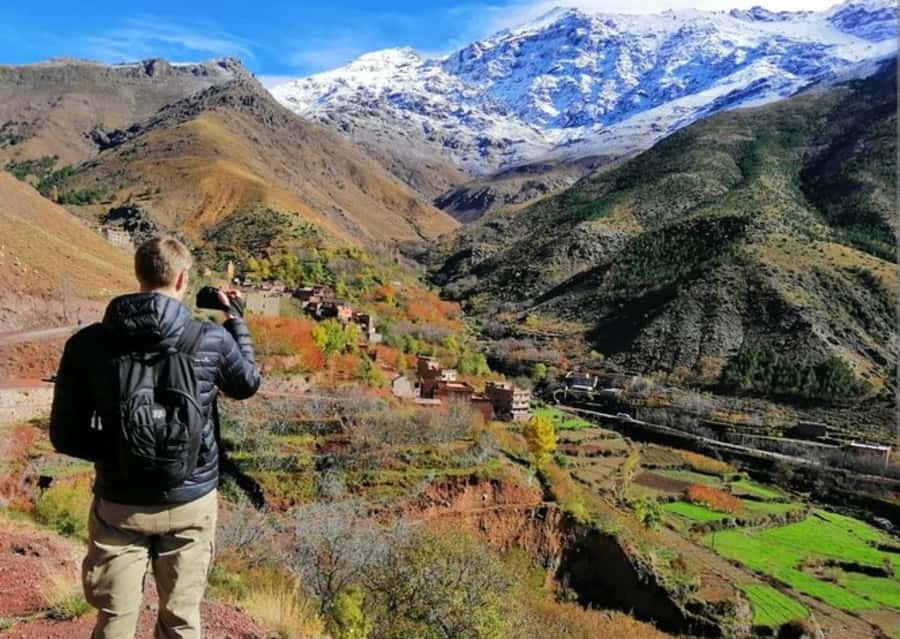
Marrakech is loud, bright, and full of motion. Then, within hours, you’re walking out of the city rhythm and into the High Atlas—a world where daily life still moves around farming terraces, village paths, and mint tea breaks. That swap is the point of this trek: you don’t just see mountains from a viewpoint. You travel through the places people live.
For me, the best part is the sequence. Day 1 eases you in with valley walking and a proper welcome. Day 2 pushes you into Toubkal National Park and brings you to the big natural highlight: Tamsoult waterfalls. Day 3 slows down just enough to make the return feel like a journey, not a retreat.
Day 1: Marrakech to Imlil and a Real Mint Tea Welcome
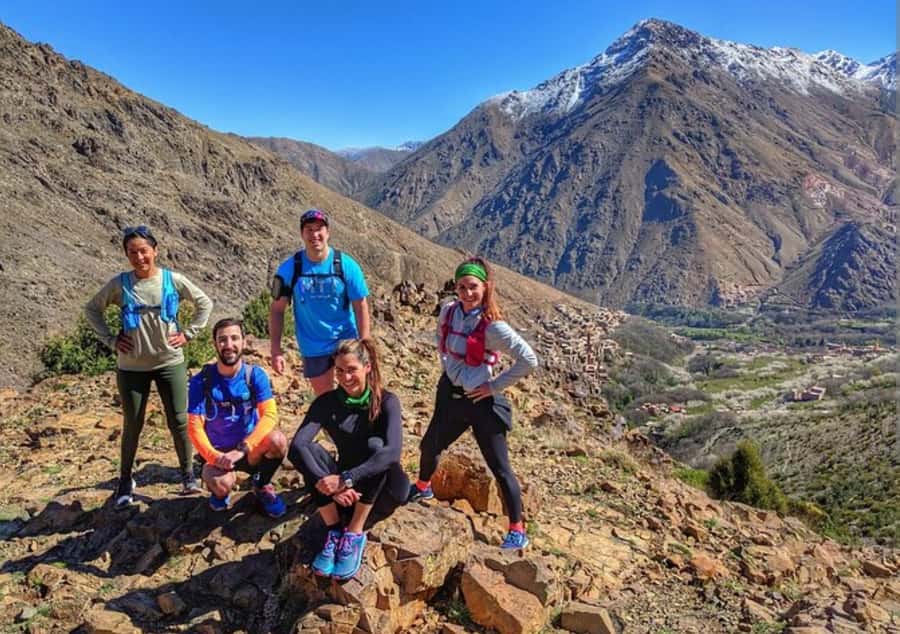
On this trek, you leave Marrakech around 9am and head to Imlil. You start with a walk of about 4 hours through the valley, passing Berber villages and meeting locals along the way. It’s not a race day. It’s a get-your-bearings-fast day.
Early on, you’ll get that classic mountain welcome: a glass of mint tea in a traditional Berber home after about an hour of walking. That tea stop matters more than it sounds. It sets expectations for how the trip works—slow enough to talk, long enough to move, and always tied to place.
Then you’re sleeping in the Imlil area for the night. Many trips like this land you in a riad-style setup—often clean and comfortable, sometimes with a terrace or even extra space like a pool, depending on the specific property used that season.
What to watch for: pack light. Even with mule support for luggage, you’ll still carry what you need for walking—water, layers, and day items.
Day 2: Tizi Mzik to Tamsoult Waterfalls in Toubkal National Park
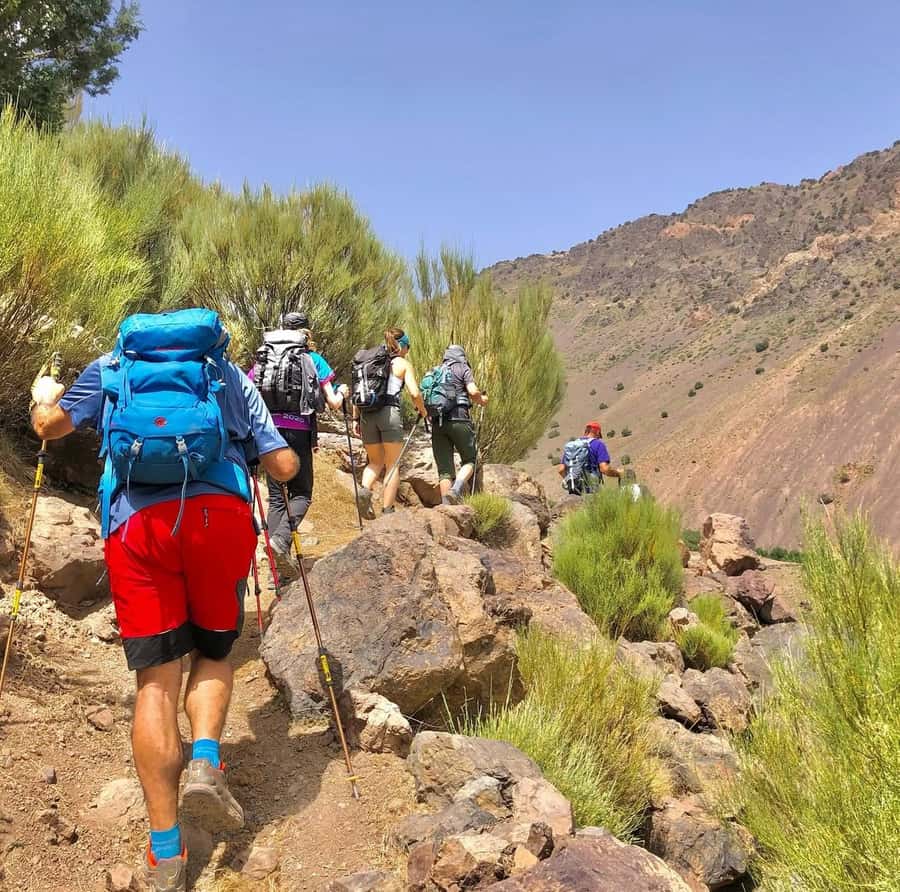
Day 2 is the “work for the reward” day. You’ll be walking for roughly 6 hours, with a route that heads toward Tizi Mzik pass (around 2500m) and offers big views over the Ait Mizan valley.
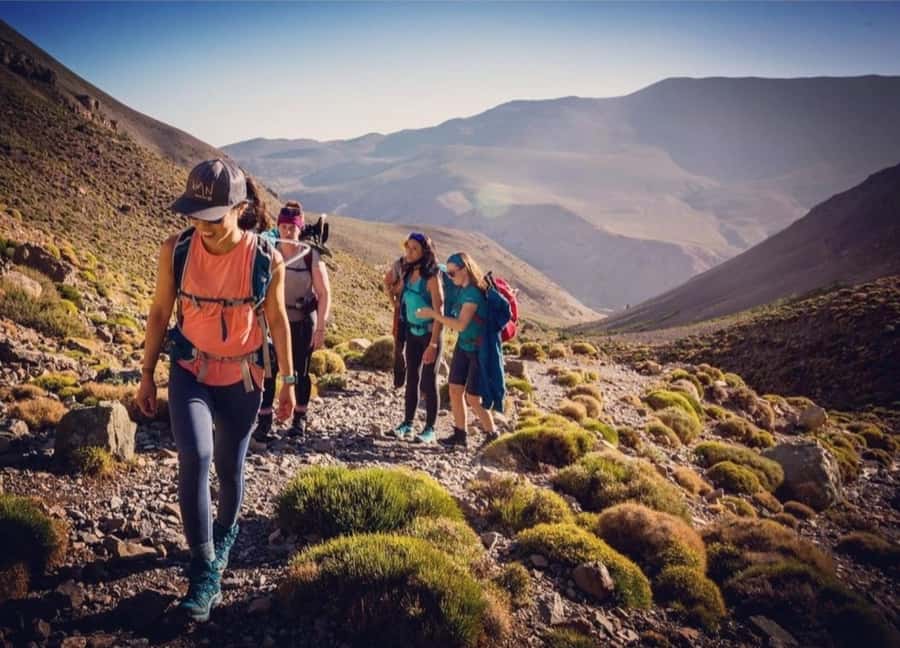
You’re likely to pass through the kind of mountain terrain where the path becomes rocky and uneven. Some trekkers mention rubble along the way, so plan your footwear like you mean it—sturdy boots with grip. The goal isn’t drama. The goal is to keep your footing steady while you enjoy the scenery.
You stop for lunch along the route (often described around Mzzik), then continue toward Tamsoult. This is the day’s headline: the largest waterfall inside Toubkal National Park. In practice, that means you’re not just checking a waterfall off a list. You’re earning it with sustained walking, then you get time to experience the water and surrounding area without rushing.
Solo vs. small group feel: even though it’s a small group, this day can feel different depending on how many people show up. Some trips join another group on the first day; others end up smaller and more flexible. Either way, guides tend to adjust when fitness levels vary.
Day 3: Oudit Pass, Villages Toward Matat, Then Back to Marrakech
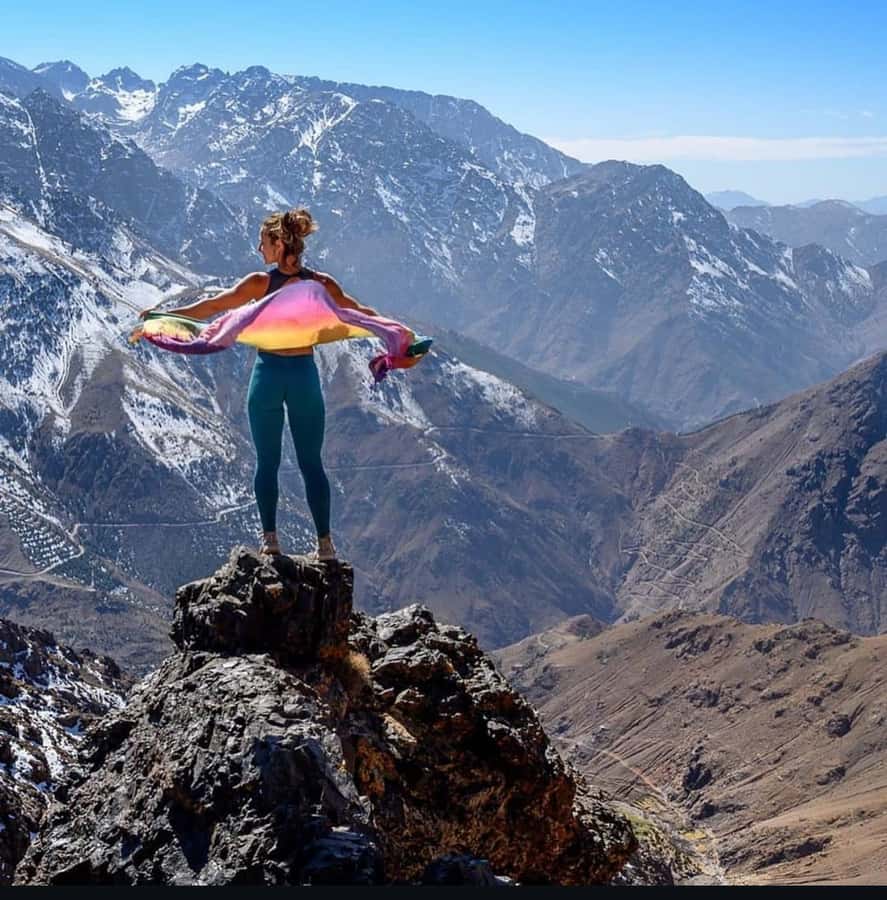
Day 3 brings the return route and a different flavor of views. You’ll trek from Tamsoult toward Matat / Ait Aissa areas, with a walking time around 5 hours. The path continues through picturesque villages, so this isn’t a bare-mountain walk.
A key point on this day is crossing Oudit Pass (around 2200m). That’s high enough to feel like proper altitude trekking, but it’s also the kind of pass where the route tells you a lot about how people move—down to water sources, between hamlets, and across terraces where life continues despite the rugged terrain.
After the walk, you’ll have lunch in the landscape—then meet the driver around Matat for the ride back to your hotel in Marrakech. This ending matters. It’s one thing to hike for three days; it’s another to arrive back in Marrakech without turning the last hour into a scramble.
What to expect on pace: some people can shorten the route if needed, while others keep going for the full circuit. Guides generally try to match the day to the group and individual abilities.
Price and Value: Why $129 Can Make Sense Here
At $129 per person for 3 days, this trek can feel like good value if you compare what’s usually expensive on trips like this: guide time, mountain logistics, meals, and lodging. Here, your cost includes pick-up and drop-off, transportation to and from Marrakech, a guide, two nights of accommodation, food for 3 days, tea, and water.
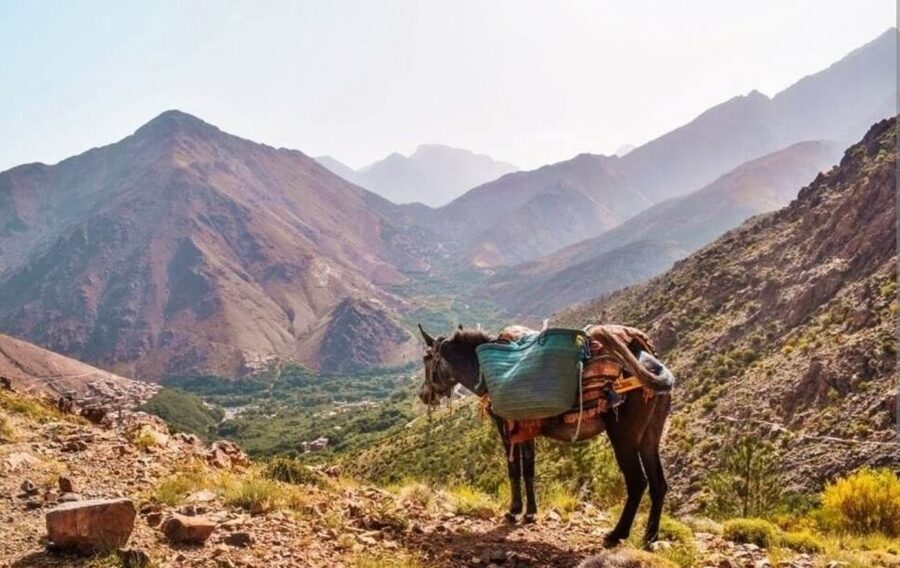
The mule carry is part of the value equation too. You’re not hiking with a heavy backpack strapped to your back all day. You’ll still need your day essentials, but the load is reduced in a way that genuinely changes the experience.
One small note: drinks are not included. That means if you want extras beyond water and included tea, you’ll need to budget for them. It’s easy to handle if you plan ahead, less easy if you assume everything is covered.
Guides and Group Size: Up to 15, but the Real Range Is Bigger
The tour runs as a small group (up to 15 participants), and the guide may speak multiple languages including English, French, Spanish, German, Dutch, Danish, Irish, Greek, Romanian, Slovak, plus Arabic. That language range is useful when you want explanations of what you’re seeing—villages, farming, plants, and local culture.
In real stories, guides show up as the heart of the trip. Mohammed is described as calm and moving at the pace of the group, including tea at his home. Yussef gets praised for communication and care. Zakaria (Ziko) earns credit for a relaxed style and for finding paths the group wouldn’t find alone. Hanan appears in a story where someone requested a comfortable pace and got a female guide for part of the trip.
But here’s the balance: communication before the trip isn’t always smooth. Some people report late pickup details or minor confusion about the meeting point. My practical advice: after booking, confirm key details by message and keep screenshots. If you prefer quick back-and-forth, use the channel your host responds fastest on.
Difficulty Level: This Is Real Trekking, Not a Gentle Walk
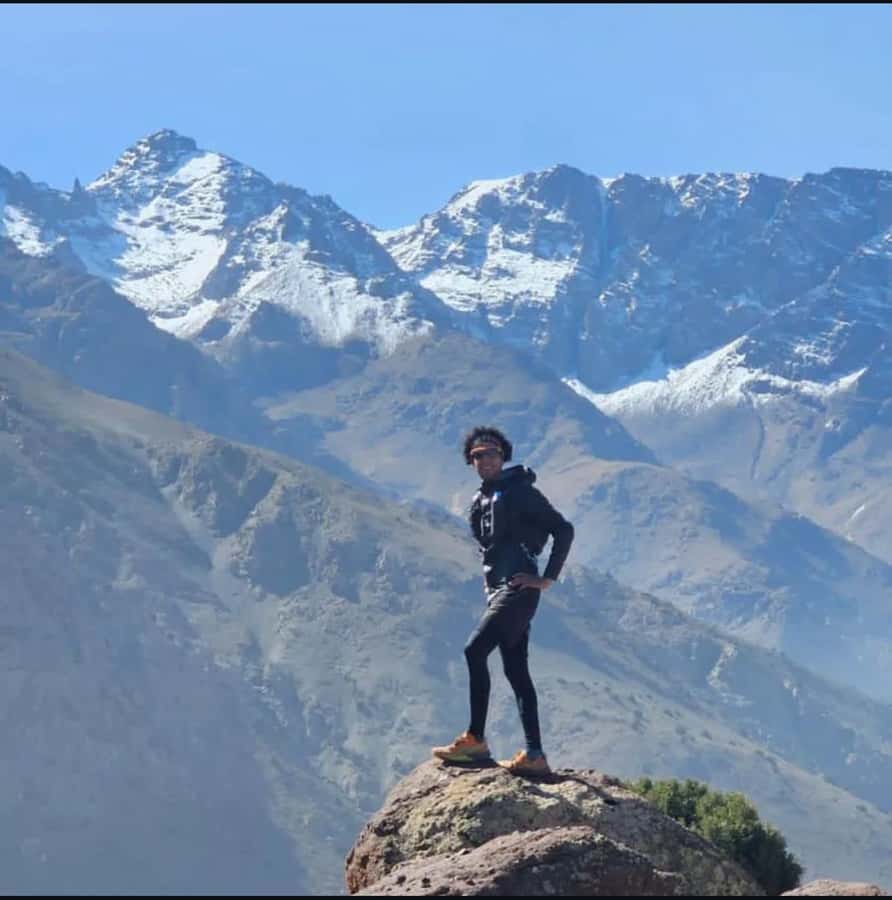
This trek is best for you if you can handle rocky trails and sustained uphill walking. The altitude climbs into the 1700–2300m range, and the day-to-day distances and elevation gains can vary by route choices and group fitness.
One traveler’s breakdown gives you an idea of the effort: day walking can range from something like 5–6 km early on, to a tougher 6-hour day with major ascent in the middle, then a third day around 5 hours with pass crossing. Another story notes an optional peak component around 350m, while others mention the route can be shortened.
Season affects comfort a lot. In August, it can be hot during the day, but cool temperatures hit at night—bring layers. In cooler months, you’ll want warm clothing and a way to protect your legs and hands from cold. Even off-season, you still get the real outdoors: rocky footing, wind, and changing light.
Where You Sleep and Eat: Riad Comfort First, Then Mountain Practicality
You’ll have 2 nights of accommodation during the trek. The first night is often in Imlil, described as a riad-style stay: clean, comfortable, and sometimes with extras like a pool or a terrace view. One traveler also mentions warm showers and towels, which is always nice after a full day on your feet.
The second night is typically more basic—an inn or herberg in a remote area—but still described as decent, with good food given the location. Don’t expect luxury. Do expect hospitality.
Food is one of the most consistent positives. Meals are included each day (breakfast, lunch, dinner depending on the schedule), and tea breaks show up along the route. Vegetarian and vegan eaters are specifically mentioned as accommodated, so you’re not guessing. Some stories note the meals repeat each day but praise them as fresh and very filling, which is exactly what you want when you’re burning calories climbing in altitude.
Packing and What to Wear (So You Don’t Hate Day Two)
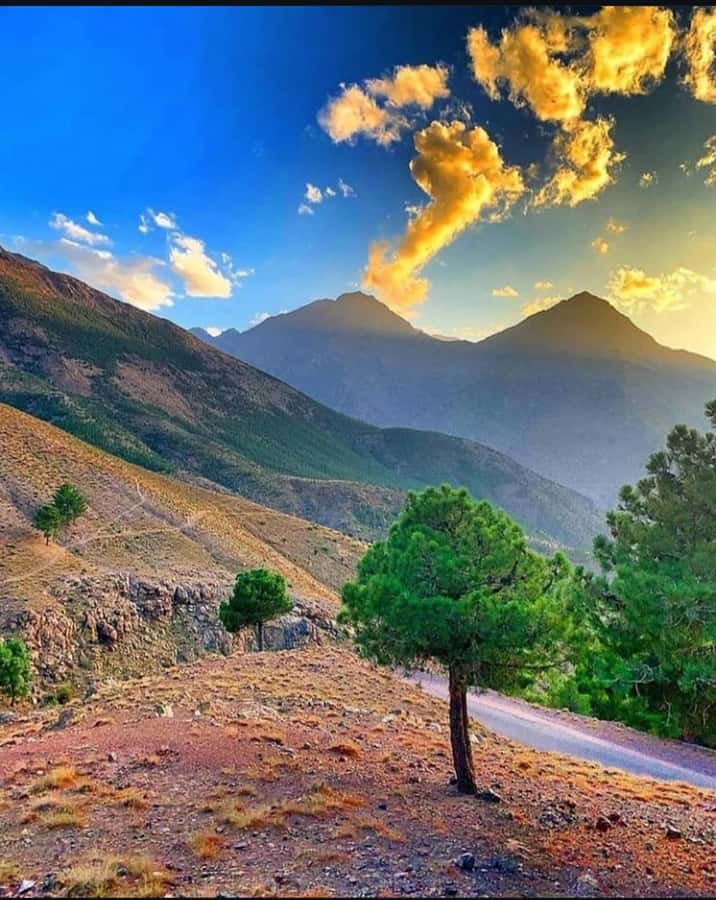
Think like a mountain walker, not a city tourist. You’ll want:
- Sturdy boots with grip (rocky, rubble-y paths happen)
- Layering for temperature swings from valley warmth to cooler pass and night air
- A small day pack for essentials (keep it light)
- Sun protection if you’re going in warmer months
Even though mule carry takes the edge off luggage weight, you’re still responsible for what you bring with you day to day. If you have bulky items, plan to travel with only what you’ll need on the trail.
The Booking Moment: What Can Go Wrong and How to Handle It
I like that this is a free-cancellation up to 24 hours before policy and that it uses reserve now, pay later, so you can keep flexibility if your plans wobble. (Just make sure you actually check the latest message details as the start date gets close.)
The most common hiccups in real-world accounts are not the hikes—they’re the admin details:
- pickup instructions arriving late
- meeting point info on a map being slightly off
- slower responses if you message through an app
If you want this to go smoothly, do this:
- Reconfirm pickup time the day before.
- Use the guide/host contact channel that gets fastest replies.
- Don’t panic if the meeting point looks unfamiliar; the solution tends to be quick once you connect.
Should You Book This Atlas Trek?
Book it if you want a proper High Atlas walking experience with Berber villages, a serious day in Toubkal National Park, and the payoff of Tamsoult waterfalls. It’s also a good match if you like trips where meals and tea are handled for you and you can focus on walking and talking.
Skip it or consider alternatives if:
- you need perfectly smooth communication with zero last-minute surprises
- you’re uncomfortable sharing a walking-focused trip with a male guide (some solo travelers have raised this concern)
- your fitness is closer to casual strolling than hiking with elevation
If you’re in the sweet spot—moderate fitness, a willingness to walk rocky paths, and curiosity about mountain village life—this is the kind of trip that turns Marrakech from a postcard city into a doorway to the Atlas.
FAQ
How long is the trek?
It’s a 3-day experience in the High Atlas Mountains, starting from Marrakech and finishing back in Marrakech.
What does the price include?
The price includes pick and drop-off, transportation to and from Marrakech, a guide, accommodation for 2 nights, water, food for 3 days, tea, and mule carry for your bags.
What is the biggest hike highlight?
Day 2 is centered on Tizi Mzik and Tamsoult waterfalls inside Toubkal National Park.
How big is the group?
The tour is small group, limited to up to 15 participants.
Where do I meet the group?
You can meet at the meeting point, or you can be picked up from your hotel in Marrakech.
What if my plans change last minute?
There’s free cancellation up to 24 hours in advance for a full refund, and it also offers reserve now & pay later for flexibility.