REVIEW · KATHMANDU
Everest Base Camp Trek – 15 days
Book on Viator →Operated by Outshine Adventure Pvt Ltd · Bookable on Viator
Everest Base Camp without the chaos. This 15-day trek strings together classic Sherpa villages, big mountain views, and a very practical support setup. You start with Kathmandu sights, fly to Lukla, then work your way upward with acclimatization stops built in before you reach Everest Base Camp and the sunrise drama at Kala Patthar.
I especially like how the trip mixes sightseeing style in Kathmandu with proper trekking pacing in the mountains. You get a guided day covering Kathmandu’s Durbar Square, Swayambhunath, Boudhanath, and Pashupatinath, plus time in the afternoon for gear prep. Then the trek follows the famous river route and village rhythm, not just nonstop hiking.
One consideration: you’re relying on weather for the Lukla flights and high-altitude conditions, and the included coverage does not include your travel insurance. So you’ll want solid planning on altitude insurance and a flexible mindset if conditions shift.
In This Review
- Key reasons this trek works well
- Kathmandu warm-up: Thamel, Durbar Square, and a real gear reset
- The Lukla flight day and your first trek rhythm to Phakding and Namche
- Everest View Hotel and Tengboche: acclimatization with monastery atmosphere
- Dingboche and Chhukung: the altitude rhythm you feel in your lungs
- Lobuche to Gorakshep and Everest Base Camp: the day you work for
- Kala Patthar sunrise viewpoint and the descent back toward Namche
- Lukla return and Kathmandu wrap-up: make the last 48 hours count
- Price and logistics: what $1,375 buys (and what it doesn’t)
- The human factor: guides, porters, and the small supports that matter
- Practical packing and health notes you can plan around
- Who should book this EBC trek with Outshine Adventure
- Should you book it?
- FAQ
- Where does this trek start and end?
- Is pickup in Kathmandu included?
- Are flights included to and from Lukla?
- What accommodation is included during the trek?
- Do you get an English-speaking guide and Sherpa support?
- Is porter support included?
- What cold-weather gear is included?
- Is travel insurance included, especially for altitude?
- What cancellation refund windows apply?
Key reasons this trek works well
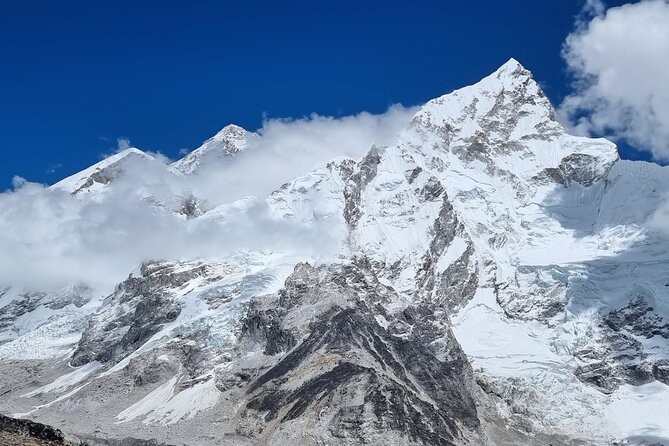
- Kathmandu plus trekking, paced well, with early sightseeing and then days that gradually climb and acclimatize
- Lukla flight included, saving you from the usual scrambling to book transport on your own
- Everest Base Camp + Kala Patthar, with a clear plan to reach Gorakshep, the base camp area, and the top viewpoint
- Licensed English-speaking Sherpa trekking guide, plus porters to carry your luggage on shared load
- Support you can count on, because staff costs, insurance, equipment, and medicine are covered for the trekking team
- Outshine provided cold-weather gear if needed, including a down jacket and sleeping bag
Kathmandu warm-up: Thamel, Durbar Square, and a real gear reset
Most Everest trips rush straight to the airport. This one starts smarter: you land, get met in Thamel, and handle the admin early so you’re not stuck sorting paperwork on a jet-lagged body.
Day 1 is built around comfort and orientation. An airport representative meets you at Tribhuvan International Airport holding an Outshine Aventure name plate, then you’re transferred to your Kathmandu hotel. After check-in, you go back to the company for documentation and trip information. That matters. It’s not glamorous, but it’s how you avoid the painful little surprises later.
Day 2 is classic Kathmandu, done the useful way. You start early and go to Kathmandu Durbar Square, Swayambhunath (Monkey Temple area), Boudhanath, and Pashupatinath with an expert guide and private car transport. I like that it’s not a rushed drive-by. You get an explanation of monuments, then you’re given time in the afternoon for equipment shopping or preparation. If you’ve ever bought the wrong gloves or arrived without a proper layer, you know why that free window is gold.
Practical tip: Kathmandu is where you decide your layering system before the cold hits. If you’re unsure, this is your moment to shop and test what you’ll actually wear during the trek days.
You can also read our reviews of more tours and experiences in Kathmandu.
The Lukla flight day and your first trek rhythm to Phakding and Namche
After Kathmandu, you switch gears fast. Day 3 includes a short flight to Lukla (about half an hour). You have breakfast at Lukla Airport in a guest house, and the views from there are the pre-trek teaser: you can see the airport area and big mountain scenery before you even start hiking.
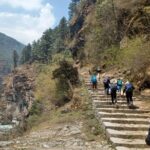
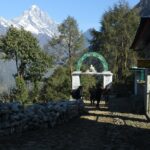
Then comes the first trekking day: Lukla down to Phakding following the Dudh Koshi River. It’s a gradual down trek for about 3 hours, and you’re resting the same day afterward. This is exactly what you want on Day 3. You’re not immediately pounding uphill. You’re letting your legs get used to the trail while your body adjusts to the altitude reality.
Day 4 flips the script with a long climb. You hike around 5 hours and gain about 850 meters up to Namche Bazaar, again along the Dudh Koshi River with Everest-region scenery around you. This is one of those days that quietly sorts out your pacing. It’s not just distance. It’s the steady work of going up while you’re still figuring out your breathing.
Namche Bazaar isn’t only a stop. It’s the practical hub where trekkers reset. The trek plan even includes time later for relaxation around town, and it’s not hard to believe you’ll want a calm evening after this climb.
Consideration: early days can feel deceptively tough because your legs are fresh but your breathing isn’t. Keep your steps steady and don’t chase speed.
Everest View Hotel and Tengboche: acclimatization with monastery atmosphere
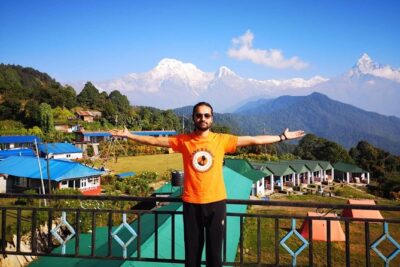
Day 5 is a built-in acclimatization day, not a free-for-all. You take on a climb up to Everest View Hotel and get a panoramic break with views that include Everest, Nuptse, Lhotse, Ama Dablam, Thamserku, and Kusum Kangaru. The plan is about 2 hours up and 1 hour for a tea break, then you head back down to Namche.
What I like about this setup is that it gives you a “payoff hike” without going all the way to the high-risk altitudes. You test your body, enjoy major views, and return to a town you can recover in.
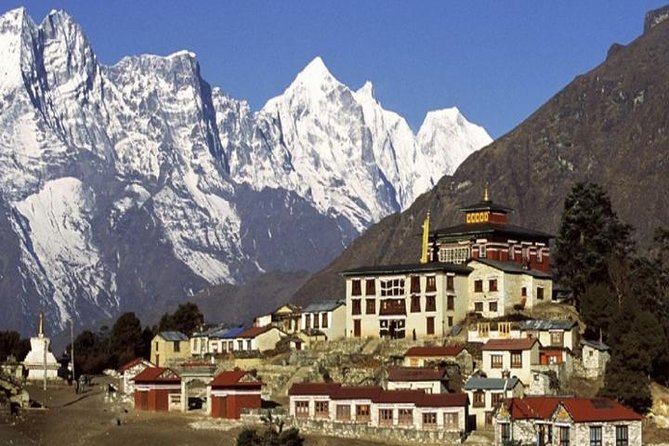
Day 6 continues to Tengboche, about 5 hours. Tengboche is described as an amazing village with a chance to see Ama Dablam and an old monastery. Morning and evening worship with the Lamas is part of the village rhythm, and you can visit the monastery and even do meditation there.
This is where the trip becomes more than a checklist of peaks. You’re seeing how Sherpa culture and mountain life connect. You’re also building comfort with how daily life changes as you climb.
Practical tip: on days like this, don’t overpack your schedule. Between tea breaks, cold drafts, and altitude, you need sleep more than extra sightseeing.
Dingboche and Chhukung: the altitude rhythm you feel in your lungs
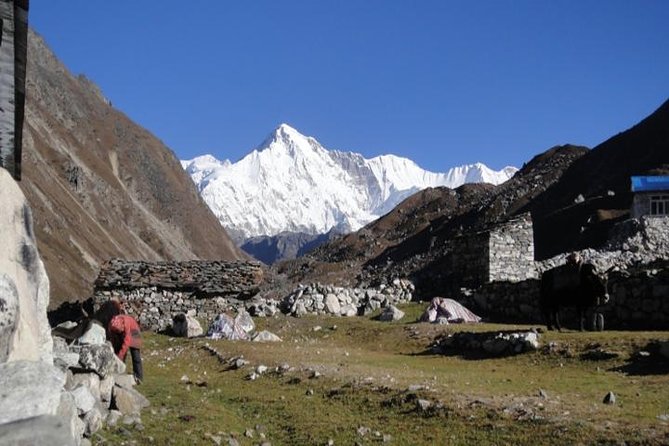
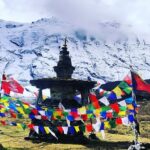
Day 7 is another key step upward to Dingboche, taking about 5 hours. The trek moves through rhododendron-covered areas, reaches a pleasant level, and brings views of Ama Dablam and Kantega. You’re entering the Imjatse Valley with views of eastern snow-capped mountains, including Island Peak, and you pass a big Mani Stupa on the way.
Again, this is not just scenic. It’s part of the acclimatization strategy. The climb is gradual, and the route gives you time to settle into higher altitude travel.
Day 8 is the second acclimatization day. You do a trip to Chhukung valley and return to Dingboche in the evening. The focus is scenery and breathing room: you explore the valley that leads up toward Island Peak, and you get strong views of the North face of Ama Dablam plus the Lhotse-Nuptse ridge. You also have time to relax, which matters because your body is doing the heavy work behind the scenes.
This is also the day where you learn the trek’s pattern: higher day activities, then return and rest. That approach makes the high points feel possible instead of just brutal.
Lobuche to Gorakshep and Everest Base Camp: the day you work for
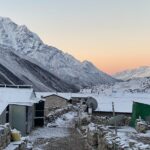
Day 9 moves you toward Lobuche, hiking about 5 hours. You follow the Dudhla valley and reach Lobuche after time alongside frozen rivers and stone houses in an icy wilderness. The route gives you ridge top views that include Khumbu Ice-fall and Pumori, plus lots of smaller peaks.
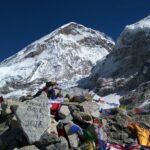
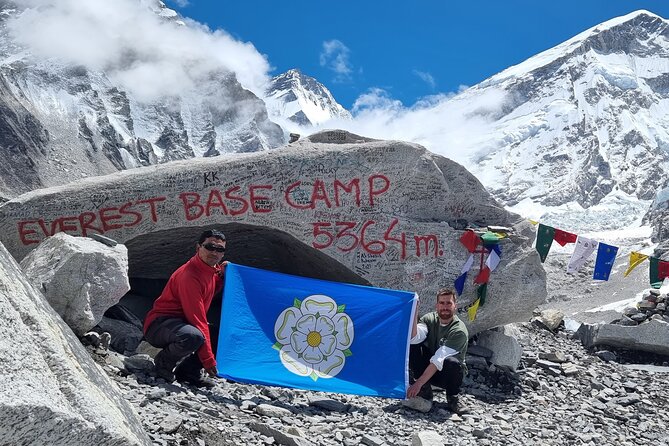
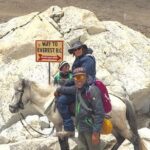
Day 10 is the core mission day. It’s a mix of getting to Gorakshep and then pushing onward for Everest Base Camp. The plan has you reach Gorakshep in about 3.5 hours, then hike around 3 hours to and back from Everest Base Camp for the night stay. That structure is smart. It gives you a “warm up” before the main push.
You trek along the Khumbu Glacier valley and rocky paths toward the base camp area near Kala Patthar (the plan lists Kala Patthar at 5,545m, and the viewpoint day later aligns with a similar range). There’s even mention of possible sounds of avalanche and that you may hear it along the way. That’s not a guarantee, but it’s the kind of real-world mountain moment you’re going there for.
If you’re worried about effort, don’t. This day is hard, but it’s hard with a goal. And you return to Gorakshep or the base-camp zone area for that night, so it feels like the journey’s climax rather than a random pass-through.
Kala Patthar sunrise viewpoint and the descent back toward Namche
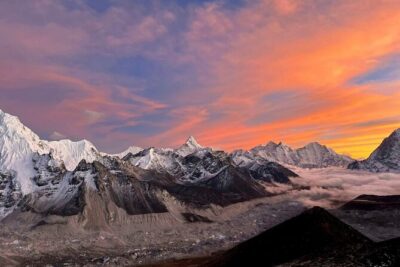
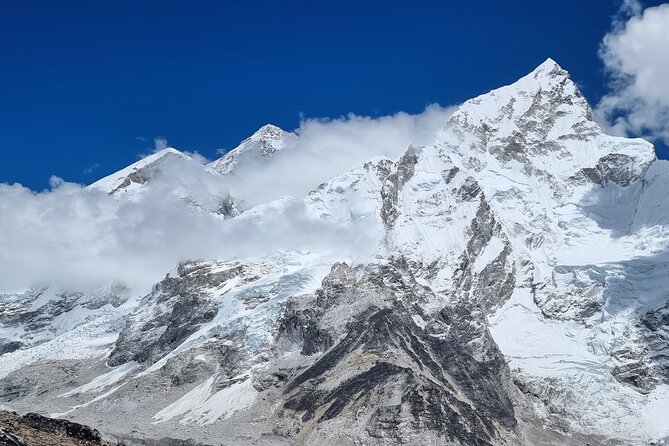
Day 11 targets Kala Patthar sunrise viewpoints. You start early with a hike to Kalapatthar around 5,545m (the plan lists 5,545m). From the top, you get excellent views of Mount Everest and innumerable surrounding peaks. The plan also notes that this viewpoint is an amazing personal memory point.
This day is usually when people realize they’re capable of more than they thought. Even if your legs are tired, the “top of the world” perspective changes how the trek feels. And because this is a sunrise-style outing, you’ll likely feel the cold early, then the warm glow when the light hits.
Day 12 is a long downhill day to Namche Bazaar, mostly downhill for about 6 hours. It’s scenic mountain viewing, and the goal is altitude relief plus recovery. Namche also gives you an easy evening back in town with facilities for drinks, a pool house, and shopping.
This is where you should slow down on purpose. Downhill can feel easier, but it can also punish knees if you rush. Take shorter steps and trust the slow grind.
Lukla return and Kathmandu wrap-up: make the last 48 hours count
Day 13 hikes around 5.5 hours back to Lukla, with a plan that goes via Phakding for the first night on the way down. It’s the final walking day of the trek, and it’s also the emotional day when you’re no longer climbing toward something. You’re coming home.
Day 14 returns to Kathmandu by flight (about half an hour). The plan calls out that you get another chance to see the Everest range through the airplane windows. That’s a small detail, but it’s a useful one. You’re not just thinking about what you did. You’re seeing it again from a new angle.
Day 15 finishes with breakfast and transfer to the international airport based on your flight time. If you have spare time in Kathmandu, you might consider adding a buffer day. This trek is 15 days, but the whole experience, including recovery, can stretch your schedule if you’re prone to travel fatigue.
Price and logistics: what $1,375 buys (and what it doesn’t)
At $1,375 per person, this is not a “budget only” trek. It’s priced like a trek where the hard work is already done for you.
Here’s what you’re paying for in practical terms:
- Flights Kathmandu–Lukla–Kathmandu are included, which usually takes the biggest guesswork out of the plan.
- Guides and Sherpas are included, listed as an expert licensed English-speaking Sherpa/trekking guide.
- Porters are included to carry your luggage on a shared basis (share for two people or clients). This is a huge comfort factor because your load stays manageable.
- Accommodation is handled, including standard Kathmandu hotel accommodation for 3 nights and guesthouses on the trek in twin sharing.
- Staff overhead is covered: the included list explicitly includes food, accommodation, salary, insurance, equipment, and medicine for staff. That matters because it signals a real operating system behind the scenes.
- Cold-weather gear can be provided: a down jacket and sleeping bag by Outshine Adventure if needed. (You’ll still want your base layers, but this can save your packing stress.)
- Private transfers by car are included in Kathmandu.
What you should watch:
- City entrance fees are not included, so your monuments days can cost extra.
- Meals and drinks are not fully included. Dinner is included, and breakfasts (2) are listed as included, but you should plan to buy other meals during city and trek days.
- Tips are not included.
- Travel insurance is not included, and the note specifically calls out that your insurance should include altitude coverages up to 5,300 meters. That’s an important gap to solve before you go.
For value, I think the best way to see it is this: you’re paying for fewer decisions. Fewer decisions usually means less friction at the exact moments you need energy.
The human factor: guides, porters, and the small supports that matter
Logistics are one thing. Trek quality comes from people.
Names that show up repeatedly in prior experiences include the company owner Gokul, and guides such as Kali, Kumar, Santosh, Prakash, Nima, Dilli, and Bikash. Porters like Santosh and Dilok also come up. You also see operations support like Amita and Asmita playing a role in welcoming people and handling care before and after the trek.
That pattern matters because Everest Base Camp is tough even when everything is well planned. When you’re tired, cold, or unsure about what to do next, you want a guide who can explain things clearly and a porter team that keeps your load reasonable.
Language support may also be available. One past guest specifically noted Spanish support for explanations, which is a detail worth asking about before departure if you need it.
Practical packing and health notes you can plan around
You’ll be at high altitude, including Everest Base Camp (listed at 5,400m) and a major viewpoint day around Kalapatthar (listed at 5,545m). That makes your preparation non-negotiable.
Because the trip includes a down jacket and sleeping bag if necessary, you can pack smarter. Still, you’ll want layers that work across day-to-night temperature swings and a system for keeping hands and feet warm.
On the insurance side, don’t gamble. The included note points to the need for altitude coverage for up to 5,300m. If your policy doesn’t cover that, you’ll need to buy separate coverage before you go.
Fitness-wise, the plan states you should have moderate physical fitness. That doesn’t mean “easy.” It means you should be comfortable hiking for hours and managing uphill days, then resting and repeating.
Also, you’re trekking with a maximum of 15 travelers. A smaller group often helps the guide manage pacing and logistics without chaos.
Who should book this EBC trek with Outshine Adventure
This trek fits best if you want:
- A structured plan with acclimatization days built in
- A guided experience with licensed, English-speaking leadership
- Guesthouses instead of camping (so you’re not juggling gear complexity day after day)
- Porter support so you don’t carry everything
- A company that handles flights, hotels, and logistics in advance
It may be less ideal if you want maximum freedom to customize daily routes. This trip has a clear, fixed progression. You can bring reasonable questions and needs, but you’re not shopping for a pick-your-own adventure.
Should you book it?
I’d book this trek if you’re looking for a well-run, traditional Everest Base Camp journey that handles the major logistics for you: Kathmandu-to-Lukla flights, guide leadership, guesthouse stays, and porter support. The price also lines up with the amount included, especially the staff coverage and cold-weather gear support.
I’d hesitate only if you don’t want to manage the insurance gap and extra costs like monument entrance fees, meals, and tips. If you’re comfortable handling those basics, this trip looks like a strong route to earn Everest Base Camp and still feel cared for along the way.
FAQ
Where does this trek start and end?
The experience starts at Tribhuvan International Airport in Kathmandu, Nepal, and it ends back at the same meeting point.
Is pickup in Kathmandu included?
Yes. The package includes hotel pick up and drop by private car in Kathmandu.
Are flights included to and from Lukla?
Yes. Flight tickets for Kathmandu–Lukla–Kathmandu are included.
What accommodation is included during the trek?
On the trek, you stay in guesthouses on a twin-sharing basis. In Kathmandu, standard accommodation is included for 3 nights.
Do you get an English-speaking guide and Sherpa support?
Yes. The trek includes an expert licensed English-speaking Sherpa/trekking guide.
Is porter support included?
Yes. Porters carry your luggage during the trek on a shared basis (share for two people or clients).
What cold-weather gear is included?
Down jacket and sleeping bag are included by Outshine Adventure if necessary.
Is travel insurance included, especially for altitude?
No. Travel insurance is not included, and the notes specify that your insurance should include altitude coverages.
What cancellation refund windows apply?
You can cancel up to 6 days in advance of the experience for a full refund, with a 50% refund if you cancel 2–6 days before. If you cancel less than 2 days before, the amount paid is not refunded. The experience also requires good weather, and if it’s canceled due to poor weather you’ll be offered a different date or a full refund.