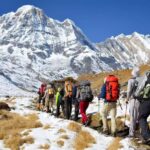
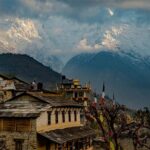
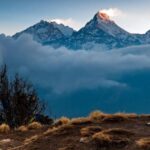
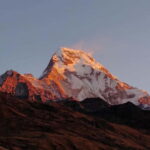
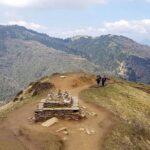
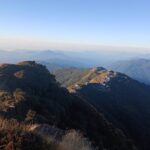
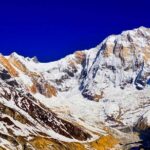
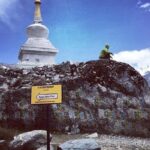
A solid Himalayan trek can fit into a short window. The Mardi Himal Trek near Pokhara delivers classic Annapurna-range views on a route that feels quieter and more local than the big-name crowd. You start with an easy day of driving and hiking, then build day by day into those high-camp panoramas.
I especially like the way the trip is set up for comfort and follow-through: you get a licensed, experienced guide plus private transportation. I also like the food setup for the length of the trek—breakfast, lunch, and dinner are included, and you’ll even get seasonal fruits after dinner each trekking day.
One thing to keep in mind: this trek needs good weather to run, and it’s best suited to travelers with at least moderate fitness. If you’re expecting an ultra-smooth, no-weather-impact plan, you’ll want to stay flexible.
In This Review
- Key points worth knowing
- Why Mardi Himal Fits the Short-Trek Crowd from Pokhara
- Pokhara Logistics: Meeting at Lakeside and a Private Dhampus Ride
- Day 1 Dhampus to the Trek Rhythm
- Day 2 Forest Camp to High Camp via Low Camp Views
- Day 3 Base Camp or View Point: The Day for Big Peak Views
- Day 4 Down to Landruk Village and Real Mountain Life
- Day 5 Landruk to Siwai: A Short Finish Back in Pokhara
- What Is Included in the $399 Package (and what you still bring)
- Pacing, Fitness, and Weather Reality in the Annapurna Region
- The Human Factor: Guides, Porters, and a Smoother Trek
- So, Should You Book the Mardi Himal Trek?
- FAQ
- How long is the Mardi Himal Trek?
- Where do we meet, and what time does it start?
- Is transportation included from Pokhara?
- What does the tour include for meals?
- Do I need to bring my own trekking gear?
- How are guides and porters handled?
- Is the tour private?
- What happens if the weather is bad?
Key points worth knowing
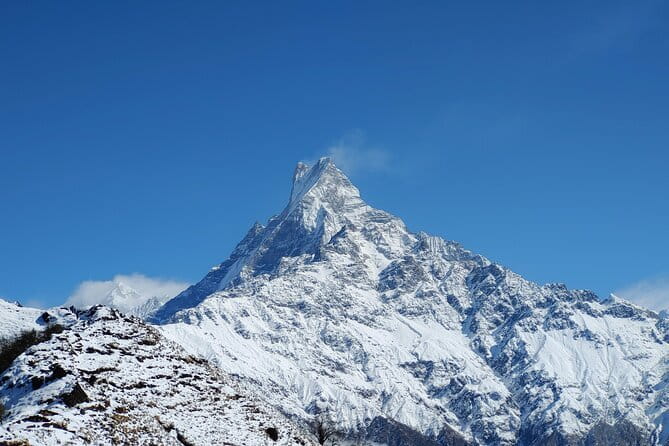
- Short 5-day format that still reaches viewpoints and base-camp options
- Private ride from Pokhara to Dhampus, starting around 10:45 am
- Guided pacing with a 2 guests to 1 porter structure
- Meal coverage on the trek plus seasonal fruits after dinner
- Two summit-style choices on Day 3: Base Camp or View Point
- Village time on Day 4 in Landruk, with everyday mountain-life views
Why Mardi Himal Fits the Short-Trek Crowd from Pokhara
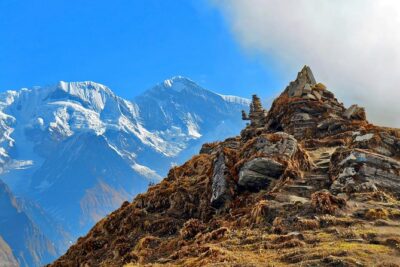
If you want Annapurna-range drama without stealing a whole month, Mardi Himal is one of the best bets. The trek is built around gradual elevation gain and repeated chances to look out over major peaks—especially the Annapurna side of the region and the views tied to Fishtail and Hiunchuli.
What makes it work for real travelers is the time math. You’re in the hills for about five days, which means you can recover in Pokhara without turning your vacation into a long slog. It’s also near enough that your logistics are simpler than many far-flung trek routes in Nepal.
The route also has a nice rhythm: forest trail feelings early on, then more open views as you move toward high camps, and then a satisfying descent into a village with actual life.
You can also read our reviews of more tours and experiences in Pokhara.
Pokhara Logistics: Meeting at Lakeside and a Private Dhampus Ride
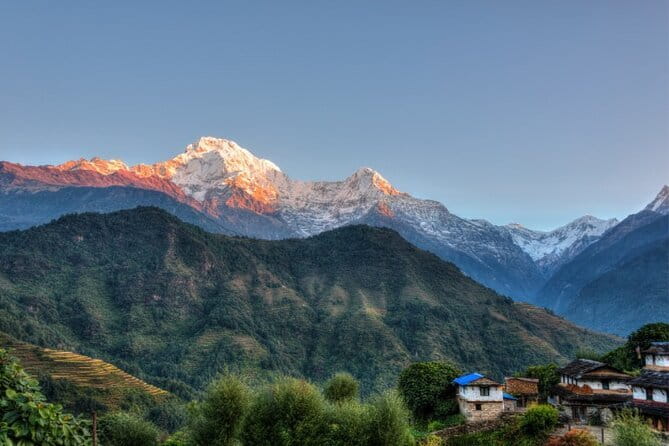
Your day starts in Pokhara, meeting at Lakeside Pokhara 33700. The start time is listed as 10:45 am, and you’ll take a private transportation ride from your side of the city to the trail starting point in Dhampus (about an hour).
Why that matters: private transport means less waiting, fewer transfers, and a calmer start—especially if you’re not used to Nepal’s pace right off the bat. You also finish back in Pokhara, with the trek ending in your hotel area, so you’re not stuck figuring out an extra ride after a long day on foot.
You’ll also get a mobile ticket, which is one less thing to manage while you’re juggling bags, layers, and day-to-day trekking needs.
Day 1 Dhampus to the Trek Rhythm
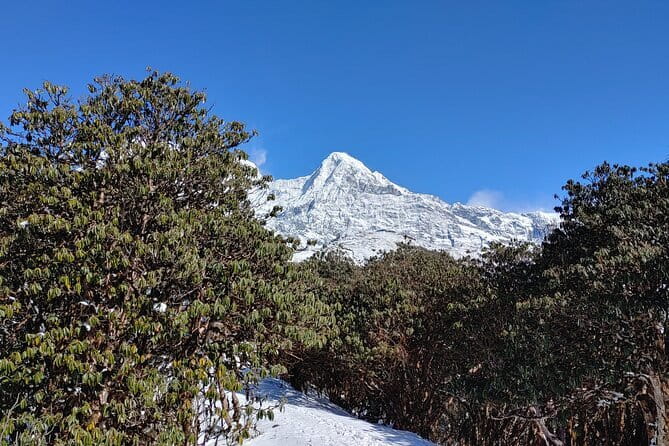
Day 1 begins in Dhampus after the ride from Pokhara. The trek day is listed at around 7 hours, so you should think of this as your “get moving and settle into the altitude routine” day.
What I like about this kind of start is that it reduces the pressure. You’re not jumping straight to the highest area; you’re building comfort with the trail and learning how your body responds to hiking for a sustained chunk of time.
What you’ll notice early: the trail setting shifts from town-side energy into proper mountain quiet. You’re also likely to start meeting other trekkers and locals on similar routes, which helps the whole thing feel grounded rather than staged.
Practical tip: make sure your first-day packing is tight. You’ll want items you’ll use right away easy to access, since mid-trek you don’t want to be digging through your bag like it’s a scavenger hunt.
Day 2 Forest Camp to High Camp via Low Camp Views
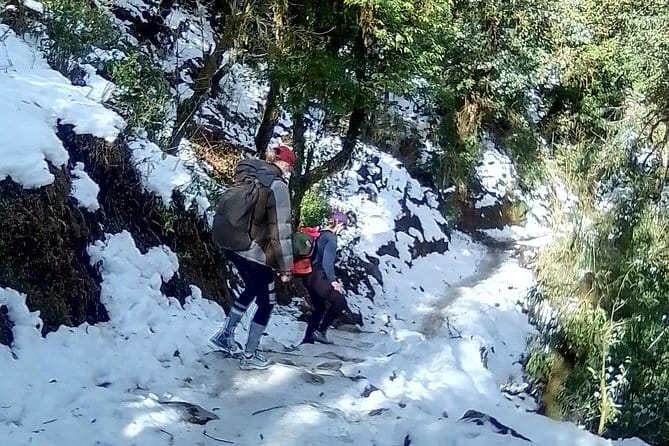
Day 2 is where the trek starts feeling like a real climb. You trek from Forest Camp to High Camp, and the day includes a stop at Low Camp for views—this is a key moment because you get a payoff without waiting until the very top.
This is listed as another 7-hour day, and the structure matters: moving camp-to-camp on day two gives you clear progression. You’re not wandering; you’re working toward the higher vantage areas that make Mardi Himal worth it.
Why Low Camp is important: a stop there means you’re not forced to power through only to see something at the end of the day. It also gives you a chance to catch your breath while still feeling like the trek is delivering something scenic.
What you should consider: your legs might feel it tomorrow if Day 2 is too fast. So if you feel good in the first hour, resist the urge to sprint. This trek style rewards steady effort.
Day 3 Base Camp or View Point: The Day for Big Peak Views
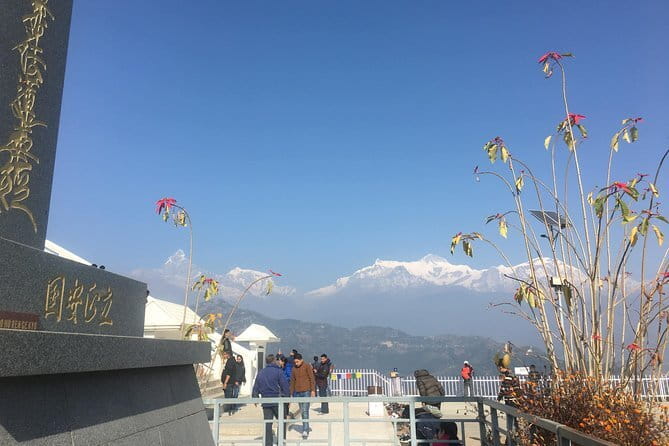
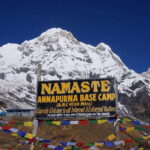
Day 3 is the decision day. You hike to either Mardi Himal Base Camp or Mardi Himal View Point, depending on what you want and how you’re feeling.
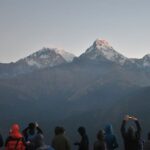
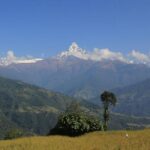
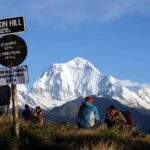
This day is also about views. Along the way, you’ll enjoy sights of Fishtail, Annapurna, and Hiunchuli. Then you’ll finish at your chosen destination—either the base-camp perspective or the higher, more panoramic view-point style.
Which option makes sense?
- If you want the most “trek to a destination” feeling, Base Camp is the pick.
- If you prefer a bigger sweep and less back-and-forth thinking, the View Point choice can feel more efficient.
The honest travel lesson here: choose based on your energy, not just your photos. You’ll get a lot either way, and feeling strong for Day 4’s descent is usually a better trade than pushing too hard on Day 3.
A smart packing reminder: this is the day you’ll likely be outside most of the time in colder air. Keep your hat and gloves realistic for the season you’re traveling.
Day 4 Down to Landruk Village and Real Mountain Life
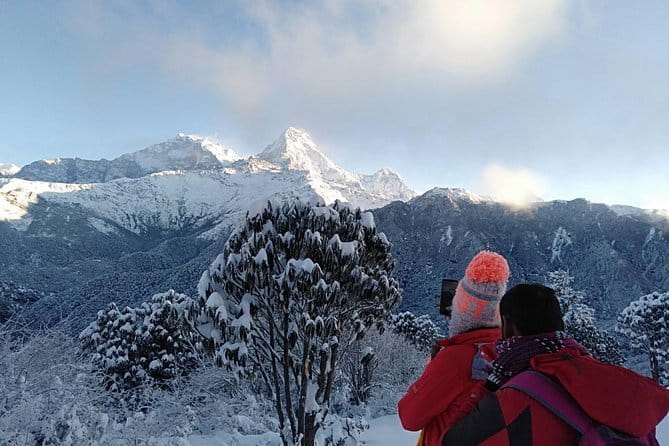
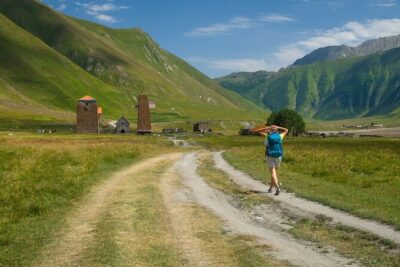
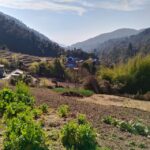
Day 4 shifts the mood. You descend to Landruk, a mountain village where you can see local houses, farmlands, and day-to-day lifestyle. You still get strong mountain scenery too, with views of Annapurna South and Hiunchuli.
Listed as about 7 hours, this is a satisfying contrast day: less “climb focus,” more “people and place” focus. And it’s useful, too, because a descent is often mentally easier even if your knees work a bit.
Why Landruk is valuable:
- You get context for how people actually live at the edge of the mountains.
- You get that sense of arriving somewhere, not just passing through.
Small but important reality check: descending can be harder than it looks. Even with a porter support structure, you still control your pace. Take care with footing, especially on uneven sections and slick rock after cloud cover or rain.
Day 5 Landruk to Siwai: A Short Finish Back in Pokhara
Day 5 is the gentle landing. You trek from Landruk to Siwai for about 1.5 hours, and then the trek ends, with you returning to Pokhara and your hotel.
This kind of short final day is more than convenience. It protects your enjoyment. After multiple long hiking days, being done quickly means you can actually celebrate the win instead of racing to make the schedule feel worthwhile.
If you plan to add anything after the trek—like a relaxing evening meal in Pokhara—this short final block gives you the buffer you’ll appreciate.
What Is Included in the $399 Package (and what you still bring)
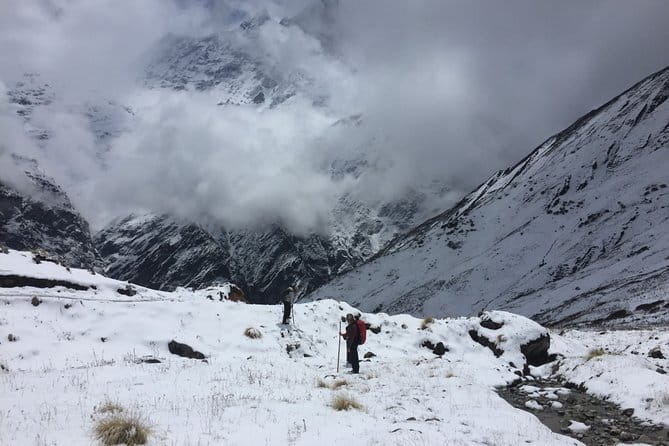
At $399 for about five days, the real value is what gets handled for you. You’re not just paying for “walking.” You’re paying for organization, staffing, and food coverage during the trek.
Included:
- Government licensed, experienced guide
- A porter structure of 2 guest = 1 porter
- Private transportation
- All fees and taxes
- Meals during trekking: 5 breakfasts, 4 lunches, 4 dinners
- Seasonal fruits after dinner each trekking day
- Double occupancy accommodation during the trek
Not included:
- Personal trekking equipment
- Meals and accommodation in Kathmandu and Pokhara
- Battery charges, laundry service, phone calls, showers
- Tips for guide and porter (expected)
How I read the price: $399 is a solid rate when you factor in guide support, meals, and private transfer. The parts you need to budget separately are the usual ones: gear, and any extra costs in towns, plus tipping.
Practical planning tip: pack light but smart. Since personal equipment isn’t included, check your list early so you don’t arrive at the start hunting for essentials in Pokhara.
Pacing, Fitness, and Weather Reality in the Annapurna Region
This trek is listed for people with moderate physical fitness. That’s an honest level. It doesn’t mean you need to be an athlete, but you should be comfortable hiking for long stretches (several days at about 7 hours) and handling altitude-style fatigue.
Also note the weather rule: the experience requires good weather. If weather forces changes or cancellation, you’ll be offered a different date or a full refund (details are covered in the booking rules).
Translation: plan your dates with flexibility. Nepal’s mountains don’t care about your calendar, even when your itinerary does everything right.
And yes, you’ll want to dress for cold at elevation. Bring layers you can adjust quickly as clouds, wind, and sun swing around.
The Human Factor: Guides, Porters, and a Smoother Trek
A short trek still lives or dies by how supported you feel on the trail. This is where the staffing structure shows up.
The reviews tied to this trek company repeatedly praise guides and porters for professionalism and kindness. Names that come up in that praise include Lama (mentioned as knowledgeable and warm), Navaraj Nepal (commended for picking people up and being flexible), Nabaraj, MP, plus porters like Suresh. The founder name Jayaram also appears in multiple supportive messages, showing how much effort the company puts into pre-trip communication and reassurance.
Even if your exact team differs, the pattern is consistent: people want you to feel safe, cared for, and not confused about what’s happening next. That matters a lot on a trek like this, where you’re trusting someone to manage pacing, routes, and the day’s plan.
Small but useful detail: the porter setup is explicit (2 guests = 1 porter). That should reduce how heavy your pack feels and keeps your energy for the views.
So, Should You Book the Mardi Himal Trek?
If your goal is a high-payoff trek from Pokhara with real mountain views and a schedule that won’t swallow your whole vacation, I’d book it. The mix of high-camp scenery, the Day 3 Base Camp or View Point choice, and the Day 4 village descent makes the trip feel balanced rather than one-note.
You might skip it (or choose a different season) if you’re traveling at a time when weather can’t be flexible, since this trek depends on good weather. And if you hate long hiking days, remember you’ll be out for about 7 hours on multiple days.
For the right traveler, the $399 package feels like good value because it bundles guide leadership, private transport, and full meal support on the trek.
FAQ
How long is the Mardi Himal Trek?
It’s listed as 5 days (approx.) with 4 nights on trek.
Where do we meet, and what time does it start?
You meet at Lakeside Pokhara 33700, Nepal, and the start time is listed as 10:45 am.
Is transportation included from Pokhara?
Yes. The tour includes private transportation from your hotel area in Pokhara to the starting point in Dhampus, and the trek ends back in Pokhara (in your hotel area).
What does the tour include for meals?
Meals during the trek are included: 5 breakfasts, 4 lunches, and 4 dinners. You also get seasonal fruits after dinner each trekking day.
Do I need to bring my own trekking gear?
Yes. Personal trekking equipment is not included, so you’ll need to bring what you need for multi-day trekking.
How are guides and porters handled?
The tour includes a government licensed, experienced guide, and uses a porter ratio of 2 guests for 1 porter.
Is the tour private?
Yes. It’s listed as a private tour/activity, with only your group participating.
What happens if the weather is bad?
The experience requires good weather. If it’s canceled due to poor weather, you’ll be offered a different date or a full refund. Free cancellation is allowed up to 24 hours in advance for a full refund.