REVIEW · KATHMANDU
Langtang Valley Trekking
Book on Viator →Operated by Everest Trekking Routes Pvt. Ltd. · Bookable on Viator
One of Nepal’s prettiest treks stays refreshingly short. I like the Kyanjin Gompa views—icefalls and big Himalayan peaks in one day—and I also love the slower, human pace of walking through rhododendron forests and warm villages. The only real consideration is altitude: you’ll rise to Yamphu and go higher on Chorkari Ri, so you’ll want to go steady and plan for possible mild symptoms.
What makes this route work is the structure. You get an easy start from Kathmandu, then a logical set of days that build height before a rest day, plus a guide and porter team to keep the logistics simple. It’s a private trek, so the schedule is geared to your group—nice when you want the day-by-day plan to feel calm.
In This Review
- Key Highlights You’ll Care About
- Langtang Valley Trek in 10 Days: The Short-Cut to Big Mountains
- Kathmandu Arrival Day: A Calm Start With Valley Sights
- To Syabrubesi: The River-Road Out of Kathmandu
- Syabrubesi to Lama Hotel: River Walks and Forest Wildlife
- Langtang Village to Mundu: Rhododendrons, Pines, and Flower Names
- The Critical Big-View Day: Yamphu, Icefalls, and Kyanjin Gompa
- Kyanjin Gompa Rest Day: Monastery, Cheese, and Chorkari Ri
- Returning to Lama Hotel and Down to Syabrubesi
- Back to Kathmandu and the End Day Fly-Out
- Price and Logistics: Does $750 Actually Make Sense?
- Altitude, Food, and Your Support Team: What to Expect Day to Day
- Should You Book This Langtang Valley Trek?
- FAQ
- How long is the Langtang Valley trek?
- Where does the trek start and when?
- What permits are included?
- How are meals handled during the trek?
- Do you stay in lodges or bring camping gear?
- Is Kathmandu accommodation included?
- Is transportation between Kathmandu and the trekking start included?
- What if weather is poor?
- Is a private jeep available?
Key Highlights You’ll Care About
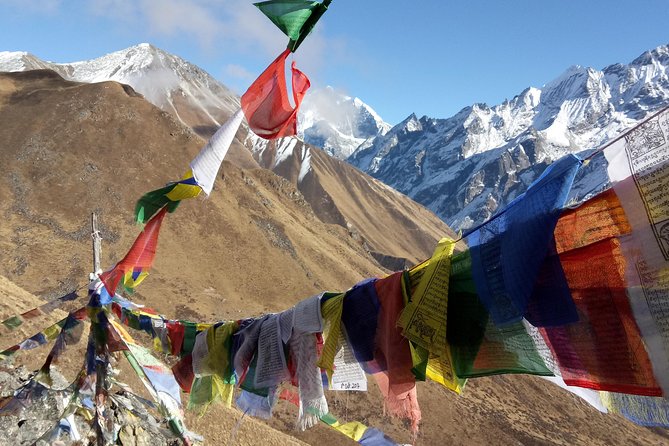
- Kyanjin Gompa as the view payoff: icefalls from Langtang Lirung plus big peak views from the gompa area
- A rest day that’s actually useful: monastery and cheese factory time, plus an optional high climb
- Rhododendron-and-pine walking: wooded trails on the way to Langtang Village and Mundu
- Wildlife chances on the trail: keep an eye out for habituated animals in the forests
- Meals and permits handled: TIMS and Langtang National Permit, lodge stays during the trek, and most meals provided
Langtang Valley Trek in 10 Days: The Short-Cut to Big Mountains
If you want mountains and village life without burning your whole vacation, the Langtang Valley trek fits well. This is a region just north of Kathmandu where the scenery changes often—river valleys, forested stretches, and then those higher viewpoints where the glacier-fed drama starts to show.
You’ll also feel the local rhythm more than on longer treks. The route keeps you in and around established settlement areas (with lodge/tea-house stops), so you’re not constantly “in transit.” It’s a good balance: enough effort to feel like a real trek, but not so long that the whole trip becomes logistics and recovery.
The altitude pattern is another reason it works. You’ll climb gradually, then get a built-in break at Kyanjin Gompa before attempting the higher viewpoint hike. That rest day isn’t fluff; it’s what makes the big views feel achievable.
You can also read our reviews of more tours and experiences in Kathmandu.
Kathmandu Arrival Day: A Calm Start With Valley Sights
Day 1 is mainly about getting your bearings and easing into Nepal. After you land, you’ll drive to your Kathmandu hotel, then pass the Pashupatinath Temple area as you move through the city. It’s a good first taste of Kathmandu—lively, spiritual, and unmistakably Nepal.
This day matters because it removes pressure. You’re not trying to “see the world” and trek hard the same day. Instead, you’re getting settled in time to start fresh.
Your Kathmandu base is included for 2 nights, in a 3-star setup with a breakfast plan. That gives you a comfortable place to wash up, repack, and let your body adjust before the mountains start taking over.
To Syabrubesi: The River-Road Out of Kathmandu
The drive out of Kathmandu is part scenery, part orientation. You head north-west along the hills and get quick glimpses of rural life, then pass Trishuli Bazaar before reaching Dhunche. From there, the route continues to Syapru Besi (Syabrubesi), where you sleep in a guesthouse.
This transition day is valuable even if you’ve trekked before. It compresses the “get to the trail” part into a smooth plan. Instead of scrambling to arrange transport, you follow a set schedule that gets you to the starting area by the end of the day.
For pacing, this day also sets expectations. You’ll notice quickly that your body starts working harder even before you hike—roads wind upward, and the air feels thinner once you’re out of the Kathmandu basin.
Syabrubesi to Lama Hotel: River Walks and Forest Wildlife
On Day 3, you start walking from Syapru Besi. The early part takes you across the Bhote Koshi River, then you continue trekking along the Langtang River. The day includes gradual climbing and a mix of open rhythm and forest feeling.
You’ll reach Bamboo along the way, then continue up to Ramche at about 2,400m, before continuing toward Lama Hotel. The trek time on this segment is described as around 5 hours to Lama Hotel, and the walking builds your stamina without turning it into a brutal slog.
One fun detail: the forests and trail corridor can include chances to spot habituated wildlife—mentions include wild monkeys and red pandas. You shouldn’t plan your day around seeing animals, but it’s a nice bonus. Slow down, look ahead, and don’t force photos at the cost of attention on footing.
The practical benefit of lodge stays shows up here too. You’re not carrying everything on your back just to survive the day—you’re hiking, eating, and recovering in a predictable pattern.
Langtang Village to Mundu: Rhododendrons, Pines, and Flower Names
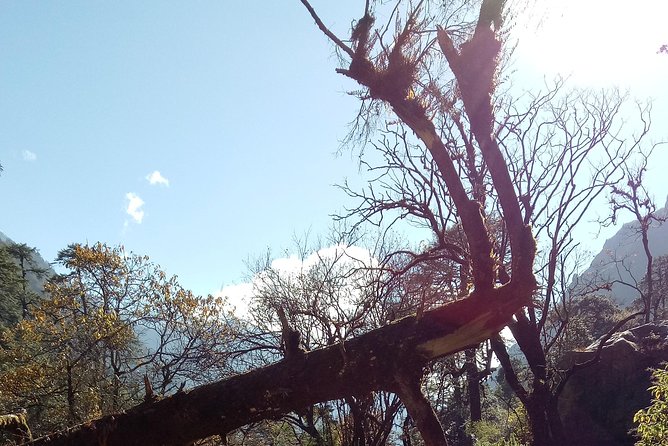
Day 4 is a pleasant walking day through wooded areas with rhododendrons and pine trees. If you like trail variety—smell, shade, texture—this is one of the more soothing days on the route.
You pass Ghoda Tabela, and the description points to thick plant growth with seasonal flowers like foxgloves and red poppies. Even if flowers are fleeting, the bigger point is the environment: this isn’t just a rocky stairway. It’s a genuine forest trek where the trail feels alive.
Later, you’ll walk past Langtang Village (listed at about 3,455m) and head toward Mundu, where you sleep in a guesthouse.
Why this day matters: it’s one of the best times to practice your trek habits. This is when you can get your rhythm right—small snacks before you feel hungry, consistent water intake, and taking breaks that don’t leave you shivering or exhausted.
The Critical Big-View Day: Yamphu, Icefalls, and Kyanjin Gompa
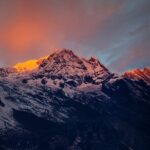
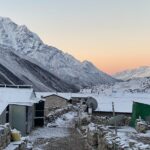
Day 5 is the turning point. You’ll start from Langtang Village, move through Sindum, and push toward Yamphu at about 3,640m. There’s a sense of climbing toward something here, and the route is built around reaching a high-value payoff.
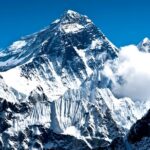
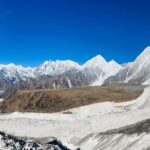
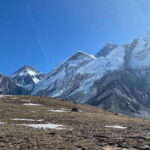
Along the way, you traverse the Laja River and ascend to a viewpoint where you can see icefalls flowing down from Langtang Lirung. Then you arrive at Kyanjin Gompa, where the mountain views sharpen into something you’ll remember.
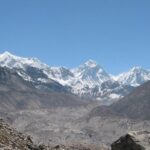
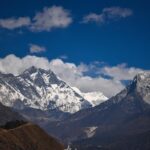
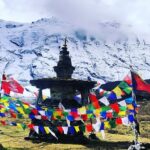
From the gompa area, you’re looking at major peaks listed in the plan: Mt. Gangchempo, Mt. Langtang Lirung, and more. This is also a moment of cultural contrast. You’ve been trekking through settlements and forests, and now you’re at a spiritual hub perched in the high country.
If you’re the kind of person who gets a bit quiet when the mountains show up, you’ll understand why this stop is central to so many Langtang itineraries. You’re working for it—then you’re rewarded.
Kyanjin Gompa Rest Day: Monastery, Cheese, and Chorkari Ri
Day 6 is a “rest day” that still gives you options. You can explore around Kyanjin Gompa, including a monastery visit and even a cheese factory stop. That combination is part of why Langtang feels different from purely scenic treks: daily life continues up here.
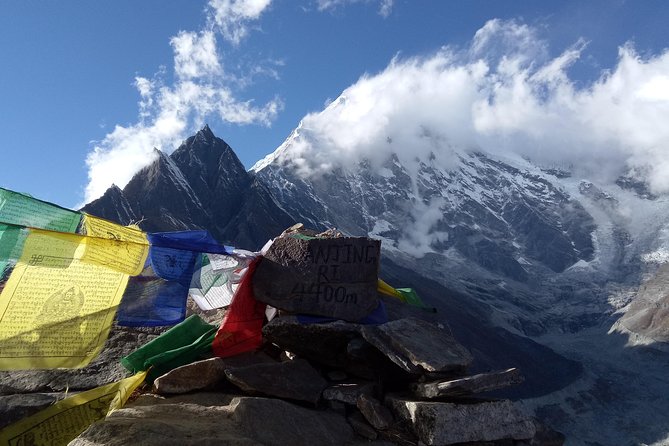
Then comes the high hike option. You can climb to Chorkari Ri (about 5,050m), described as behind Langtang Village. The goal is views of the broader Langtang Himalayan Range, including peaks listed such as Langshisa Ri (6,810m) and Langtang Lirung (7,244m), plus Ganjala peak and Gyangchempo (6,888m).
A key consideration: this is high. The route has an acclimatization rhythm because you already stayed at Kyanjin Gompa the night before, but you still need to treat the hike like a slow breathing workout. If you go too fast, altitude punishes you quickly.
My practical advice: dress like it’s colder than you think you’ll need. Wear layers you can adjust while hiking, and don’t wait until you’re cold to stop and eat. For most people, the summit success here comes from patience, not heroics.
Returning to Lama Hotel and Down to Syabrubesi
Days 7 and 8 are your return flow. Day 7 brings you back to Lama Hotel in about 6 hours. This is where you’ll feel how fast the days go once your body knows the trail rhythm.
Day 8 is a longer descent described as about 6 hours from Lama Hotel down to Syapru Besi. Downhill sounds easier than uphill, but it can be hard on knees and ankles. I suggest using a steady stride and giving your legs permission to take slightly shorter steps. Small changes here make a big difference at the end of the day.
One upside to the descent: the air feels easier as you gain comfort, and the villages become a bit more familiar again. That helps mentally, too. Trekking is physical, but it’s also a moving conversation with your own fatigue.
Back to Kathmandu and the End Day Fly-Out
On Day 9, you drive from Syapru Besi back to Kathmandu, about 7 hours. Once you reach Kathmandu, you’re not trekking anymore—you can relax at your hotel. Breakfast is included for this final Kathmandu morning, but the rest is downtime.
Day 10 is the end day. An Escape Himalaya representative escorts you to the airport, and you depart with the memories you came for.
This is a good way to finish: no last-minute scramble on steep ground, just a clean handoff to travel mode again.
Price and Logistics: Does $750 Actually Make Sense?
At $750 per person, you’re paying for more than a “guided hike.” The big value pieces included in the plan are:
- Permits: Langtang National Permit and TIMS
- Guiding and porter support: an experienced, English-speaking guide plus a porter team (listed as 1 porter for 2 people)
- Lodge accommodations during the trek
- Most meals during the trekking portion, with breakfast/lunch/dinner counts provided in the package and tea/coffee during meals
- Kathmandu hotel: 2 nights in a 3-star property with a breakfast plan
- Transport: airport/hotel pickup and drop, plus express bus between Kathmandu and Syabrubesi for the trekking start and finish
What’s not included matters too. You’ll handle:
- Meals and any extra hotel night in Kathmandu
- Private jeep between Kathmandu and Syabrubesi (listed as $150 per way) if you choose it
- Personal expenses like bar bills, bottled water, and hot water
- Tips for guide, porters, and driver
For me, the real value test is this: can you avoid scrambling, paying extra for “must-have” items, and losing time to planning? This package is built to keep that burden low. The only common cost surprise for people is tipping and any additional Kathmandu nights/meals.
Altitude, Food, and Your Support Team: What to Expect Day to Day
Langtang doesn’t treat you like a beginner, but it also doesn’t throw you into chaos. The plan is described for moderate physical fitness, and that’s realistic for many travelers who’ve done a few days of walking before.
Altitude is your main variable. You’ll reach 3,640m at Yamphu and go higher for Chorkari Ri at 5,050m. One important caution from real trip experiences tied to this route: mild mountain sickness can show up early for some people after Bamboo while hiking from Syabrubesi to Lama Hotel. That doesn’t mean you’ll get sick, but it means you shouldn’t treat altitude lightly.
Here’s what helps:
- Keep your effort smooth on climbs (don’t sprint to “catch up”)
- Eat even when appetite drops a bit
- Drink steadily, not only when you feel thirsty
- Use the built-in structure: the climb buildup plus the Kyanjin Gompa rest day
On food: you’ll sleep in lodge/tea houses, and your meals during the trek are included in the package with tea/coffee. The quality can vary by day and altitude, but the bigger win is consistency—your schedule isn’t constantly interrupted by hunting for meals.
On the human side: the guide and porter setup is central to the experience. The plan includes an experienced, English-speaking trekking guide and porters with a 1 porter for 2 people ratio. In practice, the guide is also your translator and decision-maker on route conditions—especially when weather shifts.
If you’re curious about who might be assigned, names associated with this operator include Rabin as a key contact and guides such as Phul Gurung, Sandesh, Suk, Bal, and Veer Gurung—people who’ve been praised for communication, patience, and keeping trekkers comfortable.
Should You Book This Langtang Valley Trek?
Book it if you want a trek that feels real—mountain views you can’t fake, village life along the way, and a plan that doesn’t demand a multi-week commitment. It’s especially smart if you like structure: permits handled, guide and porter support included, and a rest day that gives you options at Kyanjin Gompa.
I’d think twice if you have major sensitivity to altitude and want a route that stays lower. Even with gradual pacing, this itinerary reaches high points like Chorkari Ri. If you’re cautious, you’ll still likely do well—just commit to a slow pace and listen to your body.
If you value convenience, this one’s hard to beat: pickup and drop are included, the trek is private for your group, and the route is designed to move you from Kathmandu to the mountains without extra chaos. When the weather is good, this is one of the most efficient ways to experience Langtang.
FAQ
How long is the Langtang Valley trek?
It’s listed as 10 days (approx.).
Where does the trek start and when?
The meeting point is at Everest Trekking Routes Pvt. Ltd., Timila Marg, Kathmandu 44600, Nepal, starting at 7:45 am.
What permits are included?
The tour includes Langtang National Permit and TIMS Permit.
How are meals handled during the trek?
During the trekking portion, meals are included as 8 breakfasts, 8 lunches, and 7 dinners, with a cup of tea or coffee.
Do you stay in lodges or bring camping gear?
You stay in lodge/tea houses during the trek, with guesthouse accommodations on the itinerary days.
Is Kathmandu accommodation included?
Yes. You get 2 nights in Kathmandu at a 3-star hotel with a BB plan.
Is transportation between Kathmandu and the trekking start included?
Yes. Kathmandu to Syabrubesi and Syabrubesi to Kathmandu are included by express bus, plus airport/hotel pickup and drop.
What if weather is poor?
This experience requires good weather. If it’s canceled due to poor weather, you’ll be offered a different date or a full refund.
Is a private jeep available?
A private jeep is not included, but it’s available for USD 150 per way (Kathmandu to Syabrubensi).