REVIEW · KATHMANDU
14-Day Everest Base Camp Trek
Book on Viator →Operated by Magical Nepal · Bookable on Viator
Mount Everest starts with one shaky flight. This trek is built around the real deal route into the Everest region, starting with a Lukla Airport landing at 2,860 m and then settling into daily walking loops that bring you to Namche Bazaar, Tengboche Monastery, and finally the views from Kalapatthar.
I love the practical structure: a guide for 12 days plus a porter for 11 days keeps the focus on pacing and altitude, not logistics. I also like how the days are spaced for acclimatization, especially the Namche and Dingboche rests that make the higher trail feel more manageable. The main drawback to plan around is that the schedule depends on mountain weather and Lukla operations, which sometimes means travel routing changes and very early starts.
Key things that make this trek work
- Lukla flight at 2,860 m: The trek’s pace starts the moment you land, not after a bus ride.
- Namche acclimatization days: You get time to adjust before pushing higher.
- Tengboche Monastery visit: A huge spiritual stop with big mountain views.
- Gorakshep to Everest Base Camp: A serious 6 to 7 hours of rocky, glacier-debris walking each way.
- Kalapatthar sunrise morning: Early start, big payoff, then descent to reset.
- Small group (max 8): Enough companionship without feeling crowded.
In This Review
- What You’re Signing Up For on Everest Base Camp
- Kathmandu to Lukla: The Flight Portion That Sets the Tone
- Phakding First Step: Getting Your Breathing and Footing Right
- Namche Bazaar: Bridges, Permits, and Your First Real Everest Moments
- Acclimatization Day in Namche: Everest Viewpoint Without the Pressure
- Tengboche Monastery: Spiritual Stop With Big Mountain Payoff
- Dingboche and the Shift in Scenery: When the Trees Thin
- Lobuche: Memorial Stupas and a More Serious Trail
- Gorakshep to Everest Base Camp: The Rocky Reality of the Goal
- Kalapatthar at Sunrise: The Best Light You’ll Get All Trip
- The Return Down: From Pheriche Back to Namche and Lukla
- Flights Back to Kathmandu: When Timing Meets Traffic
- Price and Value: Is $1,600 Worth It Here?
- Your Daily Rhythm: Walking Time, Teahouses, and Included Meals
- The Guide and Porter Factor: Why Names Keep Coming Up
- Who This Trek Fits Best
- Practical Tips That Make the Trek Easier on Your Body
- Should You Book This Everest Base Camp Trek?
- FAQ
- What’s the hardest walking day on this Everest Base Camp route?
- What does the price of $1,600 include?
- Do I need permits for this trek?
- What happens if Lukla flights go through Ramechhap?
- Are meals included in Kathmandu?
- How big is the group?
- FAQ
- Can I cancel for a full refund?
- What if the trek is canceled due to weather?
What You’re Signing Up For on Everest Base Camp
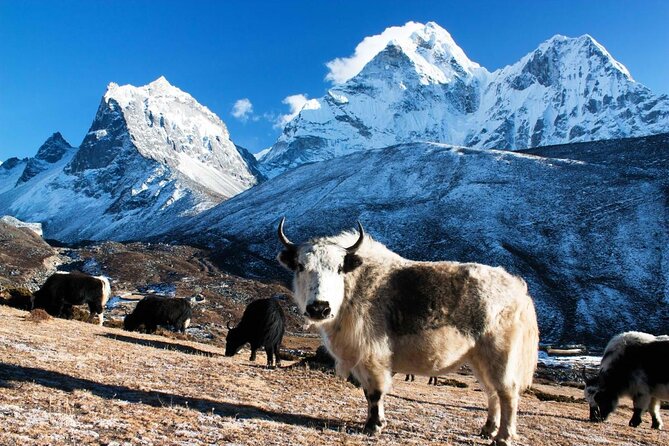
This is not a casual hike with photo stops every 20 minutes. You’re walking in a high-altitude environment where the air is thinner, the footing can be rough, and the weather can change without much warning. The upside is that you’re moving through the Everest region in a way that feels alive: villages, bridges, monasteries, prayer flags, and mountain faces that keep getting sharper as you climb.
The route centers on classic Everest Base Camp moments: your first big Everest sighting around Namche, the monastery at Tengboche, and the main goal at Everest Base Camp. Then you add the closest thing most people get to standing under Everest’s shadow with Kalapatthar at sunrise.
This trek also has a comfort-first support setup for a trek of this scale: teahouse nights, meals included on the mountain days, plus staff coverage and insurance for the trekking team. If you have strong physical fitness and you’re good with early mornings, you’ll get a lot out of it.
Kathmandu to Lukla: The Flight Portion That Sets the Tone
Your trip starts with transfers in Kathmandu after you arrive (and again around departure). You’ll stay two nights in Kathmandu in a hotel like Bodhi Boutique or similar, then you’ll head to the airport for the big jump.
The key moment is the Kathmandu to Lukla flight, and it’s worth taking seriously. Lukla isn’t a place where you can rely on things staying perfectly on schedule. There’s also an important routing note: at certain times, Lukla flights may depart and return to Ramechhap instead of Kathmandu due to ongoing upgrades at Kathmandu Airport. That can add a major early-morning drive.
Plan for the day-two start energy. When flights are routed through Ramechhap, the drive to catch them can mean leaving as early as 2 am, and the drive back at the end can run 4 to 6 hours depending on traffic. This is the one part where patience matters most, because you’re dealing with aviation timing and road time, not just your trekking legs.
You can also read our reviews of more tours and experiences in Kathmandu.
Phakding First Step: Getting Your Breathing and Footing Right
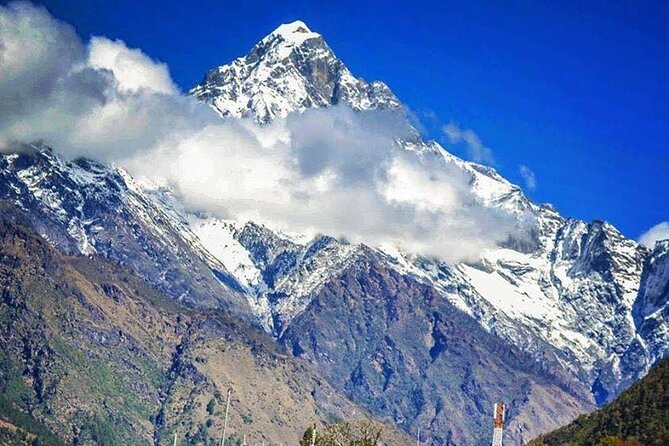
After landing in Lukla, the trek begins with a descent toward Phakding. Even though the day is only a few hours on paper, this is still the Himalayas. You’re walking downhill through a river valley environment, and you’ll feel the air cool down quickly as you move away from Lukla.
One of the smart things about starting this way is that it lets you get your legs working without immediately hitting maximum altitude pressure. You’ll also cross into the Everest region vibe right away: suspension bridges, river views, and a trail that runs alongside fast-moving glacier-fed water.
You spend the night in Phakding. That matters because the next day brings more climbing pressure and the start of your more frequent bridge crossings.
Namche Bazaar: Bridges, Permits, and Your First Real Everest Moments
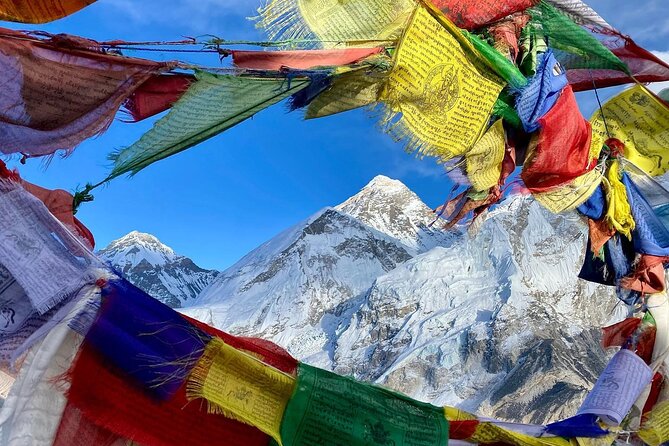
Namche Bazaar is where the Everest story becomes visible. You’ll cross the Dudh Koshi again on a suspension bridge, and the trail swings through pine forests on the way to Sagarmatha National Park where permits are checked.
This is also where the trek starts to feel like it has a heartbeat. Your day includes a downhill for lunch and then a climb back up to Namche. It’s a pattern you’ll keep seeing: push, settle, climb, repeat.
The Hillary Suspension Bridge is part of the route here, and it’s one of those moments that makes you slow down even if you’re moving with good pace. When you arrive in Namche, you get your first strong sights of Everest, and the whole village acts like a base camp for people heading for bigger peaks.
If you want a practical takeaway: Namche isn’t just a stop. It’s where you learn how to behave in altitude—how to move steadily, how to keep water intake consistent, and how to avoid the urge to race your breathing.
Acclimatization Day in Namche: Everest Viewpoint Without the Pressure
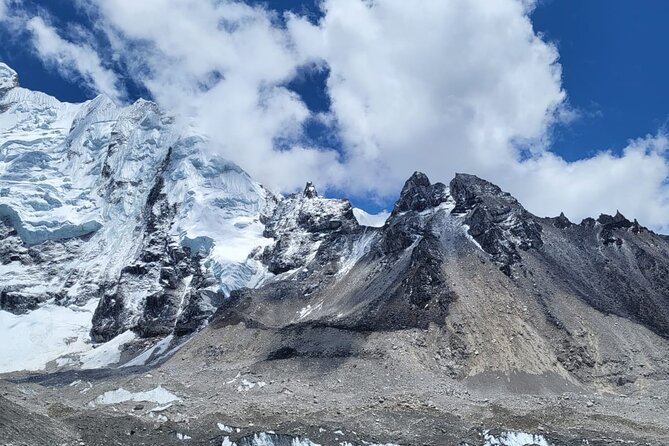
You get an intentional acclimatization day in Namche. This is a huge deal on Everest Base Camp treks because altitude doesn’t care if you feel brave at 3,000 meters or 3,500 meters. The trek gives you time to adjust.
You can take a hike toward Everest View Point (about a two-hour option) or just explore Namche. There’s also a Sherpa museum, and on Saturdays there’s a small outdoor market. Even if you don’t shop, it helps you see the culture that supports this trekking world.
The important part is that this day gives you the choice to keep moving lightly. You’re not forced into big climbs, and that flexibility helps your body settle. It’s also a good moment to check your gear and clothing layers while you still have the energy to fix small problems before higher villages thin things out.
Tengboche Monastery: Spiritual Stop With Big Mountain Payoff
Next comes Tengboche, known for being the largest monastery in the Khumbu (Everest) region. This day isn’t just scenic. It’s a cultural and spiritual anchor.
You’ll visit the monastery and receive blessings, and the timing usually lines up with the mountains starting to look more dramatic as you get higher. From Tengboche, you can see major peaks such as Ama Dablam, Thamserku, and Khumbila—and these aren’t just pretty shapes. In this region, many peaks carry sacred meaning for Sherpa communities, and that context changes how you experience the view.
The downside? Tengboche can also be a day where clouds roll in. The trek keeps going regardless, but your view may depend on weather. Still, even when the mountains are shy, the monastery atmosphere tends to stay powerful.
Dingboche and the Shift in Scenery: When the Trees Thin
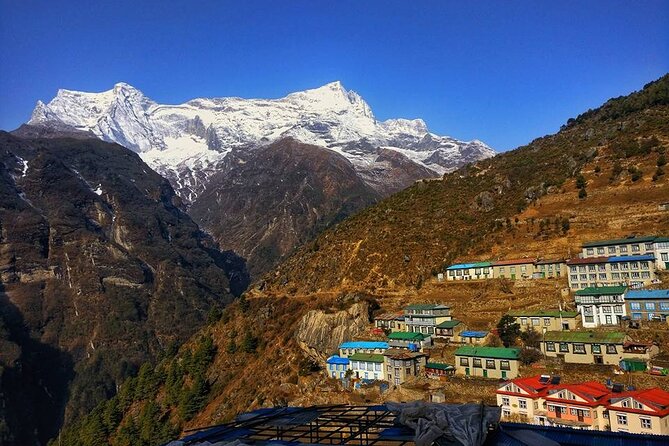
From Tengboche you move toward Dingboche, walking through alpine forests and villages. This section helps you understand how the region changes as altitude increases. You pass ridgelines and keep noticing the shift from more trees toward more shrubs.
You’ll reach a ridgeline where peaks like Taboche and Nuptse show up in the wider picture, and you feel the valley narrowing in your mind as you keep heading higher.
Then you get another rest day in Dingboche. This is your chance to recover from the climbing and let your body adapt. You can explore the surrounding Chhukung and Imja valleys, and the area connects to future trekking options like Island Peak and Makalu Barun National Park (if you want to plan another trip later).
What I like about this structure is that it reduces the odds of rushing. You don’t have to play catch-up with your acclimatization. You can simply follow the plan.
Lobuche: Memorial Stupas and a More Serious Trail
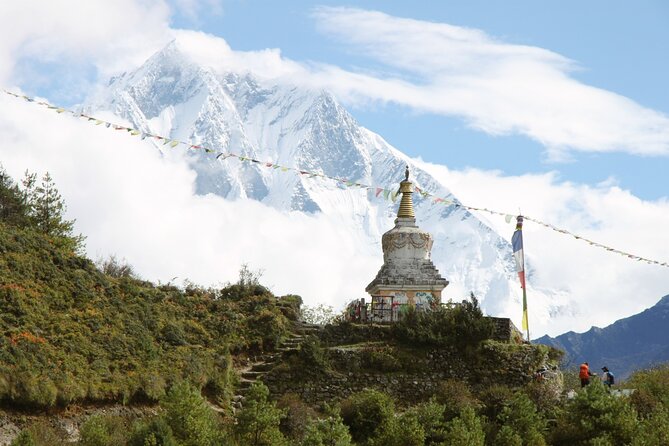
Lobuche is where the trek starts to feel heavier. You move more slowly because the altitude makes every step cost more.
Along the way, you’ll climb to memorial stupas for those who’ve lost their lives on Everest. It’s a sobering pause in a landscape that otherwise feels heroic. Then you continue to Lobuche with views of Lobuche, Pumori, and Nuptse.
This part of the trek is also a good reminder that Everest is not just a destination. It’s a long human story, and the route includes that respect in physical form. When you reach higher camps, you’ll feel it in the way the trail looks and the way people move.
Gorakshep to Everest Base Camp: The Rocky Reality of the Goal
The day you reach Everest Base Camp starts at Gorakshep. What makes this segment special is also what makes it tough: the route from Gorakshep to Base Camp and back takes about 6 to 7 hours of serious walking over rocky ground formed by glacier debris.
This isn’t the type of day where you can drift. You’ll need solid footwork, careful pacing, and steady breathing. The trail can feel uneven underfoot, and the moraine-like terrain keeps you from settling into a smooth stride.
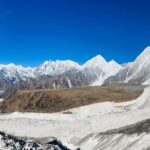
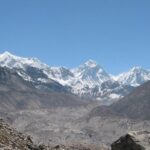
Once you get to Base Camp, you’ll see the Khumbu Glacier and the Icefall, and you may even spot climbers moving toward their attempt on the world’s highest peak. The views aren’t subtle. You’re under the protection of massive surrounding peaks like Mount Everest, Nuptse, Lhotse, Ama Dablam, Thamserku, and more.
The emotional payoff comes fast. You take photos, you soak in the moment, and then you walk back—because the trek always asks you to return the way you came.
Kalapatthar at Sunrise: The Best Light You’ll Get All Trip
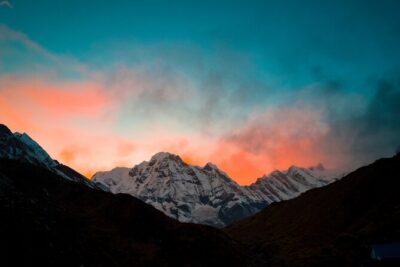
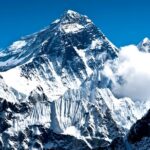
If Base Camp is the big checkmark, Kalapatthar is the closer-to-Everest reward. You rise before dawn to watch sunrise over Mount Everest, and the surrounding peaks—like Nuptse, Changtse, and Lhotse—catch the first light too.
This is the part of the trek where you’re glad you came. You’re getting the closest views to Everest’s true presence without needing to climb the mountain. It can also be cold before the sun lifts, so your layers matter.
After breakfast on the lower section, you descend toward Pheriche. There’s a possible option to walk on toward Panboche if the group still has energy, but the day’s core job is to get you moving safely while you’re still tired.
The Return Down: From Pheriche Back to Namche and Lukla
After Kalapatthar and the descent to Pheriche, you head down again toward Tengboche and Namche Bazaar, spending the night back in Namche. This feels easier than climbing days, but it’s still real trekking.
Downhill can be tough on knees and feet, especially after multiple days of altitude. The best way to handle it is boring and effective: slow down, shorten your stride, and keep your steps deliberate.
Then you return to Lukla. You pass over the Hillary Suspension Bridge again and arrive in the afternoon, where there’s a traditional group farewell party. It’s a nice moment because the trek shifts from effort to celebration quickly.
Flights Back to Kathmandu: When Timing Meets Traffic
On the final flight day, you take an early morning departure from Lukla either to Kathmandu or to Ramechhap depending on the situation with Kathmandu Airport. Because you already met the early drive timing once, you’ll be mentally prepared for it the second time around.
Once you’re back in Kathmandu, you end with safe onwards travel plans and the classic Nepal goodbye phrase pheri bhetola, meaning see you again.
That ending matters. A trek like this doesn’t just end when you reach base camp. It ends when you’re back in a place where you can rest deeply and sleep without elevation waking you up.
Price and Value: Is $1,600 Worth It Here?
At $1,600 per person, the big question isn’t just the number. It’s what you’re paying for.
This package includes:
- Kathmandu hotel nights (2 nights)
- Mountain teahouse accommodations (11 nights)
- Guide (12 days) and porter (11 days)
- Kathmandu to Lukla flights and the return flights
- Sagarmatha National Park entry plus local entry permits
- Meals on the trek days: breakfast, lunch, and dinner (12 of each listed across the mountain days)
- Staff insurance and ground transport for support staff
- Local transfers in Kathmandu tied to your international flight arrival/departure
What’s not included is lunch and dinner in Kathmandu and your travel insurance. For many people, travel insurance isn’t an optional expense on a trek with weather and flight timing risks, so it’s smart to think about that early.
The value logic here is simple: flights, permits, and guiding can become expensive fast if you book them separately. This itinerary bundles the core mountain logistics and keeps you hiking with an experienced team. You’re also not dealing with huge group sizes since the trek caps at 8 travelers.
Your Daily Rhythm: Walking Time, Teahouses, and Included Meals
Expect roughly 5 hours of trekking per day, with some days stretching to 7 to 8 hours. That mix is what makes this trek work for most strong walkers: you get enough hours to feel accomplished, but the itinerary also builds in rest.
Mountain days have breakfast, lunch, and dinner included, which removes a lot of decision fatigue. You can spend your energy on pacing and hydration rather than hunting for food. You’ll also be staying in teahouses for 11 nights, which means you’re not carrying a heavy tent setup.
One practical note: the trek includes a porter for 11 days, so your pack weight is usually manageable. Still, you’ll want a smart layering system and a plan for wind and cold during early morning starts.
The Guide and Porter Factor: Why Names Keep Coming Up
In the feedback I’d pay attention to the role of the guide, not just the views. On this route, the guide’s job is to manage pace, keep you safe at altitude, and run the logistics so the day doesn’t fall apart.
Names that stand out from what’s been shared include KP (Krishna Prasad Bhatta), Dilman, and Pradeep (the owner). There are also mentions of guides like Jay, and Sherpa guide Pemba Sherpa, plus support from porters such as Milan and Lak Kubir Rai.
What those comments have in common is the same theme: calm professionalism. On a trek where the schedule can wobble due to flights and mountain conditions, you want someone who stays steady and handles small problems quickly. A small group helps too; you’re less likely to get lost in the chaos.
Who This Trek Fits Best
This trek is for you if you:
- Have strong physical fitness
- Like a structured itinerary with acclimatization built in
- Can handle early starts and weather-driven changes
- Want authentic Everest region culture stops like Tengboche Monastery and Namche Bazaar
It’s also a good fit if you prefer comfort in the form of included teahouses and included mountain meals. You’ll still do hard walking, but you won’t be building your day from scratch.
If you want something gentler with fewer altitude jumps, you might consider a shorter or more incremental alternative. But for an Everest Base Camp dream, this route hits the classic highlights.
Practical Tips That Make the Trek Easier on Your Body
Altitude is the real opponent here. Even if you’re fit, your breathing will change. You’ll feel better if you:
- Walk slower than you think you need to
- Keep steady steps on rocky ground, especially near Gorakshep/Base Camp
- Treat rest days like part of the training, not downtime
Pack for cold mornings. Kalapatthar sunrise means you’re up early, moving, and waiting while the light comes in. Also plan for nights in teahouses and layers you can adjust as you climb and descend.
Finally, be ready for the schedule to bend because Lukla is the hinge point. The Ramechhap diversion note is specific for a reason. Keep your flexibility high, and your trip will feel smoother.
Should You Book This Everest Base Camp Trek?
I’d book it if you want the classic Everest Base Camp route with the core highlights: Namche Bazaar, Tengboche Monastery, Kalapatthar sunrise, and the Base Camp goal itself. The included setup is strong for the money, especially when you consider flights, permits, guide/porter support, and mountain meals.
Hold off if you’re not comfortable with early starts and weather-driven flight changes. Lukla operations can affect timing, and you should be ready for the possibility of routing through Ramechhap and very early driving days.
If you can handle that, this trek is a focused, well-supported way to chase Everest’s biggest landmarks without turning the trip into a logistics project.
FAQ
What’s the hardest walking day on this Everest Base Camp route?
The most serious walking is the trek from Gorakshep to Everest Base Camp and back, which takes about 6 to 7 hours over rocky ground made from glacier debris.
What does the price of $1,600 include?
It includes Kathmandu hotel stays (2 nights), 11 nights in mountain teahouses, the guide for 12 days and porter for 11 days, Kathmandu–Lukla–Kathmandu flights, Sagarmatha National Park entry and local permits, local transfers for arrival/departure, meals on the trek days, and staff insurance for support staff.
Do I need permits for this trek?
Yes. Sagarmatha National Park entry and local entry permits are included.
What happens if Lukla flights go through Ramechhap?
At certain times, flights may depart and return to Ramechhap instead of Kathmandu. The drive to Ramechhap is about 4 hours and can require leaving Kathmandu around 2 am, and the return drive at the end can be 4 to 6 hours depending on traffic.
Are meals included in Kathmandu?
Lunch and dinner in Kathmandu are not included. Meals on the trek days are included.
How big is the group?
The trek has a maximum of 8 travelers.
FAQ
Can I cancel for a full refund?
Yes. You can cancel up to 24 hours in advance for a full refund. If you cancel less than 24 hours before the experience starts, the amount you paid won’t be refunded.
What if the trek is canceled due to weather?
Since the experience requires good weather, if it’s canceled due to poor weather you’ll be offered a different date or a full refund.