REVIEW · HANOI
4-Day Jungle Trekking in Ba Be National Park
Book on Viator →Operated by Mr Linh's Adventures · Bookable on Viator
One hike, three cultures, and real time outside. This Ba Be National Park trek pairs homestay nights with boat-and-foot days, plus hands-on moments like fishing life and corn wine with local communities. I like that the plan feels practical and varied, not just walking for walking’s sake, but a possible drawback is the steep, rough terrain on at least one day, so you’ll want decent shoes and steady legs.
The best part for me is how the days are stitched together: you’re moving through mountains and valleys, then dropping into everyday life in Tay, Dzao, and Hmong settings. Guides like Giang and Hung get praised for keeping things human and clear, including helping with traditional clothing photos and leading steep segments with confidence. Still, it’s not a gentle stroll, and you should expect some sweaty uphill work and long days in the field.
If you’re the kind of traveler who likes your nature trips with people attached (not just scenery), this one fits. You’ll start around 8:00am from Hanoi, spend three nights in different homestays, and finish back in the city around 17:30 with a full, door-to-door reset.
In This Review
- Key highlights worth your attention
- Ba Be National Park: The Lake-and-Mountain Mix That Changes the Pace
- Getting There and Back: Door-to-Door Comfort for a Long Stretch
- What this logistics style buys you
- Homestays: Tay Stilt House to Dzao Traditions (and What to Expect)
- Trekking Days That Actually Make You Work (Total 25 km)
- Day 2: Steep trails, a stream crossing, and reward views
- Day 3: Gentler trails, deep forest, and Dau Dang Waterfall
- Fitness reality check
- Ba Be Lake by Boat: The Break You’ll Be Grateful For
- Caves on the Route: Puong and Hua Ma’s Atmosphere
- Cultural Encounters That Are Built Into the Schedule
- Tay fishing life and stilt house evenings
- Hmong village lunch and corn wine time
- Meeting Mr Pirate at lunch
- Meals and Gear: What’s Included, What You Should Still Plan For
- What you should bring anyway
- Price and Value: Is $679 Fair for This Much Moving?
- Who Should Book This Ba Be Jungle Trek (and Who Might Not)
- Should You Book Mr Linh’s Adventures in Ba Be?
- FAQ
- Does the tour include pickup and hotel drop-off in Hanoi?
- How many nights will I spend in homestays, and what type are they?
- How much hiking is included over the 4 days?
- What lake and cave activities are included?
- What meals are included during the trek?
- What should I pack for this trek?
Key highlights worth your attention
- Door-to-door pickup and a private format so you’re not sharing logistics with strangers
- 3 homestay nights in different communities, from a Tay stilt house to a Dzao village setup
- Lake time on Ba Be plus trekking that totals about 25 km / 16 miles
- Cave visits including the more recently accessible Hua Ma cave with a concrete staircase
- Cultural stops that aren’t just look-and-go, including village meals and corn wine time
- Guide-led pacing designed for moderate fitness, with rough patches on Day 2
Ba Be National Park: The Lake-and-Mountain Mix That Changes the Pace
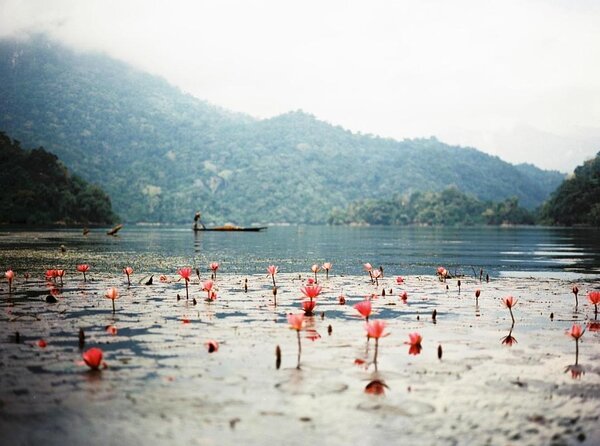
Ba Be National Park sits in Bac Kan province, about 240 km northeast of Hanoi. That distance matters. It’s far enough that the trip doesn’t feel like a rushed side trip, but close enough that you can still reach it in a day and get outside fast.
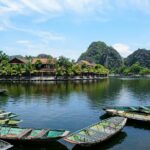
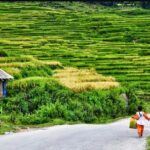
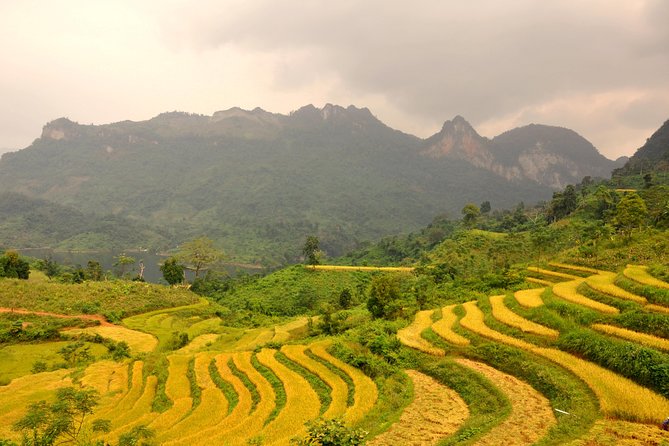
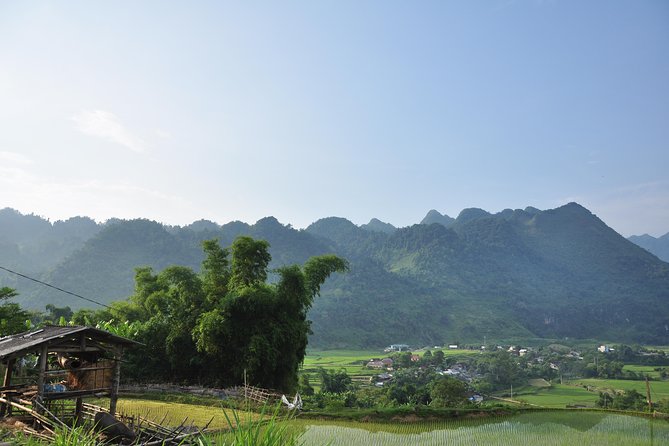
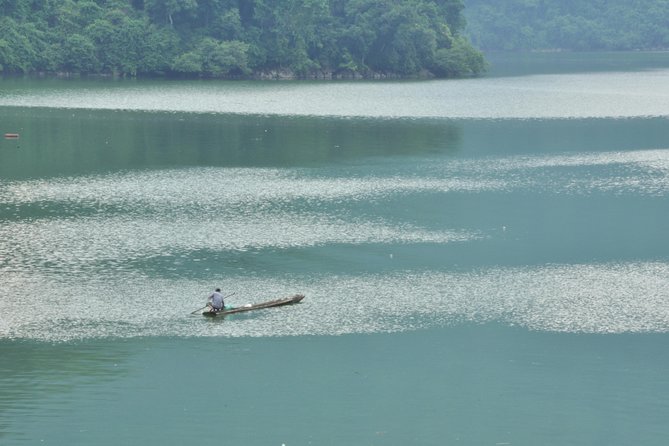
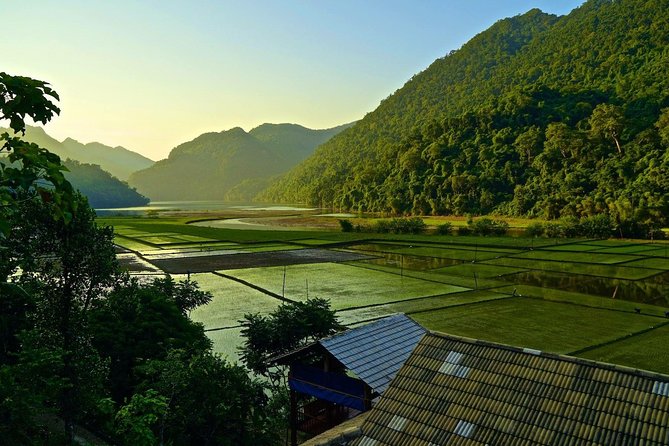
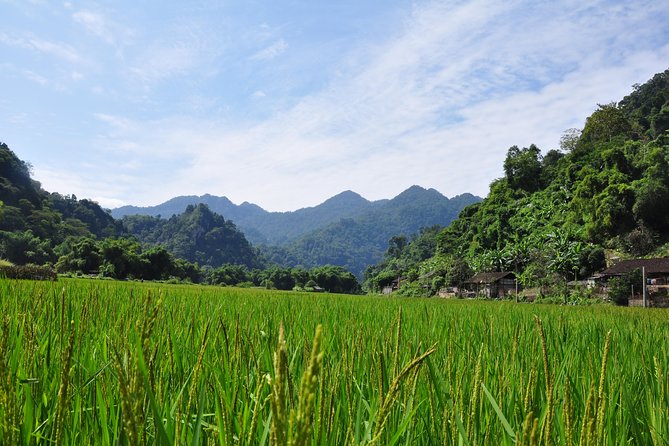
What you get here is a mix of water and hills. You’ll be on Ba Be Lake by boat (for those wider views and calmer breaks), then switch to hiking through mountains, valleys, and village edges. This rhythm is one reason the trek feels different from “just another rainforest walk.” You’re not only burning energy; you’re also resetting your senses when the day turns from slopes to water.
The trek also builds in multiple cultural contact points: Tay, Dzao, and Hmong communities show up across the days, not all on the same afternoon. That’s useful because it lets you understand how daily life connects to the environment—especially in places where fishing and valley travel are part of the routine.
One practical note: the program is designed for moderate fitness. That’s the sweet spot for most active travelers, but it also means you shouldn’t plan on treating the steep day like an easy nature walk.
You can also read our reviews of more tours and experiences in Hanoi.
Getting There and Back: Door-to-Door Comfort for a Long Stretch
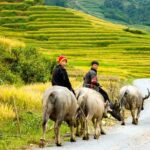
The tour starts at 8:00am. You’re offered pickup, and the whole point is to remove the headache of coordinating a remote itinerary. You’ll travel from Hanoi to Ba Be, with an early stop at the Museum of the Cultures of Vietnam’s Ethnic Groups. That’s a smart setup: it gives context before you hit the mountains and lake.
On Day 1, you’ll have a local restaurant lunch on the way, then continue the final stretch into the park area. You arrive early in the afternoon, enough time to rest, eat dinner, and settle into your Tay homestay for the night.
On Day 4, you return to Hanoi and you’re let off at your hotel around 17:30. For a multi-day trek, that’s a big deal. It means less scrambling at the end and more chance to shower and sort laundry without stress.
What this logistics style buys you
- A calmer start (rather than meeting a random driver at an unclear spot)
- Less wasted daylight spent figuring out transport
- More energy for the trekking itself
Homestays: Tay Stilt House to Dzao Traditions (and What to Expect)
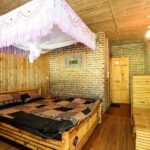
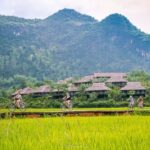
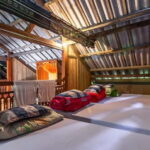
You spend three nights in homestays, and the variety is one of the main reasons this trek works so well. Day 1 is your first night in a Tay minority home, described as a traditional wooden stilt house. Stilt houses aren’t just a photo op here. Living on stilts usually reflects how people adapt to local conditions, and that makes the experience feel grounded.
Day 3 includes a Dzao village stop and time to try on traditional Dzao clothing for photos. Even if you ignore the photos (or keep it simple), this moment matters because it’s a social interaction with meaning. You’re not just passing through; you’re being included.
Between those, there’s another homestay night in the program that keeps the feel fresh rather than repeating the same setup. This is where you’ll see how the trek’s “adventure” side isn’t only hiking. It’s also about how people host and feed you after you’ve worked for the views.
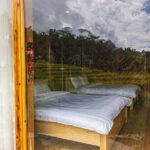
A balanced expectation: homestays can mean simpler comforts than a hotel. You’re trading extra polish for closeness to daily life, and for most people that’s the whole point. If you’re the type who wants everything cushy and predictable, you might feel the difference more strongly.
Trekking Days That Actually Make You Work (Total 25 km)

The overall hiking distance is about 25 kilometers (16 miles) over the course of the trek. That total doesn’t sound huge on paper, but the key detail is the terrain and the time spread across days.

Day 2: Steep trails, a stream crossing, and reward views
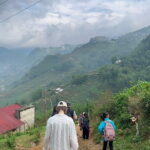
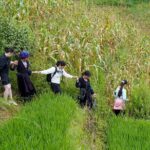
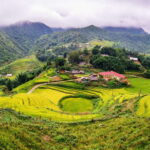
Day 2 is the “get your heart rate up” day. You start by visiting Coc Toc Village to meet the Tay community. This is closely tied to the lake: they’ve become skilled at fishing and their diet centers around fish. After that, you cross the Pe Lu Stream, then tackle rough, steep terrain.
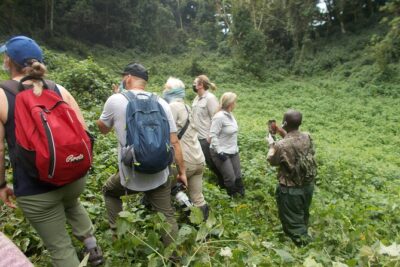
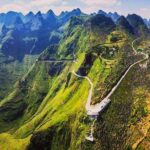
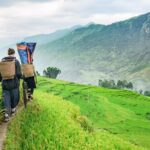
Here’s how to approach it: take your time on the climb. The payoff comes as you gain height and start seeing rolling countryside. You’ll stop for a picnic lunch in a Hmong ethnic village, then keep moving through upland areas.
Day 3: Gentler trails, deep forest, and Dau Dang Waterfall
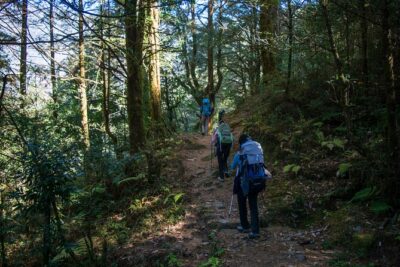
Day 3 shifts gears to “still active, but more manageable.” You take slightly gentler trails compared to Day 2. You’ll visit a black Hmong ethnic village, then descend through thick forest. As you move down, the route brings you to Dau Dang Waterfall, which sits on the border of Bac Kan and Tuyen Quang.
Waterfall stops are always a little “roll your ankles on wet ground” tricky, so expect damp surfaces. Bring shoes that grip and keep a steady pace. The goal isn’t to race the day. It’s to finish it feeling proud, not destroyed.
Fitness reality check
The tour is for a moderate physical fitness level. If you’re comfortable with multi-hour hikes and uneven ground, you’ll probably do fine. If you want a flat, easy walk every day, you’ll likely find Day 2 demanding.
Ba Be Lake by Boat: The Break You’ll Be Grateful For
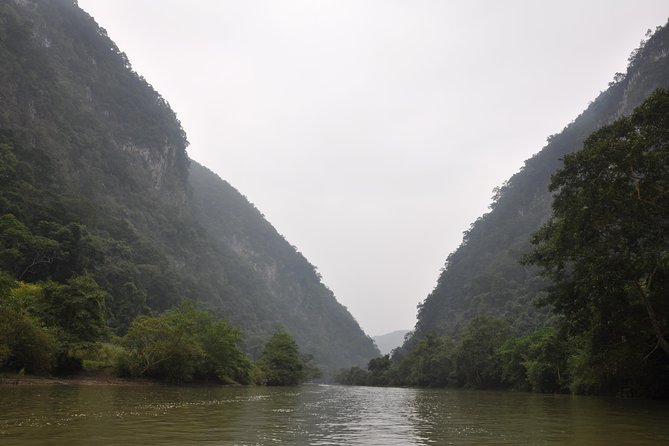
Ba Be Lake isn’t just scenery. You’ll experience it by boat as part of the program, alongside time on foot. This matters because the lake offers a different pace—less impact than hiking, more time to look around and absorb the park’s mix of water and hills.
Also, boat time is where your guide can point out how communities use the lake. Since the Tay community’s life connects strongly to fishing, being on the water helps the cultural piece click. It’s one thing to hear about fishing life at a village stop; it’s another to see the lake from the same ecosystem you’re walking above.
If you’re the kind of traveler who gets restless in static sightseeing, this boat component is a nice balance. You’re moving, but you’re not only climbing.
Caves on the Route: Puong and Hua Ma’s Atmosphere
The itinerary includes cave time, including Puong Cave and Hua Ma Cave.
Hua Ma is the more detailed stop on Day 4. The cave has recently been made accessible, and locals avoided entering because of ancient beliefs. That background gives the cave a different mood than a standard show-cave.
You descend using an impressively built concrete staircase, then look out over thousands of stalactites and stalagmites. The experience is described as atmospheric, and that matches what caves usually do to your senses: cooler air, darker views, and time slowing down because you don’t need to keep walking.
A practical note: caves often mean damp surfaces and uneven footing. Even though the staircase is concrete, wear shoes you trust. If you’re expecting slippery conditions, you’ll feel better prepared.
Cultural Encounters That Are Built Into the Schedule
This trek’s cultural value isn’t only in “seeing” villages. It’s in the structure: you meet communities, eat together, and spend enough time in each place for it to feel normal rather than rushed.
Tay fishing life and stilt house evenings
On Day 1, you settle into a Tay stilt house for your first night. Day 2 then takes you to Coc Toc Village, where Tay villagers are known for fishing skills and fish-centered eating. This is the kind of cultural exchange that feels functional: the environment shapes the routine.
Hmong village lunch and corn wine time
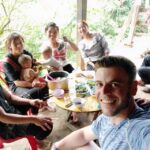
You’ll have a picnic lunch in a Hmong ethnic village. The highlights also mention dining and drinking corn wine with Hmong people. That’s a big part of why the program is more than a hike. Corn wine isn’t just a drink; it’s often tied to community gatherings and hospitality.
Meeting Mr Pirate at lunch
Day 3 includes lunch with an actor known as Mr Pirate, identified as the main actor in the Ba Be Lake Pirate Movie. That’s a fun twist, but it also shows you the area has a shared pop-culture reference point beyond nature and trekking.
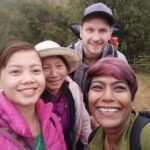
It’s also worth noting how guides matter here. In the guide experiences that come up with this trek, people like Giang and Mr Hung are described as strong English speakers and charming in how they lead. Kevin’s name also appears in the mix, adding to the sense that guiding quality is a real part of the package, not an afterthought.
Meals and Gear: What’s Included, What You Should Still Plan For
You get 10 meals during the trek, mapped as:
- Breakfast: 3
- Lunch: 4
- Dinner: 3
The included meals help you avoid the classic mistake on rural tours: arriving hungry and having to “figure out food” while the day keeps moving. For a multi-day hike with homestays, this coverage is a major value driver.
Gear is also included. The program lists tents, dry bags, sports equipment, and life jackets. Even if you won’t use every item every day, it’s a sign the tour is built to handle the practical needs: trekking carry, protecting belongings, and safety for water time.
What you should bring anyway
The tour suggests essentials, including:
- Passport (you must bring it)
- Insect repellent
- Sunblock
- Raincoat
- Sun hat
- Light comfortable outdoor clothes
- Comfortable walking shoes
- A small day pack for hiking
If you follow that list, you’ll likely feel less bothered by the small surprises: sudden rain, bug bites, and the long hours outdoors under sun.
Price and Value: Is $679 Fair for This Much Moving?
At $679 per person, this is not a budget “hop on a bus” tour. The value comes from the combination of costs that are usually painful when you DIY them.
What’s included is doing heavy lifting:
- Three nights of accommodation in homestays
- A local English-speaking guide
- All sightseeing tickets
- Round-trip transfers from Hanoi, including hotel drop-off
- 10 meals
- Safety and trekking equipment like life jackets and dry bags
- A private format for your group
Also, the tour offers group discounts and pickup, which can shave off extra hassles. The key question for you is whether you want your trip to feel organized and culturally guided rather than improvised.
If you try to stitch together transport, lodging, and guiding yourself, you’ll likely spend time and money in the gaps. This price is paying for the “glue”: the schedule, the local contacts, and the day-to-day continuity.
One watch-out: the tour is non-refundable and can’t be changed once you confirm. That doesn’t make it bad. It just means you should book with confidence and a stable plan.
Who Should Book This Ba Be Jungle Trek (and Who Might Not)
You’ll probably love this tour if you:
- Want nature plus minority culture, not one or the other
- Prefer less crowd pressure and a route that focuses on real villages and trails
- Are comfortable with moderate fitness and uneven terrain
- Like active days with breaks, meaning trekking plus lake and cave moments
You might want to skip it if you:
- Need a fully flat, easy walk every day
- Strongly dislike simple homestay conditions
- Have mobility limits that make steep climbs and forest descents difficult
The “sweet spot” traveler is active, curious, and okay with doing a bit of work to earn the views and conversations.
Should You Book Mr Linh’s Adventures in Ba Be?
If your idea of a great Vietnam trip is walking in the mountains, eating in homes, and seeing a lake from both boat and shore perspectives, this is a smart booking. The schedule is built around variety: stilt-house Tay evenings, Dzao clothing moments, Hmong meals and drinks, and cave visits that change the mood of the day.
For me, the deal is simple: you’re paying to have the hard parts handled—transport, tickets, guiding, and the meals—so you can focus on walking, learning, and relaxing at the end of each day. If you’re physically ready for the steep day and you’re open to homestay life, this trek is one of those experiences that makes Ba Be feel personal instead of just scenic.
FAQ
Does the tour include pickup and hotel drop-off in Hanoi?
Yes. Pickup is offered for this door-to-door style tour, and you’re also dropped back at your hotel in Hanoi around 17:30 on the final day.
How many nights will I spend in homestays, and what type are they?
You’ll spend three nights in different homestays. Day 1 includes an overnight with a Tay family in a traditional wooden stilt house, and the program also includes a Dzao village experience with opportunities to try on traditional clothing.
How much hiking is included over the 4 days?
The tour totals about 16 miles (25 kilometers) of walking over the course of the 4 days, with rough and steep terrain on at least one trekking day.
What lake and cave activities are included?
You’ll experience Ba Be Lake by boat, and you’ll visit caves including Puong Cave and Hua Ma Cave. Hua Ma Cave includes a concrete staircase and views of stalactites and stalagmites.
What meals are included during the trek?
Meals included are 10 total: 3 breakfasts, 4 lunches, and 3 dinners, following the schedule of the itinerary.
What should I pack for this trek?
Bring your passport. You should also pack insect repellent, sunblock, raincoat, sun hat, light comfortable clothes for outdoor activity, comfortable walking shoes, and a small day pack for hiking.