REVIEW · POKHARA
Pokhara: 3-Day Trek
Book on GetYourGuide →Operated by iTourNepal P Ltd · Bookable on GetYourGuide
Three days in the Annapurna foothills. This trek is a smart way to get the Himalayan feel without spending your whole vacation earning blisters. I like that it stays comfortable with lodge stops (including hot shower access) and a private pace, not a cattle-call march. One thing to keep in mind: pickup is only included for hotels in the Lakeside area, and meeting timing can vary—so confirm your departure details the day before.
You’ll walk ridge paths, pass through villages, and sleep in teahouses high enough to see the mountains change color at sunrise and sunset. Day 1 routes you from Naudanda down and up to Dhampus, then onward past Pothana to Australian Camp. Day 2 follows the ridge to Astam and finishes at Annapurna Eco Village Resort, where you can learn about organic farming and water-saving practices.
The trail is sold as short and easy, but it’s still trekking. If you want zero uphill, plan for some climb, especially on Day 1 as you reach the ridge.
In This Review
- Key things I’d focus on before you book
- Why This 3-Day Pokhara Trek Feels Like Real Himalaya, Not a Day Trip
- Day 1: Naudanda to Dhampus, Pothana, and Australian Camp
- Australian Camp Night: The View Game Changes After You Leave the Village
- Day 2 Ridge Walk to Astam and Annapurna Eco Village Resort
- Day 3: The Easy Finish Down to the Highway and Back to Pokhara
- Lodges, Bathrooms, and Food: Comfort You’ll Actually Notice
- Private Guide + Porter: Why the Experience Feels Safe and Smooth
- Price and Logistics: Where the $250 Really Goes
- What to Bring (and What People Forget)
- Who This Trek Suits Best (and Who Should Skip It)
- Should You Book This Pokhara Trek?
- FAQ
- FAQ
- Is the trek private or shared?
- How many days and how long is the walking each day?
- What kind of accommodation do you sleep in?
- Are meals included in the price?
- Is pickup from my hotel included?
- What time do you start, and do you get a briefing?
- What language is the guide?
- What should I bring?
- Is insurance included?
Key things I’d focus on before you book
- Hot showers and attached bathrooms at both overnight stops (first night includes a hot shower)
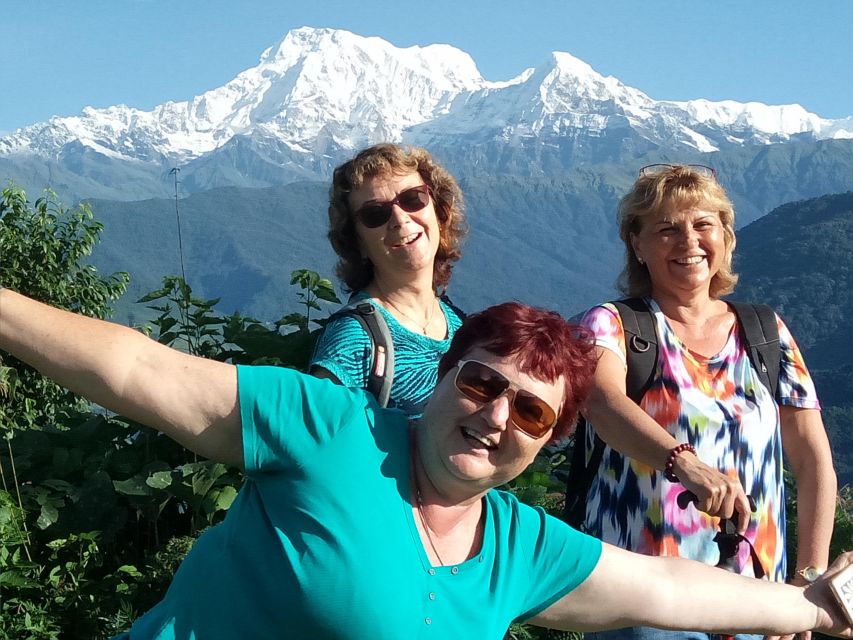
- Best sunrise and sunset over the Annapurna Range, especially from the Australian Camp area
- A private trek customized to your walking interest, with options to shorten by driving higher
- Ridge walking with big views, plus village passes through terraced countryside
- Eco Village learning in Astam, including organic farming and water reuse ideas
Why This 3-Day Pokhara Trek Feels Like Real Himalaya, Not a Day Trip
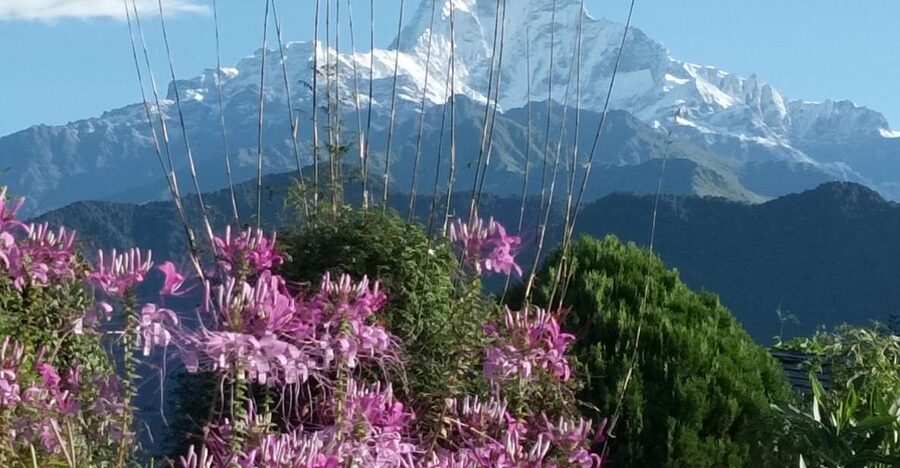
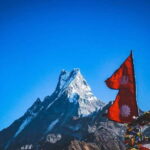
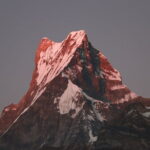
Pokhara sits in a valley with the mountains watching from every direction. What makes this trek work is that you move out of the city and into the foothills zone about 30 kilometers northwest of Pokhara, nearer to the Annapurna and Mount Fishtail area. The route stays in striking sightlines without turning into a full expedition.
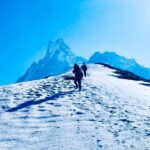
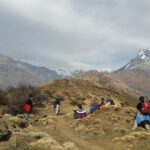
The walking centers on a classic pattern: climb to the ridge, then follow it through villages and viewpoints toward Astam. You get a mix of scenes—terraced fields across sweeping valley views to the north, rhododendron forest around the Dhampus area, and ridge panoramas that make you stop more than you planned.
The best part for most people isn’t just the scenery. It’s the feeling that you’re actually doing a Himalayan trek: slow altitude energy, simple trail rhythm, and nights in mountain lodges. Yet you’re back in Pokhara in time to enjoy a normal dinner and sleep in a bed that doesn’t require extra careful shoe placement.
You can also read our reviews of more tours and experiences in Pokhara.
Day 1: Naudanda to Dhampus, Pothana, and Australian Camp
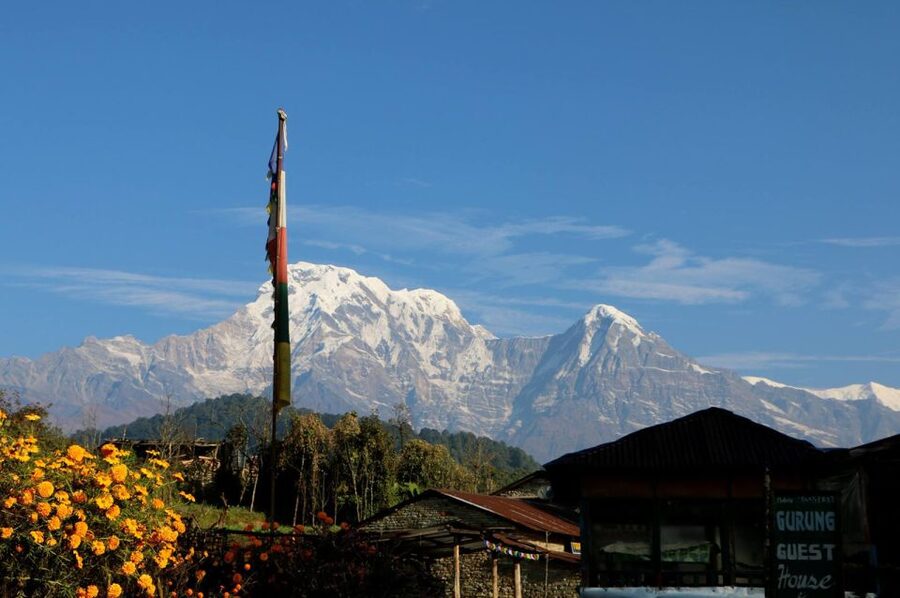
Day 1 starts with a short drive to Naudanda in the western valley rim of Pokhara. From there, the walking begins with a gradual descent to a stream and then a climb up toward Dhampus. The pace is steady: think “built for people who want views” rather than a hardcore scramble.
The itinerary timing gives you a sense of the day’s structure:
- About 2 hours from the Naudanda area to Dhampus (including the descent and the climb)
- A further 1 hour to Pothana village for lunch
- Around 30 minutes from Pothana to Australian Camp for the overnight
Why this day matters: Dhampus and the ridge approach are where the scenery starts to open up. You’re not just walking through scenery. You’re walking toward the kind of sunrise and sunset light the area is famous for.
A practical note: the day is short enough that you can enjoy it, but long enough that you’ll feel it tomorrow morning. If you’re the type who needs a slow start, the lunch stop at Pothana helps. It also breaks up the climb so you don’t rush.
Australian Camp Night: The View Game Changes After You Leave the Village
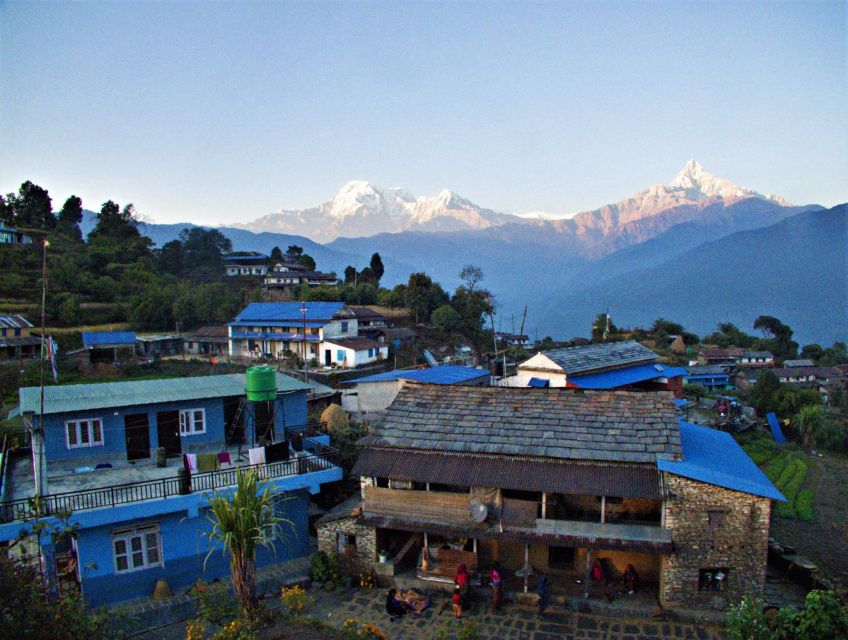
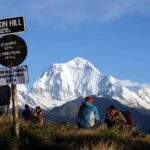
Australian Camp is a well-known teahouse settlement perched above Dhampus, in a rhododendron forest area. The lodge setup here is a big part of why people choose this trek format. You’ll spend the night in a comfortable teahouse with an attached toilet and bathroom, and you can get a hot shower.
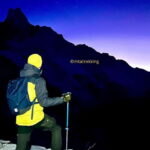
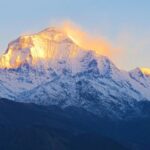
This is where the “Himalaya feel” really clicks. You’re higher, cooler, and farther from Pokhara city noise. That matters because the mountain light shows up clearly. One of the most repeated highlights is the panoramic sunrise—the kind where you stand still, then realize you’ve been holding your breath for a few minutes.
It’s also a night where small things help:
- Bring a practical pair of shoes you trust. Teahouse paths can be uneven.
- Pack for insects and sun. Some guides and trekkers recommend sunscreen and mosquito spray, and it makes sense given the forest and evening air.
If you’re expecting luxury resort vibes, you won’t get that. But you do get the best tradeoff for a short trek: real mountain nights with real comfort.
Day 2 Ridge Walk to Astam and Annapurna Eco Village Resort
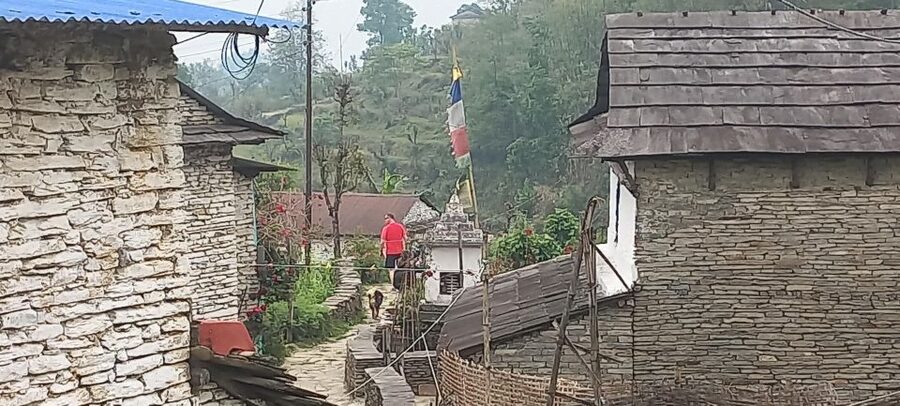
Day 2 begins with breakfast at a view. Then you’re on the ridgeline again, walking toward Astam village and checking in at Annapurna Eco Village Resort.
The walk time is about 4 hours from the ridge area into Astam. This is the “middle day” that often decides whether you feel energized or tired at the end of the trek. Here, the ridge approach keeps it interesting: you get sweeping valley looks, plus the rhythm of passing through countryside spaces rather than a single narrow corridor of trail.
Astam is different from Australian Camp. It’s more village-centered, and the resort brings in an eco focus rather than just a view-first pitch. You can learn about:
- Organic farming in the village setting
- Eco-friendly water measures, including reuse and rainwater harvesting
Meals work a bit differently on this day. The resort experience often includes organic meals, and you can learn about the farm side of the property. If you’re food-curious, this stop gives you a concrete story, not just a “nice” place to sleep.
One small consideration: meals aren’t bundled into the package, so your exact options depend on what’s available and what you choose to order or eat at the teahouses and resort. Still, the area’s teahouse culture tends to mean you’re not stuck waiting for one magic menu.
Day 3: The Easy Finish Down to the Highway and Back to Pokhara
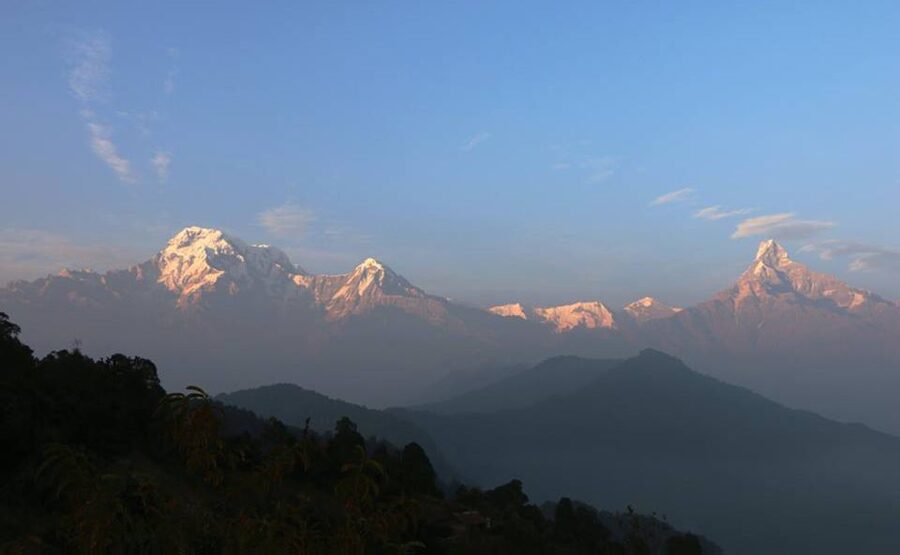
Day 3 is the reward for finishing days 1 and 2 the smart way. You’ll trek down for about 2 hours to the highway, then drive back to Pokhara.
This structure matters because it prevents the common short-trek problem where the final day is somehow also a slog. Here, you get a controlled descent and a clean handoff back to vehicles. It’s ideal if you want the mountains without paying for it with days of recovery.
You should also plan for a couple of things emotionally:
- Start early enough to enjoy the final views while you still have energy.
- Keep your phone charged and ready for the ride. A clean drive back makes the whole trip feel complete.
Lodges, Bathrooms, and Food: Comfort You’ll Actually Notice
The lodge setup is one of the main reasons this trek works at the $250 price point.
Night 1: Australian Camp
You get attached toilet and bathroom, and the hot shower is a highlight. In a short trek, that kind of comfort changes everything. It means you can wash off trail sweat and reset for sleep without turning the experience into a daily management project.
Night 2: Annapurna Eco Village Resort (Astam)
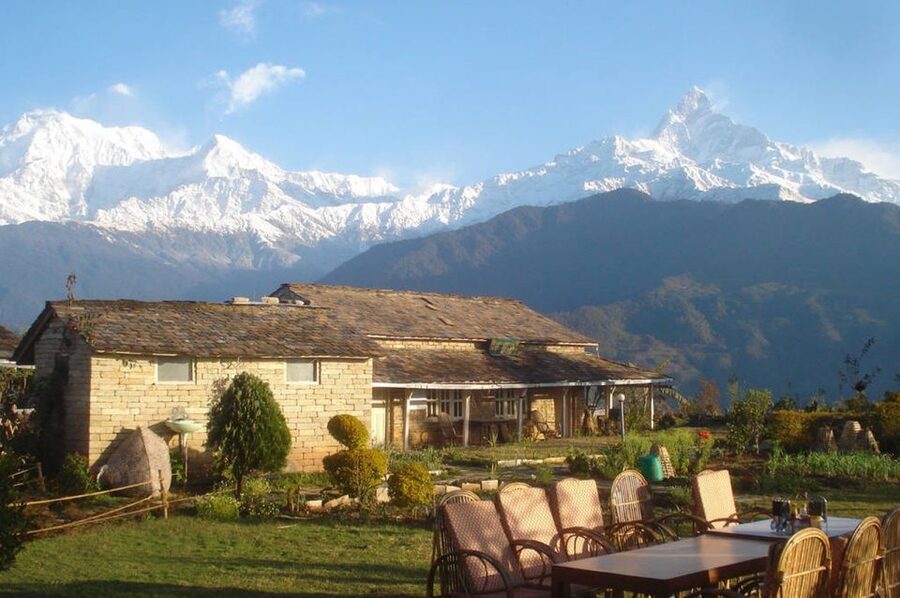
Rooms are described as simple but comfortable, also with an attached bathroom/toilet. The resort sits in the hilltop village setting, and the eco angle helps you feel like the stop has meaning beyond a bed.
Food
Meals are not included in the package. You can order meals at the teahouses and pay directly. The good news is that teahouses here typically offer simple international options, and they’re set up for trekkers, so you aren’t guessing what you’ll eat.
My practical advice: decide in advance how flexible you want to be. If you’re picky, eat early at each stop and ask for what’s available. If you’re game, order whatever local-catered international dish looks good and treat it as part of the trek rhythm.
Private Guide + Porter: Why the Experience Feels Safe and Smooth
This trek runs with a licensed and experienced trekking guide and a porter. The porter carries luggage to each day’s destination, which is key on a short trek. You’re still doing the walking, but you avoid the “small trek, heavy bag” trap that can ruin your pace.
The trek is also private, meaning it can be adjusted to your walking interest. There are even options to shorten the trip by driving to a higher starting point, which matters if you want the mountain views but can’t or don’t want to do every segment on foot.
Guide experience shows up strongly in the reviews. Names like Jit, Prabin, Dansay, and Basanta appear in past trips, and the common thread is attention and safety. If you end up with a guide who explains route decisions and local details as you walk, you’ll feel more connected than if you’re just following a line on a map.
Price and Logistics: Where the $250 Really Goes
At $250 per person for a 3-day trek, you’re paying for more than a scenic walk. This price includes:
- Private transportation to and from the trail head
- Comfortable teahouse accommodation with attached bathroom/toilet (and hot shower on the first night)
- Trekking guide and porter
Meals are not included, and insurance isn’t included either. That’s normal for this kind of trek, but it affects your total spend. Still, the tradeoff is that you’re not forced into one meal plan that may not match your preferences.
What makes the value feel strong is that you don’t have to manage logistics day-to-day. You’re picked up from your hotel in Pokhara’s Lakeside area, briefed the day before, and then guided and supported during the walk.
One caution I’d respect: pickup is only included for Lakeside hotels. If you’re staying away from Phewa Lakeside, expect extra costs. Also, since the operator meets you a day earlier for a trek briefing, I recommend you confirm the departure time clearly the night before so you’re not waiting around in the morning.
What to Bring (and What People Forget)
You only need a few basics to stay comfortable:
- Comfortable shoes
- Sunglasses
That said, the trek happens in forested and sun-exposed mountain settings. A lot of trekkers also remind each other about:
- Sunscreen
- Mosquito spray
If you forget one thing, it’s usually not the trekking poles or fancy gear. It’s sun protection and bug management. The route is short, so you might underestimate how much you’ll feel the sun and evening insects.
Who This Trek Suits Best (and Who Should Skip It)
This experience is designed to feel approachable. It’s often described as short, easy, and good for a Himalayan taste without massive stress. It also fits solo travelers who want a guided route rather than figuring out teahouse logistics on their own.
You’ll likely enjoy it if you:
- Want a 3-day format with comfortable lodging
- Care about sunrise/sunset views over the Annapurna Range
- Prefer a route that mixes villages, ridge walking, and manageable climbs
- Like the idea of learning about organic farming and eco water measures in Astam
You should not book if you have limitations that make travel difficult. It’s listed as not suitable for pregnant women and people with mobility impairments.
Should You Book This Pokhara Trek?
Yes—if you want a true trek feeling in a short window and you don’t want to sacrifice comfort. The combination of ridgeline walking, Annapurna-focused views, and lodge stops with attached bathrooms is exactly what makes this a smart “starter trek” in Nepal.
Book it if:
- You want private guidance and a porter-backed pace
- You value a hot shower at least once in the middle of your trek
- You’d rather spend time looking at the mountains than reading trail-finding instructions
Consider a different option if:
- You need fully accessible walking conditions
- You’re not okay with meal flexibility since meals aren’t included
- You’re staying outside Pokhara’s Lakeside zone and don’t want to pay extra pickup costs
FAQ
FAQ
Is the trek private or shared?
It’s a private trek. You can also customize the route to fit your walking interest.
How many days and how long is the walking each day?
The experience is 3 days. Walking times are about 2 hours to Dhampus (Day 1 segment), then about 1 hour to Pothana and 30 minutes to Australian Camp, about 4 hours on Day 2 to Astam, and about 2 hours down to the highway on Day 3.
What kind of accommodation do you sleep in?
You sleep in teahouses: the first night at Australian Camp with an attached bathroom and toilet and hot shower, and the second night at Annapurna Eco Village Resort in Astam with attached bathroom/toilet.
Are meals included in the price?
No. Meals are not included, but you can order meals at the teahouses and pay directly.
Is pickup from my hotel included?
Pickup is included only if your hotel is in the Lakeside area of Pokhara. If you stay away from Phewa Lakeside, there may be extra pickup cost.
What time do you start, and do you get a briefing?
The tour operator meets you at your hotel the day before for a trek briefing and sets the departure time for the next day.
What language is the guide?
The trek guide is listed as English-speaking.
What should I bring?
Bring comfortable shoes and sunglasses. It’s also wise to consider sun and insect protection based on common trek advice.
Is insurance included?
No. Insurance is not included in the package.