REVIEW · MARRAKECH
2-Days Trek to Berber villages in the Atlas Mountains
Book on Viator →Operated by Trek in Atlas · Bookable on Viator
Atlas Mountains, but human scale.
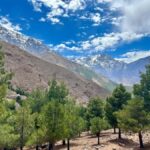
What makes this trek interesting is that it’s built around real Berber villages and big scenery, not just a workout. I especially like the waterfall focus near Azadeh Valley and the village rhythm that includes an Iklil lunch by the river under walnut groves. The one thing to consider is the hiking time adds up fast, so you’ll want sturdy boots and waterproof layers, even if the group is small and the pace can be adjusted.
Day 1 starts with a comfortable drive out of Marrakech and a proper guide handoff (a warm cup of tea to get oriented and keep the day smooth). Day 2 goes higher to the Tawdja summit area (2700m), with lunch planned along the route so you’re not just white-knuckling your way uphill.
And yes, the people matter here. One guide connection that stands out is Hassan coordinating everything with a personal guide, and Mohammed showing up as a strong, organized mountain leader on treks with great food and flexible timing when weather changes.
In This Review
- Key Things That Make This Trek Work
- Marrakech to Imlil: The Start That Sets Your Pace
- A practical takeaway
- Day 1 Hiking Timing: Waterfalls, Lunch, and a Real Place to Sleep
- What’s special about the overnight setup
- Iklil Lunch by the River: Why This Stop Feels Like Morocco
- Consideration
- Tizi Aussem Overnight: Guesthouse Comfort and Village Nights
- Weather note that can’t be skipped
- Day 2 to Tawdja (2700m): Peak Time Without Chaos
- What you’ll likely feel on the descent
- Guides, Group Size, and Why Hassan’s Network Matters
- My advice for choosing your comfort level
- Price and Value: $68.56 for Two Days of Mountain Time
- Who gets the best deal
- What to Pack for Atlas Conditions (Boots Are Non-Negotiable)
- Who Should Book This Trek to Berber Villages?
- Should You Book This Two-Day Atlas Trek?
- FAQ
- What time does the trek start in Marrakech?
- Is pickup offered?
- How long is the hiking on the second day?
- Where do you sleep overnight?
- Do I need an admission ticket?
- What is the cancellation policy?
Key Things That Make This Trek Work
- Azadeh Valley waterfalls: You’re not just walking between points, you’re walking toward natural payoff.
- Iklil by the river: The lunch stop under walnut groves breaks the day at a perfect moment.
- Overnight in Tizi Aussem: A guesthouse stay gives you the village side of Morocco, not just the view side.
- Tawdja up to 2700m: A real summit goal without being an all-day suffer-fest for everyone.
- Small groups (max 25): Easier pace control, fewer bottlenecks on narrower paths.
- Flexibility from Hassan and guides: From personal guidance to adjusting to conditions, the trip feels managed.
Marrakech to Imlil: The Start That Sets Your Pace
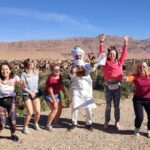
You start in Marrakech at 9:00 am, then head out for about 1.5 hours to Imlil Valley. That drive matters more than you might think. It shrinks the “transfer time stress” and gives you a calmer start so you can focus on the hike instead of logistics.
At the meeting point, your expert guide meets you and does a quick brief over tea. It’s a small detail, but it helps you get your bearings fast—what the day looks like, what the ground can feel like, and how you’ll move as a group.
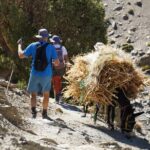
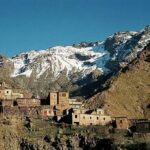
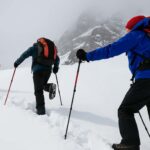
From there, your first hike runs about 3 hours through the valley. This is the part where the Atlas starts to feel dramatic without requiring technical climbing. You’ll pass waterfall areas and take in the valley views as you go, and the route is paced as a guided walk rather than a race.
You can also read our reviews of more tours and experiences in Marrakech.


A practical takeaway
If you’re tempted to come in dressed for city sidewalks, don’t. The valley paths can turn slippery. Go with sturdy walking boots and waterproof layers so you don’t spend the trip worrying about wet socks or slick footing.
Day 1 Hiking Timing: Waterfalls, Lunch, and a Real Place to Sleep
The day1 structure is simple: hike, recharge, hike again. It’s also built so that you’re not stuck hungry in the middle of nowhere.
After the morning 3-hour hike, there’s a 1-hour lunch break. This pause helps you reset—especially if you’re the type who needs a food-and-water moment to stay steady on the second half of a trail.
Then you continue hiking for another 1 to 2 hours. That range is the clue that this experience is meant to be adaptable to the season and to people’s fitness levels. In plain terms: don’t panic if someone in your group walks faster. Your guide’s job is to keep the day workable for the whole set.
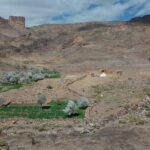
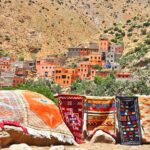
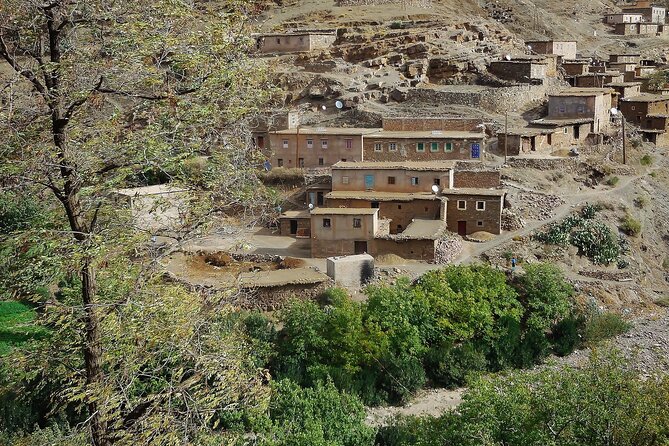
At the end of the hike, you arrive at your overnight accommodation. You can expect a cozy guesthouse style stay in the area around Tizi Aussem Village, with dinner served at the guesthouse. This is where the trip stops being just “nice photos” and turns into a lived-in Morocco moment: you eat where the family rhythm is happening.
What’s special about the overnight setup
You’re not sleeping in a hotel that could be anywhere. In this region, an overnight guesthouse stay tends to mean a quieter pace, simpler comfort, and a chance to hear the village at night.
Iklil Lunch by the River: Why This Stop Feels Like Morocco
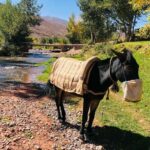
One of the highlights is the break in Iklil, where you relax by the river and enjoy lunch under walnut groves. This is the kind of stop that makes the trek feel balanced.
Most mountain days have two states: slogging uphill and waiting for the next “thing.” Iklil fixes that by giving you a calm reset. You eat somewhere shaded, you hear water nearby, and you’re surrounded by local scenery rather than just trail.
It also makes sense for your body. A riverside lunch stop helps you recover before the final walking chunk. If you’re prone to getting cold or stiff mid-day, the combination of shade, time to sit, and a proper meal can make the remaining hiking feel manageable.

Consideration
Don’t plan to eat and immediately sprint back onto the trail. Take the full lunch hour when it’s offered. This is one of those days where letting your body fully reset is smarter than pushing through.
Tizi Aussem Overnight: Guesthouse Comfort and Village Nights
Your night is spent in an overnight guesthouse in Tizi Aussem Village. That matters because it’s part of what you’re paying for: a culturally grounded stay that turns the trek into a two-day story.
Dinner is included at the guesthouse, which is a big deal on mountain trips. It reduces the “where do we eat tonight” scramble and keeps the group schedule sane for the next morning.
This is also the moment where you see how your hiking effort turns into community time. You’ll be in a small place rather than a tourist strip, so the vibe is quieter. Expect the evening to feel like an early night and a slower conversation pace—exactly what you want when you’re waking up for altitude the next day.
Weather note that can’t be skipped
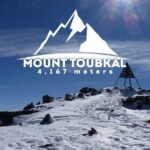
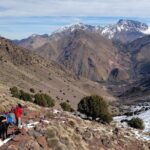
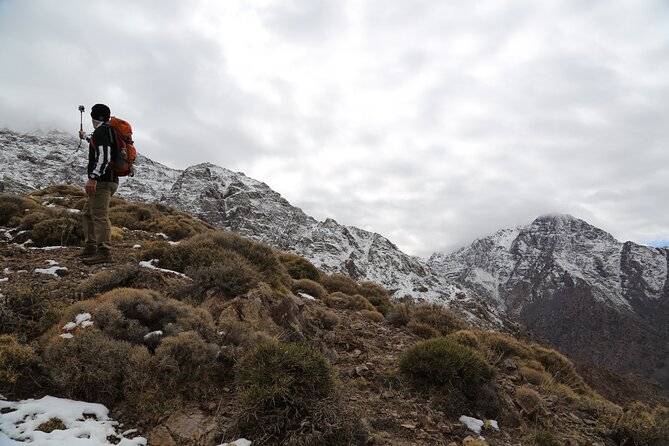
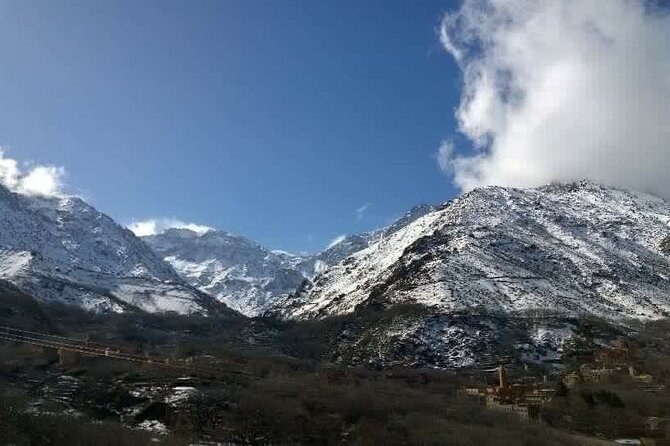
If you’re trekking in cooler months, weather can stretch timelines. One traveler’s experience on a winter trek to Toubkal included longer hiking due to conditions, and it was handled in order. Translation for you: pack warm layers and be ready for the guide to adjust timing if clouds, wind, or rain change the trail.
Day 2 to Tawdja (2700m): Peak Time Without Chaos
Day 2 starts with breakfast at 8:30 am, then you’re set to depart around 9:00 am. You’re not wasting morning daylight. The hike is planned as a 5-hour adventure toward the peak of Tawdja, at about 2700m.
The uphill portion is about 2.5 to 3 hours, which is a useful chunk to plan your energy around. You’re gaining altitude, but it’s not described as a technical climb—think guided walking with stops rather than scrambling.
Lunch happens around 2279m. That altitude detail matters. It’s high enough that you’ll feel the mountain air, but it’s still a practical place to eat and regroup before the final push.
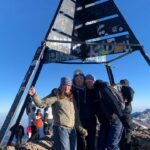
After lunch, your guide leads you to the summit of Tawdja with the reward of breathtaking views. Then you descend for about 1.5 hours back to the car, and the day wraps up with the drive back to Marrakech.
What you’ll likely feel on the descent
Downhill can be harder on your knees than uphill is on your lungs. If you have even minor knee issues, bring trekking poles if you use them at home. They’re not mentioned as included, so you’d need to bring them yourself—but they can make the descent smoother.
Guides, Group Size, and Why Hassan’s Network Matters
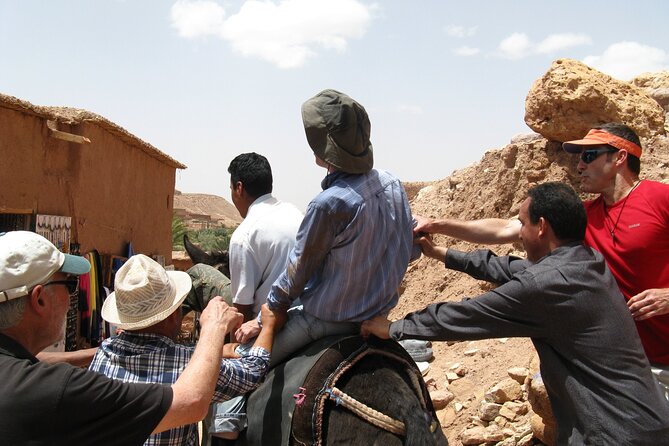
This kind of trek lives or dies on the guide. The good news: your setup is designed to be organized without feeling stiff.
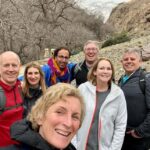
The maximum group size is 25, which keeps things from turning into a slow-moving line. Small enough for your guide to notice who’s struggling, but big enough that the trip has a shared energy.
Names you may hear in this operation include Hassan, who coordinates trips and personal guidance, and Mohammed, who has led treks with excellent results. People specifically highlighted that a personal guide took care of needs throughout the trip and kept everything running smoothly, including delicious food.
My advice for choosing your comfort level
When booking, be clear about your fitness and the hiking intensity you want. The operator tailors the experience to your fitness level and the season, which means you shouldn’t have to “fake it” if you tell them you’re nervous about elevation or long stretches.
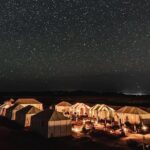
Also, if you ever consider mule trekking options lasting multiple days, know that accommodation can shift to Berber guesthouses with families or camping under the stars. That’s another way to match the trip to your comfort level—without turning it into a suffer-only plan.
Price and Value: $68.56 for Two Days of Mountain Time
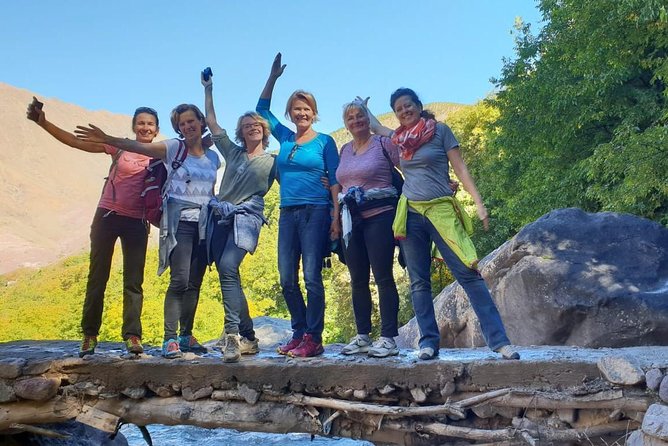
The price listed is $68.56 per person for a 2-day trek that runs roughly 12 to 13 hours total. At first glance, it’s not the kind of number that screams luxury. But for the Atlas Mountains, this is the kind of value that often comes from what’s included: guiding, a packed schedule, and no admission ticket costs.
Admission is noted as free, which matters because it reduces surprise fees. And you’re getting a full two-day format: multiple hiking blocks, an included lunch break, dinner with the overnight guesthouse, and a guided summit-style morning on Tawdja.
The real “value” isn’t just the activity. It’s the structure: you’re not left to figure out where to sleep or how to navigate the valley path network. Your guide handles the day. That’s worth money if you’ve ever tried to piece together an Atlas trek on your own.
Who gets the best deal
You’ll get the most value if you want:
- local village time (not only viewpoints)
- a guided plan with food breaks
- a small-group feel with pickup from Marrakech
If you already have a driver and your own plan, you might pay more attention to what you’ll save versus what you’d lose in guidance and pacing.
What to Pack for Atlas Conditions (Boots Are Non-Negotiable)
Bring sturdy walking boots. Not dress shoes. Not sneakers with zero traction. These mountain paths can be uneven, and your feet need grip and support.
Bring waterproof clothes. Rain or mist can make trails slippery. Even in decent weather, mountain air and sudden clouds can change conditions fast.
Layering is your friend. You’ll go from valley walking to higher altitude (Tawdja at 2700m) and back down, so temperature swings are normal. A light warm layer can save you from getting chilled during breaks and on the summit.
And whatever you do, don’t arrive thinking a “city outfit” will do. One traveler noted that sneakers and jeans were possible but not recommended. It’s better to pack for the trail, not for the photo.
Who Should Book This Trek to Berber Villages?
This works well for most travelers, especially if you like guided days and want your Morocco experience to include village life. The hike is adjustable to your fitness level and the season, so you don’t need to be a marathon runner to join.
You’ll feel happiest on this trek if you:
- enjoy walking and want a clear goal for each day
- like waterfalls, riverside breaks, and village guesthouses
- want a guided plan that handles the hard parts for you
You might want to rethink it if:
- you know you can’t handle long downhill sections on tired legs
- you have limited flexibility with gear and don’t plan to bring proper boots and rain protection
- you’re looking for a purely easy stroll (this is still a real hike with multiple blocks)
Should You Book This Two-Day Atlas Trek?
If you want two days that go beyond a single scenic drive, I think this is a smart pick. You get high-point hiking toward Tawdja, waterfall-focused valley walking near Azadeh, and an overnight in Tizi Aussem that turns the trip into more than daytime photos. Add in Iklil’s river-and-walnut-grove lunch break, and the rhythm feels well balanced.
Book it if:
- you want a guided mountain itinerary with village immersion
- you value organized food breaks and an overnight guesthouse experience
- you’re prepared with boots and waterproof layers
Skip it (or ask more questions before booking) if:
- you’re not comfortable with 2-day hiking and altitude exposure
- you’re unwilling to pack for changing mountain weather
If you’re undecided, tell the operator what you want your difficulty level to be. With coordination from Hassan and strong guiding support (including Mohammed on some treks), the trip is designed to match your pace rather than force you into someone else’s plan.
FAQ
What time does the trek start in Marrakech?
The start time is 9:00 am, with a scenic drive to Imlil Valley.
Is pickup offered?
Yes, pickup is offered.
How long is the hiking on the second day?
Day 2 includes a 5-hour adventure to the peak of Tawdja (2700m), with about 2.5 to 3 hours of hiking before lunch and additional time to reach the summit and descend.
Where do you sleep overnight?
You spend the night in an overnight guesthouse in Tizi Aussem Village.
Do I need an admission ticket?
Admission ticket is free.
What is the cancellation policy?
Free cancellation is available up to 24 hours in advance for a full refund. If you cancel less than 24 hours before the start time, you won’t receive a refund.