REVIEW · POKHARA
Pokhara: 5-Day Trek to Annapurna Base Camp and Hot Springs
Book on GetYourGuide →Operated by Welcome Nepal Treks P.Ltd · Bookable on GetYourGuide
Five days, and the Annapurnas feel close. This Pokhara hike to Annapurna Base Camp mixes classic village trekking with a real payoff: a soak at Jhinu hot springs after the mountains wear you out.
I loved the way the trail keeps variety—river valleys, dense forest, then high-altitude views—without rushing you past the scenery. A big part of that is the human touch: guides like Amir stood out as friendly and attentive, and safety felt like a daily habit rather than a slogan.
The main drawback is simple: it’s still a strenuous trek. You’ll deal with long walking days and that knee-stressing downshift near the end, so you need good shoes and a pace you can actually hold.
In This Review
- Quick reasons this Annapurna Base Camp trek is worth it
- First steps from Lakeside Pokhara to Nayapul and the Modi Khola
- Jhinu Danda tea lodge night: how the first day sets the tone
- The uphill to Chhomrong and the kind of views that change your pace
- Deurali: the forest-to-ridge transition and lunch with the Himalayas
- The Annapurna Base Camp approach via Machhapuchhare Base Camp and Ablation Valley
- The knee-warning leg: leaving Annapurna Sanctuary toward Bamboo
- Hot springs recovery at Jhinu Dada: how to make the soak worth it
- Price and logistics: what the $206 covers and what you should budget for
- Guides who keep it safe and human: Amir, Tanka, and Chhabi in context
- Who should book this trek—and who should skip it
- What to bring (so you can enjoy, not struggle)
- Should you book this 5-day Annapurna Base Camp trek?
- FAQ
- Where does this trek start and how do I get there?
- Is there any road travel included?
- How many nights do I sleep on the trek?
- What permits are included?
- Will I have a guide and English support?
- Is a porter included?
- Are meals included?
- Do I get to use the hot springs at Jhinu?
- Is travel insurance required?
- Can I cancel and get a full refund?
Quick reasons this Annapurna Base Camp trek is worth it
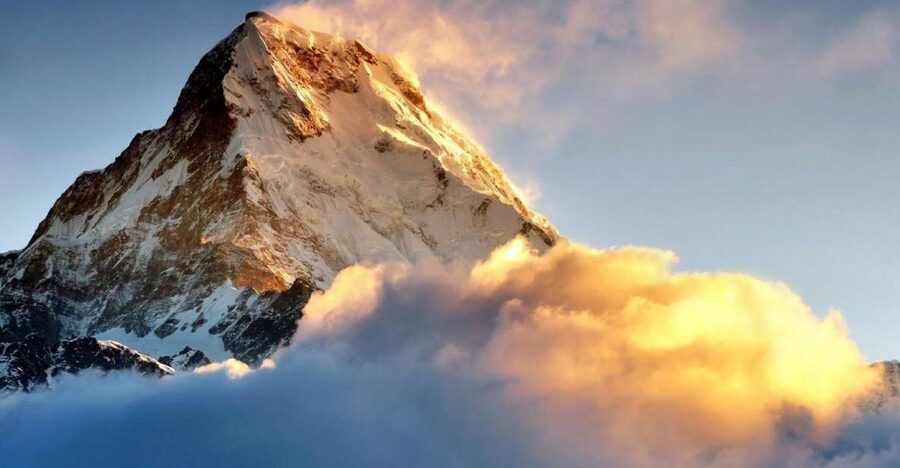
- Jhinu Dada hot springs for recovery after big altitude days
- An approach through Machhapuchhare Base Camp and Ablation Valley on the way to base camp
- Village-to-forest-to-ridge variety via Jhinu Danda, Chhomrong, and Deurali
- Government-registered English guidance that can adjust to your pace and keep you safe
- Tourist-standard lodge with private rooms so you can reset each night
First steps from Lakeside Pokhara to Nayapul and the Modi Khola
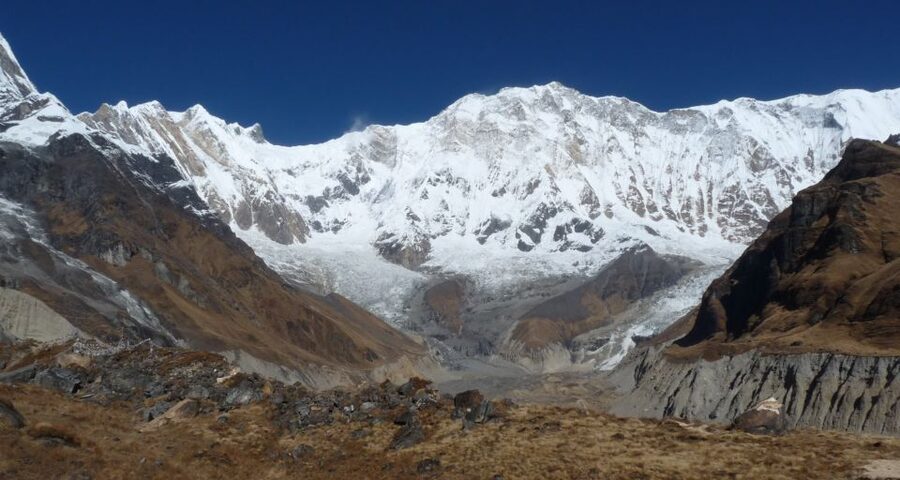
Most good Annapurna treks start with a little logistics magic. Here, you get picked up from your hotel in Lakeside Pokhara (or the airport) by car, then head toward Nayapul, the common gateway to the Annapurna region. Once you’re kitted out and your permits are checked, the walking starts with river scenery along the Modi Khola.
That early start matters more than it sounds. After a jeep ride and the settling-in of day one, you want a first day that lets you find your rhythm. Following the Modi Khola on a popular route also means you’ll pass small settlements often enough to stay comfortable, even if you’re not an ultra-hiker.
You can also read our reviews of more tours and experiences in Pokhara.
Jhinu Danda tea lodge night: how the first day sets the tone
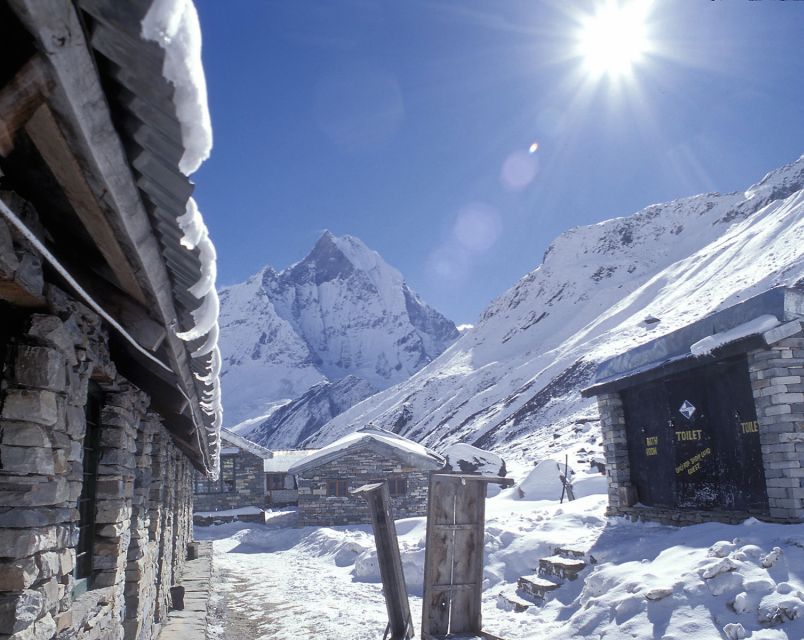
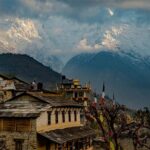
Day one is a blend of road travel and gentle-to-moderate trekking. The transfer includes a shared jeep ride to the last road point (so you don’t waste your legs on access roads), followed by several hours on foot. You’ll hike through small villages, cross the river to reach Jhinu Danda, and then settle into a tea lodge for the night.
I like this setup because it avoids the most common beginner problem: starting too hard on day one. By the time you’re in Jhinu Danda, you’ve earned the rest. And you’re already getting a taste of the Annapurna route culture—simple lodges, family-run hospitality, and the sense that people here are used to trekkers.
The uphill to Chhomrong and the kind of views that change your pace
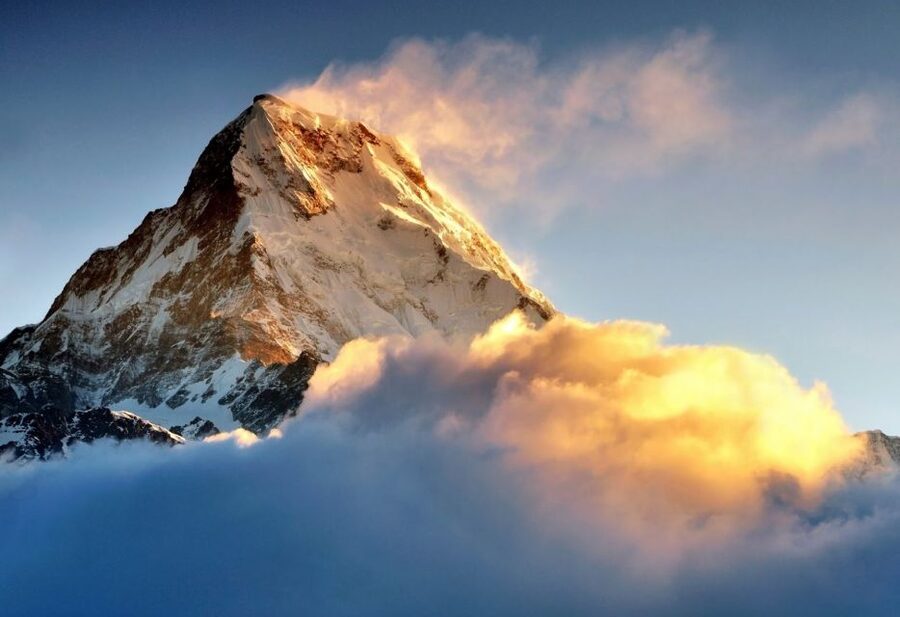
On day two, you’ll work uphill toward Chhomrong, one of the largest villages on the Annapurna route. This is where the trek starts to feel more serious. Expect a steady climb that asks your legs to show up.
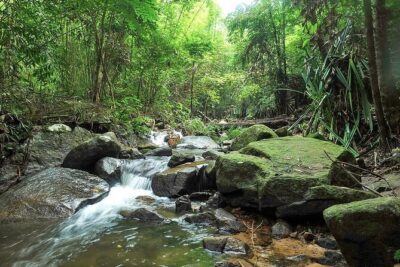
After Chhomrong, the route continues through denser forest scenery to your second-night accommodation. This is a good contrast day. Forest trekking can be mentally easier than constant open-sky walking, because your focus shifts to the path, the pace, and the sounds around you.
If you’re trekking with a guide like Tanka (noted for being punctual and safety-focused), this is also the day where pace-control makes a big difference. The best guides don’t just keep you moving—they adjust the plan to your effort level so you arrive tired, not crushed.
Deurali: the forest-to-ridge transition and lunch with the Himalayas
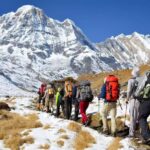
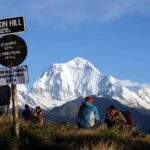
Day three brings a more open rhythm: a trek toward Deurali with time built in for breaks. You’ll walk several hours and stop for lunch with big mountain backdrops. Even if clouds play games, you’re still in a part of Nepal where the terrain gradually changes from village life to Himalayan weather.
Deurali is one of those spots where you feel the trek tightening around you. The air can feel sharper, and the walking becomes more about steady, controlled breathing than speed. This is also where your layers matter. Bring your sun protection, but don’t assume you’ll stay warm the entire time.
The Annapurna Base Camp approach via Machhapuchhare Base Camp and Ablation Valley
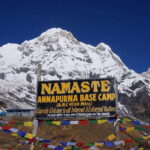
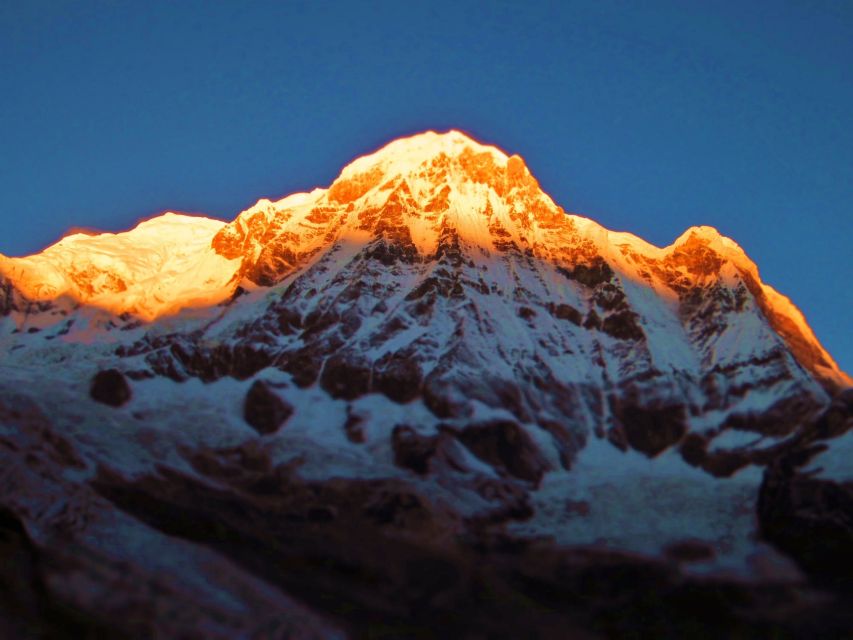
This is the heart of the trip. Your route heads along trails that cross streams and follow the classic approach toward Machhapuchhare Base Camp, then toward Ablation Valley before reaching Annapurna Base Camp for an overnight.
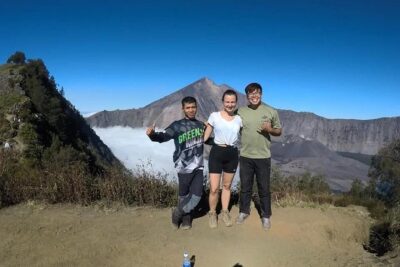
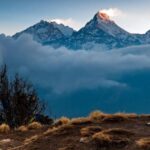
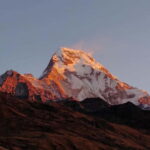
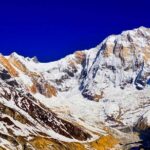
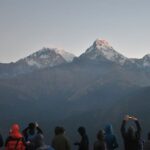
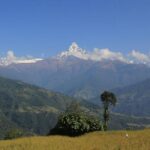
Even if you’ve seen Annapurna photos, what surprised me would be how the scenery changes as you climb. The terrain gets more exposed, and the glacier-and-mountain relationship becomes more obvious the higher you go. When you’re walking toward base camp, you’re not just approaching a dot on a map—you’re walking through a geographic story.
Why this staging is valuable: a base camp overnight is what turns a hike into an actual mountain experience. It gives you a chance to settle in, enjoy the surroundings at a slower pace, and wake up for your return planning without rushing.
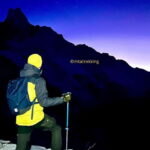
Practical note: this part of the trek tends to be cold and changeable. Your best defense is layers, gloves if you run cold, and keeping an eye on how the sky looks at lunch—not just when you’re already at base camp.
The knee-warning leg: leaving Annapurna Sanctuary toward Bamboo
The route description includes a key moment after your base camp night: the way out through the only passage toward Bamboo. Bamboo sits about 1,600 meters lower than Annapurna Base Camp, and that drop is the part that can feel brutal on your knees.
This is where your trekking style matters. If you rush downhill, you’ll pay for it later. I’d rather you take smaller steps, keep your weight centered, and use your poles if you have them. A good guide will watch your movement and adjust the pacing so the descent stays doable.
You don’t need to be fearless. You need to be consistent. This is also a good place to drink water regularly (small sips, not chugging) and keep snacks handy so you don’t get shaky when your legs are tired.
Hot springs recovery at Jhinu Dada: how to make the soak worth it
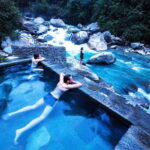
Once you start descending back toward Chhomrong and eventually reach Jhinu, the experience shifts from mountain grind to recovery. You’ll arrive at Jhinu Dada and get time to enjoy hot spring baths, which is exactly the kind of payoff that makes long hikes feel fair.
Here’s how to make the hot springs more than an afterthought:
- Keep your clothing plan simple (dry layers after the soak help a lot)
- Bring a small towel if you have one
- Don’t treat it like a swim. Take time, warm up slowly, and get back to warm clothes afterward
This is also the part where you’ll appreciate having a strong day-to-day guide. A guide who checks in on your comfort and timing makes the end feel calm instead of chaotic.
Price and logistics: what the $206 covers and what you should budget for
At $206 per person for a 5-day trek, the value comes from the package: hotel pickup/drop-off in Lakeside Pokhara, a shared jeep segment, tourist-standard lodge stays with private rooms, and the paperwork. You also get a professional English-speaking guide (government-registered) and TIMS plus conservation entry permits handled as part of the service.
That’s important. Trekking permits and proper logistics aren’t the kind of thing you want to improvise. This setup also reduces decision fatigue—you focus on walking and staying comfortable, not tracking paperwork and transport details.
What’s not included is where you’ll want to plan ahead:
- Drinks (hot, cold, or alcoholic) aren’t included
- Meals are only included if you choose the all-inclusive option
- A porter is only included if you select the all-inclusive option; otherwise there may be an extra porter charge
- Travel insurance isn’t included (it’s recommended)
So the real budget decision is simple: will you handle food and porter needs yourself, or will you pay for the package that removes those stress points?
Guides who keep it safe and human: Amir, Tanka, and Chhabi in context
The standout theme from the experience notes is how guides manage the human side of trekking. Amir is described as friendly and attentive, which matters most on days when you’re tired and your brain starts making bad choices. Another guide, Tanka, is praised for punctuality, safety focus, and adjusting the daily trek to the group’s performance level.
There’s also mention of Chhabi as quiet and very kind, with major respect for his physical effort. That’s not just nice. It’s a reminder: on these treks, you’re not only buying views—you’re buying teamwork that supports your pace and safety.
One practical tip that’s worth your attention: your guide may offer route-ending options, including choosing a village instead of going straight to a more city-style stop. If that’s offered, it’s usually the nicer feeling for the last moments of the trek—more calm, more local rhythm.
Who should book this trek—and who should skip it
This is a great fit if you want the classic Annapurna Base Camp experience in a shorter Nepal window. You’ll hit the popular route elements: riverside start from Nayapul, village walking through Jhinu Danda and Chhomrong, the Deurali stage, and the base camp approach via Machhapuchhare Base Camp and Ablation Valley, then a return that includes Jhinu hot springs.
It’s less ideal if you have heart problems or if you’re pregnant. Also, if you know you’re not comfortable with steep descents, you should be honest about it—especially with the knee-stressing Bamboo drop mentioned in the route.
What to bring (so you can enjoy, not struggle)
The essentials are pretty standard for Nepal treks, but this route is long enough that comfort matters:
- Passport or ID card
- Comfortable shoes plus proper hiking shoes (don’t gamble on brand-new soles)
- Sun hat, sunglasses, sunscreen
- Sunglasses and sunscreen aren’t optional in the high-altitude sun
- Insect repellent
- Daypack plus change of clothes
- Sunscreen and basic toiletries
- Toiletries, and anything you need for personal comfort (phones, charging, etc.)
The tour also notes that you should expect personal expenses for things like phone calls, laundry, bar bills, battery recharge, and bottled/boiled water. Build a little buffer so you don’t feel stuck.
Should you book this 5-day Annapurna Base Camp trek?
If your goal is a classic Annapurna Base Camp hit with a meaningful end reward, I’d say this tour makes sense. You get guided support, permit handling, and a route that’s varied enough to feel like more than one long day of walking. The private lodge stays help you recover, and the Jhinu hot springs are a great way to make the finish feel earned.
But book with the right expectations. This isn’t a gentle stroll. You’ll face long walking hours (including days on the order of 6–8 hours) and a steep drop that can challenge your knees.
My call: choose this trek if you’re ready for a real uphill-and-downhill workout, you have decent footwear, and you want the base camp experience plus a hot-spring recovery night. If that sounds like your style, you’ll likely come away feeling like you did something substantial and deeply Nepali, not just scenic.
FAQ
Where does this trek start and how do I get there?
You’ll be picked up from your hotel in Lakeside Pokhara (or the airport) by car and taken to the trek’s starting area in Nayapul, where the walking begins.
Is there any road travel included?
Yes. You’ll use a shared jeep for the access portion (Pokhara to the last road point toward Jhinu) and then return by jeep at the end.
How many nights do I sleep on the trek?
This is a 5-day trek and you’ll stay in tourist-standard lodges during the trekking days. The plan includes private accommodation on those lodge nights.
What permits are included?
The included paperwork covers conservation entry permits and the TIMS permit.
Will I have a guide and English support?
Yes. You’ll have a professional trekking guide who is government-registered, and the tour is listed as having an English live guide.
Is a porter included?
That depends on the option you select. A porter is included in the all-inclusive option, while budget option travelers would need to arrange one for an extra charge if necessary.
Are meals included?
Meals are included only if you select the all-inclusive option. If you choose the budget option, meals are not included.
Do I get to use the hot springs at Jhinu?
The trek includes time at the Jhinu Dada hot springs for a well-deserved soak after your hiking days.
Is travel insurance required?
It’s not included, but it’s recommended for this activity, especially for travel and rescue coverage.
Can I cancel and get a full refund?
The activity notes free cancellation up to 24 hours in advance for a full refund.