REVIEW · KATHMANDU
Ghorepani – Poon Hill yoga Trek – 10 Days
Book on Viator →Operated by Welcome Nepal Treks P.ltd · Bookable on Viator
The sunrise on Poon Hill is the kind of moment you remember when your legs are tired, and this trek adds daily yoga and meditation so you’re not just grinding uphill. I also like that you get an English-speaking yoga expert and tourist guide who stays with you during the trekking days, which makes the whole experience feel structured instead of chaotic. One possible drawback: you should expect early mornings and some altitude on a route that climbs to around 3180m, so bring realistic energy expectations.
In plain terms, this is a classic Annapurna circuit feeder trek done at an easy-to-moderate pace, with yoga stitched into your day. You’ll spend time in Kathmandu and Pokhara first, then hike through villages like Tikhedhunga, Ghorepani, and Ghandruk with huge Himalayan views and rhododendron forest sections.
In This Review
- Key highlights worth caring about
- What this Ghorepani Poon Hill yoga trek really is
- Kathmandu + Thamel base: day one gives you a buffer
- The Kathmandu to Pokhara shift: mountains start showing early
- Day 3: Nayapul to Tikhedhunga via Birethanti
- Day 4: Tikhedhunga to Ghorepani, plus Machhapuchhre sightings
- Day 5: the Poon Hill morning, then forests down to Tadapani
- The sunrise view is the main event
- Then it’s into the rhododendron-and-bamboo walking
- Day 6: Tadapani to Ghandruk, easiest-feeling day + Gurung culture
- Day 7: Ghandruk to Nayapul, then back to Pokhara by car
- Day 8: Pokhara sightseeing day (Davís Falls, caves, and a big peace pagoda)
- Day 9: Pokhara to Kathmandu by tourist bus
- Day 10: Kathmandu free time and airport drop
- Yoga and meditation on the trail: what changes for you
- Guide support, group size, and why it matters on this route
- Price and value check: what you’re paying for
- Elevations, pacing, and what to expect on the trail
- Who should book this Ghorepani Poon Hill yoga trek
- Should you book it?
- FAQ
- What is the duration of the Ghorepani Poon Hill yoga trek?
- Where does the tour start, and when is the start time?
- Does the tour include airport pickup and drop-off?
- What parts of the trip include accommodation?
- What meals are included?
- Are yoga mats provided?
Key highlights worth caring about
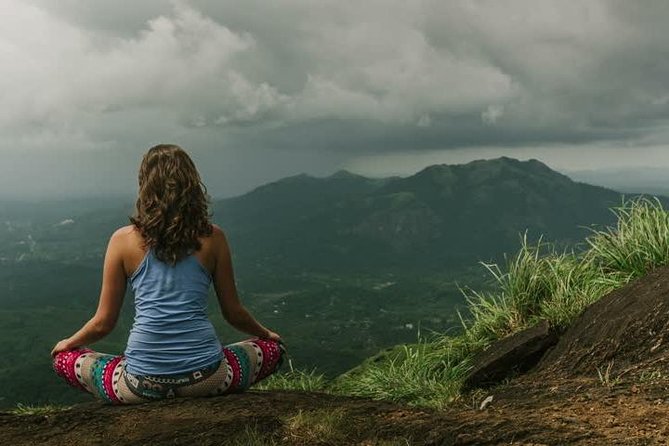
- Daily yoga + meditation sessions paired with your hiking rhythm
- English-speaking yoga expert guide who’s also acting as a tourist guide
- Poon Hill sunrise with views stretching across multiple major peaks
- Ghorepani and Ghandruk village scenery plus Gurung culture stops
- Pokhara recovery time with sightseeing built in
- Small group size (max 15), which usually means less waiting and better flow
What this Ghorepani Poon Hill yoga trek really is
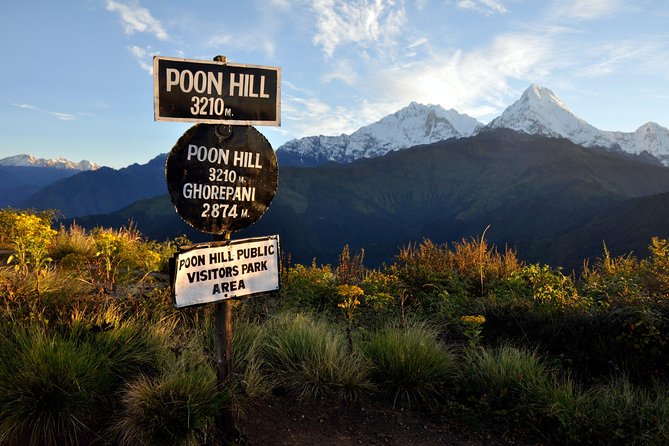
This tour is built around two things: moving through the Annapurna region on foot and learning yoga/meditation in a mountain setting. The hiking part follows a well-known rhythm—start low near Nayapul, climb toward Ghorepani, do the big sunrise moment from Poon Hill, then trek down through forests and village terrain toward Ghandruk before returning via Nayapul.
What makes it feel different from a standard Poon Hill trek is the focus on yoga and meditation. You’re not relying on willpower alone. Yoga mats are provided, and the yoga expert is also your guide, so the instruction stays connected to where you are and what your body is dealing with.
One more thing I like for your decision: the trip isn’t just “walk and hope.” It includes Kathmandu hotel nights, Pokhara accommodation, lodge stays on trek, and ground transport between cities. That takes pressure off your planning so you can focus on the trail and the classes.
You can also read our reviews of more tours and experiences in Kathmandu.
Kathmandu + Thamel base: day one gives you a buffer
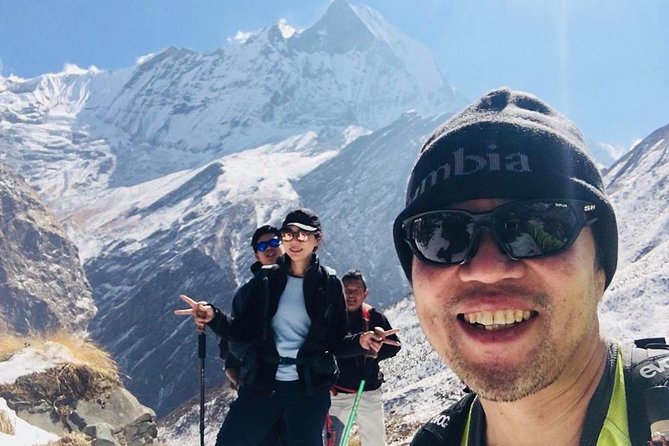
Day 1 is a smooth arrival setup. You get picked up at Tribhuvan Airport and checked into a 3-star hotel in Kathmandu’s Thamel area, with hang time to get your bearings in the main tourist neighborhood. You’ll be staying at either Thamel Eco Resort or Skyline Hotel, and the package includes free breakfast.
Why this matters: Thamel is where you can quickly handle small needs—SIM cards, cash, quick snacks—without losing a whole day. You also get time to recover from the flight before you start trekking the next day.
What to expect:
- A straightforward welcome and hotel check-in
- Time to stroll Thamel and settle in
- No trekking pressure on this first day
The Kathmandu to Pokhara shift: mountains start showing early
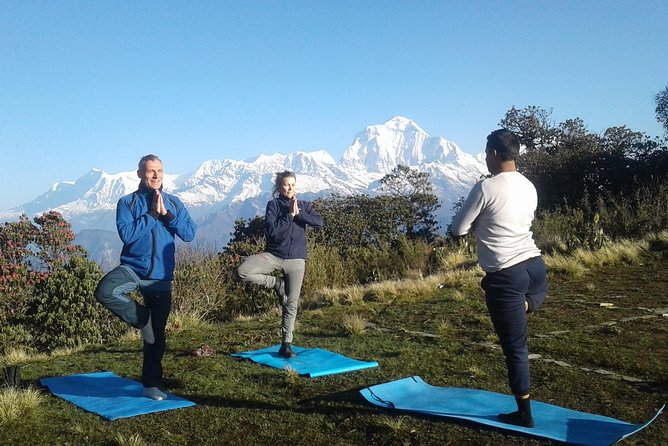
On Day 2 you drive from Kathmandu to Pokhara (at about 914m). It’s an early start, but that’s part of the rhythm here. Along the way, you get green hills, valleys, and mountain views as the scenery begins to change.
Pokhara is presented as a tourist-friendly mix of nature and culture. You also have planned viewpoints tied to the area—especially the chance to see Phewa Taal and the Annapurna and Dhaulagiri ranges from the broader region context.
Why I think Pokhara is a smart staging point: you’re not jumping straight into altitude after Kathmandu. You’re also building excitement before the hiking starts, which helps on Day 3 when the trek begins.
Day 3: Nayapul to Tikhedhunga via Birethanti
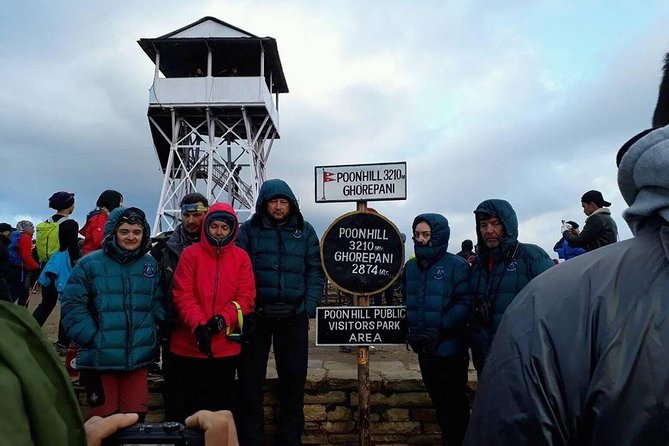
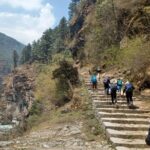
You start the trek from Nayapul (about 1050m) after a transfer up from Pokhara. The first hiking day is about reaching Tikhedhunga (about 1577m) via Birethanti.
This section is your “warm-up climb.” You’ll be walking through typical trekking-route terrain rather than jumping immediately into the steepest parts. It’s also a good day for your body to learn the daily pattern: steady pace, short stops, and keeping your breathing calm—especially since yoga/meditation is part of the plan.
Time-wise, this day is listed at around 6 hours. That’s enough to feel like you trekked, but not so much that you’re destroyed before the real viewpoint days.
Day 4: Tikhedhunga to Ghorepani, plus Machhapuchhre sightings
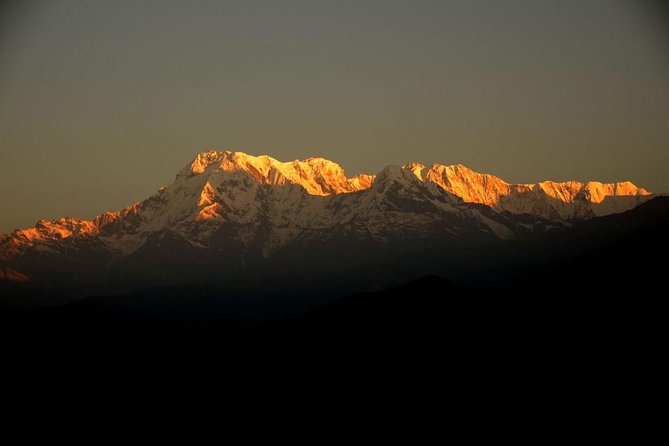
Day 4 moves you from Tikhedhunga to Ghorepani (to about 2675m). The route goes through Ulleri and Banthanti, plus Magar villages.
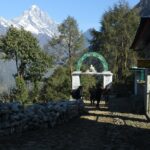
This day matters because it’s the big climb into the altitude zone where the views start to open up more clearly. The itinerary calls out mountain views of Machhapuchhre, Huinchuli, and Annapurna South along the way.
What I like about this day for you: Ghorepani is one of those trekking “hinge” stops. It’s high enough that mornings can feel crisp and evenings can cool down fast, but it’s still a practical base for sunrise prep. You’re moving into the part of the trek where Poon Hill becomes real, not just a name.
Day 5: the Poon Hill morning, then forests down to Tadapani
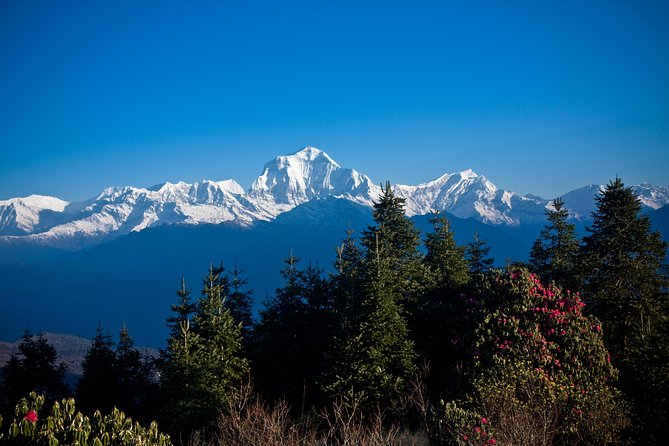
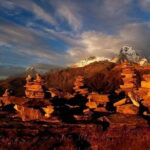
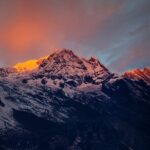
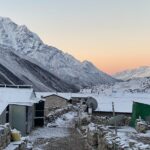
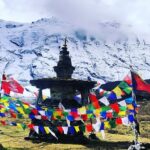
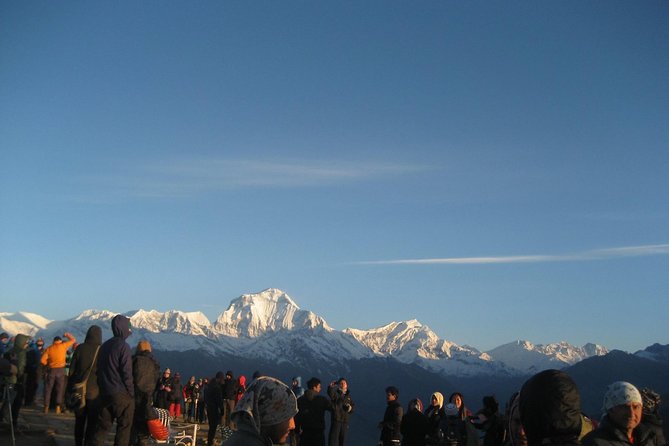
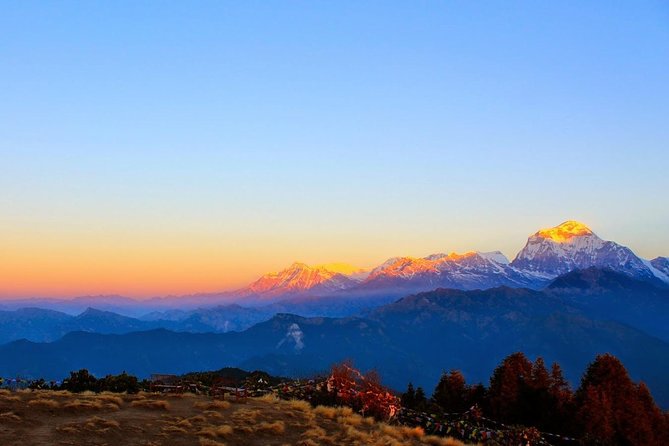
Day 5 is the headline day. You trek to Poon Hill (3180m) for the sunrise, then continue on to Tadapani (about 2675m). You cover the main walking distance in roughly 5.5 hours of trekking time.
The sunrise view is the main event
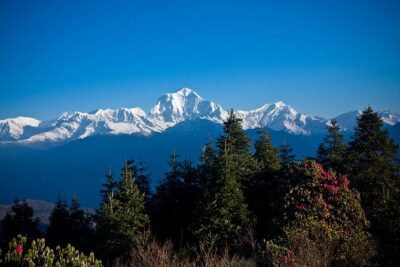
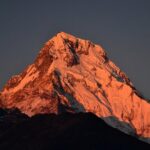
The planned sunrise viewpoint is extensive, with views listed over a long list of peaks, including:
- Dhaulagiri (also given as a view across the range)
- Tukuche Peak
- Nilgiri
- Varaha Shikhar
- Annapurna I and Annapurna South
- Annapurna III, IV, II
- Machhapuchhre
- Lamjung Himal
…and more snowcapped peaks in the area
If you’re weighing value: this sunrise moment is the reason many people choose Poon Hill at all. The yoga added here doesn’t replace the view. It gives you something to do with your body and mind before and after the climb—so you’re not just hoping sunrise happens on schedule.
Then it’s into the rhododendron-and-bamboo walking
After breakfast at Ghorepani, the trek moves toward Tadapani through deep forests of rhododendrons, bamboo, and oaks. The route description also points out waterfalls, rocks, wild animals, birds, and green valleys.
One practical note: this “sunrise then trek” day can be tiring. Even if you feel steady on the climbing, the sleep disruption from early start can hit. Having that yoga/meditation rhythm in the day can help you settle after the adrenaline rush.
Day 6: Tadapani to Ghandruk, easiest-feeling day + Gurung culture
Day 6 goes from Tadapani down to Ghandruk (about 1950m). The itinerary describes this as the easiest trek day, and it’s framed around forests of rhododendron and oak with birdlife you’ll notice on the way.
Ghandruk is a large Gurung village, and it includes a handicraft center and a Gurung museum. The village is also noted as listed as a World Heritage Site. On demand, a typical Gurung cultural program can be organized in the evening.
Why this day is good value for your time: you’re not only buying scenery. You’re adding human-scale culture and a chance to slow down. It’s also a great day for yoga in the sense that you can breathe easier, stretch, and recover before the final big travel day back to Pokhara.
Day 7: Ghandruk to Nayapul, then back to Pokhara by car
Day 7 is a return day. You trek from Ghandruk to Nayapul (about 1990m). The trail is described as a gentle descent down to the Dhampus area, passing Pothana village (around 1900m). Then you drive back to Pokhara.
This is the day where you’ll feel the difference between “climbing to altitude” and “walking downhill.” Even when the itinerary calls it gentle, downhill can be rough on knees. Your best friend here is pace—short steps, frequent breaks, and staying loose.
Once you reach Pokhara, your body gets a real break. That matters because Day 8 includes more sightseeing time.
Day 8: Pokhara sightseeing day (Davís Falls, caves, and a big peace pagoda)
Day 8 is Pokhara time. After breakfast, you can do sightseeing like Davis Falls, cave visits, and the World Peace Pagoda, or you can rest.
This is your buffer day. After several trekking days, “rest” is not a luxury—it’s part of travel success. If you choose sightseeing, you’ll still be able to enjoy it without the pressure of another long hike afterward.
Day 9: Pokhara to Kathmandu by tourist bus
On Day 9 you drive back to Kathmandu by tourist bus, a normal drive listed at about 7 hours.
This is mostly a transit day, but it’s a real part of the package. You’re not coordinating schedules and transfers on your own. That helps you stay rested for the final day.
Day 10: Kathmandu free time and airport drop
Day 10 is a final morning with free time for last-minute shopping or resting, then a private vehicle drop to the airport.
This closing style is practical. It prevents that stressed feeling where you’re rushing to pack while your flight gets closer.
Yoga and meditation on the trail: what changes for you
The tour is specifically framed around energy-boosting yoga and meditation sessions and a yoga-focused approach to feeling healthier. You’ll have yoga mats supplied (to be returned after the trek), plus an English-speaking yoga expert tourist guide.
Even though the exact session timing isn’t spelled out day-by-day, the included structure is clear: yoga isn’t an optional add-on. It’s part of the itinerary. And feedback tied to the experience highlights daily yoga sessions, plus a sunrise viewpoint that becomes even more meaningful when you have a mindful routine tied to the day.
How it can help you while trekking:
- Yoga can help you reset after long walking blocks
- Meditation can make early starts feel less rough
- A guide who understands both trekking and yoga can keep instruction aligned with real body limits
One caution: if you expect a hardcore yoga retreat with advanced instruction every hour, this is not described that way. It’s yoga paired with a trekking plan. Think supportive, not showy.
Guide support, group size, and why it matters on this route
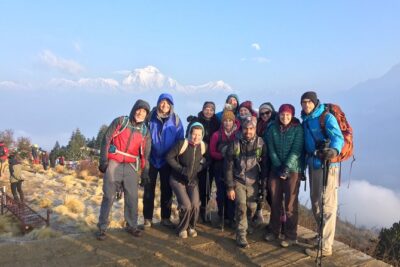
This trek runs with a maximum of 15 travelers, and you’re paired with an English-speaking yoga expert tourist guide throughout the trekking period. The package also includes the salary, food, drinks, accommodation, transportation, and insurance for the guide and porter.
That combination is what keeps the trip feeling controlled:
- Permits and paperwork are handled for you (TIMS permit and conservation entry permits)
- You’re not hunting logistics while moving between altitudes
- You have consistent guidance during the trail days
For many people, the biggest hidden value is security and organization. You’ll be relying on someone local for route knowledge and pacing decisions. This tour is built around that partnership rather than leaving you to DIY.
Price and value check: what you’re paying for
At $1,000 per person for 10 days, it’s not the cheapest way to do Poon Hill. But it covers more than a bare trekking package.
Here’s the value picture based on what’s included:
- Airport pickup and drop
- Kathmandu 3-star hotel with free breakfast (Thamel Eco Resort or Skyline Hotel)
- Ground transportation between Kathmandu and Pokhara by tourist bus
- Two nights standard accommodation in Pokhara
- Trek lodges/tea houses for your accommodation
- Yoga mats
- English-speaking yoga expert guide throughout the trek
- All necessary paper works and permits (TIMS + conservation entry permits)
- Meal coverage during the trek: 8 breakfasts, 5 lunches, 5 dinners (and a farewell dinner with cultural dance show)
What’s not included (so you don’t get surprised):
- Travel insurance
- Food while in Kathmandu and Pokhara (besides what’s included)
- Alcoholic and non-alcoholic drinks
- Sweet things like chocolate
My take: the price feels justified if you want a structured mix of yoga + guided trekking + city support. If you’re the type who likes to build your own schedule and negotiate every detail, you might find cheaper options. But if you want the Himalayan part without the headache, this package is aimed at that.
Also, cancellation is free up to 24 hours in advance for a full refund. That gives you breathing room when flights are involved.
Elevations, pacing, and what to expect on the trail
Even without counting every step, the itinerary gives you a clear altitude story:
- Nayapul around 1050m
- Tikhedhunga around 1577m
- Ghorepani up to about 2675m
- Poon Hill viewpoint at 3180m
- Tadapani around 2675m
- Ghandruk around 1950m
For most people, the hardest part won’t be the distance. It’s the combination of early starts, thin air at higher points, and downhill strain after altitude. The itinerary’s length—about 10 days—also gives you time to adjust, especially with the Pokhara recovery days and the “easiest trek day” described on Day 6.
If you want this to feel enjoyable, plan to go slow uphill. Let your body catch up. This tour supports that style with guided pacing and yoga-based recovery.
Who should book this Ghorepani Poon Hill yoga trek
I’d steer you toward this trek if:
- You want the Poon Hill sunrise without turning trekking logistics into a second job
- You like yoga and want instruction integrated into your trekking routine
- You value an English-speaking guide who can explain both trail and yoga elements
- You’re comfortable with lodge/tea-house stays and a daily walking rhythm
I’d hesitate if:
- You dislike early mornings (sunrise at Poon Hill is non-negotiable in this plan)
- You’re very sensitive to altitude changes and aren’t planning to move gently
- You want a fully self-guided adventure (this is guided, organized, and structured)
Should you book it?
If your ideal Nepal trip is part mountain-viewer, part yoga student, and part culture-hunter, this tour fits well. The big draw is the pairing of sunrise at Poon Hill with daily yoga and meditation sessions, backed by an English-speaking guide and a group size capped at 15.
Before you book, do two quick reality checks:
- Confirm you’re okay with the early start and the altitude around 3180m.
- Budget for meals and drinks in Kathmandu and Pokhara, since only specific meals are included.
If that sounds like your kind of trip, this is a strong pick.
FAQ
What is the duration of the Ghorepani Poon Hill yoga trek?
The tour runs for 10 days (approx.).
Where does the tour start, and when is the start time?
It starts at Tribhuvan Airport in Kathmandu, Nepal, with a listed start time of 7:15 am.
Does the tour include airport pickup and drop-off?
Yes. It includes airport pickup and drop-off by private car/van/bus.
What parts of the trip include accommodation?
Kathmandu includes a 3-star hotel stay (with free breakfast), Pokhara includes two nights of standard accommodation, and the trek includes lodge/tea house accommodation.
What meals are included?
The package includes breakfast (8), lunch (5), and dinner (5) during the trip. Food while you are in Kathmandu and Pokhara is not included.
Are yoga mats provided?
Yes. Yoga mats are provided and are returned after the trek.