REVIEW · KYRGYZSTAN
Loop trek of Sary Mogol
Book on Viator →Operated by Alay Travel Guide · Bookable on Viator
High passes, real mountain days, and simple comfort. That’s the appeal of this Loop trek of Sary Mogol in south Kyrgyzstan, built around two demanding crossings—Sary-Mogol Pass (4,280 m) and Jiptik Pass (4,185 m)—and days that keep you walking in the 5–6 hour range.
What I like most is the way the itinerary blends hard altitude work with rewarding rest stops: a night in Kosh-Moynok Gorge and another by Kozho-Kelen give you a sense of place, not just a line on a map. I also really value that your trek package includes real logistics—one guesthouse night, three yurt-camp nights, plus all meals (vegetarian option included) and a guide in English or Russian.
The main drawback is altitude math. You’ll start in the Alay Valley near 2,500 m, and the hike ramps up quickly—there’s a recommended acclimatization window because the circuit begins at the high point and the trail rises roughly 900 m to the pass area.
In This Review
- Key highlights worth knowing
- The Alay Loop’s real draw: two passes and a tight walking rhythm
- Where you start (and why the timing matters at 8:00 am)
- Day-by-day: what each stage feels like on the ground
- Day 1: From Sary Mogol area to the Sary-Mogol Pass world
- Day 2: Into Kosh-Moynok Gorge and more gorge walking
- Day 3: Past the Sary-Bel crossing toward Kozho-Kelen
- Day 4: Up to Jiptik Pass and the big Pamir-Alay view moment
- Comfort level: guesthouse night, yurt nights, and vegetarian meals
- The guide factor: reliability, motivation, and real route sense
- Price and value: what $450 buys you in the real world
- Who should book this trek, and who should think twice
- Practical packing notes (based on the trek’s altitude reality)
- Should you book the Loop trek of Sary Mogol?
- FAQ
- How long is the Loop trek of Sary Mogol?
- What are the main passes on the route?
- What level of fitness do I need?
- Are meals included, and is vegetarian food available?
- Where do I stay during the trek?
- What’s included in the price?
- What isn’t included?
- When and where does the tour start?
- Is the tour private and how is it confirmed?
Key highlights worth knowing
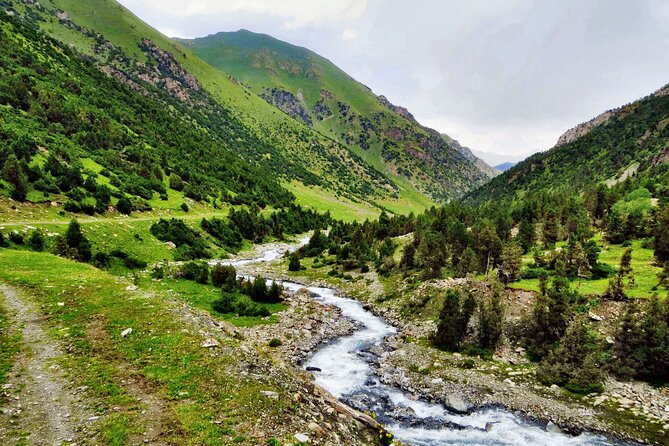
- Two big passes: Sary-Mogol at 4,280 m and Jiptik at 4,185 m
- Active hiking time: typically 5–6 hours per day, not counting breaks
- Comfort that matches the mountains: 1 guesthouse + 3 yurt camps, with meals included
- Guides who keep things steady: reliable, motivating, and good at handling route complexity
- River gorges and pasture nights: Kosh-Moynok Gorge and local canyon villages add texture beyond the summit push
The Alay Loop’s real draw: two passes and a tight walking rhythm
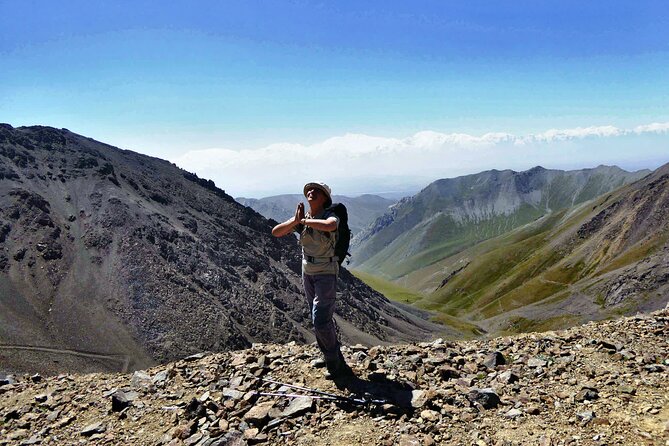
This trek is all about staying in motion. You’re not doing a slow sightseeing stroll. The days are built around that classic mountain formula: walk steadily, take in the views when you can, and keep moving so you’re not cold, exhausted, and behind schedule.
The altitude is part of the story from day one. The Alay Valley begins around 2,500 m, and you quickly move into higher country where the air feels thinner and your body wants to work harder for every step. The route includes two high crossings—Sary-Mogol and Jiptik—which means you get two moments where the day’s effort turns into a payoff.
If you like trekking because you want effort, not just photos, this one fits. Your hiking time is typically 5–6 hours of active walking per day, so it’s demanding but not marathon-length. That balance is a big part of why this loop stays popular with nature-focused hikers.
Where you start (and why the timing matters at 8:00 am)
Your trek kicks off back at the main meeting point in Sary Mogul, with the start time set for 8:00 am. That early start matters here because:
- You want daylight for pass approaches.
- You reduce the chance of late-day fatigue stacking up at altitude.
- You keep the day’s rhythm steady for the whole group.
You’ll also do a short car transfer before hiking on day one—about one hour—then the walking begins and the climb sets the tone for the loop. This is one of those practical details that changes the experience. Instead of immediately hiking from the first minute, you warm up your logistics first, then start earning elevation.
Day-by-day: what each stage feels like on the ground
Day 1: From Sary Mogol area to the Sary-Mogol Pass world
Day one starts with a drive and then a tougher climb as you head toward the pass area. You’ll be moving through the Kichik-Alay Range / Trans-Alay region, with the day’s main goal being reaching the high country that defines the trek.
The Sary-Mogol Pass sits at 4,280 m, and that altitude changes everything: breathing rate, step size, and even how long you can comfortably pause. The route rises quickly enough that the trek isn’t for you if you want easy breathing. It is, however, a good match if you’re used to hiking and you handle elevation responsibly.
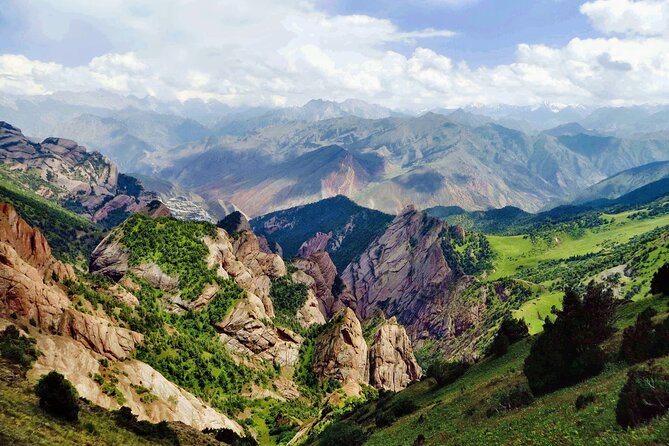
You’ll also get your first taste of the mountain geography that makes this loop special—gorges, ranges, and those long views where the valleys look deeper than you expect.
Day 2: Into Kosh-Moynok Gorge and more gorge walking
On day two, you head east along a river corridor and then down slightly toward the end of a dramatic mountain gorge. This kind of walking feels different from day one because the terrain and pacing shift. You still have altitude to think about, but the route gives you a more varied experience than just continuous steep climbing.
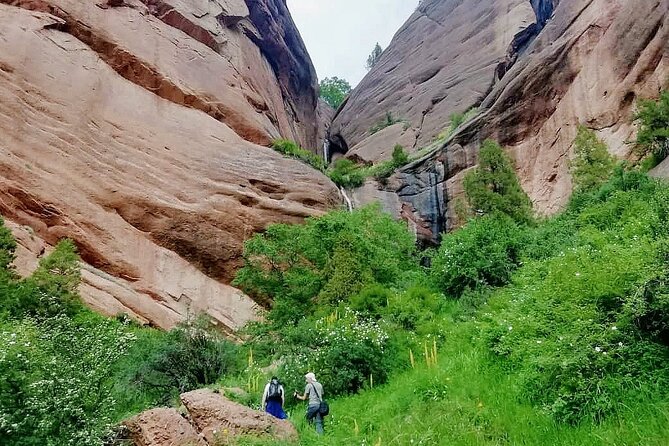
You’ll cross or pass a small village area under the Sary-Mogol region and then continue through the gorge setting. The big “place” moment comes with your overnight stop in Kosh-Moynok Gorge—a summer pasture area tied to local life.
Why this matters: yurt-camp nights are not just a place to sleep. In this part of Kyrgyzstan, those stays connect you to how communities use pasture land in warmer months. Even if your day is about hiking, the night is about stepping into the local seasonal rhythm.
Day 3: Past the Sary-Bel crossing toward Kozho-Kelen
Day three keeps the loop moving across the Kichik-Alay slopes with a key pass moment: you cross Sary-Bel (3,150 m) and then head via Oy-Tal.
This is a useful day if you’re trying to judge how your body is handling the trek overall. By now, you’re not just starting the climb game—you’re in the middle of it. The terrain helps you measure whether your pace, hydration, and rest have been working.
You’ll finish the day in the village of Kozho-Kelen, which stretches for about 6 kilometers and sits in two canyon areas along the Sharpyldak and Chal-Kuyruk rivers. That canyon setting shapes the walking and also shapes the feel of the evening. It’s quieter than pass country, and you get that “we’ve arrived somewhere” feeling.
Day 4: Up to Jiptik Pass and the big Pamir-Alay view moment
Your final day is built around Jiptik Pass (4,185 m). You’ll trek up to the pass top and then cross until around noon.
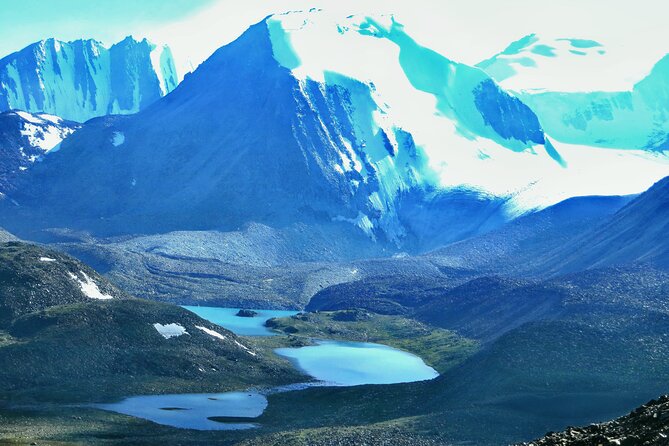
There’s a specific view payoff here: if the sky is clear from the pass, you may be able to see the Pamir-Alay valley and Lenin Peak (7,134 m). Even when you can’t see the big summit, the pass viewpoint itself is still the kind of wide-open space that makes you remember why you came.
After that, you’ll continue enough to close the loop back toward the end point. The day is long enough to feel like a finale, but it’s not described as a multi-day grind. It’s a strong finish that keeps your sense of progress clear: last major crossing, then descent and completion.
Comfort level: guesthouse night, yurt nights, and vegetarian meals
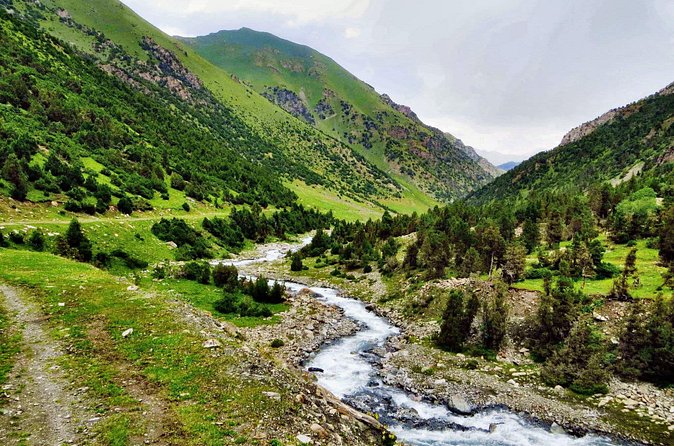
This package is built to keep you fueled and rested without pretending you’re in a hotel.
You get:
- 4 breakfasts
- 4 lunches
- 4 dinners
- Vegetarian food is included in the meals
And for sleeping:
- 1 night in a guesthouse
- 3 nights in yurt camps
That mix is smart. Yurts are part of the alpine rhythm—cozy, simple, and very much about the outdoors. A guesthouse night adds a bit of stability and a break from the more “camp” feel, without breaking the adventure mood.
If you’re sensitive to comfort differences, you’ll want to plan for basic packing: expect cold evenings in high-country areas and dress in layers. The trek gives you food, but you still control how warm you’ll feel.
The guide factor: reliability, motivation, and real route sense
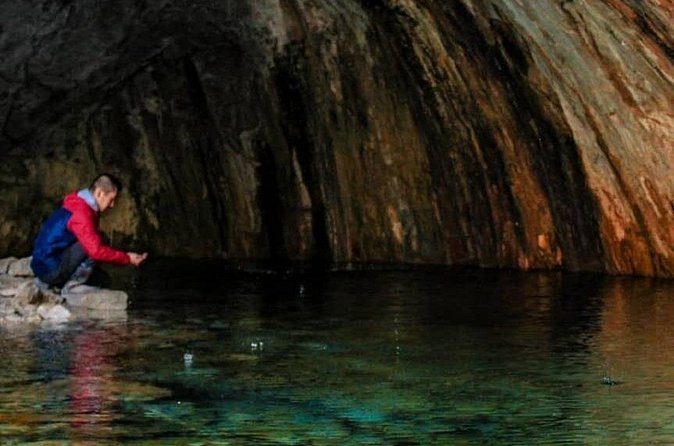
A good guide doesn’t just lead you. They manage pace, altitude decisions, and the small moments when people start to doubt themselves.
Your trekking guide is English or Russian speaking, and the experiences with guides tied to this kind of route tend to highlight three strengths:
- Reliability: plans and timing stay on track. One traveler noted that Abdalla was very dependable and the trek followed the plan.
- Motivation and information: Akyl is described as keeping hikers motivated and well-informed, even when the trek felt tough.
- Friendly expertise: Tolibek is praised for value and know-how, and Tolik is described as helpful with navigating a complicated route and even translations.
Even if your day goes smoothly, it’s comforting to know the guide team understands the rhythm of high-altitude trekking. You’ll spend less mental energy worrying and more energy just walking.
Price and value: what $450 buys you in the real world
At $450 per person for about 4 days, this isn’t “cheap,” but it is structured value.
You’re paying for:
- A guide for the trek
- Lodging across guesthouse + yurt camps
- Meals (vegetarian included) across multiple days
- The core logistics that turn a high-altitude loop into something you can actually do
The cost feels more reasonable when you compare what you’d need on your own: transport arrangements, meal planning, guiding, and safe navigation between pass areas and overnight stops. Here, you’re buying a packaged system designed to keep the loop functioning.
What can add cost later:
- Porter/pack animal services if you need them (available for an additional fee)
- Tips for guides
- Any night not included after the trek (the package notes the last night in Sary-Mogol is not included)
So the best value comes if you pack smart, walk comfortably, and don’t need extra load help.
Who should book this trek, and who should think twice
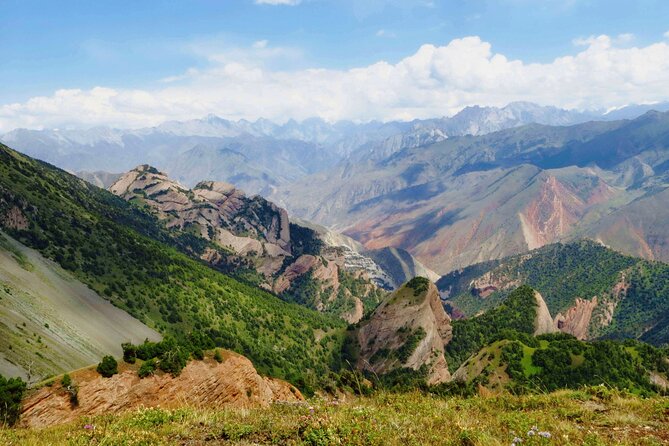
This trek is a good fit for people with moderate physical fitness who can handle altitude responsibly. The route is described as suitable when you:
- Have no altitude-related health problems
- Can handle 5–6 hours of walking daily
- Are willing to do the smart prep before you arrive
Think twice if you know you struggle at higher elevations or if your hiking experience is mostly flat terrain. The loop starts from the high pass area and the trail rises quickly—so it’s not the gentlest on-ramp.
Also, consider your travel style. This is a private tour/activity, meaning it’s just your group. If you like quiet, controlled logistics and a more personal pace, that’s a plus.
Practical packing notes (based on the trek’s altitude reality)
You don’t need special gear lists here, but you do need to respect elevation and weather swings. The route includes two passes above 4,000 m and valley areas starting around 2,500 m.
So I’d plan for:
- Layers for cold mornings and colder pass conditions
- Hiking shoes that can handle uneven paths and river-adjacent terrain
- A pace strategy: slow steps, steady breathing, and no hero moments on steep stretches
And bring your altitude common sense. The route explicitly recommends acclimatization in advance because you’re going high fast.
Should you book the Loop trek of Sary Mogol?
Book it if you want:
- A focused 4-day loop with two major passes
- Included guiding, lodging, and meals so you can concentrate on the walking
- A real mountain experience with yurt nights and pasture/gorge stops, not just a bus-and-view day
Skip it or reconsider if you:
- Know you’re sensitive to altitude and can’t acclimatize
- Want a light, easy hike with lots of leisure time (this one is built around active walking)
- Prefer full-service hotel comfort every night
If you’re moderately fit and altitude-ready, this trek offers a clear, satisfying progression: climb to Sary-Mogol, settle into gorge and village life, cross Sary-Bel and move through canyon villages, then finish over Jiptik with a chance at epic views.
FAQ
How long is the Loop trek of Sary Mogol?
It runs for about 4 days.
What are the main passes on the route?
The trek includes Sary-Mogol Pass at 4,280 m and Jiptik Pass at 4,185 m. It also crosses Sary-Bel at 3,150 m.
What level of fitness do I need?
The trek is recommended for people with moderate physical fitness. You should have no altitude-related health problems.
Are meals included, and is vegetarian food available?
Yes. The package includes breakfasts, lunches, and dinners for 4 days, and vegetarian food is included.
Where do I stay during the trek?
You’ll have 1 night in a guesthouse and 3 nights in yurt camps.
What’s included in the price?
Included are the 4 nights (guesthouse and yurt camps), meals, a trekking guide (English or Russian speaking), and meals for lunch, dinner, and breakfast across the days.
What isn’t included?
Not included are the last night in Sary-Mogol after the trek, porter services (pack horse or a man can be arranged for an extra fee), and tips.
When and where does the tour start?
It starts at 8:00 am at the Alay travel house (MVFM+6FG) in Sary Mogul, Kyrgyzstan, and ends back at the same meeting point.
Is the tour private and how is it confirmed?
It’s a private tour/activity, so only your group participates. Confirmation is received at the time of booking.