REVIEW · KATHMANDU
Annapurna Ghorepani Poon Hill trek from Pokhara short and easy hike in Himalaya
Book on Viator →Operated by Himalaya Holiday service Pvt. Ltd.(HHS) · Bookable on Viator
Short treks can still feel huge. This one mixes Kathmandu culture time with an easy Ghorepani and Poon Hill hiking stretch in the Himalaya. You get the calm, guided rhythm of a small group, plus a porter setup that keeps the focus on walking and views, not hauling.
I love how the trip is structured so you’re not thrown into altitude chaos on day one. You’ll do Kathmandu valley sightseeing and trek prep first, then shift into the Pokhara-to-Nayapul start that feels like a clean transition.
Two things I really like: you’re traveling with an experienced English-speaking government-registered trekking guide (and the team behind the scenes is repeatedly praised for being kind and helpful), and the trek includes full meals plus simple private rooms. One thing to weigh is the overall schedule and early starts: the trek is short, but the full plan includes multiple transfer days and you begin the day at 6:15 am from Kathmandu.
In This Review
- Key highlights you’ll actually care about
- From Kathmandu to Pokhara: setting the pace before you ever hike
- Why this intro matters
- Kathmandu valley sightseeing and trek prep: the calm before the mountains
- The drive from Kathmandu to Pokhara, then onward to Nayapul
- A practical note about timing
- Nayapul to Tikhedhunga and Ulleri: start climbing without burning out
- What to watch for on Day One of walking
- Ulleri to Ghorepani: tea-house nights and view-priority decisions
- How to make Ghorepani feel smooth
- Poon Hill hike and the trek to Tadapani
- Tadapani: where the pace settles again
- Tadapani to Ghandruk: village life beyond the trail
- Why Ghandruk is worth the effort
- How meals, lodging, and porter support change everything
- Meals included on the trek
- Private rooms, shared toilets
- Porter ratio that actually helps
- Price and value: what $1,660 buys for this Annapurna trek
- Where the value shows up
- Weather, packing, and the reality of a viewpoint trek
- Boiled water not included
- Who this trek suits best
- Should you book this Annapurna Ghorepani Poon Hill trek?
- FAQ
- What time does the trip start and where is the meeting point?
- Is hotel pickup and drop-off included?
- Does the price include a guide and porters?
- What meals and lodging are included on the trek?
- What is not included in the price?
- Can I cancel for a full refund if plans change or weather is poor?
Key highlights you’ll actually care about
- A guide-led, private-group style so the pace and decisions stay in your control
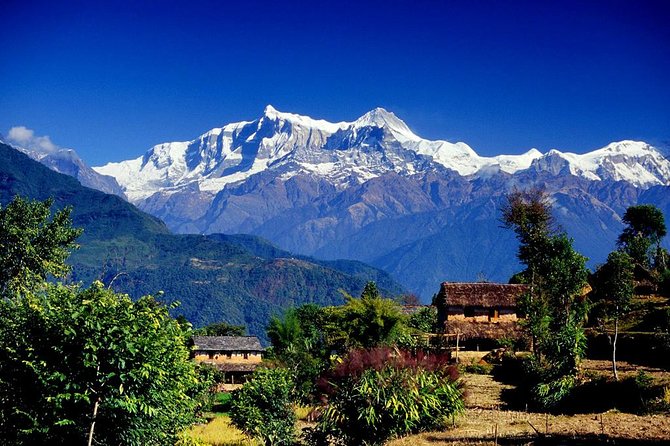
- Poon Hill viewpoint hike designed for classic mountain views in the Annapurna region
- Tea-house stays with help choosing where to sleep so you can focus on the hike
- Porter support (2 trekkers: 1 porter) that changes how enjoyable the walking feels
- Ghandruk village time that adds local life beyond just trail photos
- Full trek meals included with lodging in private rooms with shared toilets
From Kathmandu to Pokhara: setting the pace before you ever hike
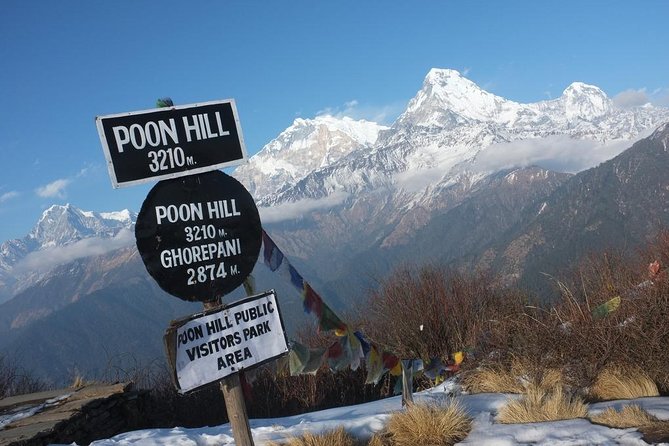
The best short treks feel like they have training wheels. That’s how this one reads: you spend time in Kathmandu first, then you move to Pokhara, and only then do you start walking in the Annapurna foothills.
In Kathmandu, you’re not just checking boxes. You’ll get a couple of hours of sightseeing, plus additional time focused on trek preparation. The practical value here is simple: you can ask questions while you’re fresh, rather than when you’re already on the trail. It also helps you understand how the trip logistics fit together, especially if it’s your first time in Nepal.
You can also read our reviews of more tours and experiences in Kathmandu.



Why this intro matters
If you’re not used to walking in mountains (even at “short and easy” levels), the first day can feel mentally heavy. Doing sightseeing and prep upfront makes the later hike feel more like a plan you’re following, not a surprise you’re surviving.
You’ll also have hotel pickup and drop-off included, and you’ll use a mobile ticket. That matters more than it sounds, since Nepal travel can involve a lot of small handoffs. Fewer loose ends means you start hiking feeling organized.
Kathmandu valley sightseeing and trek prep: the calm before the mountains
Your Kathmandu portion is built around two ideas: get oriented and get ready. One day includes Kathmandu sightseeing with admission tickets covered, and the next day includes Nepal trekking preparation.
This is where you’ll usually sort out the basics that affect comfort later: how you handle layers, what to do with water needs, and what kind of walking pace feels right for your group. Since boiled water isn’t included later on the trail, it’s smart to set expectations early about what you’ll buy and how often you’ll drink.
Also, if you’re traveling with the expectation that the trip is private (it is), this Kathmandu time gives you space to ask your guide for tweaks. A past guide experience for this trek type has included route flexibility when conditions change, which is exactly what you want on a short, view-focused itinerary.
The drive from Kathmandu to Pokhara, then onward to Nayapul
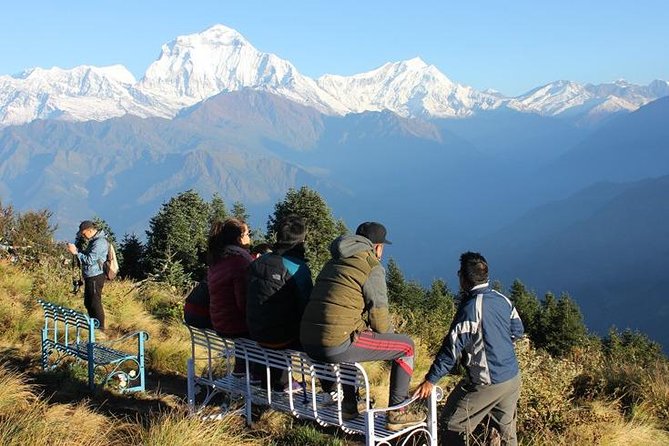
Once Kathmandu is handled, you shift into travel mode. You’ll drive from Kathmandu to Pokhara, and later you’ll go from Pokhara to Nayapul to start the trek.
The payoff of this staging is that you’re not spending precious energy figuring out transportation mid-trip. You’re also able to treat the first walking segment like day one of the trek, not like day one of chaos. In a short itinerary, clarity is everything.
A practical note about timing
The trek starts early in the overall trip plan (6:15 am is your listed start time at Tribhuvan Airport in Kathmandu). In real life, that usually means you should treat mornings as the main hiking window. If you hate early starts, this kind of trek can feel like a mismatch.




Nayapul to Tikhedhunga and Ulleri: start climbing without burning out
Your first hiking leg goes from Nayapul to Tikhedhunga and then onward to Ulleri. For a “short and easy” trek, this first day is typically about settling into motion: walking, getting your legs used to the uphill feel, and learning the rhythm of the route.
This is also the day where your guide and porter support becomes obvious. You’re assigned local porter help at a ratio of 2 trekkers to 1 porter, so you can keep your personal load reasonable. That’s a big deal for comfort because your body stays focused on walking, not on compensating for a heavy pack.
What to watch for on Day One of walking
Even if the hike is manageable, don’t assume it’ll feel easy for your feet. Trekking shoes and good socks matter, and so does pacing. The best strategy is to go slower than you think you need to, especially on the first stretch.
Ulleri to Ghorepani: tea-house nights and view-priority decisions
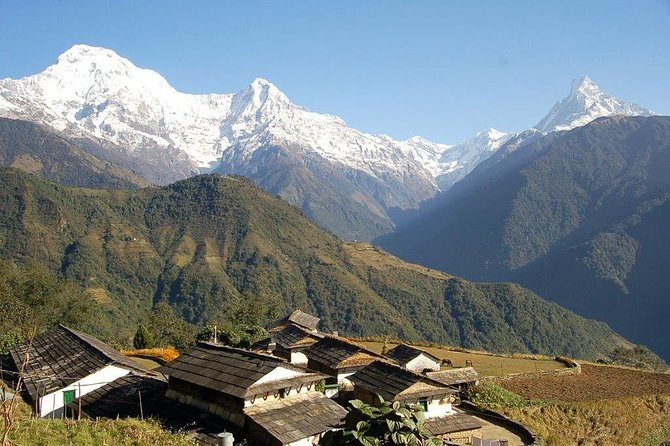
From Ulleri, you hike onward to Ghorepani. This is where the experience becomes more than movement. Ghorepani is known (in the general Annapurna trekking world) for being a base area where people settle in for a short-stay trekking rhythm, with tea-house lodging as part of daily life.
The value of having an experienced guide here is that you don’t have to guess which tea house works best for your group. In prior trips on this route type, guides have been praised for selecting tea houses that match what hikers actually want: good comfort and good views.
Your lodging is included for the mountain nights, and it’s described as soft, comfort-focused with private rooms and shared toilets. That’s a useful balance: you get privacy to rest and reset, but you’re not paying for high-end lodging.
How to make Ghorepani feel smooth
Bring a small routine. Pack a dry layer, keep your glasses and phone accessible, and plan for chilly evenings. Tea houses often help you manage basics like hot drinks, but your trip info also notes boiled water isn’t included—so plan how you’ll handle hydration.
Also, since the itinerary is view-driven (Poon Hill is the headline later), you’ll want an early, steady night rather than a late one.
Poon Hill hike and the trek to Tadapani
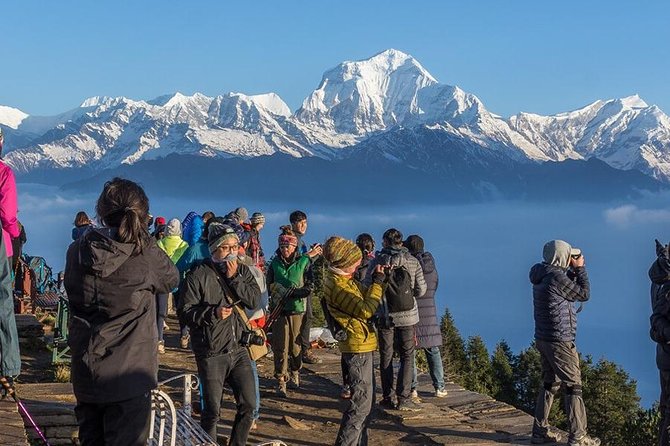
This is the highlight moment in the story: the hike to Poon Hill, then continuing onward to Tadapani. Poon Hill is famous for panoramic views in the Annapurna region, and the trek’s design puts it where you can enjoy big scenery without needing a multi-week trek.
The guide’s role matters here, because the real question is timing and how the group handles conditions. The trip notes that it operates in all weather conditions, but it also says the experience requires good weather; if it’s canceled due to poor weather, you’ll be offered a different date or a full refund. In other words: expect some flexibility, and keep your expectations grounded.
Tadapani: where the pace settles again
After the main viewpoint push, you continue to Tadapani. This part tends to feel more like rhythm hiking: walk, rest, eat, repeat. And because meals are included on the trek (breakfast, lunch, dinner), you don’t have to negotiate food plans while your legs are tired.
That included meal structure is a quiet value perk. You’ll spend less time deciding what’s next, and more time enjoying the walking and the evenings.
Tadapani to Ghandruk: village life beyond the trail
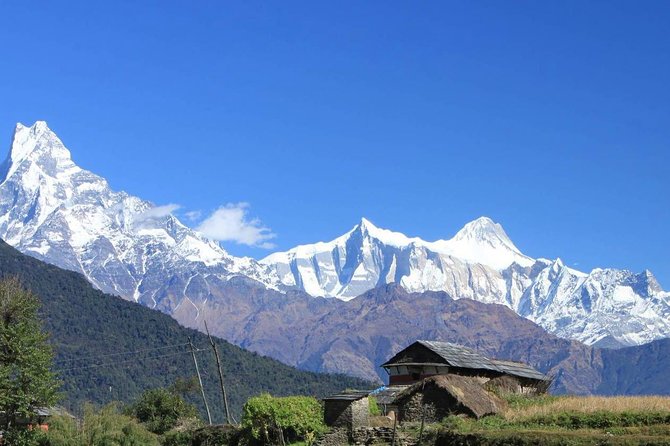
Next you hike from Tadapani to Ghandruk, and this is where the trip adds real cultural texture. Ghandruk is not just a place to sleep. It’s part of the reason this trek feels like more than a photo stop route.
In the Annapurna region, village days can be the most memorable parts because they bring you into daily life: local rhythms, simple tea-house interactions, and a sense of scale you don’t get from just looking at peaks.
Why Ghandruk is worth the effort
This is where you stop treating the trek like a set of checkpoints. Instead, you experience a place. If you like villages, handicrafts, and slow conversation moments, Ghandruk tends to deliver more than just views.
And after a couple of active days, a village stop also balances the body. You get scenery, but you also get a slower human pace.
How meals, lodging, and porter support change everything
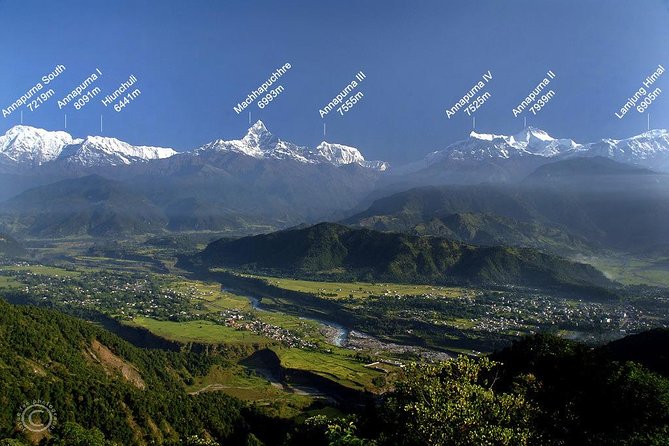
Let’s talk about comfort, because “short and easy” still needs good logistics.
Meals included on the trek
You’ll have full meals during the trek: breakfast, lunch, and dinner. That means no scrambling for food on hiking days and less decision fatigue. It also helps you keep calories steady, which matters when you’re walking enough to feel it.
Private rooms, shared toilets
Mountain accommodation is listed as private room with share toilet. That’s a common trekking setup: privacy to sleep and reset, plus shared facilities for practicality. It’s not luxury, but it’s also not the roughest end of trekking lodging.
Porter ratio that actually helps
You’re assigned an experienced guide plus local porters. The ratio is 2 trekkers to 1 porter, which is designed to keep your pack manageable. Even if you don’t plan to overpack, this lets you travel with less stress and fewer aches.
If you’ve ever tried to carry everything yourself in a mountain itinerary, you’ll understand why this setup matters. You’re more likely to enjoy the hike when your energy goes toward the trail, not your shoulders.
Price and value: what $1,660 buys for this Annapurna trek
At $1,660 per person, this trek isn’t the cheapest way to do Poon Hill. So the real question is what you get for the money.
What’s included:
- An English-speaking government-registered trekking guide
- Local porters with the 2:1 trekker-to-porter ratio
- Full trek meals
- Mountain lodging in private rooms (shared toilets)
- All government and local taxes
- Hotel pickup and drop-off
What’s not included:
- Lunch/dinner in Kathmandu and Pokhara
- Boiled water
- Personal expenses
Where the value shows up
This price makes more sense if you care about three things:
1) fewer logistics headaches
2) less physical burden (thanks to porter support)
3) steady daily comfort (meals and private-room lodging)
If you’re a strong independent hiker who already knows the route and doesn’t mind handling your own food and arrangements, a lower-cost setup might be possible elsewhere. But if you want a guided experience where the schedule runs, you get real value from the included support.
Weather, packing, and the reality of a viewpoint trek
The trip says it operates in all weather conditions, but it also notes that the experience requires good weather and provides a backup (different date or full refund) if weather ruins it.
So plan like this:
- pack for rain and cold, even if the day looks clear
- expect fog or cloud on some mornings, which can reduce visibility at viewpoints
- keep a flexible mindset for how conditions shape what you see
Boiled water not included
Since boiled water isn’t included, don’t assume it’ll be automatically provided with every meal. Plan your hydration method. If you’re traveling with preferences (taste, temperature, frequency), you’ll want to be ready to pay for it.
Also, “dress appropriately” is vague on purpose. In mountain trekking, that typically means layers that you can adjust quickly.
Who this trek suits best
This itinerary is a strong fit if you:
- want a short and easy Himalaya trek without complicated planning
- prefer a private-group guide experience
- care about views and also about village time in Ghandruk
- want included meals and a comfortable baseline for sleeping (private rooms)
It may be less ideal if you:
- hate early starts and long transfer days
- want total flexibility to wander off-route without guidance
- are trying to minimize spending as much as possible
Should you book this Annapurna Ghorepani Poon Hill trek?
I’d book if you want the “best parts” of Annapurna trekking without turning it into a logistics project. The included guide, porter ratio, and full trek meals are exactly the kind of support that makes a short trek feel genuinely enjoyable.
I’d pause if $1,660 feels high relative to what you need, or if you know you’re the type who gets grumpy when weather changes plans. If visibility matters to you, keep your fingers crossed for clear skies, and be ready to accept that mountain weather can be fickle.
If your goal is a well-managed, view-focused trek with a village stop and real human support on the trail, this is a solid choice.
FAQ
What time does the trip start and where is the meeting point?
The meeting point is Tribhuvan Airport, Kathmandu, Nepal, with a start time listed as 6:15 am.
Is hotel pickup and drop-off included?
Yes. Hotel pickup and drop-off are included.
Does the price include a guide and porters?
Yes. The trip includes an experienced English-speaking government-registered trekking guide and local porters, with a porter ratio listed as 2 trekkers to 1 porter.
What meals and lodging are included on the trek?
You get full meals during the trek (breakfast, lunch, and dinner), and mountain accommodation with private rooms and shared toilets.
What is not included in the price?
Lunch/dinner in Kathmandu and Pokhara, boiled water, and personal expenses are not included.
Can I cancel for a full refund if plans change or weather is poor?
Yes. You can cancel up to 24 hours in advance for a full refund. If the experience is canceled due to poor weather, you’ll be offered a different date or a full refund.