REVIEW · KATHMANDU
Experience the Thrill of a Lifetime:12-Days Manaslu Circuit trek
Book on Viator →Operated by North Nepal Treks · Bookable on Viator
Twelve days, one big Himalayan payoff. The Manaslu Circuit trek links quiet valleys, high passes, and Tibetan-leaning villages into a route that still feels more peaceful than the big-name trails. You’ll sleep in tea houses, hike beside the Budhi Gandaki, and earn every wide-open view of Manaslu.
I like two things a lot about how this trek is set up. First, there’s real acclimatization planning: you don’t just rush upward, you build in time in Samagaun and even do a hike toward Pungyen Gompa. Second, the trip handles the hard-to-manage paperwork with included permits like Manaslu Special plus MCAP and Annapurna ACAP.
The main drawback to consider is the physical load and altitude. The route includes a high crossing at Larkya La (4,470 m) and has long hiking days mixed with rocky descents, so you’ll want solid trekking fitness and a calm attitude about cold air.
In This Review
- Quick reasons this Manaslu Circuit trek is worth your time
- Manaslu Circuit in the real world: what makes it different
- Price and logistics: what $1,500 gets you (and what it doesn’t)
- Day 1: Kathmandu drives you into Soti Khola’s river rhythm
- Days 2–3: river valleys, forests, hot springs, and bridge crossings
- Day 4–5: Gurung communities, monasteries, and the Namrung prayer-flag feel
- Day 6–7: Samagaun acclimatization and the Pungyen Gompa side hike
- Day 8: Samdo’s desert-like walking and the Tibetan refugee camp
- Day 9: Samdo to Dharmashala (Larkya Phedi) and the “starting line” feeling
- Day 10: Larkya La pass day, icy lakes, and a long descent to Bimthang
- Day 11: Budhi Khola valley, rhododendron forests, and Tije orchards
- Day 12: the 4WD jeep to Besisahar and onward to Kathmandu or Pokhara
- Guides and safety: what the trip’s human side seems to deliver
- Who should do this trek (and who should think twice)
- Should you book the 12-Days Manaslu Circuit Trek with North Nepal Treks?
- FAQ
- How long is the Manaslu Circuit trek on this package?
- What permits are included in the trek price?
- What kind of accommodation do I get during the trek?
- Is the trek private, and is pickup offered?
- How do you get back to Kathmandu or Pokhara at the end?
- What is the cancellation window?
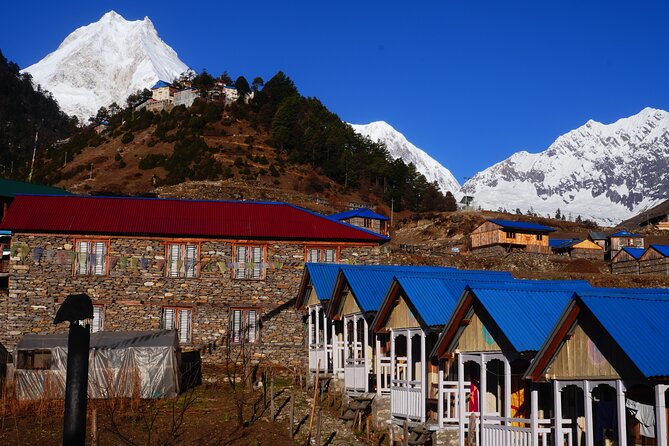
Quick reasons this Manaslu Circuit trek is worth your time
- Permits are handled for you (Manaslu Special, MCAP, Annapurna ACAP), so you’re not scrambling in Kathmandu.
- Acclimatization is built in with a dedicated day in Samagaun and a side hike toward Pungyen Gompa.
- Tea-house lodging means you’re not carrying a full camp, and you get to experience real village routines.
- A guide team with strong communication shows up in past trips, with names like Mohan, Jeewan, Lalu, Raj, and Zeewan/Raj Rai mentioned for professionalism and help in the field.
- You reach the border-country feel in Samdo, with the Tibetan refugee camp nearby and the terrain shifting from forest to drier, harsher ground.
Manaslu Circuit in the real world: what makes it different
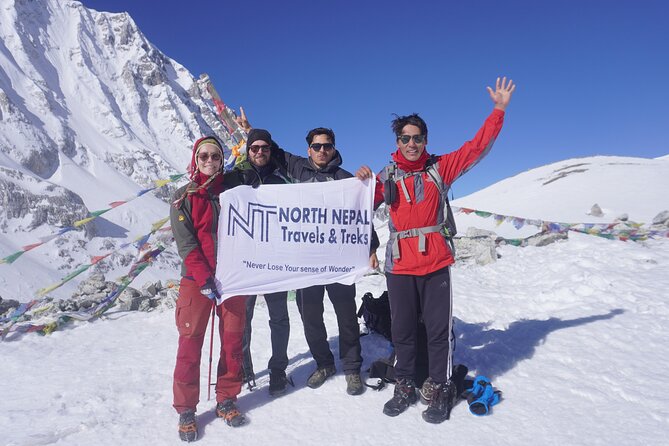
Manaslu Circuit trekking is one of those rare Nepal routes where your day keeps changing shape. One day you’re moving through river valleys and forest paths; later you’re in drier, high country where the air feels thin and your body notices every climb. This is also a trek with cultural variety, not just mountain views. You pass through villages with Gurung life and Buddhist sites, then shift into Tibetan-style settings as you push toward the border region.
I also like the “earned view” factor. You don’t get everything in one dramatic moment and then walk boring trails after. You earn the next view, then the next one, day by day. By the time you’re near Larkya La, the mountains feel like they’ve been building inside your imagination the whole time.
The route also has a nature side. The area is described as rich in biodiversity, so wildlife sightings can happen, like Himalayan Thar or different birdlife. Your odds won’t be identical every day, but it’s the kind of trail where you’re outside enough hours to actually look.
You can also read our reviews of more tours and experiences in Kathmandu.
Price and logistics: what $1,500 gets you (and what it doesn’t)
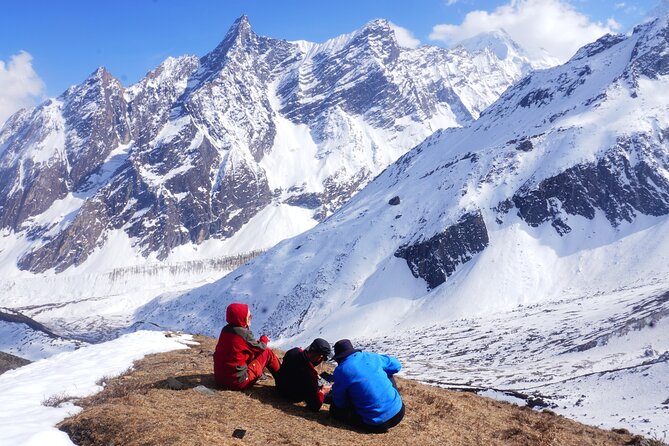
At $1,500 per person, this trek is positioned as a full-service package rather than a budget-only DIY. Based on what’s included, you’re paying for the structure that keeps the trek running: permits taken care of, lodge stays, a registered guide, and most meals.
Included highlights:
- Permits: Manaslu Special, MCAP, Annapurna ACAP
- Tea-house (lodge) accommodations during the trek
- A registered experienced guide (plus guide food, accommodation, salary, and insurances)
- Meals: listed as 12 lunches, 12 dinners, and 11 breakfasts
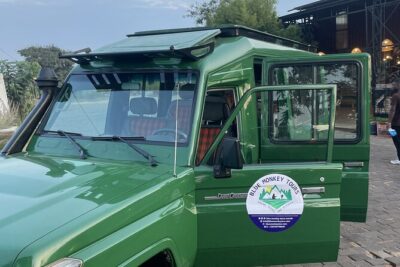
- Transport: public transport to Sotikhola and back, and the last-day 4WD jeep from Dharapani to Besisahar for the transfer onward
- Pickup offered and mobile ticket listed for the experience
Things not included (you’ll plan around these):
- Personal expenses like wifi, bar bills, laundry, shower, and extra bottled/boiled water
- Tips for guide and porters (if you use porters, you’ll need to budget)
- Travel and rescue insurance
My practical take: the $1,500 price makes sense if you want the permits, guide support, and daily meals handled. It’s less attractive if you’re trying to keep everything ultra-budget and you’re comfortable organizing permits and day-to-day logistics yourself.
Day 1: Kathmandu drives you into Soti Khola’s river rhythm
Day 1 starts with a long travel day, not a long climb. You head along the Prithivi highway, turn at Malekhu into a branch road, pass through colorful villages and farmlands, and then arrive in Soti Khola. The walking part is on the flat path along the Budhi Gandaki River, which is a good way to get your legs awake without a brutal start.
What to watch for: with 8–9 hours of travel, you’ll want to treat this as day one of the trek, not day one of sightseeing. Hydrate, eat early, and keep your evening low-key so you’re ready for real hiking tomorrow.
Days 2–3: river valleys, forests, hot springs, and bridge crossings
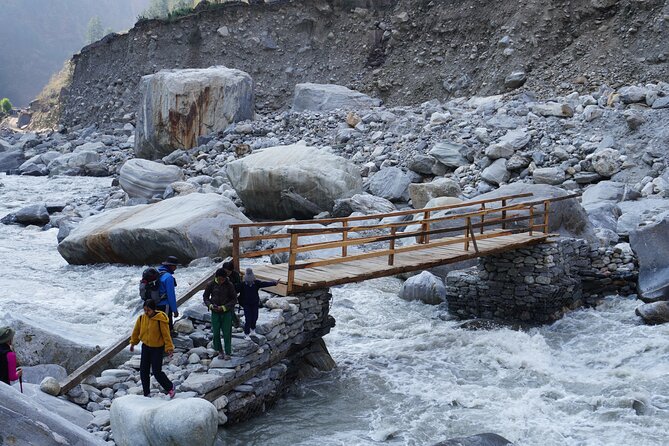
Day 2 moves you from Sotikhola toward Machha Khola after about 6 hours of hiking. The trail threads through green forests and village life. You also pass Lapu Besi, a Gurung village, then continue along zigzag paths that steadily build your stamina.
Day 3 includes a few memorable ingredients: upstream trekking, the hot springs at Tatopani, and repeated suspension bridge crossings. You go toward Khola Besi, reach Tatopani, cross over the bridge to keep moving, pass through forest, and climb uphill after reaching Lauri. The day ends at Jagat after about 7 hours.
Why these days matter: early in a circuit trek, your body needs rhythm. These sections give you that rhythm—enough hiking to feel productive, not so steep that you’re destroyed before acclimatization even starts. Suspension bridges also become a mental checkpoint: they keep the trail interesting, and you learn how “real” the river crossing environment feels on foot.
Day 4–5: Gurung communities, monasteries, and the Namrung prayer-flag feel
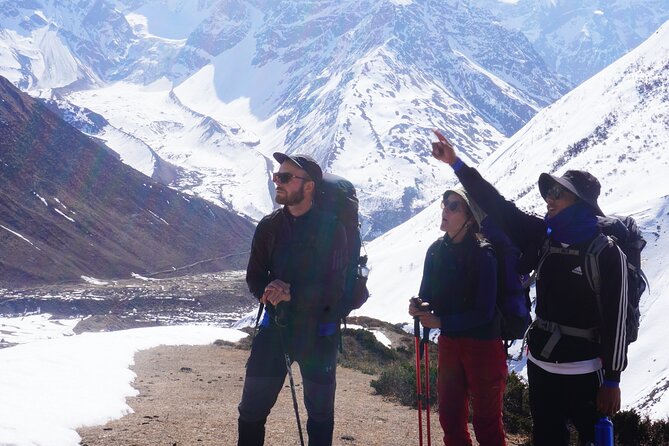
On Day 4, you hike toward Philim (around 6 hours total). Philim is described as mostly Gurung, with traditional houses, monasteries, and chortens. After additional bridge crossings, you reach Deng, known for agriculture.
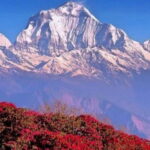
Day 5 is Namrung day. You start with a flatter trail, then climb through a green forest to Namrung. The reward here is the mix of mountain views—including Manaslu glimpses—plus village details like monasteries, chortens, and prayer flags. It’s the kind of stop where you’ll slow down because the place feels built for quiet.
Possible drawback: these days include bridges and gradual climbs. If you’re sensitive to fatigue, you may feel the cumulative effect. The trick is pace control. Keep your breathing steady on the uphill sections so you arrive ready to enjoy the village details, not only survive them.
Day 6–7: Samagaun acclimatization and the Pungyen Gompa side hike
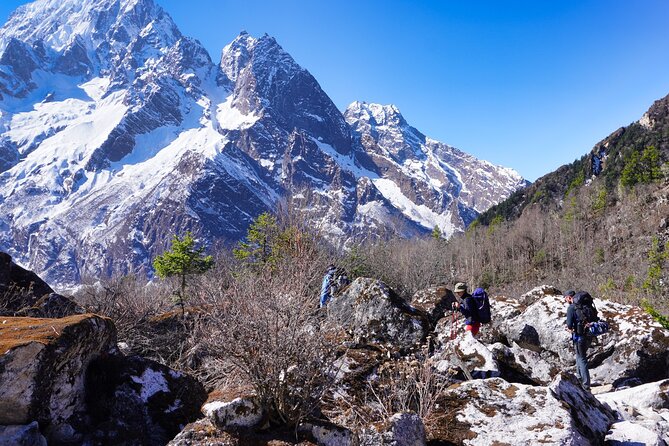
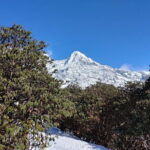
Day 6 brings you to Samagaun after about 7 hours. The trail winds with big views that can include Gorkha Himal, Lajing Himal, Saula Himal, and Manaslu. You also notice the environment shift as you climb: vegetation changes, and you move from rhododendron forests toward pasture grasslands.
A key detail here is the stop through Lhogaun, described as a Tibetan-style village. This is when the trek starts to feel more like border-country living than just “Nepal trail scenery.”
Then comes the smart part: Day 7 is an acclimatization day. You hike in/near Samagaun and do a side route toward Pungyen Gompa on the east of Nubri Valley. You can bring lunch and eat at rest stops. There’s also a long river-crossing segment that keeps you engaged for around two hours on the route.
Why I think this matters: acclimatization days aren’t “extra time,” they’re risk management for altitude treks. This gives your body time to adjust and gives you practice moving on terrain that feels colder and thinner-air. Even if you feel strong on Day 7, it’s still worth treating it as a slow day.
Day 8: Samdo’s desert-like walking and the Tibetan refugee camp
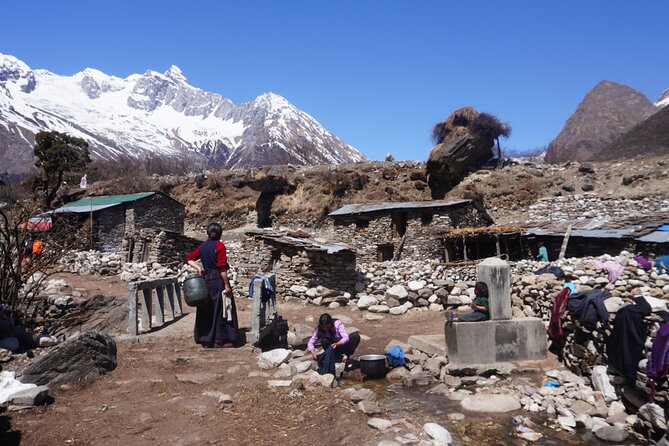
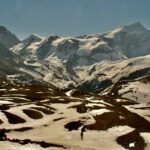
On Day 8, you trek from Samagaun to Samdo, about 5 hours. The description is clear: you’ll climb uphill on a mostly desert path, and Samdo is close to the Tibetan border. The village is also near a Tibetan refugee camp.
This is one of those days where your senses change. It’s less about lush vegetation and more about rock, wind, and the stark feel of high ground. If you’re the kind of trekker who likes quiet observations—watching how people live where resources are limited—this day can stick with you.
Day 9: Samdo to Dharmashala (Larkya Phedi) and the “starting line” feeling
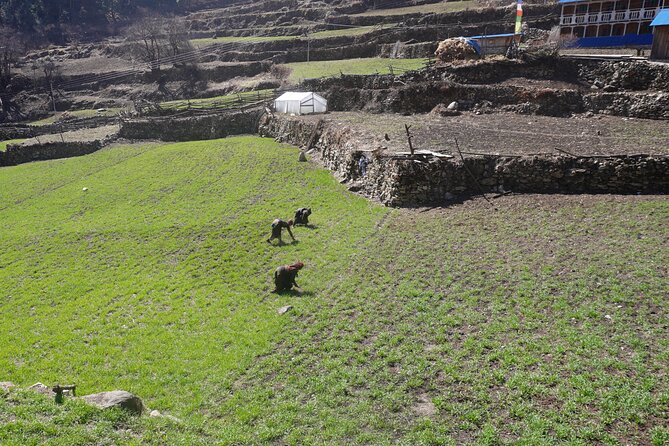
Day 9 takes you from Samdo to Dharmashala, also known as Larkya Phedi. It’s about 11.7 km (7.2 miles) and takes around 3–4 hours, ending at 4,470 meters. You pass through Larke Bazar, a seasonal Tibetan market.
Two things to keep in mind:
- This is a “prepare your body” day. Even though the hike time isn’t the longest, altitude is working on you.
- A seasonal market stop can be helpful for a quick change of pace and a little human energy, but don’t get side-tracked. Your pass day is next.
Day 10: Larkya La pass day, icy lakes, and a long descent to Bimthang
This is the day you plan your mind around. You start early after breakfast and climb to the Dharmashala (Larkya Pass) area on a winding, rocky trail. The climb is described as moderately difficult.
At the pass, you’ll enjoy views of snow-clad peaks like Ratna Chuli, Cheo Himal, and Manaslu. After that, you descend through an area with icy lakes before reaching Bimthang. The day runs around 10 hours.
My advice: don’t treat the descent like it’s automatically easier. The route is rocky, and cold water/ice areas can slow your steps. If your knee stability isn’t great, use shorter steps and keep your focus on footing rather than speed.
Day 11: Budhi Khola valley, rhododendron forests, and Tije orchards
On Day 11, you head toward Dharapani in about 6 hours. You walk across pasture land, descend into the Budhi Khola valley, and cross the river. After a couple hours, you reach Tije, where there’s an apple orchard and the village is also known for wine. Then you trek another hour onward to Dharapani.
This day often feels like a mental release. You’re still in trekking country, still dealing with cold air, but the route turns more “walkable” compared with the pass section. It’s a good time to breathe out, eat well, and enjoy the fact that the hardest chunk is behind you.
Day 12: the 4WD jeep to Besisahar and onward to Kathmandu or Pokhara
Day 12 is a transition day. After breakfast, you take a 5-hour 4WD jeep from Dharapani to Besisahar, then transfer to Kathmandu or Pokhara. The full day is listed at around 8 hours.
If you’re the kind of person who needs closure, this is your closure day. You’ll go from mountain trail mode to road-travel mode fast, so keep your expectations flexible. Expect bumpier comfort than you’d get from a highway bus.
Guides and safety: what the trip’s human side seems to deliver
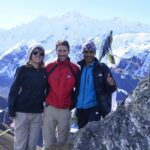
This is a private trek, meaning you’re with just your group. That matters because the pace and communication can be handled tightly, not lost in a big shared shuffle.
In past experiences shared with the company, you can spot a pattern of praised support. Mohan is repeatedly mentioned for communication and organization. Guides like Jeewan and Lalu come up as professional and caring in the field. Other reports highlight Raj and Zeewan, with notes about strong English and a helpful, calm vibe while you’re working hard at altitude.
Also, the guide is described as registered and experienced, with food, accommodation, salary, and insurances included. Add that to the fact that the trek includes required permits, and you get a setup that’s less likely to turn into scrambling and guesswork once you’re already in the mountains.
Still, no guide can remove altitude physics. Your job is to take the plan seriously: drink, eat, and don’t chase speed on the high segments.
Who should do this trek (and who should think twice)
This trek is described as physically demanding, with a strong challenge factor. It’s best for you if:
- you have moderate fitness and trekking experience (or you’re serious about building up before you go)
- you can handle long days that run 6–10 hours of hiking
- you’re comfortable in cold, thinner-air conditions and rocky descents
You may want to think twice if:
- your stamina is limited and you struggle with altitude intensity
- you hate long travel days like Day 1 and Day 12 road segments
- you’re counting on included shower/wifi style comfort (those are listed as personal expenses)
Should you book the 12-Days Manaslu Circuit Trek with North Nepal Treks?
Book this trek if you want a serious circuit experience with a team that handles the paperwork and the day-to-day running. The mix of Gurung and Tibetan-style village life, plus the acclimatization day and the big Larkya La push, makes it a complete “earned Himalaya” package. At $1,500, it looks like fair value for what’s included: permits, lodge beds, and most meals, plus a registered guide.
I’d hold off if your budget is ultra-tight or if you’re not ready for high altitude days and long hiking hours. Also, the experience requires good weather, so plan for the reality that nature can change schedules.
FAQ
How long is the Manaslu Circuit trek on this package?
It’s listed as 12 days approximately.
What permits are included in the trek price?
The included permits are Manaslu Special, MCAP, and Annapurna ACAP.
What kind of accommodation do I get during the trek?
You stay in tea house (lodge) accommodations during the trek.
Is the trek private, and is pickup offered?
It’s described as a private tour/activity, with pickup offered.
How do you get back to Kathmandu or Pokhara at the end?
On the last day, you take a 5-hour 4WD jeep from Dharapani to Besisahar, then you transfer to Kathmandu or Pokhara.
What is the cancellation window?
You can cancel up to 24 hours in advance for a full refund. Within 24 hours, the amount paid is not refunded.